P.G. Department of Genetics, Ashok and Rita Patel Institute of Integrated Study and Research in Biotechnology and Allied Sciences (ARIBAS), Charutar Vidya Mandal University, P.O. Box No. 61, New Vallabh Vidyanagar, Vitthal Udyognagar, 388121, Anand, Gujarat, India; Sardar Patel University, Gujarat, India.
Dr. Vikram Sarabhai Institute of Cell and Molecular Biology, Faculty of Science, The Maharaja Sayajirao University of Baroda, Pratapganj, Vadodara, 390002, Gujarat, India.
Eur J Pharmacol. 2021 Jan 5;890:173720. doi: 10.1016/j.ejphar.2020.173720. Epub 2020 Nov 6.
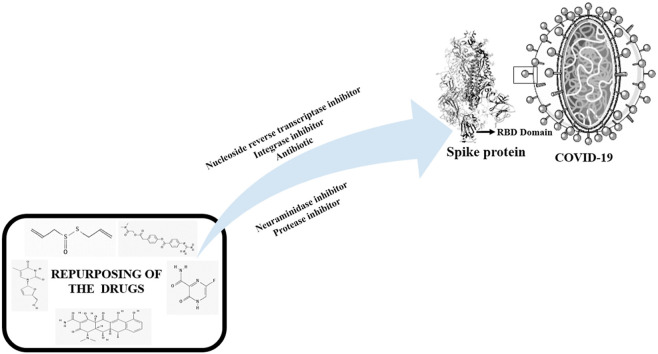
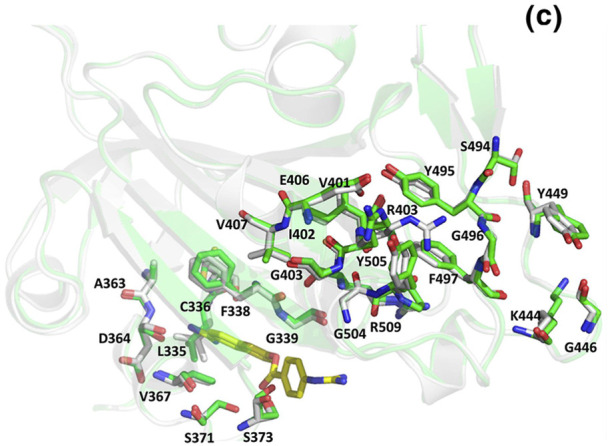
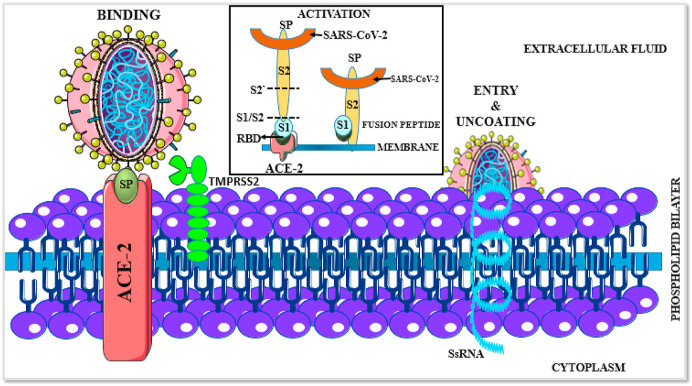
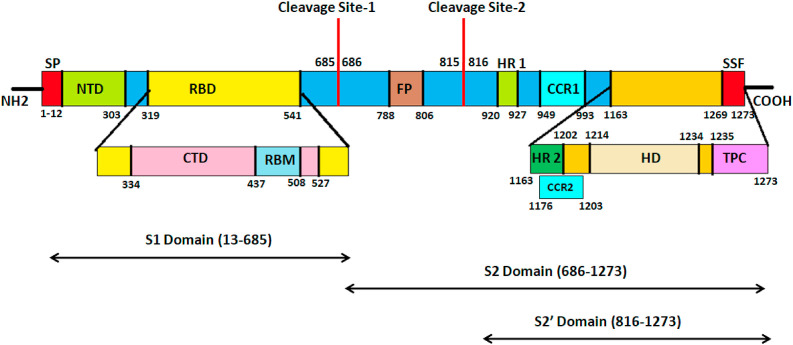
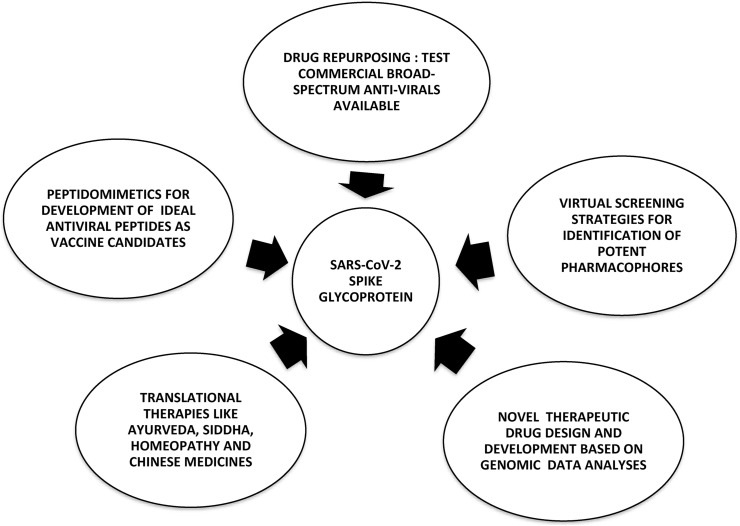
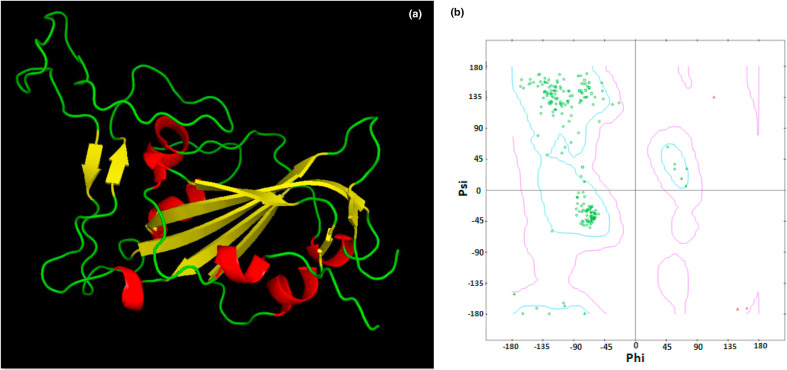
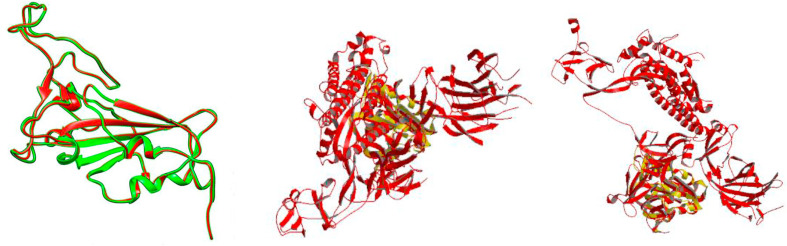
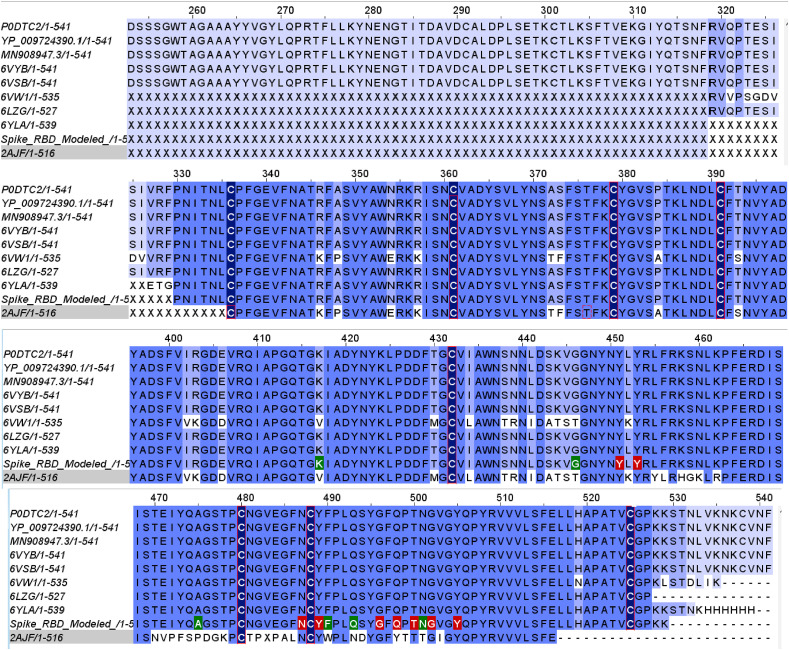
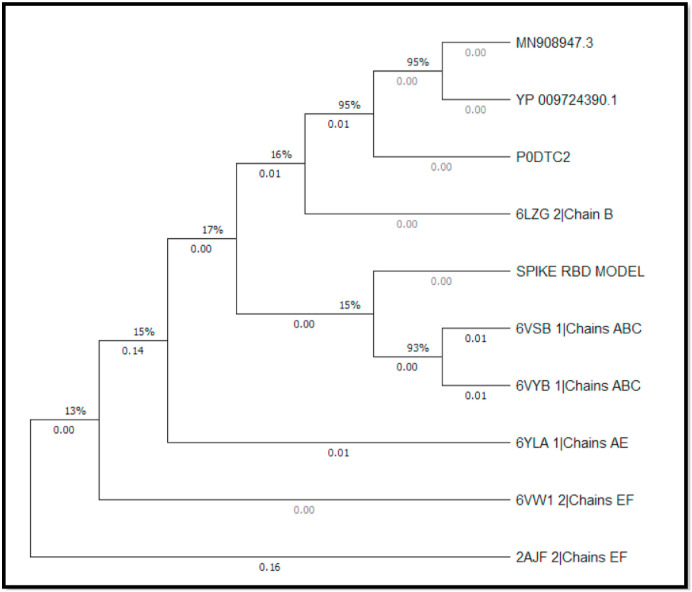
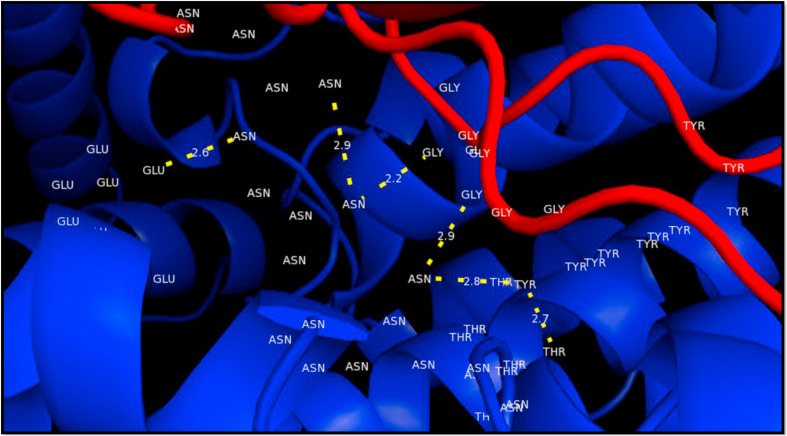
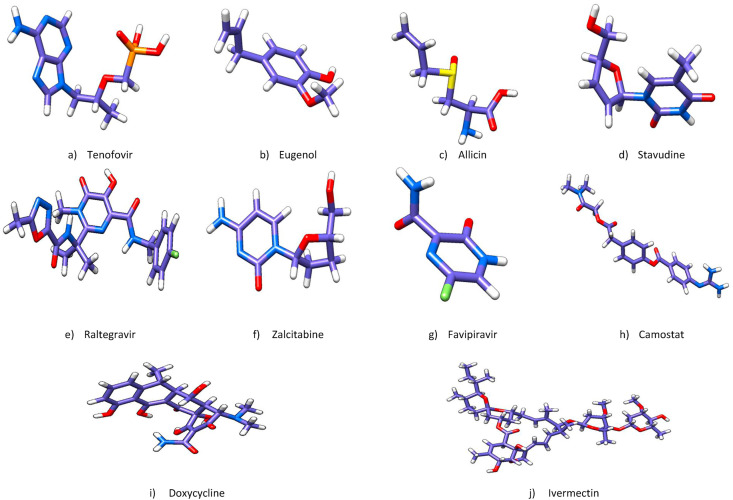
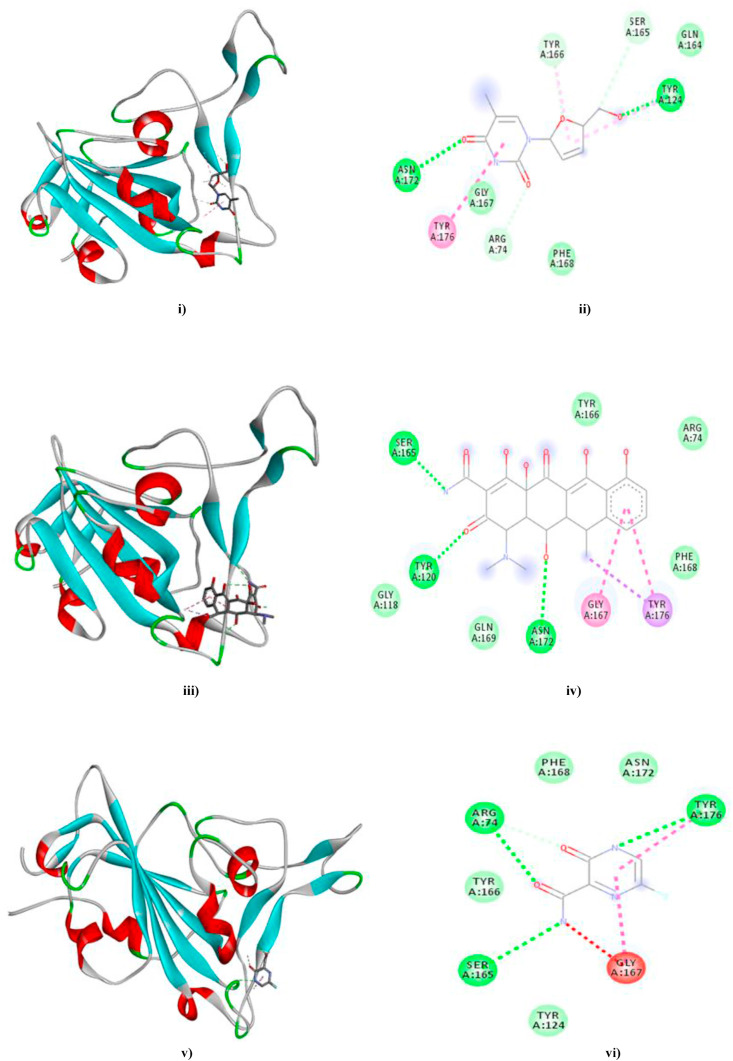
COVID-19 has intensified into a global pandemic with over a million deaths worldwide. Experimental research analyses have been implemented and executed with the sole rationale to counteract SARS-CoV-2, which has initiated potent therapeutic strategy development in coherence with computational biology validation focusing on the characterized viral drug targets signified by proteomic and genomic data. Spike glycoprotein is one of such potential drug target that promotes viral attachment to the host cellular membrane by binding to its receptor ACE-2 via its Receptor-Binding Domain (RBD). Multiple Sequence alignment and relative phylogenetic analysis revealed significant sequential disparities of SARS-CoV-2 as compared to previously encountered SARS-CoV and MERS-CoV strains. We implemented a drug re-purposing approach wherein the inhibitory efficacy of a cluster of thirty known drug candidates comprising of antivirals, antibiotics and phytochemicals (selection contingent on their present developmental status in underway clinical trials) was elucidated by subjecting them to molecular docking analyses against the spike protein RBD model (developed using homology modelling and validated using SAVES server 5.0) and the composite trimeric structures of spike glycoprotein of SARS-CoV-2. Our results indicated that Camostat, Favipiravir, Tenofovir, Raltegravir and Stavudine showed significant interactions with spike RBD of SARS-CoV-2. Proficient bioavailability coupled with no predicted in silico toxicity rendered them as prospective alternatives for designing and development of novel combinatorial therapy formulations for improving existing treatment regimes to combat COVID-19.
COVID-19 已演变成一场波及全球、导致百万人死亡的全球大流行病。已经实施并执行了实验性研究分析,其唯一目的是对抗 SARS-CoV-2,这促使了与计算生物学验证一致的强大治疗策略的发展,重点是针对由蛋白质组学和基因组学数据表明的特征病毒药物靶点。刺突糖蛋白是这样的潜在药物靶点之一,它通过其受体结合域(RBD)与宿主细胞膜上的受体 ACE-2 结合,促进病毒附着在宿主细胞膜上。多重序列比对和相对系统发育分析表明,与以前遇到的 SARS-CoV 和 MERS-CoV 株相比,SARS-CoV-2 存在显著的序列差异。我们实施了一种药物再利用方法,其中通过对一组 30 种已知候选药物(包括抗病毒药、抗生素和植物化学物质)进行分子对接分析,来评估它们对刺突蛋白 RBD 模型(使用同源建模开发并使用 SAVES 服务器 5.0 进行验证)和 SARS-CoV-2 的刺突糖蛋白复合三聚体结构的抑制效果。我们的结果表明,Camostat、Favipiravir、Tenofovir、Raltegravir 和 Stavudine 与 SARS-CoV-2 的刺突 RBD 显示出显著的相互作用。良好的生物利用度加上没有预测到的计算机毒性使它们成为设计和开发新型组合治疗配方的有前途的替代品,以改善现有的治疗方案,以对抗 COVID-19。