Department of Psychology, University at Albany, Albany, NY 12222, United States of America; Center for Neuroscience Research, University at Albany, Albany, NY 12222, United States of America.
Department of Psychology, University at Albany, Albany, NY 12222, United States of America; Center for Neuroscience Research, University at Albany, Albany, NY 12222, United States of America.
Horm Behav. 2021 Jan;127:104887. doi: 10.1016/j.yhbeh.2020.104887. Epub 2020 Nov 21.
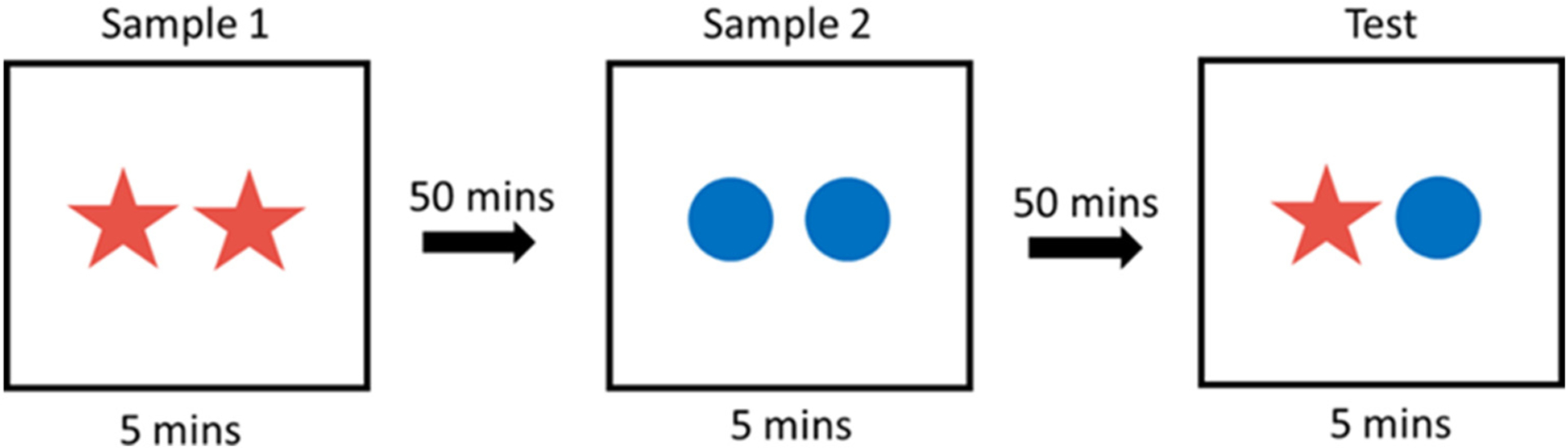
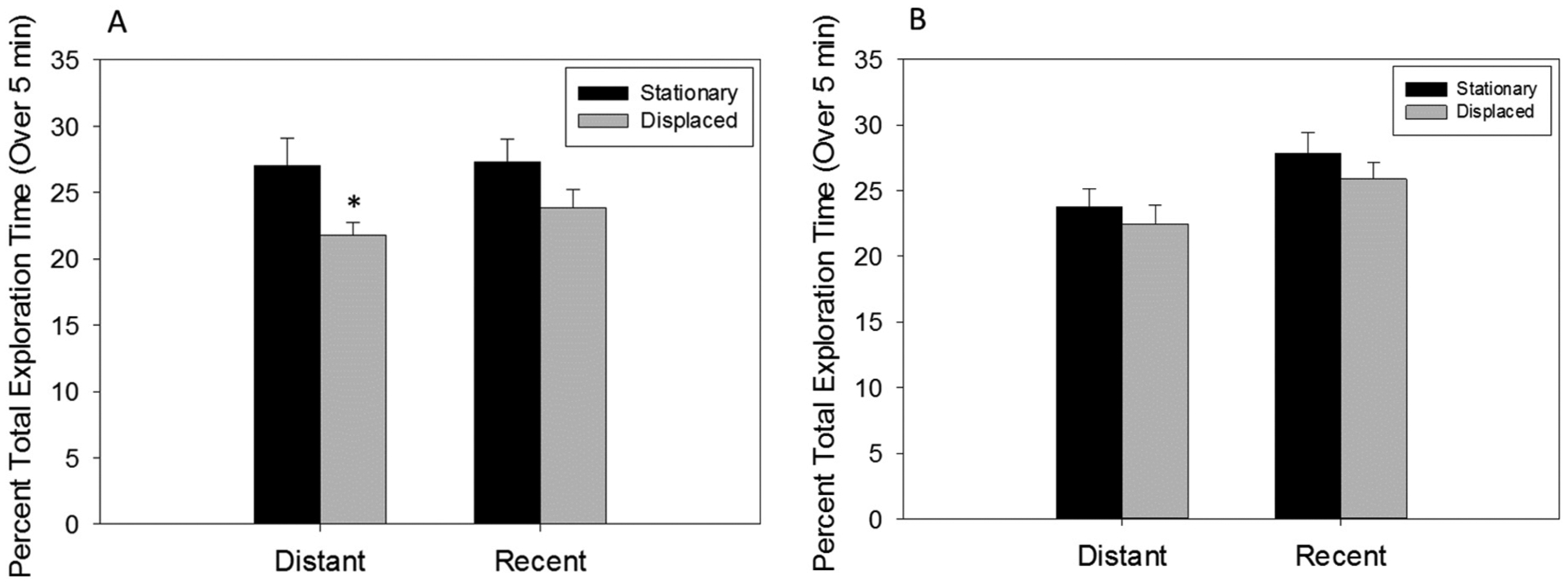
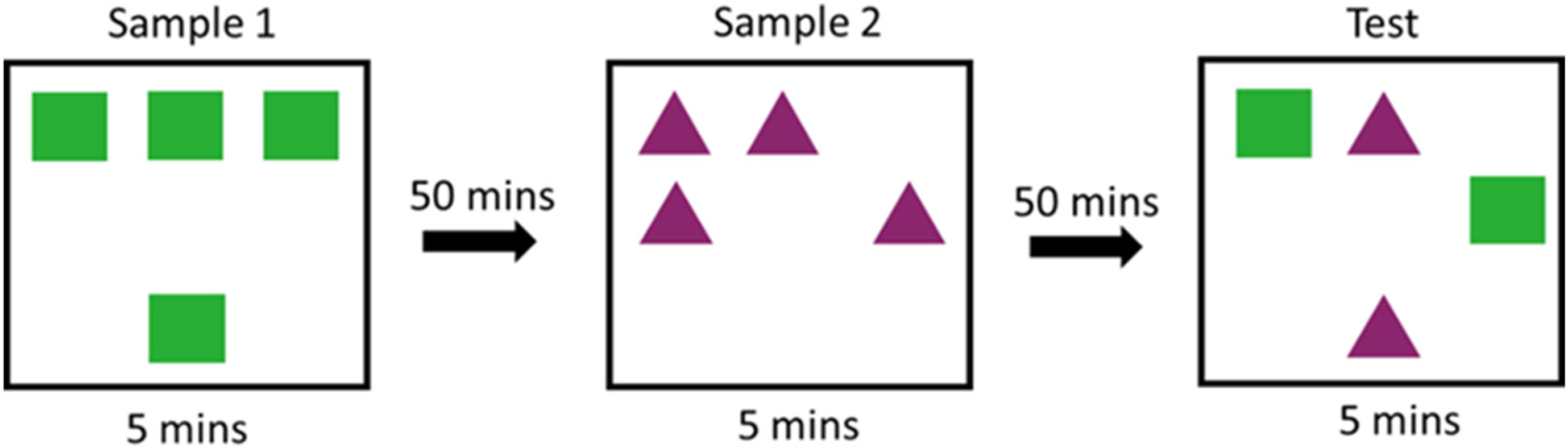
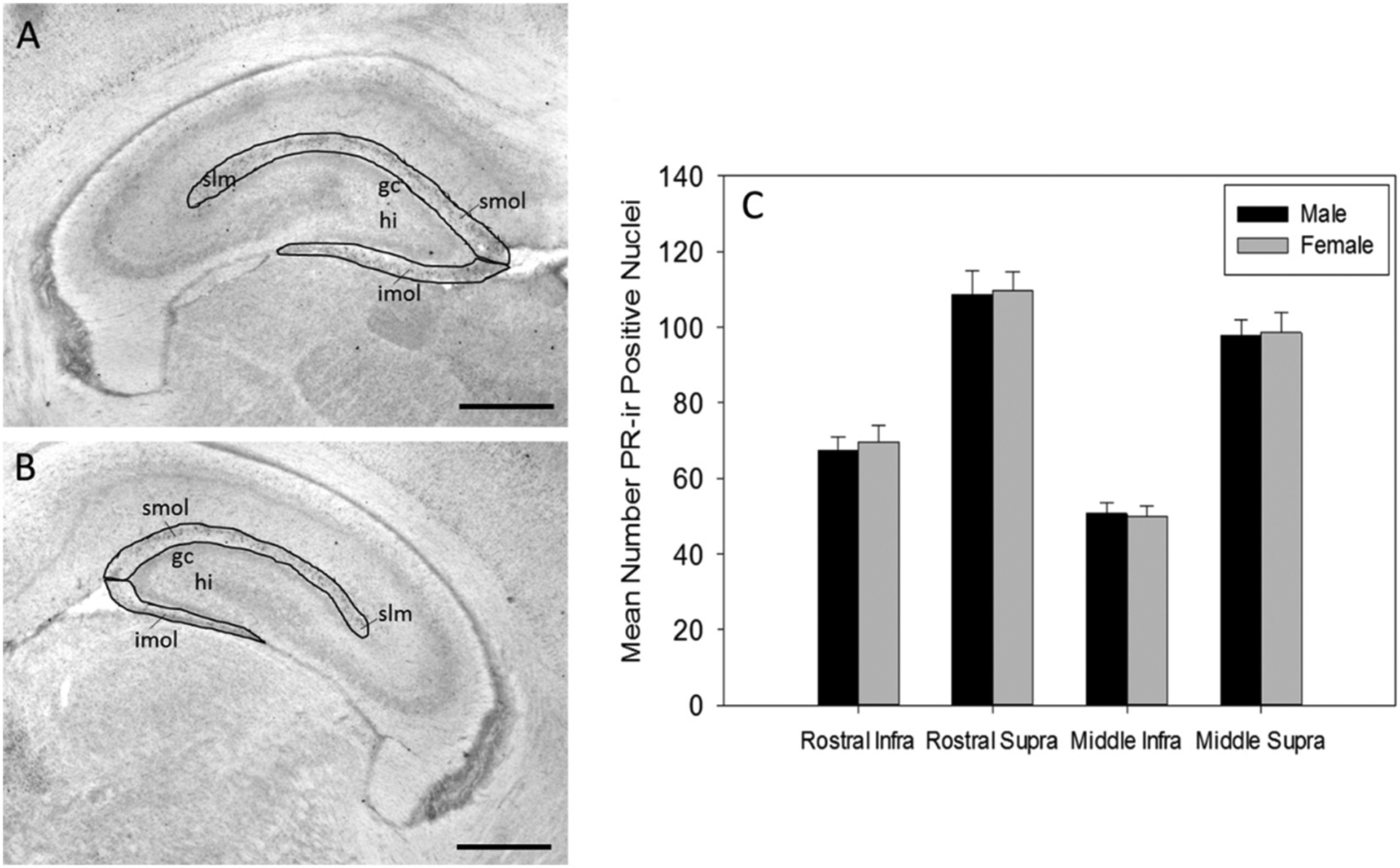
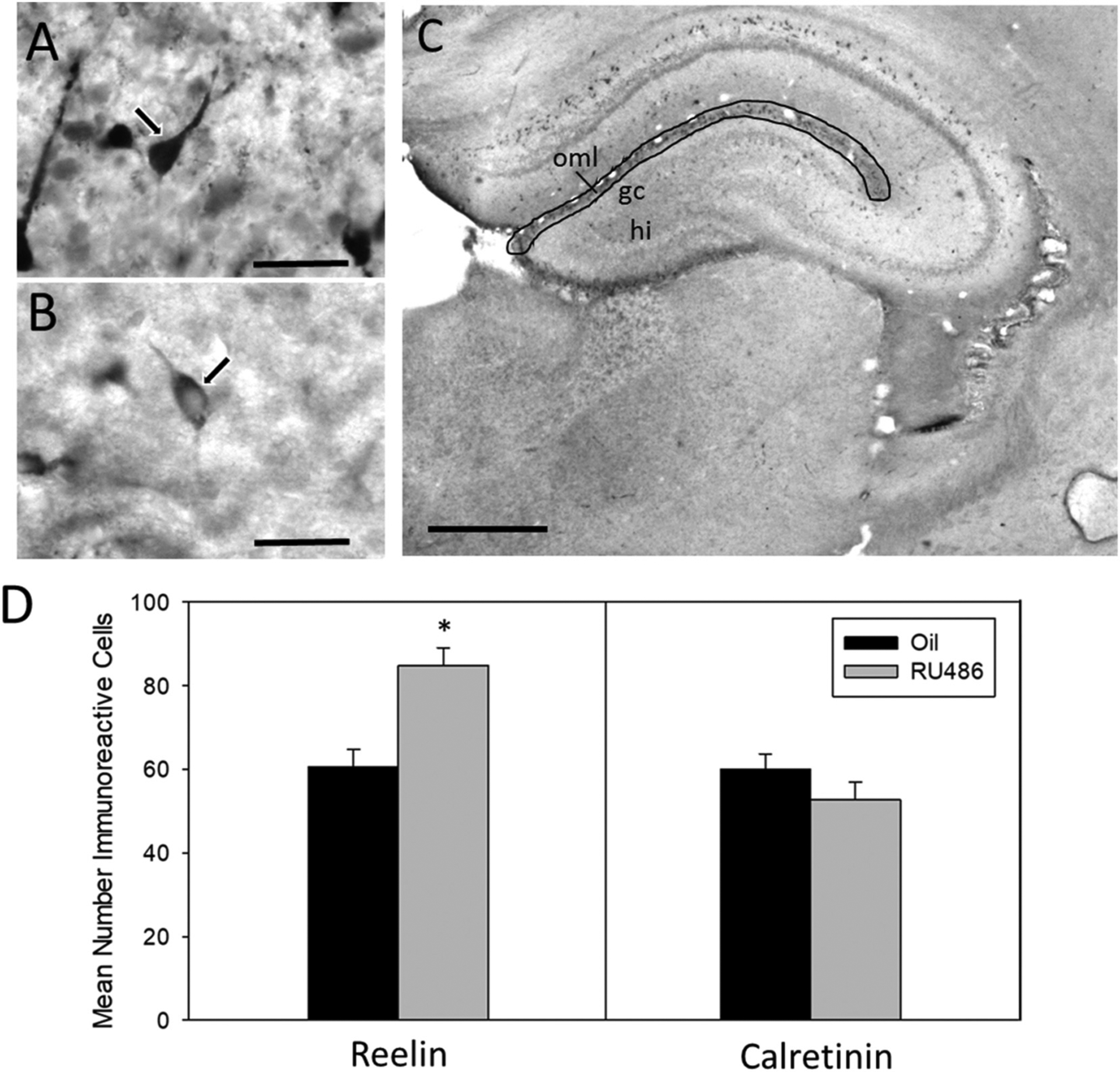
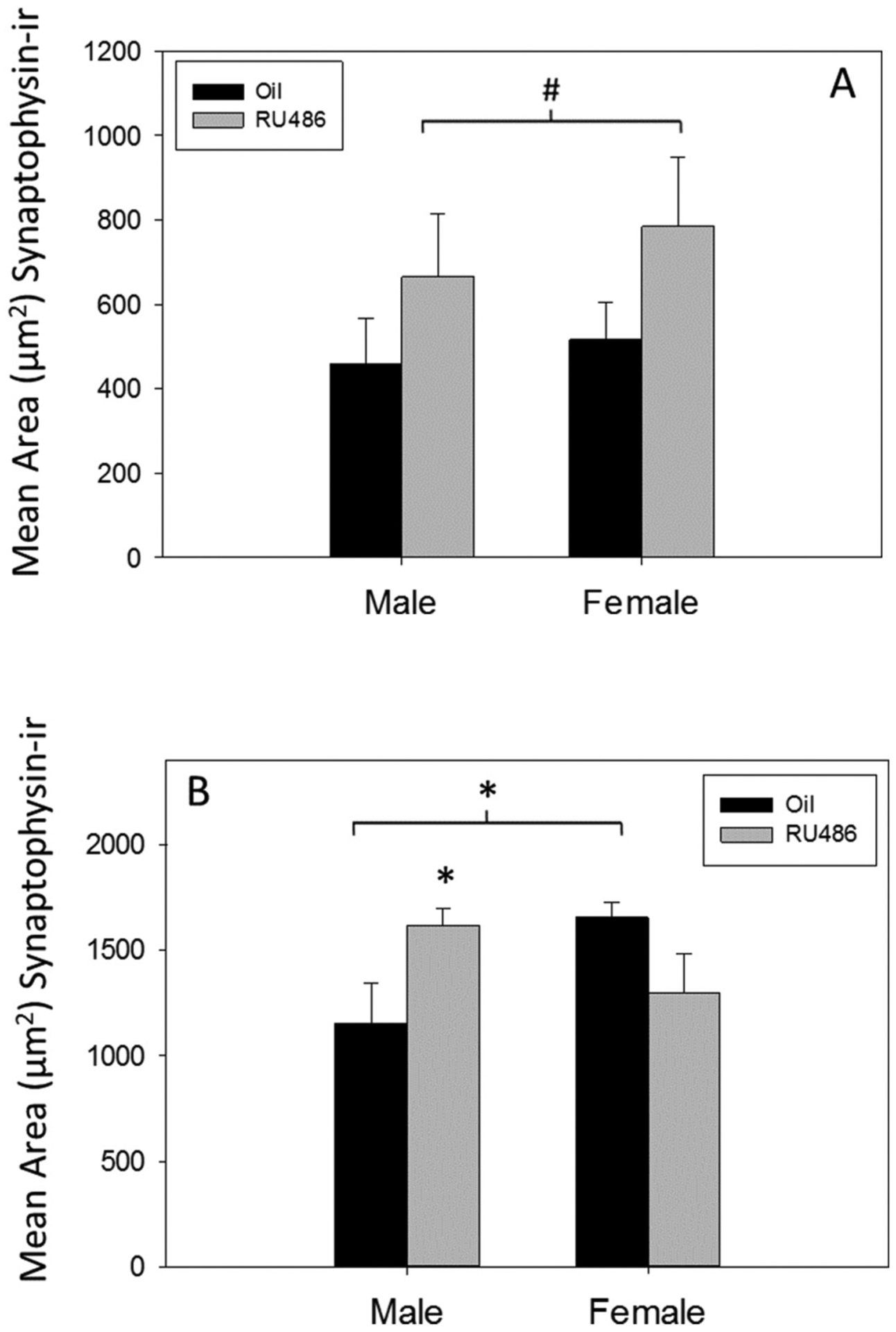
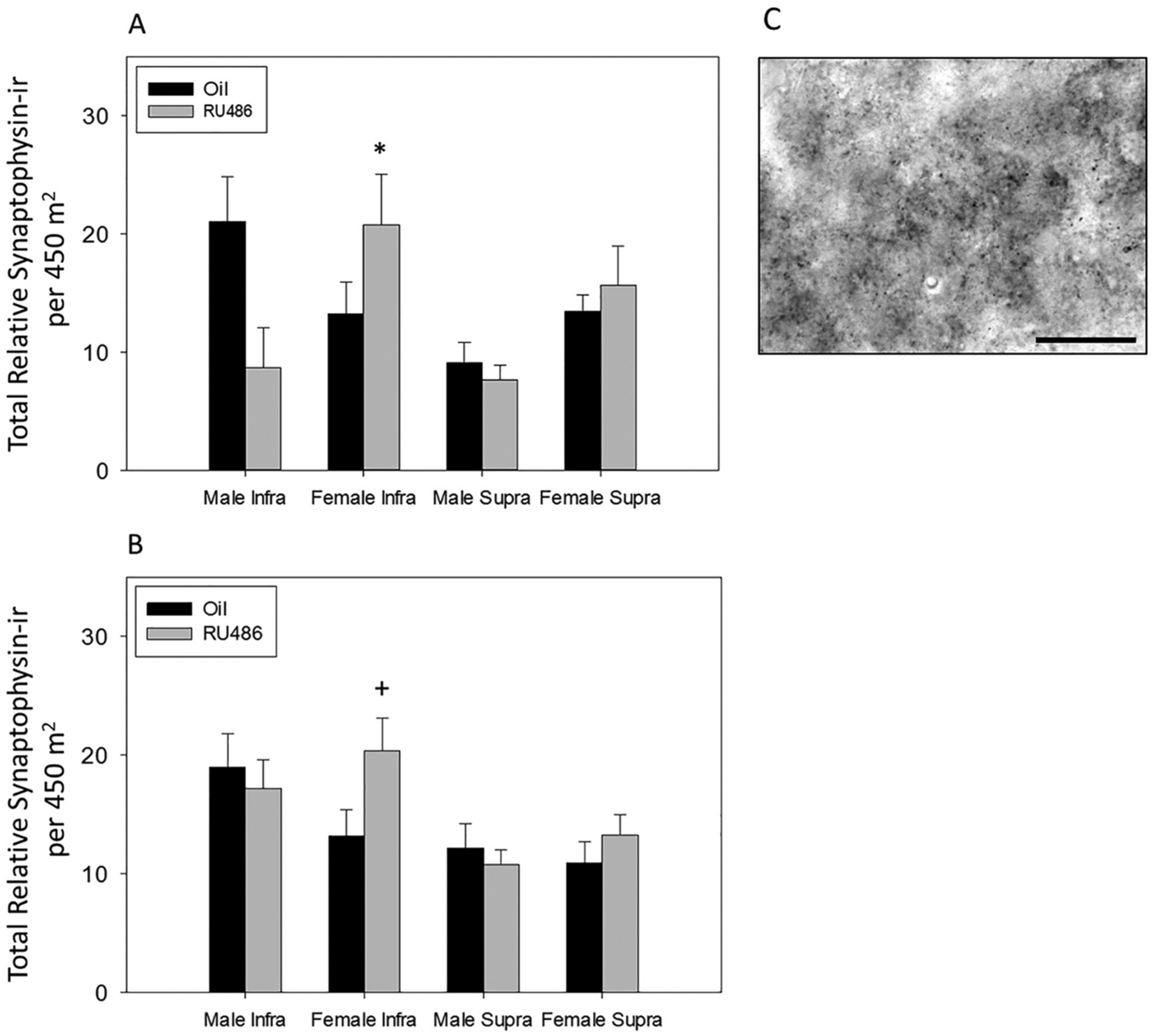
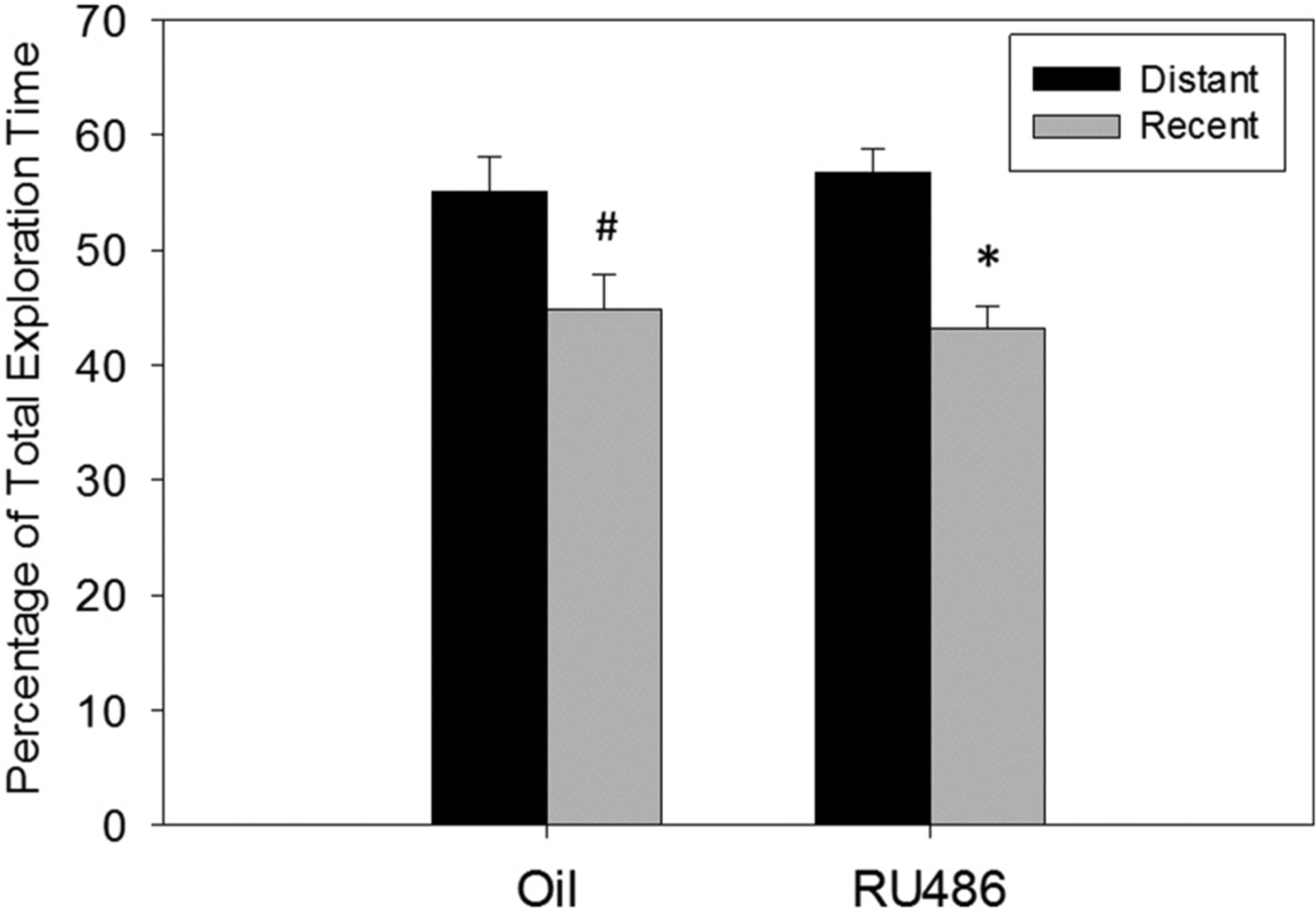
Progesterone receptor (PR) is expressed in Cajal-Retzius (CR) cells of the dentate gyrus (DG) molecular layer during the postnatal period (P1-28), a critical stage of development for the dentate gyrus and its circuitry. CR cells secrete the glycoprotein, reelin, which is required for typical development of the DG and its connections, particularly afferent input from the perforant path. This pathway regulates the processing of sensory information arriving from entorhinal cortex and integrates this information to form episodic memories. To assess the potential role of PR activity on the development of these connections and associated behavior, rats were treated daily from P1 to 7 with the PR antagonist, RU486. RU486 treatment increased the number of reelin-ir cells, suggesting an accumulation of reelin, and implicating PR in the regulation of a principle developmental function of CR cells. RU486 also altered the synaptic bouton marker, synaptophysin-ir, in a sex-specific manner, suggesting a role for PR activity in the development of perforant path innervation of the molecular layer (MOL). Finally, both control and RU486 treated rats spent significantly more time with a temporally distant object in the Relative Recency task, suggesting an intact associative memory for object identity and temporal order in both groups. In contrast, the same RU486 treated rats were impaired in an episodic-like memory task compared to controls, failing to integrate object identity ('what'), time ('when'), and object position ('where'). These findings reveal a novel role for PR in regulating CR cell function within the MOL, thereby altering development of DG connectivity and behavioral function.
孕激素受体(PR)在出生后时期(P1-28)表达于齿状回(DG)分子层的 Cajal-Retzius(CR)细胞中,这是 DG 及其回路发育的关键阶段。CR 细胞分泌糖蛋白 reelin,它是 DG 及其连接正常发育所必需的,特别是来自穿通路径的传入输入。该途径调节来自内嗅皮层的感觉信息的处理,并整合这些信息以形成情景记忆。为了评估 PR 活性对这些连接和相关行为发育的潜在作用,从 P1 到 7 天,每天用 PR 拮抗剂 RU486 处理大鼠。RU486 处理增加了 reelin-ir 细胞的数量,表明 reelin 的积累,并暗示 PR 参与了 CR 细胞的一个主要发育功能的调节。RU486 还以性别特异性的方式改变了突触小泡标记物 synaptophysin-ir,表明 PR 活性在穿通路径对分子层(MOL)的支配的发育中起作用。最后,对照组和 RU486 处理组的大鼠在相对近期任务中都显著花费更多时间与时间上较远的物体在一起,这表明两组大鼠的物体身份和时间顺序的关联记忆完好无损。相比之下,与对照组相比,相同的 RU486 处理的大鼠在类似情景的记忆任务中受损,无法整合物体身份(“什么”)、时间(“何时”)和物体位置(“何处”)。这些发现揭示了 PR 在调节 MOL 内 CR 细胞功能方面的新作用,从而改变了 DG 连接的发育和行为功能。