Center for Reproductive Biology, School of Molecular Biosciences, College of Veterinary Medicine, Washington State University, Pullman, WA 99164, USA.
Int J Mol Sci. 2020 Nov 5;21(21):8280. doi: 10.3390/ijms21218280.
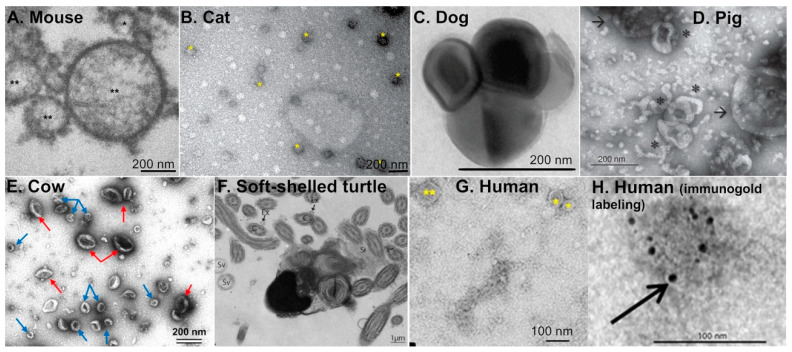
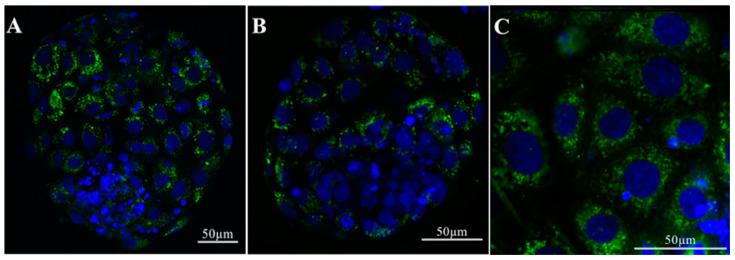
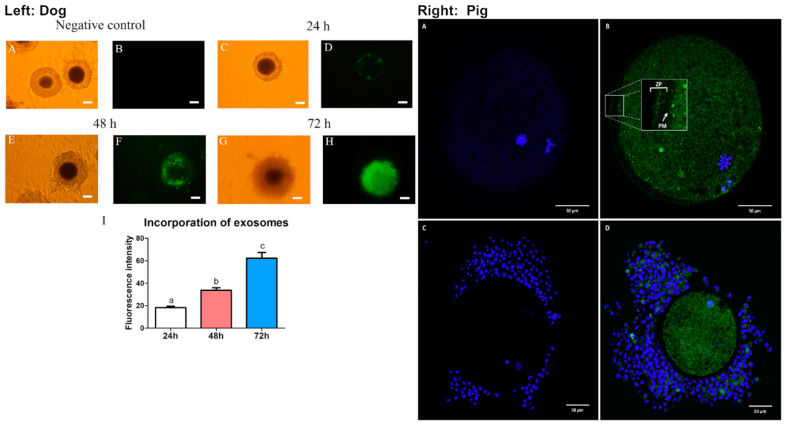
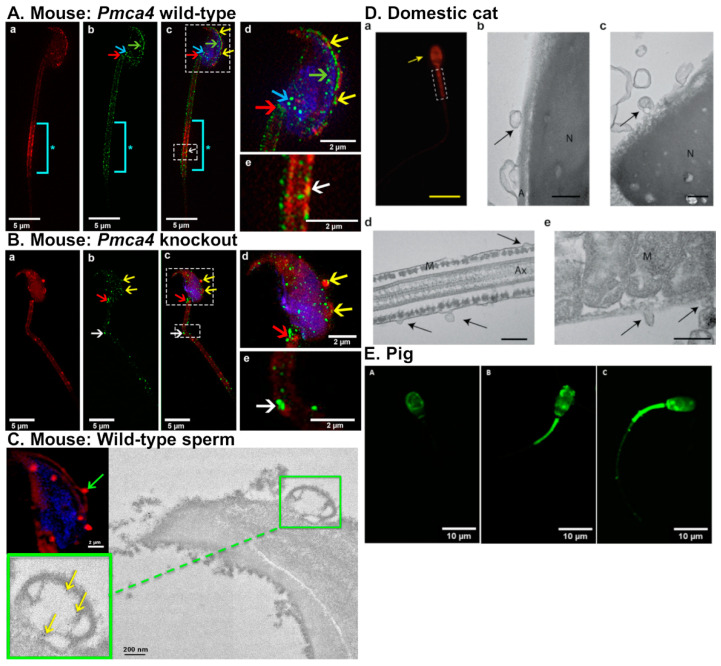
In mammals, the oviduct (or the Fallopian tube in humans) can be divided into the infundibulum (responsible for oocyte pick-up), ampulla (site of fertilization), isthmus (where preimplantation embryos develop), and uterotubal junction (where embryos transit to the uterus). The oviductal fluid, as well as extracellular vesicles produced from the oviduct epithelial cells, referred to as oEVs, have been shown to improve the fertilization process, prevent polyspermy, and aid in embryo development. oEVs contain molecular cargos (such as miRNAs, mRNAs, proteins, and lipids) that can be delivered and fuse to recipient cells. oEVs produced from the ampulla appear to be functionally distinct from those produced from the isthmus. In multiple species including mice, cats, dogs, pigs, and cows, oEVs can be incorporated into the oocytes, sperm, and embryos. In this review, we show the positive impact of oEVs on gamete function as well as blastocyst development and how they may improve embryo quality in in vitro conditions in an assisted reproductive technology setting for rodents, domestic animals, farm animals, and humans.
在哺乳动物中,输卵管(在人类中称为输卵管)可分为漏斗部(负责拾取卵子)、壶腹部(受精部位)、峡部(着床前胚胎发育部位)和输卵管子宫连接部(胚胎向子宫转移的部位)。输卵管液以及由输卵管上皮细胞产生的细胞外囊泡,称为 oEVs,已被证明可改善受精过程、防止多精受精并有助于胚胎发育。oEVs 包含可递送至受体细胞并融合的分子 cargo(如 miRNAs、mRNAs、蛋白质和脂质)。从壶腹部产生的 oEVs 在功能上似乎与从峡部产生的 oEVs 不同。在包括小鼠、猫、狗、猪和牛在内的多种物种中,oEVs 可被整合到卵子、精子和胚胎中。在本综述中,我们展示了 oEVs 对配子功能以及囊胚发育的积极影响,以及它们如何在体外条件下改善辅助生殖技术中小鼠、家畜、农场动物和人类的胚胎质量。