Institute of Brain Science and Disease, Shandong Provincial Key Laboratory of Pathogenesis and Prevention of Neurological Disorders, Shandong Provincial Collaborative Innovation Center for Neurodegenerative Disorders, Qingdao University, Qingdao 266071, China.
Department of Physiology, College of Basic Medicine, Shandong First Medical University & Shandong Academy of Medical Sciences, Jinan 250000, China.
Int J Mol Sci. 2020 Nov 8;21(21):8376. doi: 10.3390/ijms21218376.
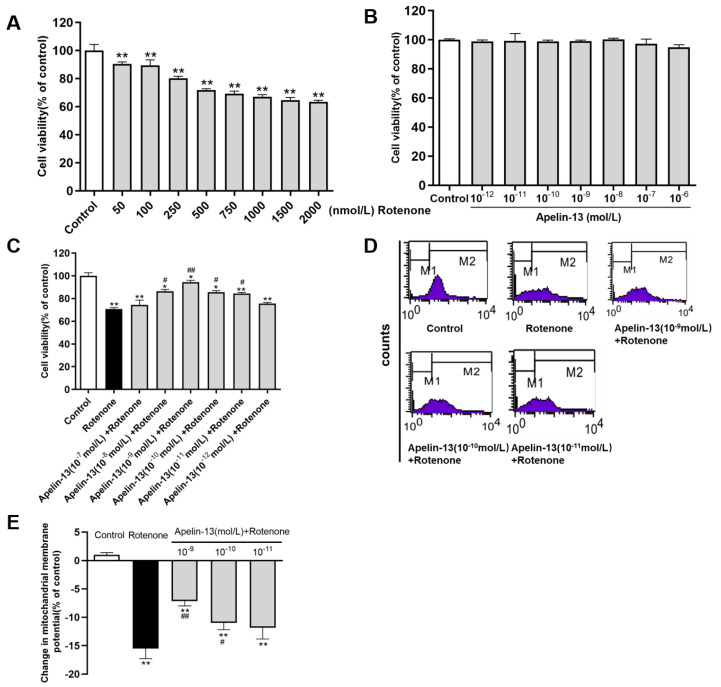
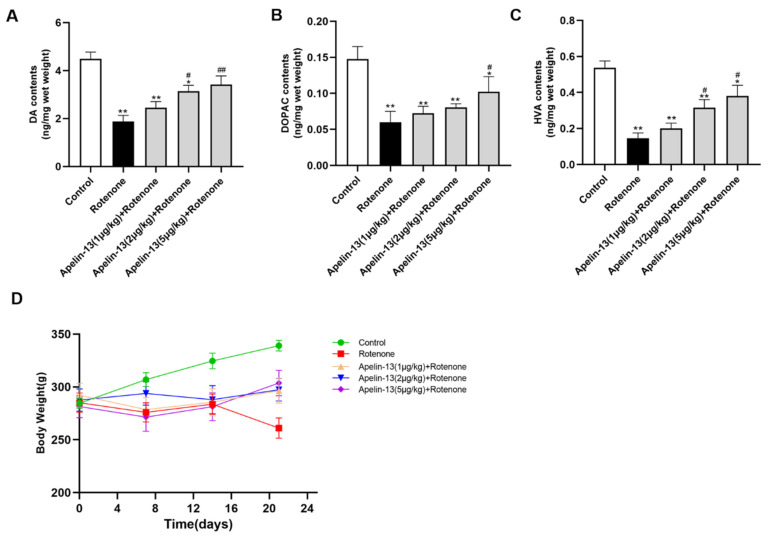
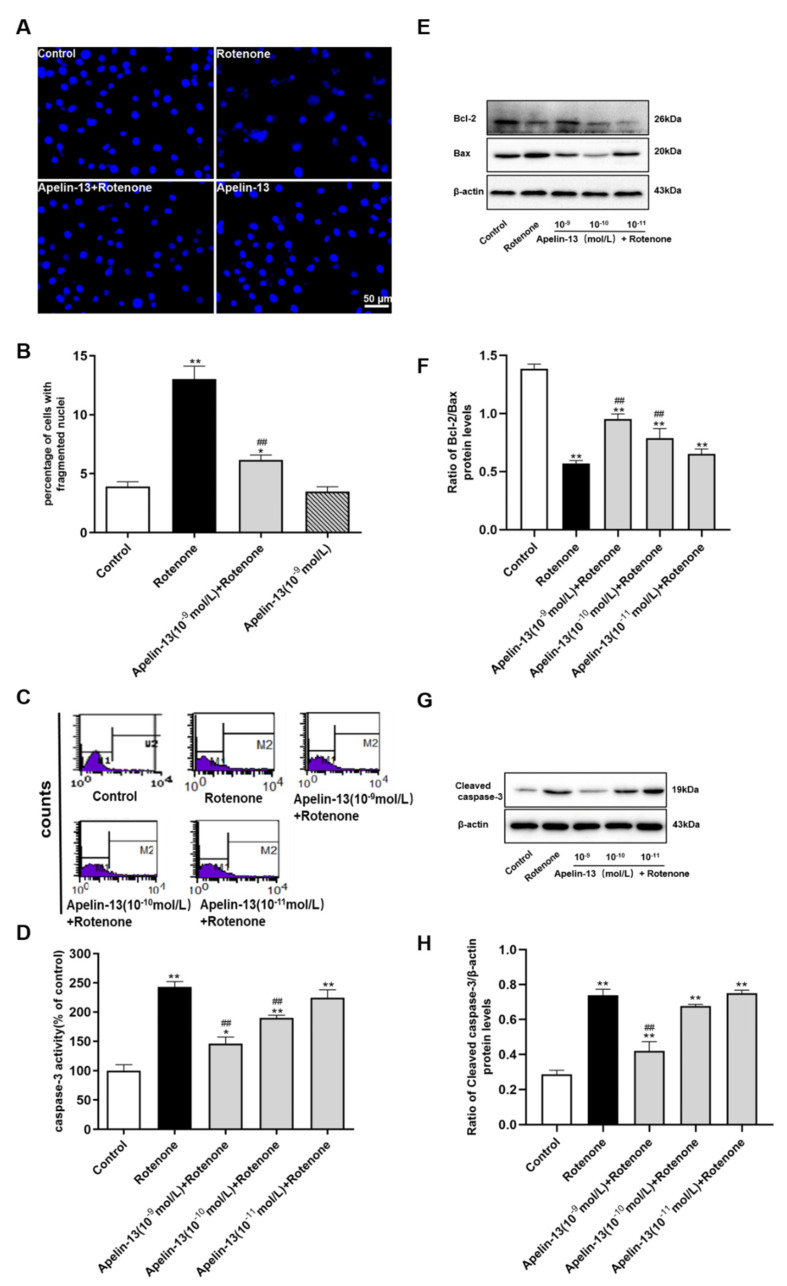
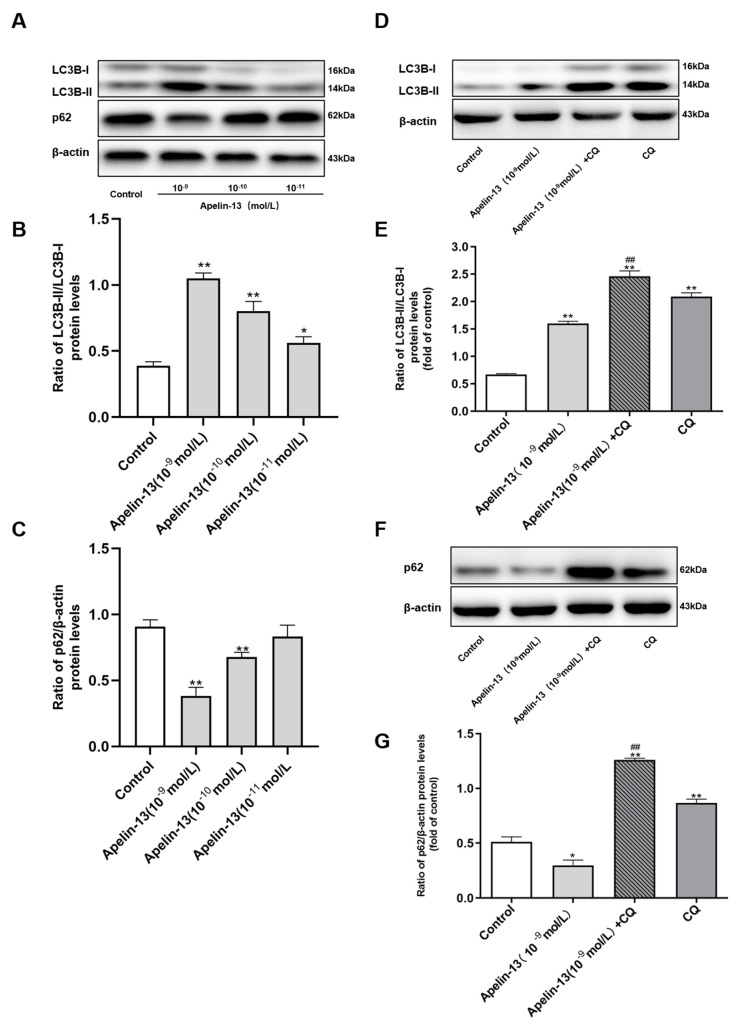
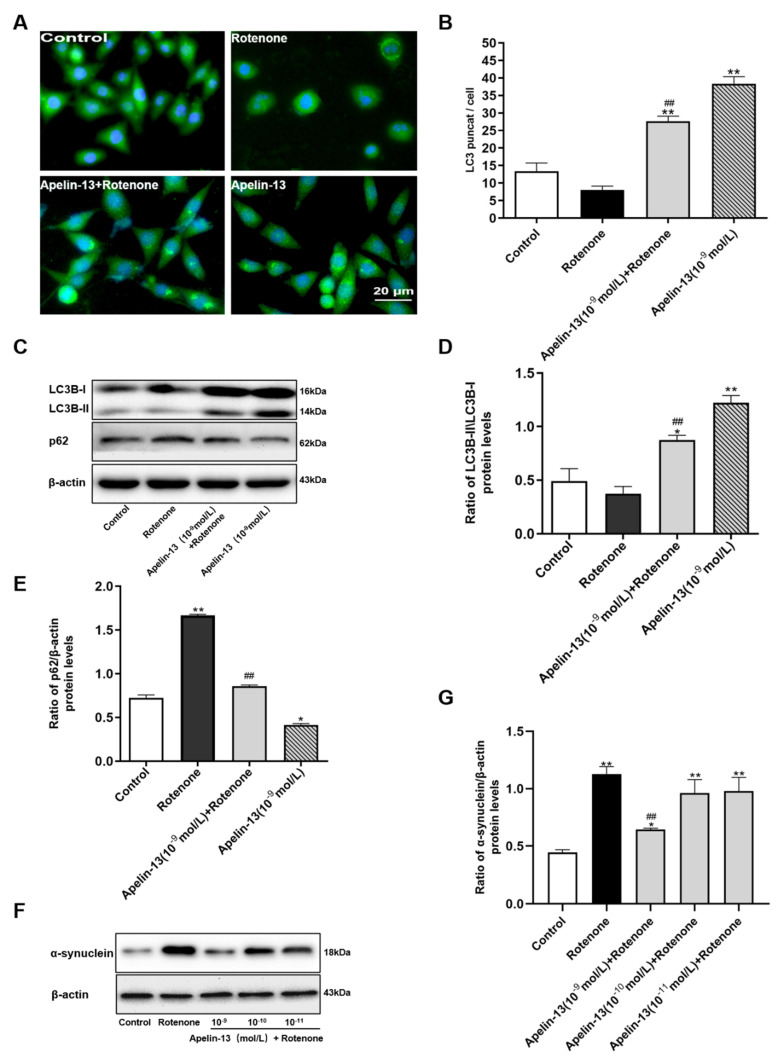
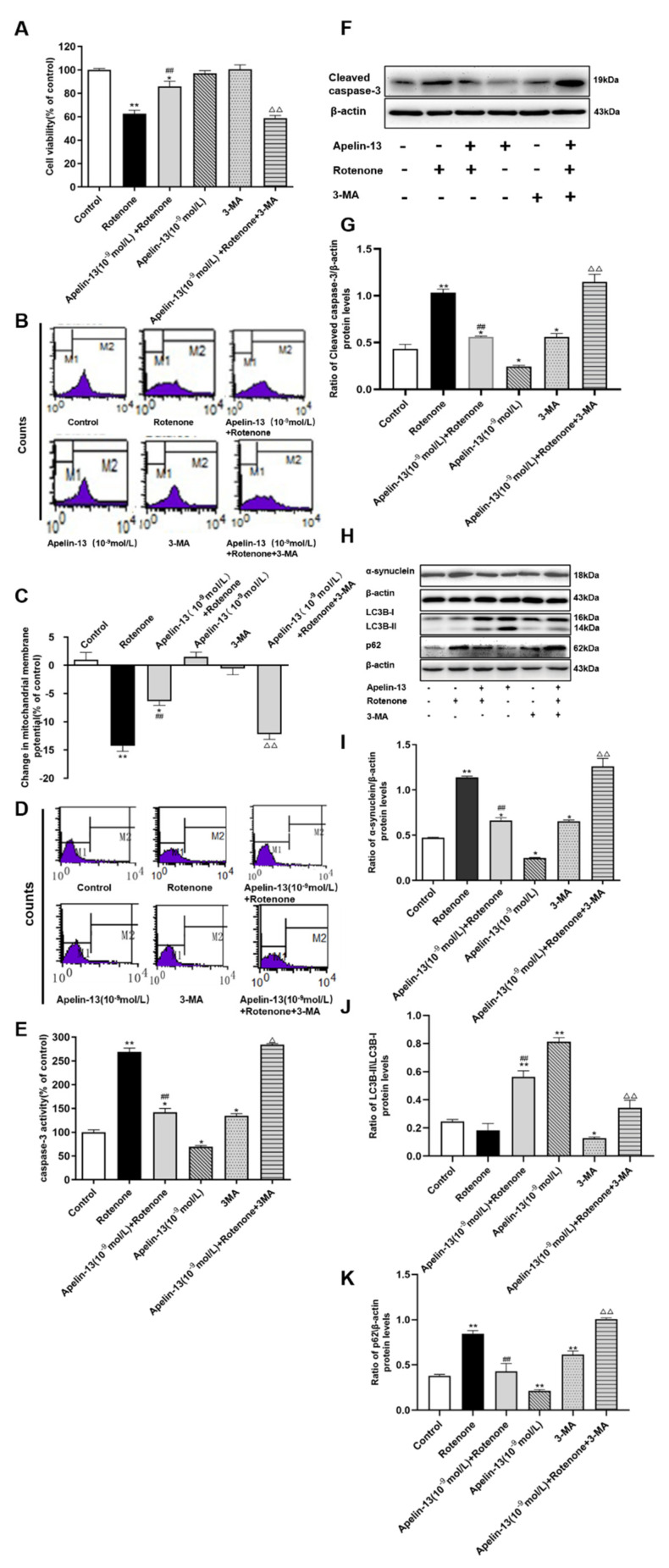
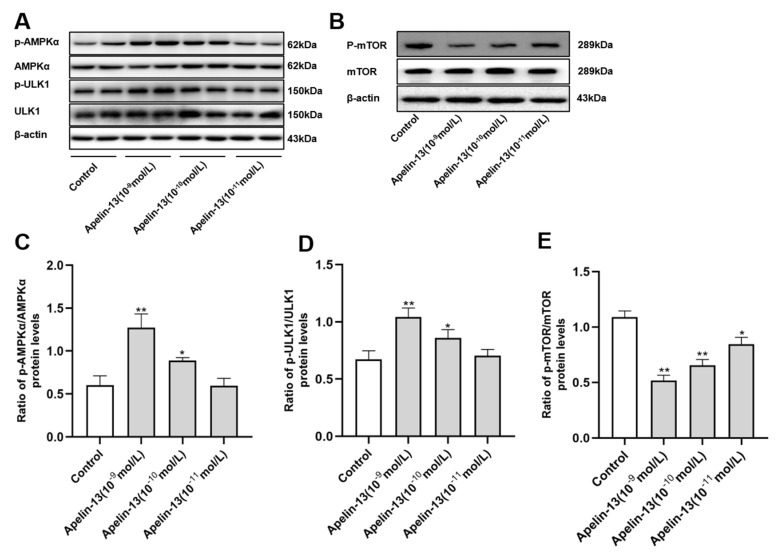
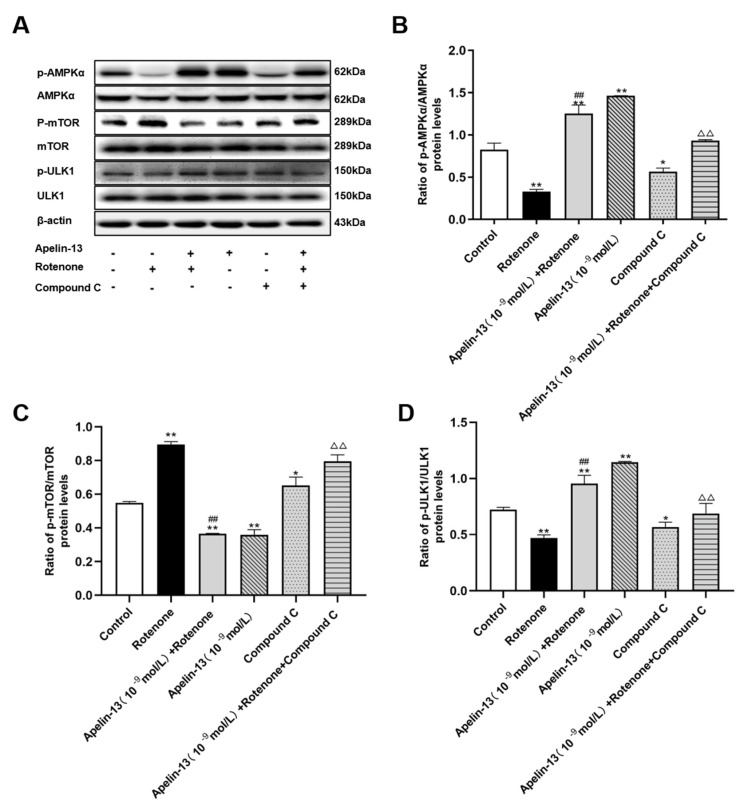
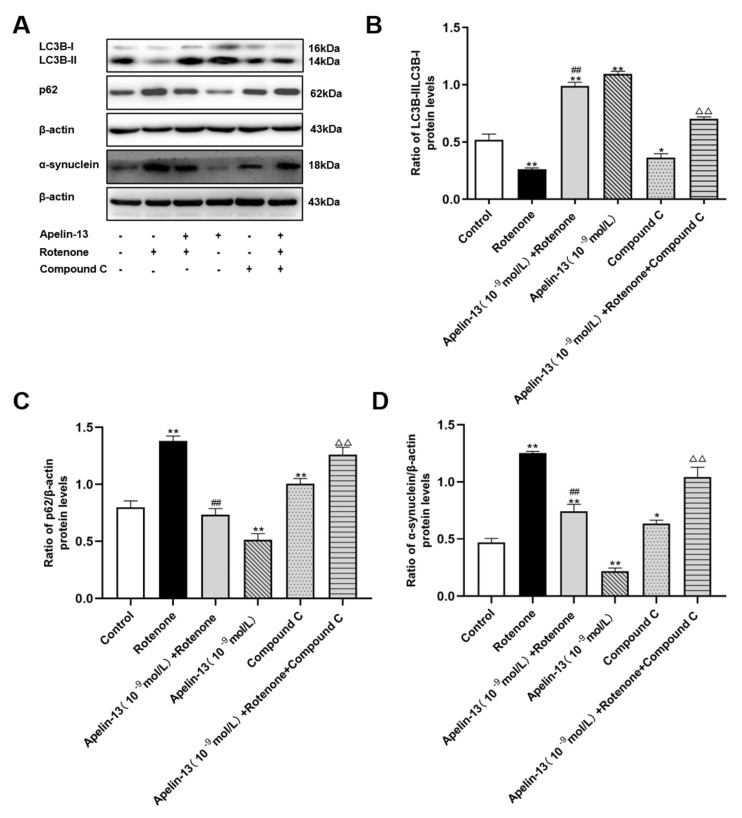
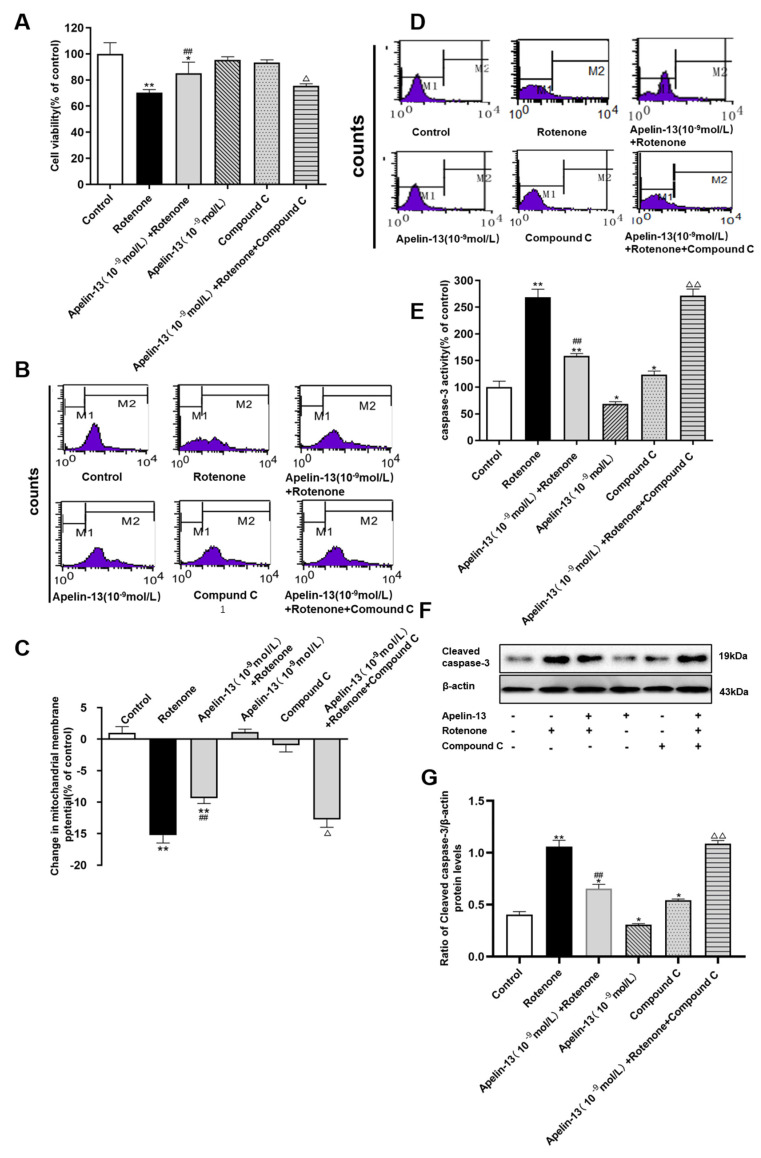
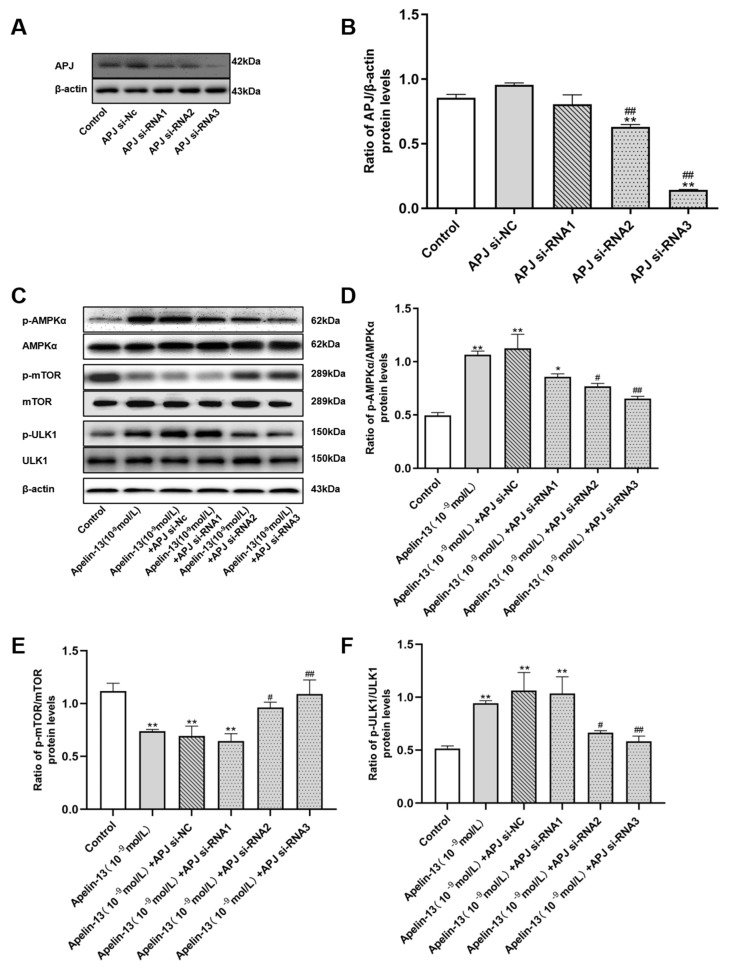
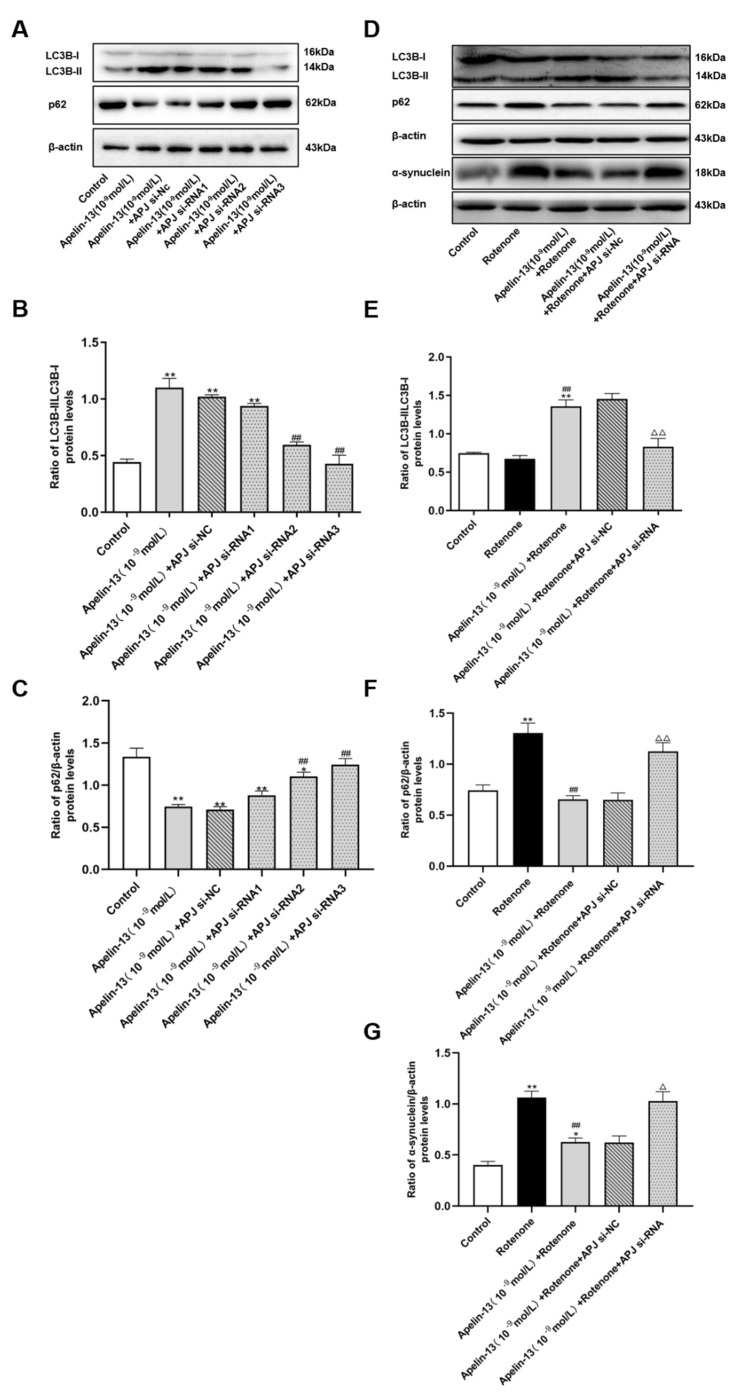
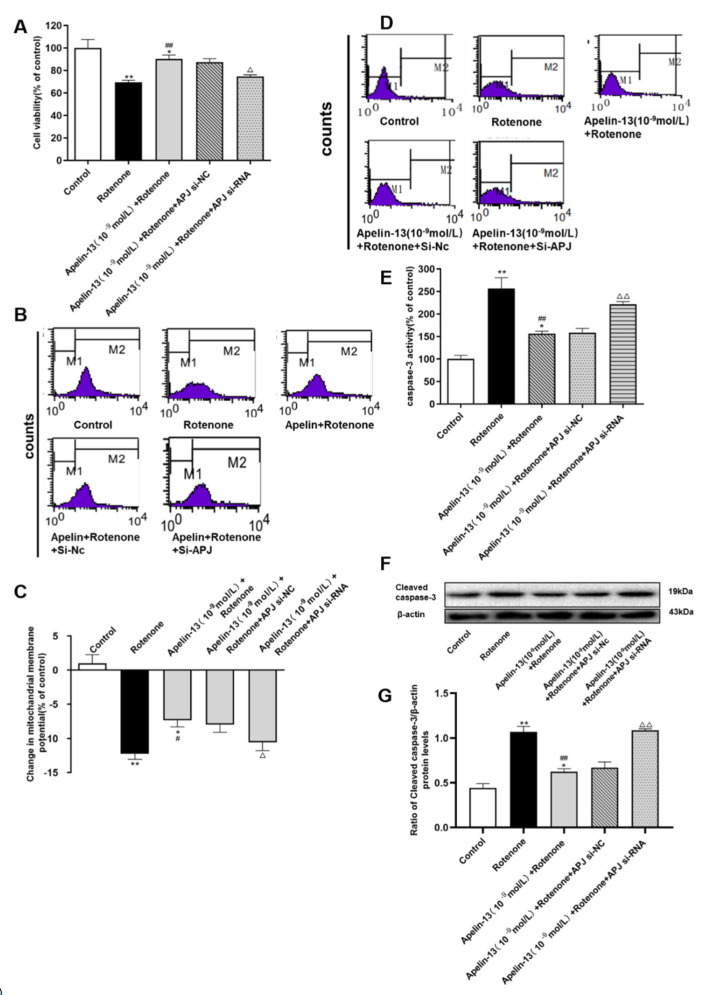
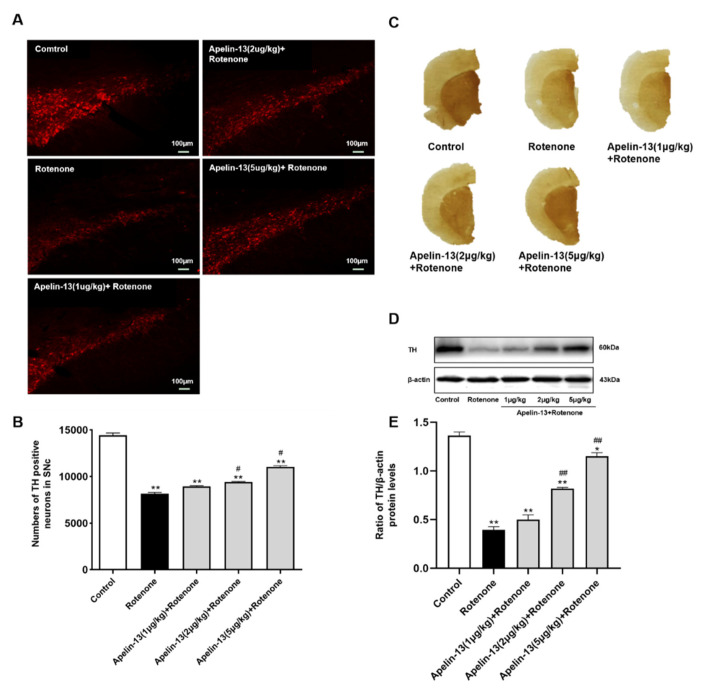
Parkinson's disease (PD) is characterized by the progressive loss of dopaminergic neurons in the substantia nigra pars compacta. Several brain-gut peptides are able to exert neuroprotective effects on the nigrostriatal dopaminergic system. Apelin-13 is a neuropeptide, conveying potential neuroprotective activities. However, whether, and how, apelin-13 could antagonize rotenone-induced neurotoxicity has not yet been elucidated. In the present study, rotenone-treated SH-SY5Y cells and rats were used to clarify whether apelin-13 has protective effects on dopaminergic neurons, both in vivo and in vitro. The results showed that apelin-13 could protect SH-SY5Y cells from rotenone-induced injury and apoptosis. Apelin-13 was able to activate autophagy, and restore rotenone induced autophagy impairment in SH-SY5Y cells, which could be blocked by the autophagy inhibitor 3-Methyladenine. Apelin-13 activated AMPK/mTOR/ULK-1 signaling, AMPKα inhibitor compound C, as well as apelin receptor blockage via siRNA, which could block apelin-13-induced signaling activation, autophagy activation, and protective effects, in rotenone-treated SH-SY5Y cells. These results indicated that apelin-13 exerted neuroprotective properties against rotenone by stimulating AMPK/mTOR/ULK-1 signaling-mediated autophagy via the apelin receptor. We also observed that intracerebroventricular injection of apelin-13 could alleviate nigrostriatal dopaminergic neuron degeneration in rotenone-treated rats. Our findings provide new insights into the mechanism by which apelin-13 might attenuate neurotoxicity in PD.
帕金森病(PD)的特征是黑质致密部多巴胺能神经元进行性丧失。几种脑-肠肽能够对黑质纹状体多巴胺能系统发挥神经保护作用。阿片肽-13 是一种神经肽,具有潜在的神经保护活性。然而,阿片肽-13 是否以及如何拮抗鱼藤酮诱导的神经毒性尚未阐明。在本研究中,使用鱼藤酮处理的 SH-SY5Y 细胞和大鼠来阐明阿片肽-13 是否对多巴胺能神经元具有保护作用,无论是在体内还是体外。结果表明,阿片肽-13 可以保护 SH-SY5Y 细胞免受鱼藤酮诱导的损伤和凋亡。阿片肽-13 能够激活自噬,并恢复鱼藤酮诱导的 SH-SY5Y 细胞自噬损伤,这可以被自噬抑制剂 3-甲基腺嘌呤阻断。阿片肽-13 激活 AMPK/mTOR/ULK-1 信号通路,AMPKα 抑制剂化合物 C 以及通过 siRNA 阻断阿片肽受体,均可阻断阿片肽-13 诱导的信号激活、自噬激活和对鱼藤酮处理的 SH-SY5Y 细胞的保护作用。这些结果表明,阿片肽-13 通过刺激 AMPK/mTOR/ULK-1 信号通路介导的自噬发挥对鱼藤酮的神经保护作用,该通路通过阿片肽受体。我们还观察到,脑室注射阿片肽-13 可以减轻鱼藤酮处理的大鼠黑质纹状体多巴胺能神经元变性。我们的研究结果为阿片肽-13 可能减轻 PD 中神经毒性的机制提供了新的见解。