Center for Integrative Genomics, University of Lausanne, Lausanne, Switzerland.
Department of Neuromuscular Disorders, Queen Square Institute of Neurology, University College London, London, UK.
J Med Genet. 2021 Dec;58(12):815-831. doi: 10.1136/jmedgenet-2020-107015. Epub 2020 Nov 10.
Pathogenic variants of encoding the β subunit of the guanine nucleotide-binding protein cause IDDCA syndrome, an autosomal recessive neurodevelopmental disorder associated with cognitive disability and cardiac arrhythmia, particularly severe bradycardia.
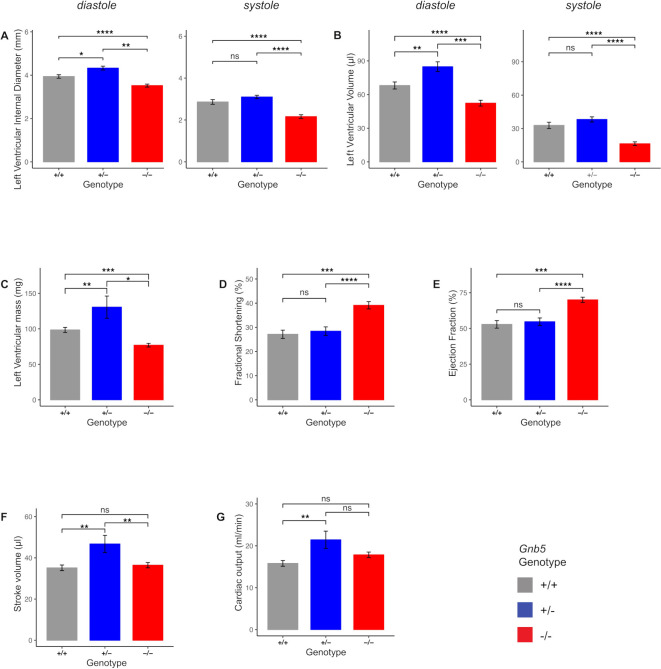
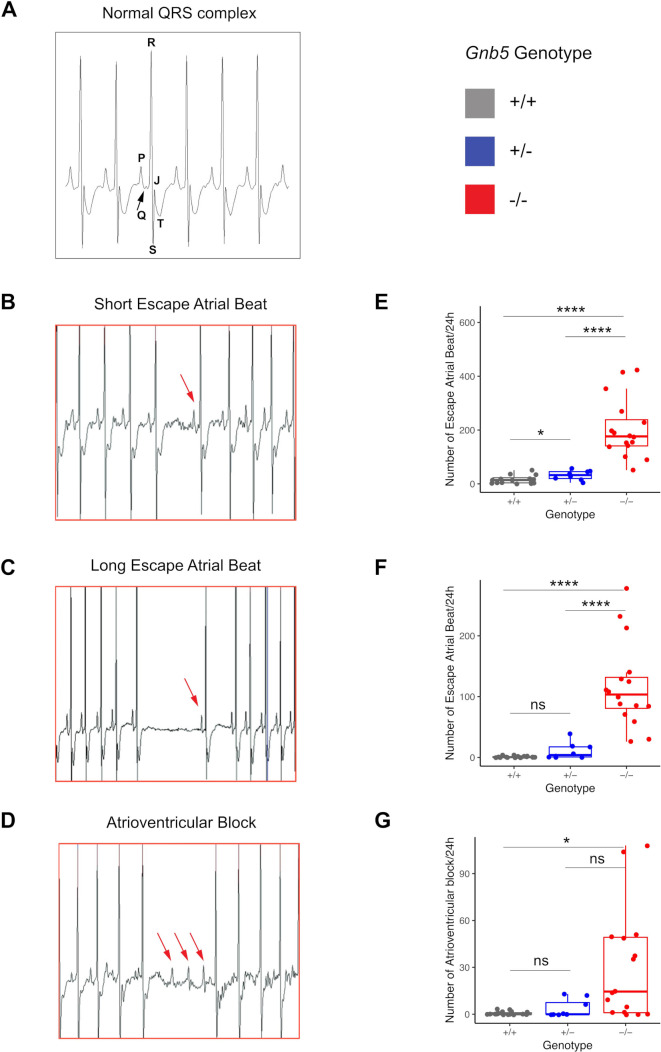
We used echocardiography and telemetric ECG recordings to investigate consequences of loss in mouse.
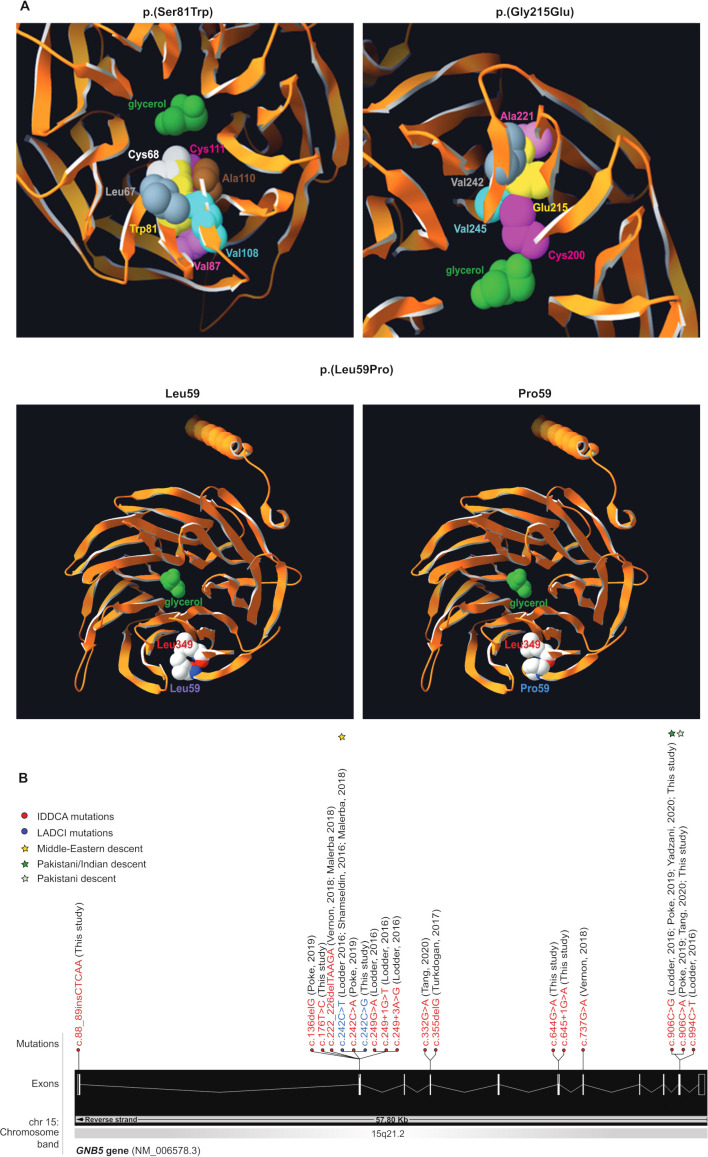
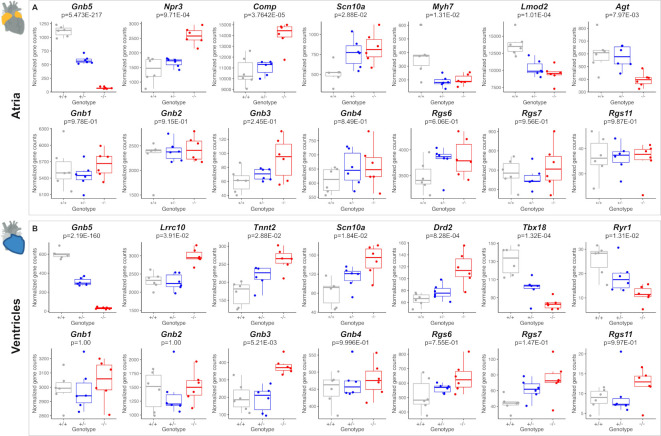
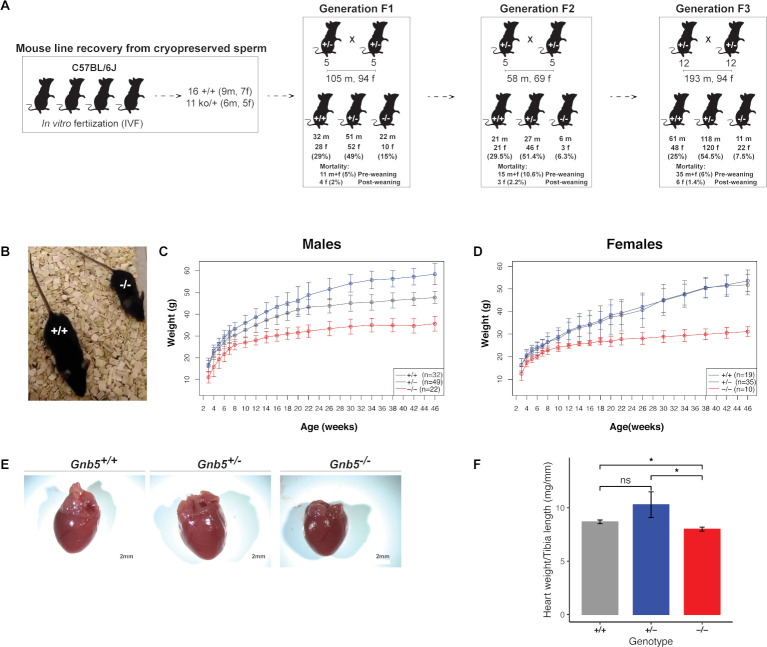
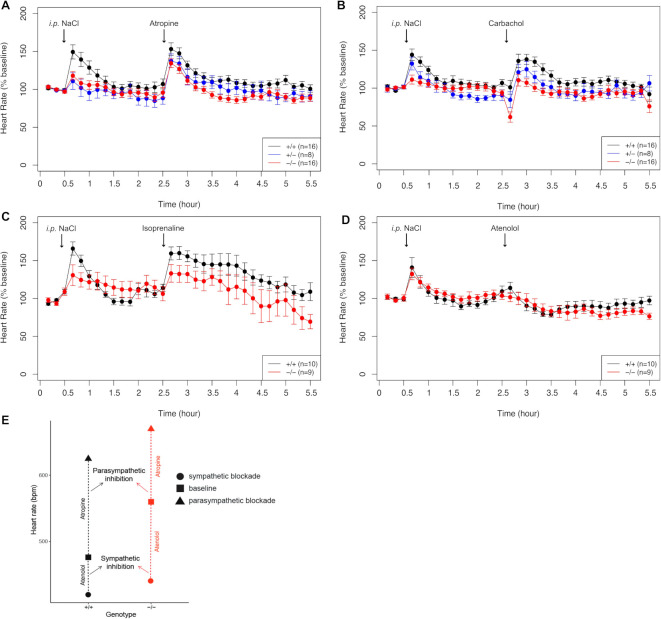
We delineated a key role of in heart sinus conduction and showed that -inhibitory signalling is essential for parasympathetic control of heart rate (HR) and maintenance of the sympathovagal balance. mice were smaller and had a smaller heart than and , but exhibited better cardiac function. Lower autonomic nervous system modulation through diminished parasympathetic control and greater sympathetic regulation resulted in a higher baseline HR in mice. In contrast, mice exhibited profound bradycardia on treatment with carbachol, while sympathetic modulation of the cardiac stimulation was not altered. Concordantly, transcriptome study pinpointed altered expression of genes involved in cardiac muscle contractility in atria and ventricles of knocked-out mice. Homozygous loss resulted in significantly higher frequencies of sinus arrhythmias. Moreover, we described 13 affected individuals, increasing the IDDCA cohort to 44 patients.
Our data demonstrate that loss of negative regulation of the inhibitory G-protein signalling causes HR perturbations in mice, an effect mainly driven by impaired parasympathetic activity. We anticipate that unravelling the mechanism of signalling in the autonomic control of the heart will pave the way for future drug screening.
编码鸟苷酸结合蛋白β亚单位的 基因突变会导致 IDDCA 综合征,这是一种常染色体隐性神经发育障碍,与认知障碍和心律失常有关,特别是严重的心动过缓。
我们使用超声心动图和遥测心电图记录来研究 缺失在小鼠中的后果。
我们描述了 在心脏窦传导中的关键作用,并表明 抑制信号对于心率(HR)的迷走神经控制和交感神经平衡的维持是必不可少的。 小鼠比 和 更小,心脏也更小,但表现出更好的心脏功能。通过降低迷走神经控制和增加交感神经调节,导致 小鼠的基础 HR 更高。相比之下, 小鼠在用卡巴胆碱治疗时表现出明显的心动过缓,而心脏刺激的交感神经调节没有改变。相应地,转录组研究指出,敲除小鼠心房和心室中涉及心肌收缩性的基因表达发生改变。纯合子 缺失导致窦性心律失常的频率显著增加。此外,我们描述了 13 名受影响的个体,将 IDDCA 队列增加到 44 名患者。
我们的数据表明,抑制性 G 蛋白信号转导的负调控缺失会导致 小鼠的 HR 波动,这种效应主要是由迷走神经活动受损驱动的。我们预计,阐明 信号在心脏自主控制中的作用机制将为未来的药物筛选铺平道路。