Viral Recombination Section, HIV Dynamics and Replication Progam, National Cancer Institute, Frederick, Maryland, USA
Viral Recombination Section, HIV Dynamics and Replication Progam, National Cancer Institute, Frederick, Maryland, USA.
mBio. 2020 Nov 10;11(6):e01578-20. doi: 10.1128/mBio.01578-20.
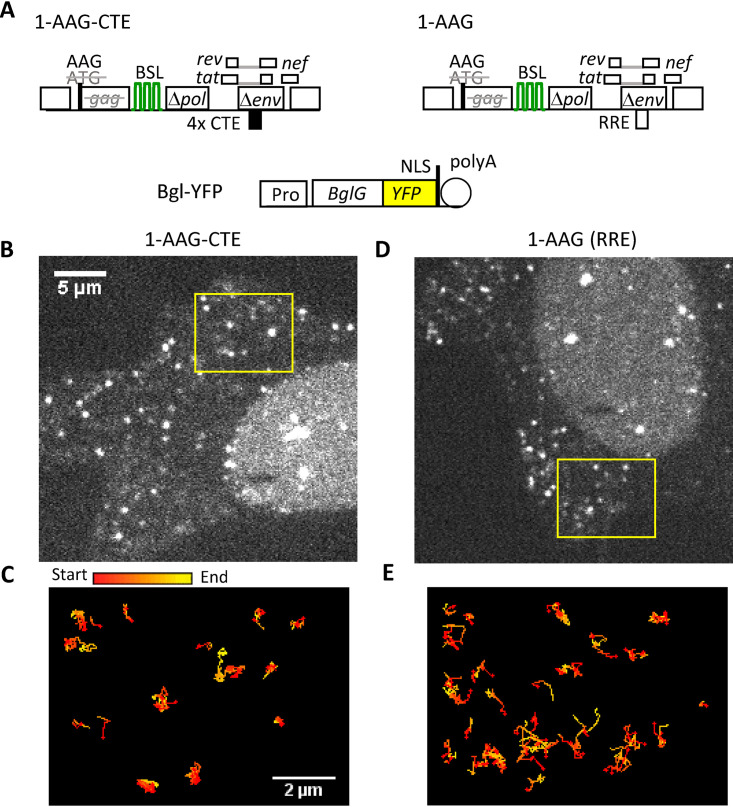
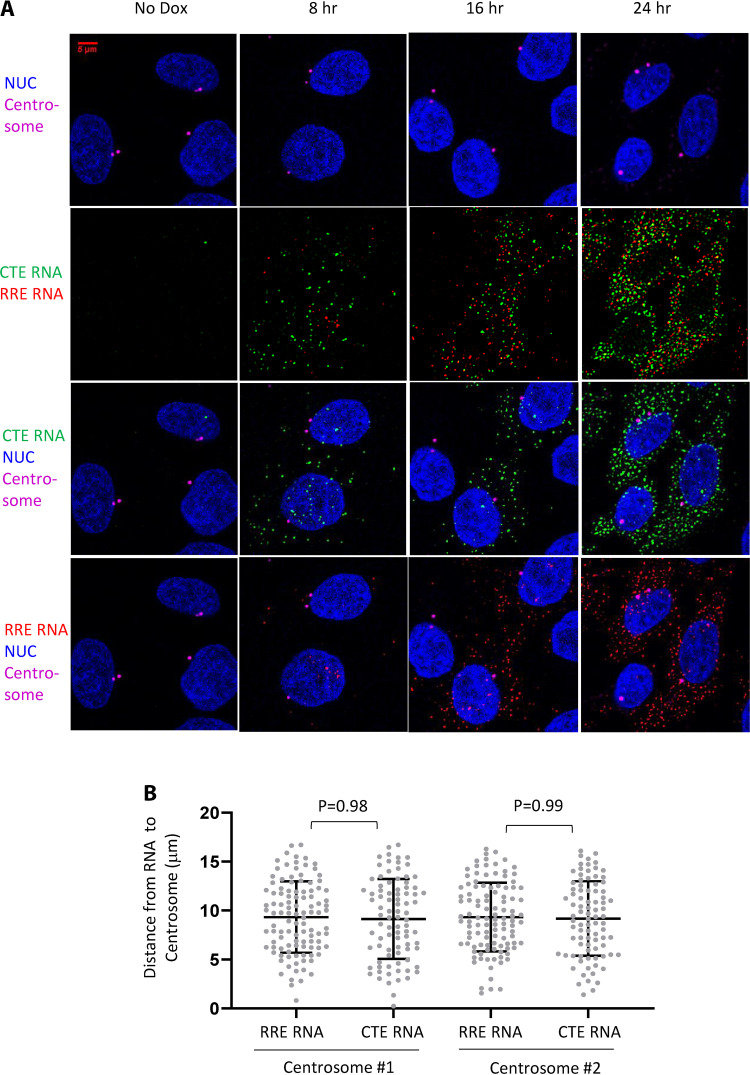
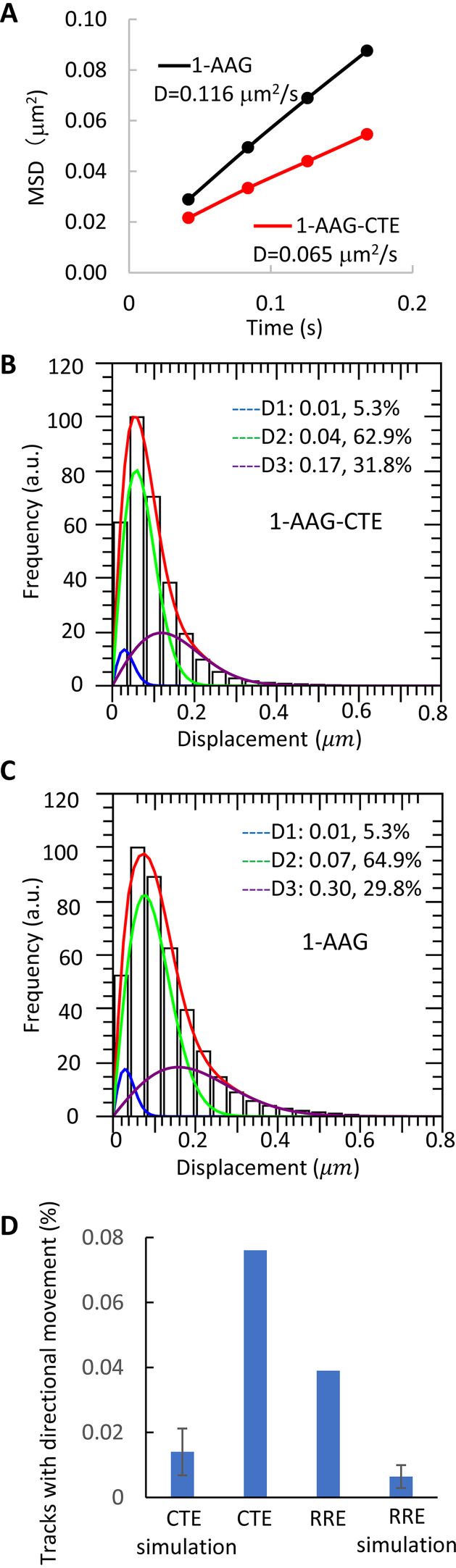
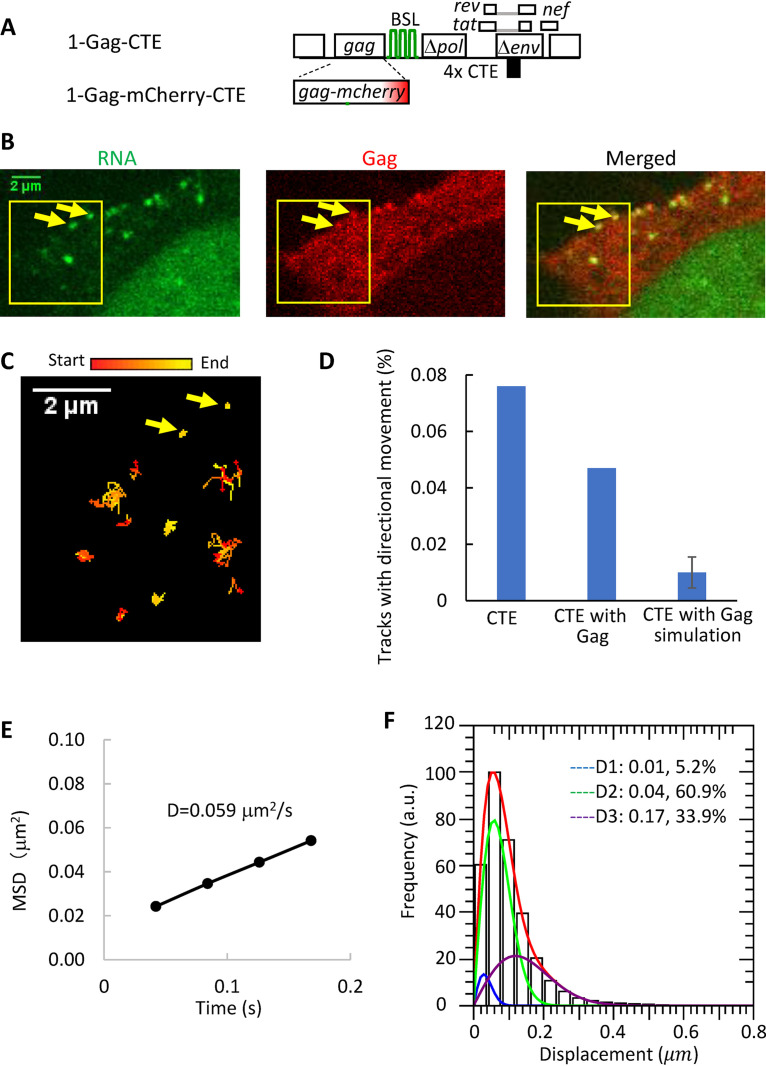
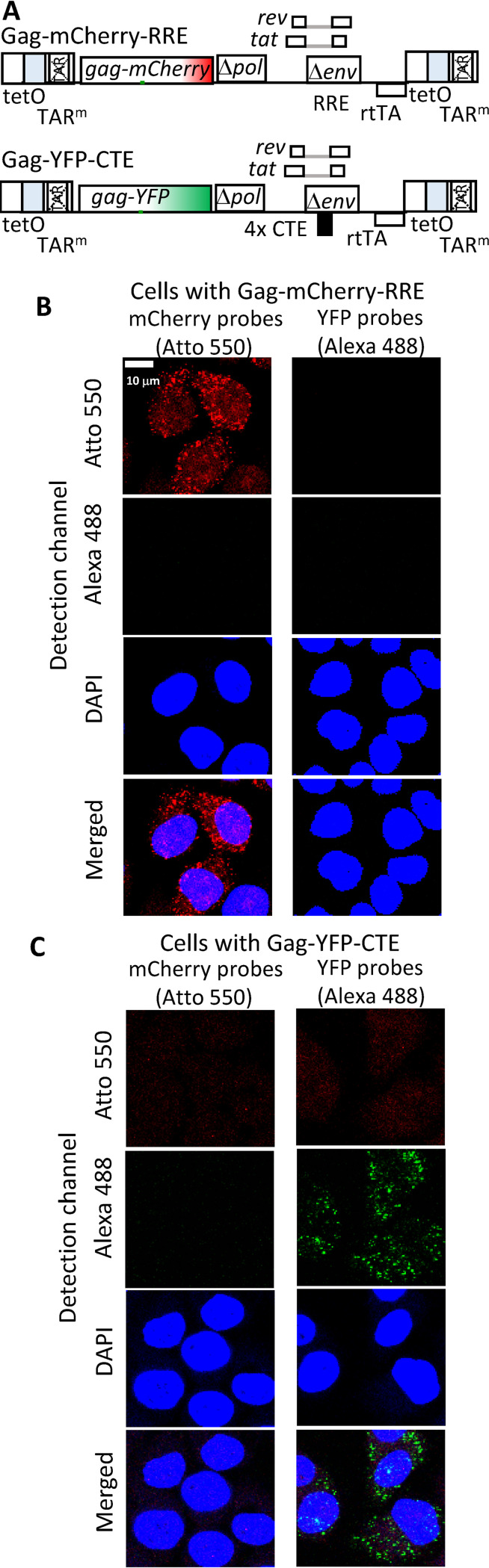
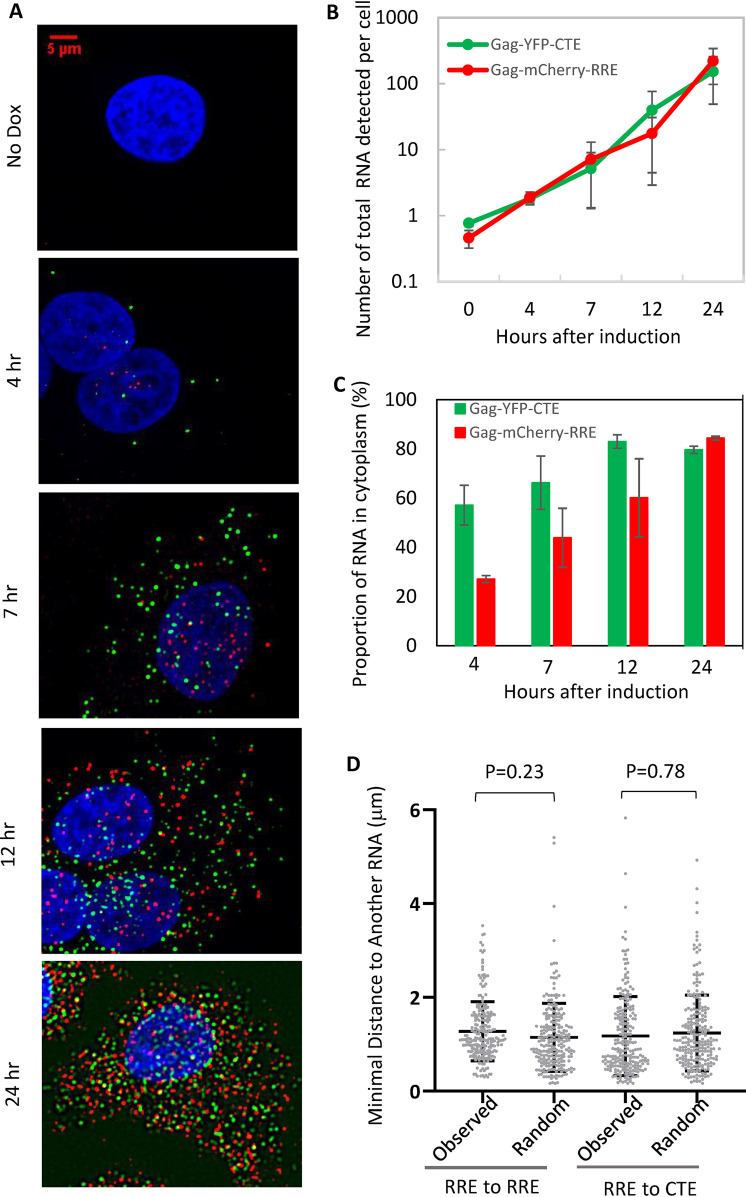
HIV-1 full-length RNA (referred to as HIV-1 RNA here) serves as the viral genome in virions and as a template for Gag/Gag-Pol translation. We previously showed that HIV-1 RNA, which is exported via the CRM1 pathway, travels in the cytoplasm mainly through diffusion. A recent report suggested that the export pathway used by retroviral RNA could affect its cytoplasmic transport mechanism and localization. HIV-1 RNA export is directed by the viral protein Rev and the -acting element, Rev response element (RRE). When Rev/RRE is replaced with the constitutive transport element (CTE) from Mason-Pfizer monkey virus (MPMV), HIV-1 RNA is exported through the NXF1 pathway. To determine the effects of the export pathway on HIV-1 RNA, we tracked individual RNAs and found that the vast majority of cytoplasmic HIV-1 RNAs travel by diffusion regardless of the export pathway. However, CTE-containing HIV-1 RNA diffuses at a rate slower than that of RRE-containing HIV-1 RNA. Using hybridization, we analyzed the subcellular localizations of HIV-1 RNAs in cells expressing a CTE-containing and an RRE-containing provirus. We found that these two types of HIV-1 RNAs have similar subcellular distributions. HIV-1 RNA exported through the NXF1 pathway was suggested to cluster near centrosomes. To investigate this possibility, we measured the distances between individual RNAs to the centrosomes and found that HIV-1 RNAs exported through different pathways do not exhibit significantly different distances to centrosomes. Therefore, HIV-1 RNAs exported through CRM1 and NXF1 pathways use the same RNA transport mechanism and exhibit similar cytoplasmic distributions. The unspliced HIV-1 full-length RNA (HIV-1 RNA) is packaged into virions as the genome and is translated to generate viral structural proteins and enzymes. To serve these functions, HIV-1 RNA must be exported from the nucleus to the cytoplasm. It was recently suggested that export pathways used by HIV-1 RNA could affect its cytoplasmic transport mechanisms and distribution. In the current report, we examined the HIV-1 RNA transport mechanism by following the movement of individual RNAs and identifying the distribution of RNA using hybridization. Our results showed that whether exported by the CRM1 or NXF1 pathway, HIV-1 RNAs mainly use diffusion for cytoplasmic travel. Furthermore, HIV-1 RNAs exported using the CRM1 or NXF1 pathway are well mixed in the cytoplasm and do not display export pathway-specific clustering near centrosomes. Thus, the export pathways used by HIV-1 RNAs do not alter the cytoplasmic transport mechanisms or distribution.
HIV-1 全长 RNA(这里称为 HIV-1 RNA)作为病毒基因组存在于病毒粒子中,并作为 Gag/Gag-Pol 翻译的模板。我们之前已经表明,通过 CRM1 途径输出的 HIV-1 RNA 主要通过扩散在细胞质中移动。最近的一份报告表明,逆转录病毒 RNA 所使用的输出途径可能会影响其细胞质运输机制和定位。HIV-1 RNA 的输出由病毒蛋白 Rev 和辅助作用元件,Rev 反应元件(RRE)指导。当 Rev/RRE 被来自猕猴病毒(MPMV)的组成型转运元件(CTE)取代时,HIV-1 RNA 通过 NXF1 途径输出。为了确定输出途径对 HIV-1 RNA 的影响,我们跟踪了单个 RNA,并发现无论输出途径如何,绝大多数细胞质 HIV-1 RNA 都是通过扩散移动的。然而,含有 CTE 的 HIV-1 RNA 的扩散速度比含有 RRE 的 HIV-1 RNA 慢。通过杂交,我们分析了表达含有 CTE 和含有 RRE 的前病毒的细胞中 HIV-1 RNA 的亚细胞定位。我们发现这两种类型的 HIV-1 RNA 具有相似的亚细胞分布。通过 NXF1 途径输出的 HIV-1 RNA 被建议聚集在中心体附近。为了研究这种可能性,我们测量了单个 RNA 与中心体的距离,发现通过不同途径输出的 HIV-1 RNA 与中心体的距离没有显著差异。因此,通过 CRM1 和 NXF1 途径输出的 HIV-1 RNA 使用相同的 RNA 转运机制,并表现出相似的细胞质分布。未剪接的 HIV-1 全长 RNA(HIV-1 RNA)作为基因组被包装到病毒粒子中,并被翻译以产生病毒结构蛋白和酶。为了发挥这些功能,HIV-1 RNA 必须从核内输出到细胞质。最近有人提出,HIV-1 RNA 使用的输出途径可能会影响其细胞质运输机制和分布。在本报告中,我们通过跟踪单个 RNA 的运动并使用杂交来识别 RNA 的分布,研究了 HIV-1 RNA 的运输机制。我们的结果表明,无论通过 CRM1 还是 NXF1 途径输出,HIV-1 RNA 主要通过扩散在细胞质中移动。此外,通过 CRM1 或 NXF1 途径输出的 HIV-1 RNA 在细胞质中很好地混合,并且不在中心体附近显示出特定于输出途径的聚集。因此,HIV-1 RNA 使用的输出途径不会改变细胞质运输机制或分布。