Frontiers in Bioscience Research Institute in Aging and Cancer, Irvine, CA, United States of America.
PLoS One. 2020 Nov 12;15(11):e0241685. doi: 10.1371/journal.pone.0241685. eCollection 2020.
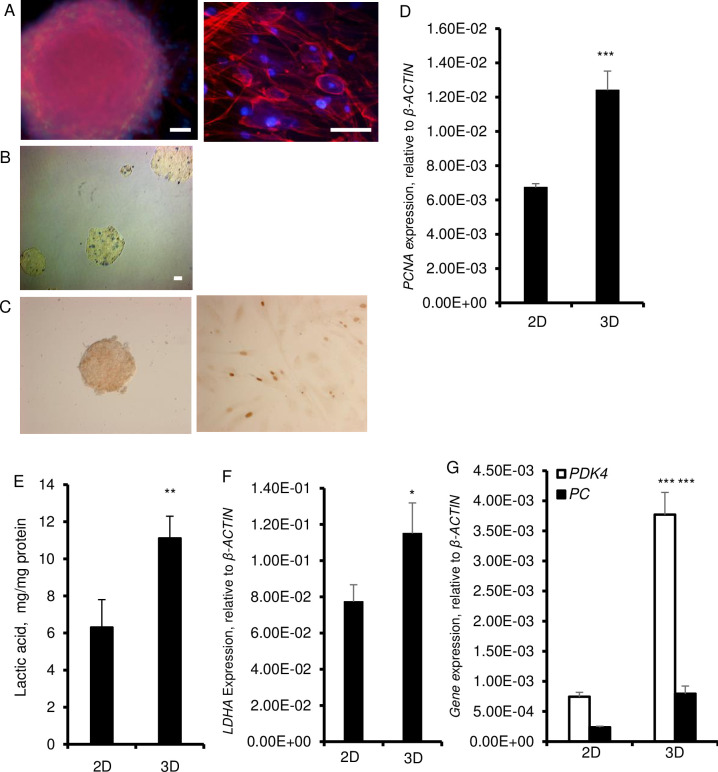
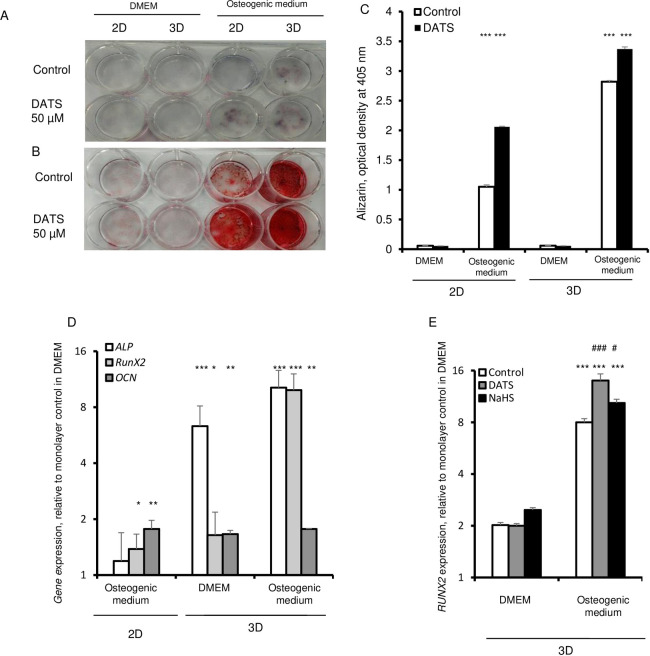
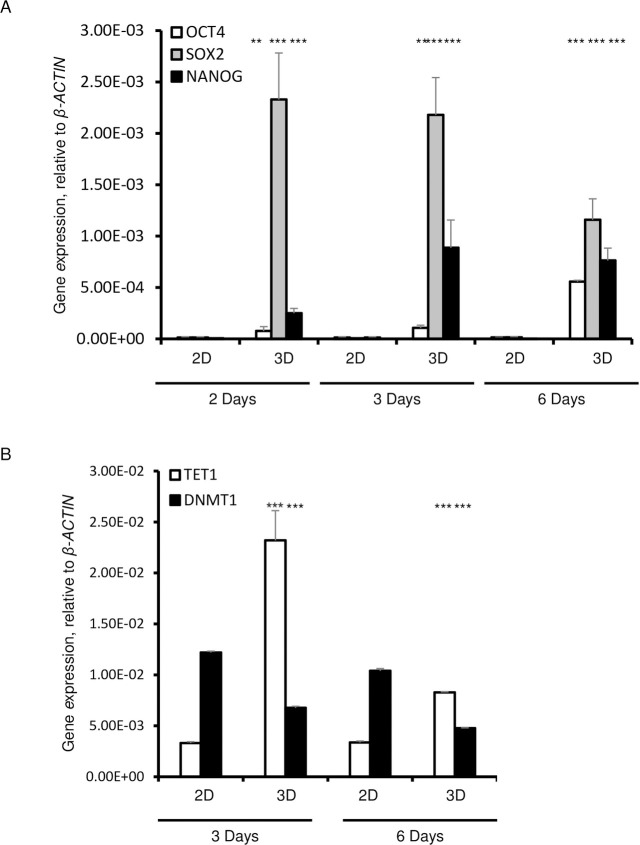
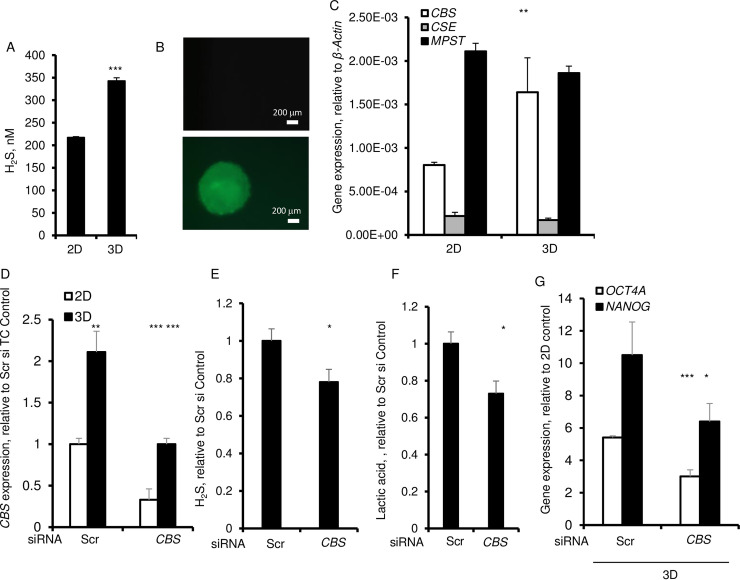
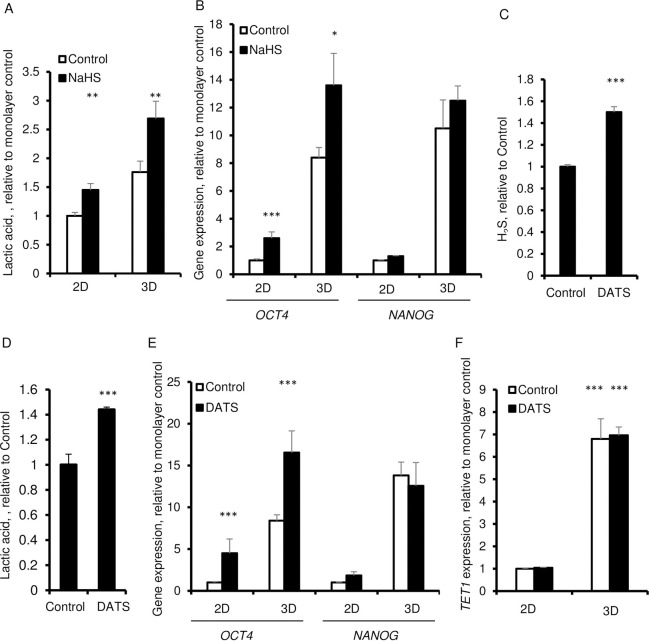
The efficiency of cell reprogramming in two-dimensional (2D) cultures is limited. Given that cellular stemness is intimately related to microenvironmental changes, 3D cell cultures have the potential of overcoming this limited capacity by allowing cells to self-organize by aggregation. In 3D space, cells interact more efficiently, modify their cellular topology, gene expression, signaling, and metabolism. It is yet not clear as how 3D culture environments modify the reprogramming potential of fibroblasts. We demonstrate that 3D spheroids from dermal fibroblasts formed under ultra-low attachment conditions showed increased lactate production. This is a requisite for cell reprogramming, increase their expression of pluripotency genes, such as OCT4, NANOG and SOX2, and display upregulated cystathionine-β-synthase (CBS) and hydrogen sulfide (H2S) production. Knockdown of CBS by RNAi suppresses lactic acid and H2S production and concomitantly decreases the expression of OCT4 and NANOG. On the contrary, H2S donors, NaHS and garlic-derived diallyl trisulfide (DATS), promote the expression of OCT4, and support osteogenic trans-differentiation of fibroblasts. These results demonstrate that CBS mediated release of H2S regulates the reprogramming of dermal fibroblasts grown in 3D cultures and supports their trans-differentiation.
二维(2D)培养中的细胞重编程效率有限。鉴于细胞干性与微环境变化密切相关,3D 细胞培养通过允许细胞通过聚集自组织,有可能克服这种有限的能力。在 3D 空间中,细胞更有效地相互作用,改变它们的细胞拓扑结构、基因表达、信号转导和代谢。目前尚不清楚 3D 培养环境如何改变成纤维细胞的重编程潜力。我们证明,在超低附着条件下形成的真皮成纤维细胞 3D 球体显示出增加的乳酸产生。这是细胞重编程的必要条件,增加其多能性基因,如 OCT4、NANOG 和 SOX2 的表达,并显示上调胱硫醚-β-合酶(CBS)和硫化氢(H2S)的产生。通过 RNAi 敲低 CBS 抑制乳酸和 H2S 的产生,并同时降低 OCT4 和 NANOG 的表达。相反,H2S 供体 NaHS 和大蒜衍生的二烯丙基三硫化物(DATS)促进 OCT4 的表达,并支持成纤维细胞的成骨转分化。这些结果表明,CBS 介导的 H2S 释放调节在 3D 培养中生长的真皮成纤维细胞的重编程,并支持其转分化。