Mandal Paulami, De Debojyoti, Im Dong Uk, Um Sung Hee, Kim Kyeong Kyu
Department of Precision Medicine, Sungkyunkwan University School of Medicine, Suwon 16419, Korea.
Department of Biotechnology, National Institute of Technology, Durgapur 713209, India.
Biomedicines. 2020 Nov 9;8(11):485. doi: 10.3390/biomedicines8110485.
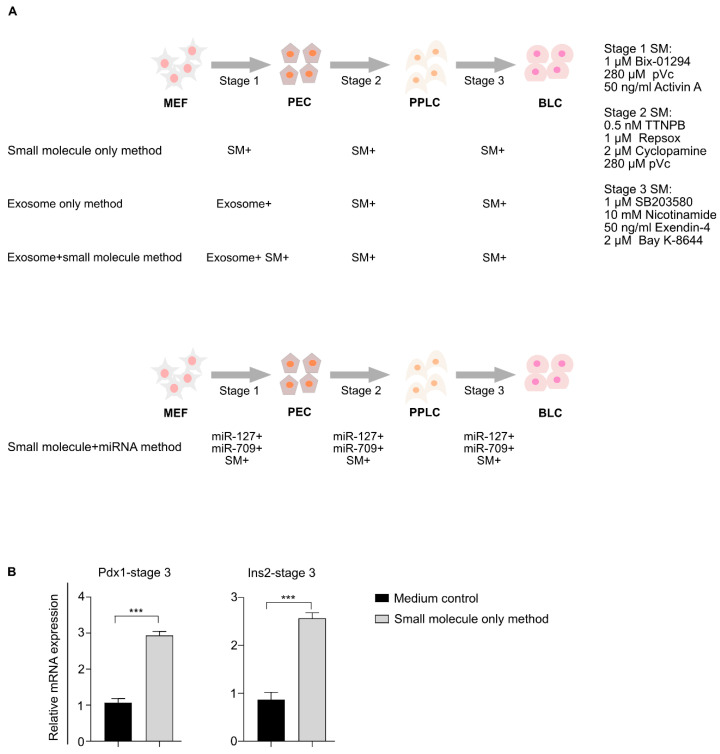
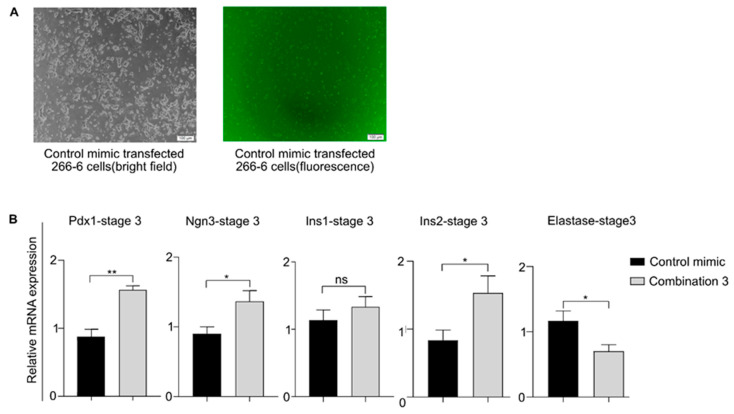
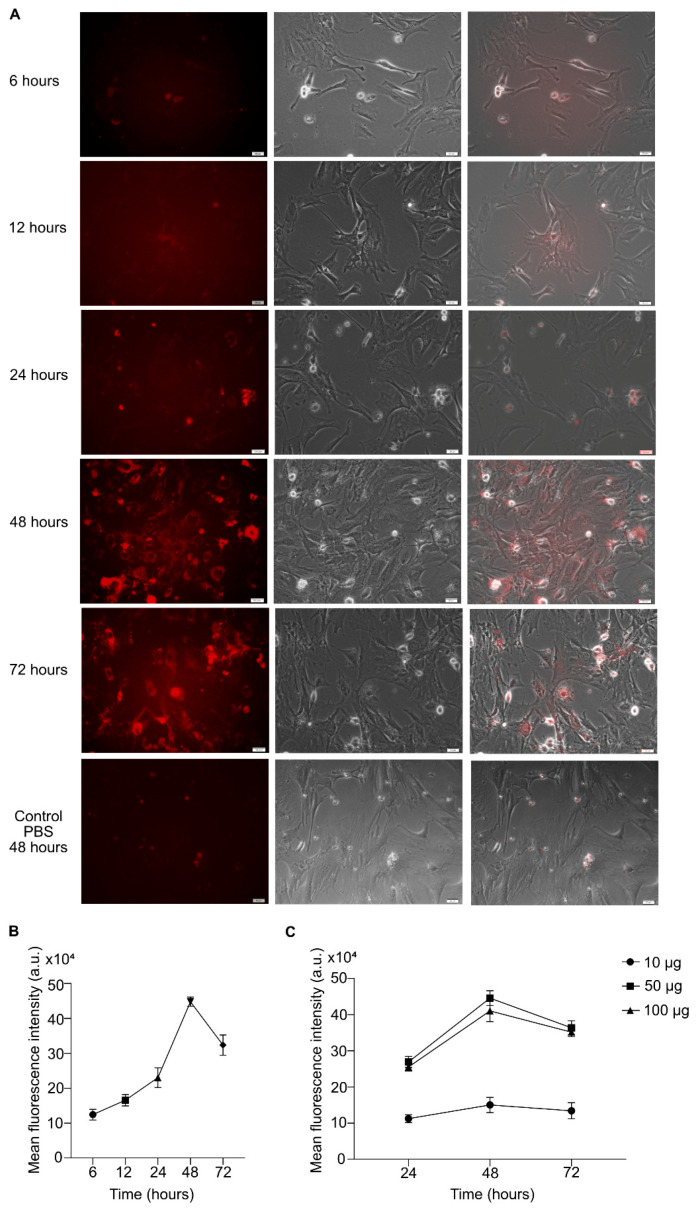
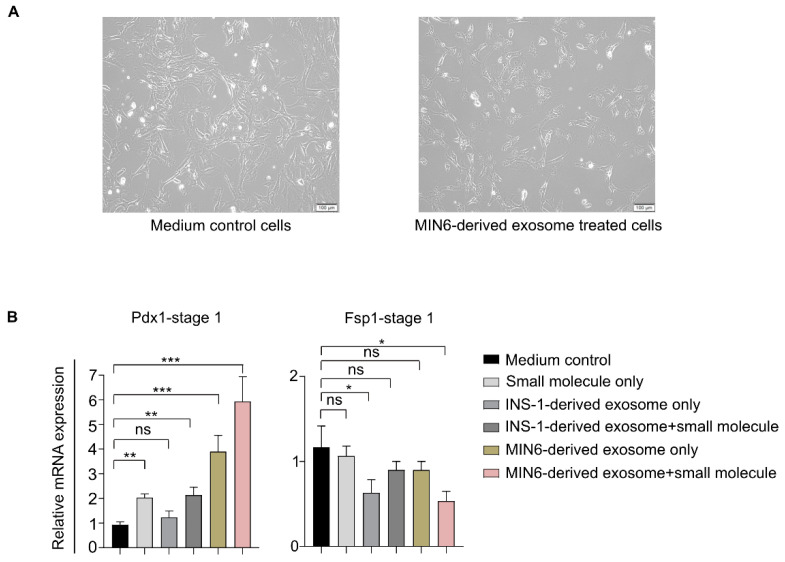
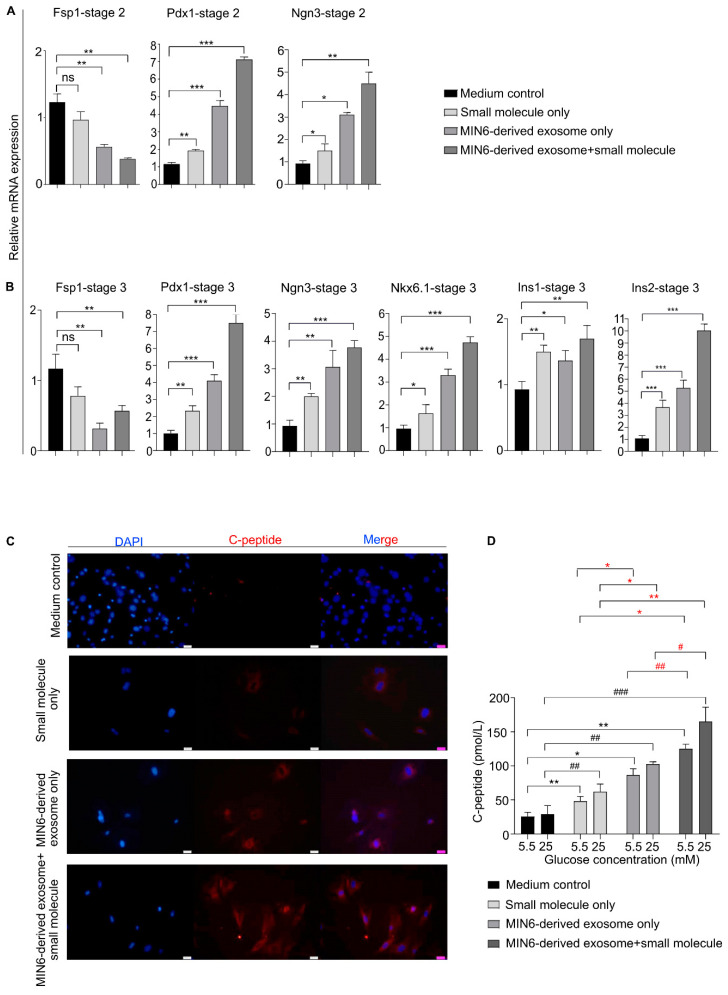
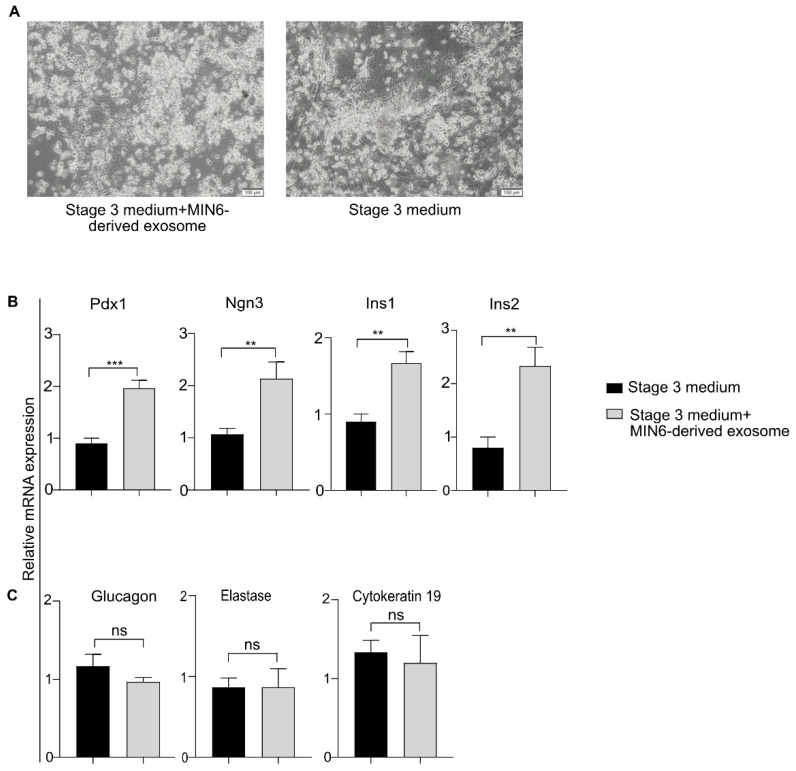
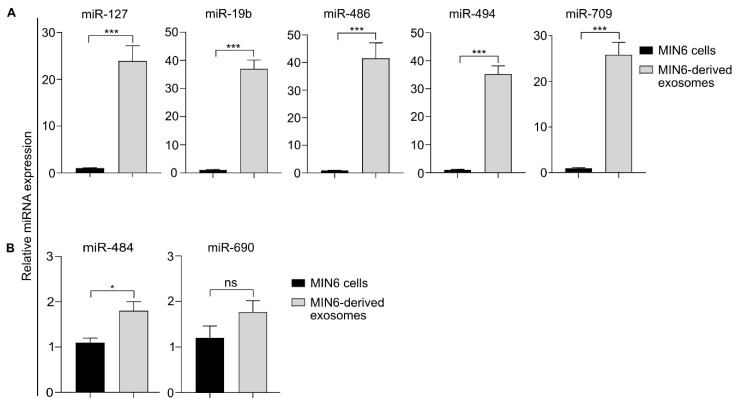
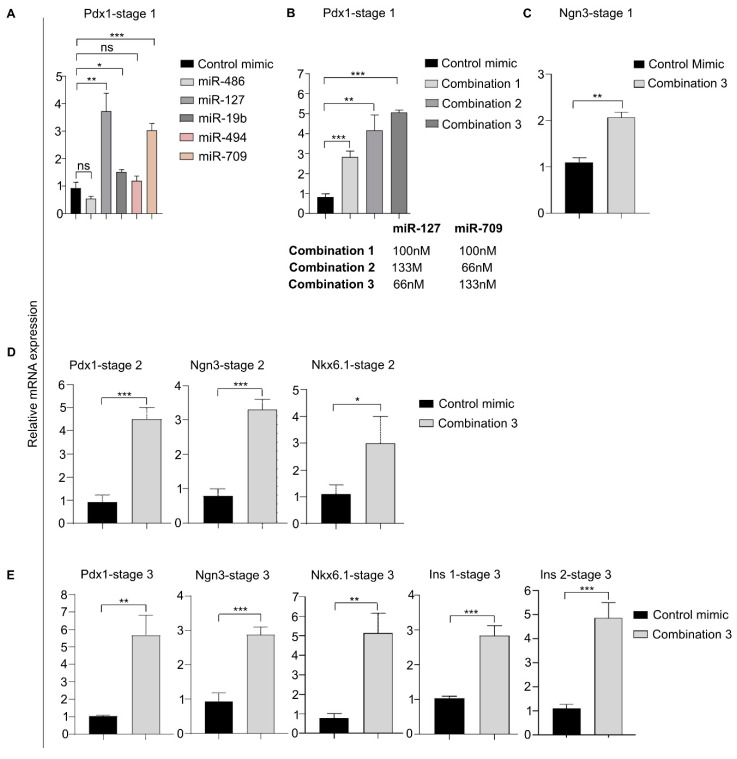
Diabetes is a concerning health malady worldwide. Islet or pancreas transplantation is the only long-term treatment available; however, the scarcity of transplantable tissues hampers this approach. Therefore, new cell sources and differentiation approaches are required. Apart from the genetic- and small molecule-based approaches, exosomes could induce cellular differentiation by means of their cargo, including miRNA. We developed a chemical-based protocol to differentiate mouse embryonic fibroblasts (MEFs) into β-like cells and employed mouse insulinoma (MIN6)-derived exosomes in the presence or absence of specific small molecules to encourage their differentiation into β-like cells. The differentiated β-like cells were functional and expressed pancreatic genes such as Pdx1, Nkx6.1, and insulin 1 and 2. We found that the exosome plus small molecule combination differentiated the MEFs most efficiently. Using miRNA-sequencing, we identified miR-127 and miR-709, and found that individually and in combination, the miRNAs differentiated MEFs into β-like cells similar to the exosome treatment. We also confirmed that exocrine cells can be differentiated into β-like cells by exosomes and the exosome-identified miRNAs. A new differentiation approach based on the use of exosome-identified miRNAs could help people afflicted with diabetes.
糖尿病是一种全球范围内令人担忧的健康疾病。胰岛或胰腺移植是唯一可用的长期治疗方法;然而,可移植组织的稀缺阻碍了这种方法的应用。因此,需要新的细胞来源和分化方法。除了基于基因和小分子的方法外,外泌体可以通过其携带的物质(包括miRNA)诱导细胞分化。我们开发了一种基于化学的方案,将小鼠胚胎成纤维细胞(MEF)分化为β样细胞,并在存在或不存在特定小分子的情况下使用小鼠胰岛素瘤(MIN6)来源的外泌体来促进它们分化为β样细胞。分化后的β样细胞具有功能,并表达胰腺基因,如Pdx1、Nkx6.1以及胰岛素1和胰岛素2。我们发现外泌体与小分子的组合能最有效地分化MEF。通过miRNA测序,我们鉴定出了miR-127和miR-709,并发现这些miRNA单独或组合使用时,能将MEF分化为与外泌体处理相似的β样细胞。我们还证实,外分泌细胞可以通过外泌体和经外泌体鉴定的miRNA分化为β样细胞。一种基于使用经外泌体鉴定的miRNA的新分化方法可能会帮助糖尿病患者。