Department of Immunology, Institute for Cell Biology, University of Tübingen, Tubingen, Germany.
Cluster of Excellence iFIT (EXC2180) "Image-Guided and Functionally Instructed Tumor Therapies", University of Tübingen, Tübingen, Germany.
J Immunother Cancer. 2020 Nov;8(2). doi: 10.1136/jitc-2020-001157.
Peptide-based vaccination is a rational option for immunotherapy of prostate cancer. In this first-in-man phase I/II study, we assessed the safety, tolerability and immunological impact of a synthetic long peptide vaccine targeting Ras homolog gene family member C (RhoC) in patients with prostate cancer. RhoC is a small GTPase overexpressed in advanced solid cancers, metastases and cancer stem cells.
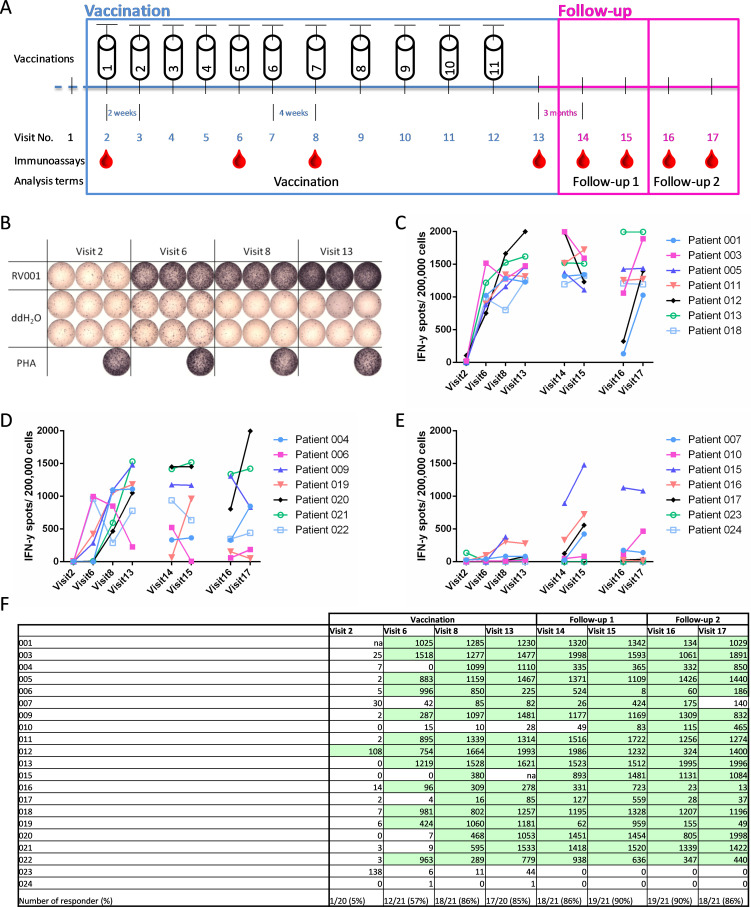
Twenty-two patients who had previously undergone radical prostatectomy received subcutaneous injections of 0.1 mg of a single RhoC-derived 20mer peptide emulsified in Montanide ISA-51 every 2 weeks for the first six times, then five times every 4 weeks for a total treatment time of 30 weeks. The drug safety and vaccine-specific immune responses were assessed during treatment and thereafter within a 13-month follow-up period. Serum level of prostate-specific antigen was measured up to 26 months postvaccination.
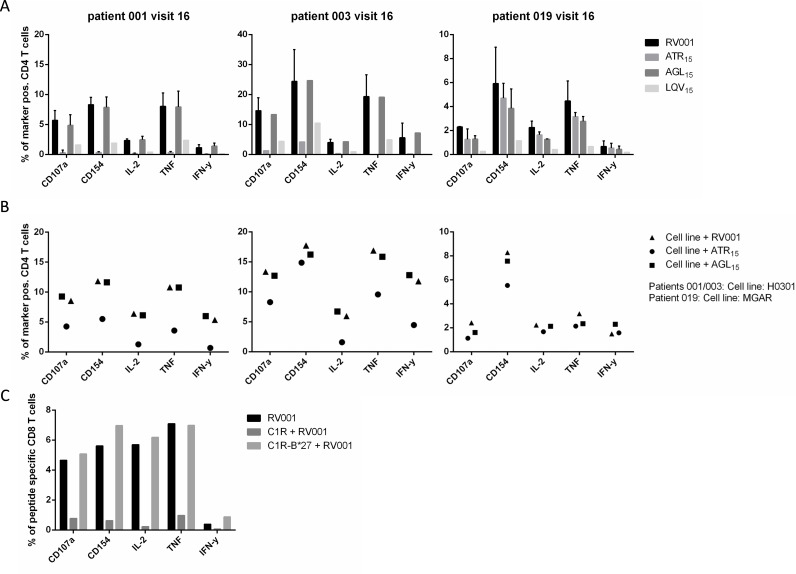
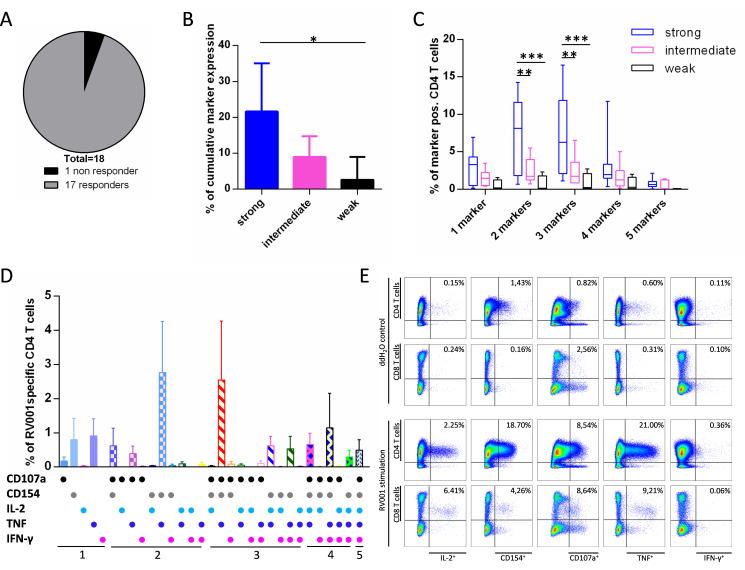
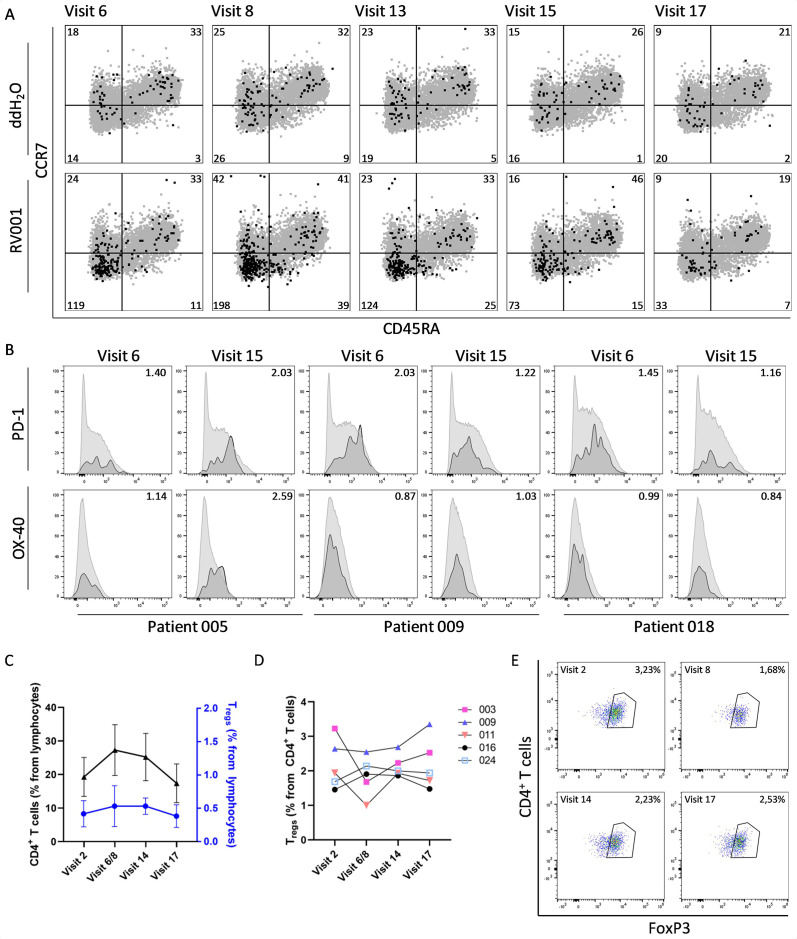
Most patients (18 of 21 evaluable) developed a strong CD4 T cell response against the vaccine, which lasted at least 10 months following the last vaccination. Three promiscuouslypresented HLA-class II epitopes were identified. Vaccine-specific CD4 T cells were polyfunctional and effector memory T cells that stably expressed PD-1 (CD279) and OX-40 (CD134), but not LAG-3 (CD223). One CD8 T cell response was detected in addition. The vaccine was well tolerated and no treatment-related adverse events of grade ≥3 were observed.
Targeting of RhoC induced a potent and long-lasting T cell immunity in the majority of the patients. The study demonstrates an excellent safety and tolerability profile. Vaccination against RhoC could potentially delay or prevent tumor recurrence and metastasis formation.
NCT03199872.
基于肽的疫苗接种是治疗前列腺癌的一种合理选择。在这项首次人体的 I/II 期研究中,我们评估了针对小 GTP 酶 RhoC 的合成长肽疫苗在前列腺癌患者中的安全性、耐受性和免疫影响。RhoC 是一种在高级实体瘤、转移和癌症干细胞中过度表达的小 GTP 酶。
22 名先前接受过根治性前列腺切除术的患者接受了 RhoC 衍生的 20 mer 肽的皮下注射,每 2 周注射 0.1mg,前 6 次为单剂量,然后每 4 周注射 5 次,总治疗时间为 30 周。在治疗期间和之后的 13 个月随访期间评估药物安全性和疫苗特异性免疫反应。在接种疫苗后最多 26 个月测量前列腺特异性抗原的血清水平。
大多数患者(21 名可评估患者中的 18 名)对疫苗产生了强烈的 CD4 T 细胞反应,该反应至少在最后一次接种后持续了 10 个月。鉴定出 3 个呈递 HLA-II 类的混合表位。疫苗特异性 CD4 T 细胞是多功能和效应记忆 T 细胞,它们稳定表达 PD-1(CD279)和 OX-40(CD134),但不表达 LAG-3(CD223)。此外还检测到了一个 CD8 T 细胞反应。疫苗耐受性良好,未观察到与治疗相关的任何 3 级或更高级别的不良事件。
针对 RhoC 的靶向诱导了大多数患者中强烈且持久的 T 细胞免疫。该研究证明了极好的安全性和耐受性特征。针对 RhoC 的疫苗接种有可能延迟或预防肿瘤复发和转移的形成。
NCT03199872。