Laboratory of Human Carcinogenesis, Center of Cancer Research, National Cancer Institute, National Institutes of Health, Bethesda, MD, USA.
Carcinogenesis. 2021 Feb 11;42(1):2-13. doi: 10.1093/carcin/bgaa121.
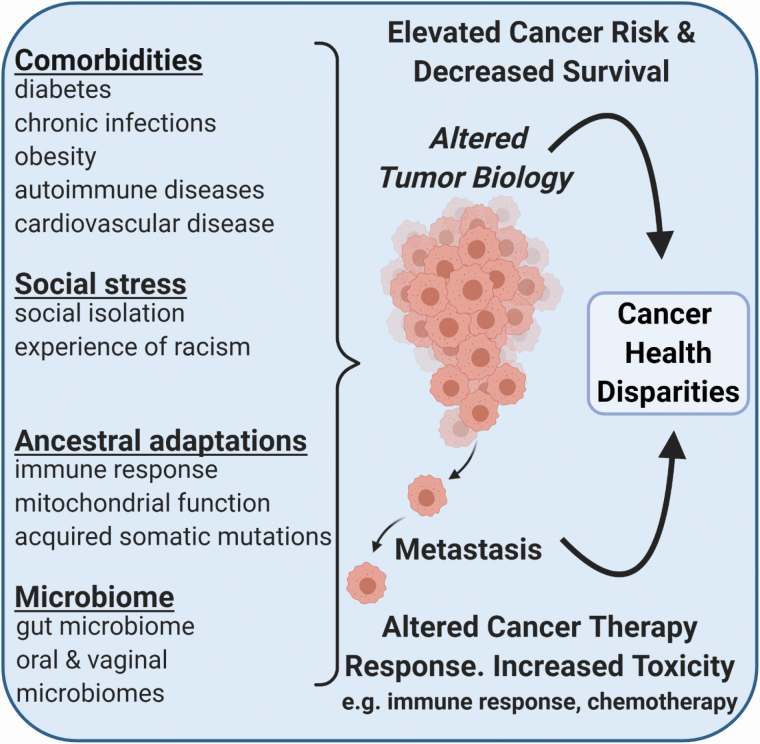
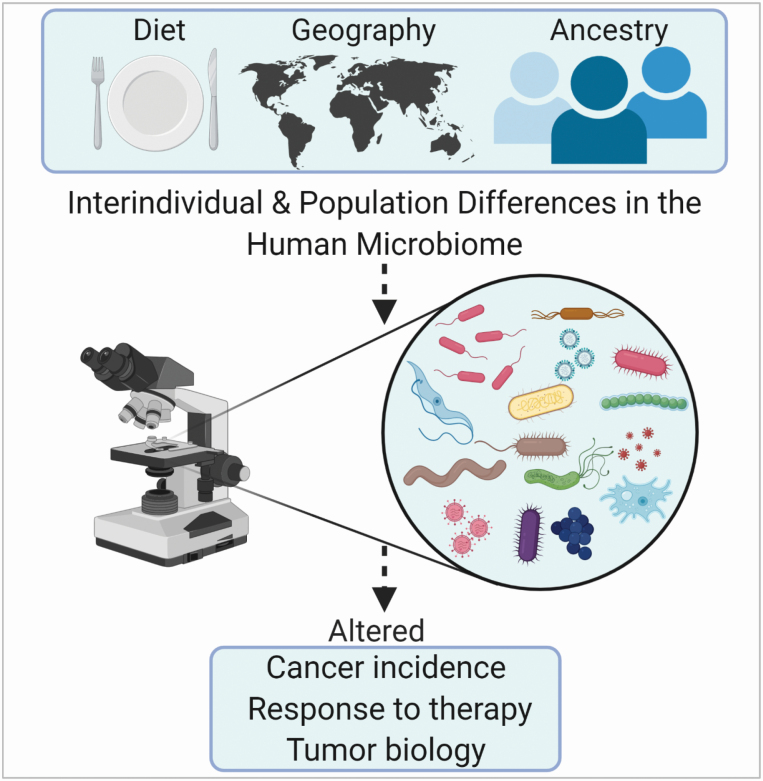
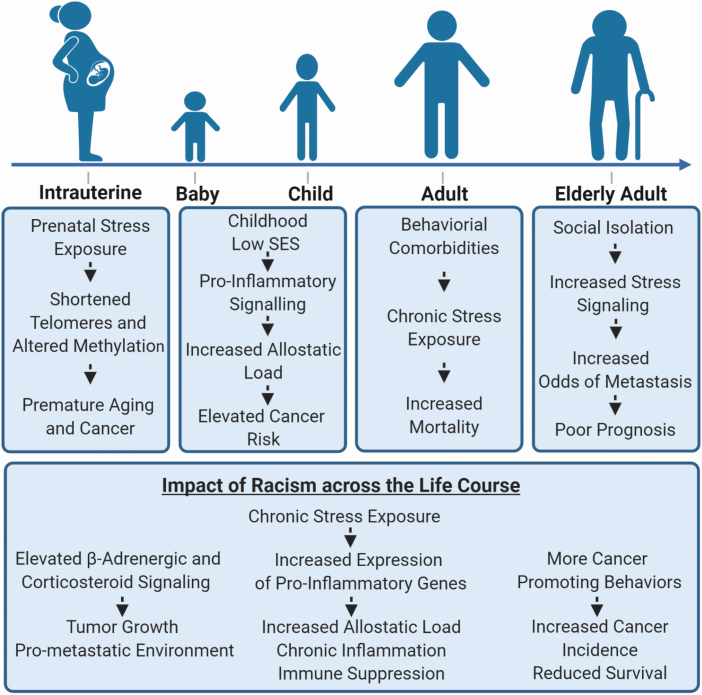
Cancer health disparities remain stubbornly entrenched in the US health care system. The Affordable Care Act was legislation to target these disparities in health outcomes. Expanded access to health care, reduction in tobacco use, uptake of other preventive measures and cancer screening, and improved cancer therapies greatly reduced cancer mortality among women and men and underserved communities in this country. Yet, disparities in cancer outcomes remain. Underserved populations continue to experience an excessive cancer burden. This burden is largely explained by health care disparities, lifestyle factors, cultural barriers, and disparate exposures to carcinogens and pathogens, as exemplified by the COVID-19 epidemic. However, research also shows that comorbidities, social stress, ancestral and immunobiological factors, and the microbiome, may contribute to health disparities in cancer risk and survival. Recent studies revealed that comorbid conditions can induce an adverse tumor biology, leading to a more aggressive disease and decreased patient survival. In this review, we will discuss unanswered questions and new opportunities in cancer health disparity research related to comorbid chronic diseases, stress signaling, the immune response, and the microbiome, and what contribution these factors may have as causes of cancer health disparities.
癌症健康差异在美国医疗保健系统中仍然顽固存在。平价医疗法案是针对这些健康结果差异的立法。扩大医疗保健的可及性、减少烟草使用、采用其他预防措施和癌症筛查以及改善癌症治疗方法,极大地降低了美国妇女和男性以及服务不足社区的癌症死亡率。然而,癌症结果的差异仍然存在。服务不足的人群继续承受着过重的癌症负担。这种负担在很大程度上可以通过医疗保健差异、生活方式因素、文化障碍以及接触致癌物质和病原体的差异来解释,如 COVID-19 疫情所示。然而,研究还表明,合并症、社会压力、祖先和免疫生物学因素以及微生物组可能导致癌症风险和生存方面的健康差异。最近的研究表明,合并症可以诱导不良的肿瘤生物学,导致疾病更具侵袭性和患者生存率降低。在这篇综述中,我们将讨论与合并慢性疾病、应激信号、免疫反应和微生物组相关的癌症健康差异研究中未解决的问题和新机遇,以及这些因素可能作为癌症健康差异原因的贡献。