Tampucci Silvia, Guazzelli Lorenzo, Burgalassi Susi, Carpi Sara, Chetoni Patrizia, Mezzetta Andrea, Nieri Paola, Polini Beatrice, Pomelli Christian Silvio, Terreni Eleonora, Monti Daniela
Department of Pharmacy, University of Pisa, Via Bonanno 6, 56127 Pisa, Italy.
NEST, Istituto Nanoscienze-CNR and Scuola Normale Superiore, Piazza San Silvestro 12, 56127 Pisa, Italy.
Pharmaceutics. 2020 Nov 11;12(11):1078. doi: 10.3390/pharmaceutics12111078.
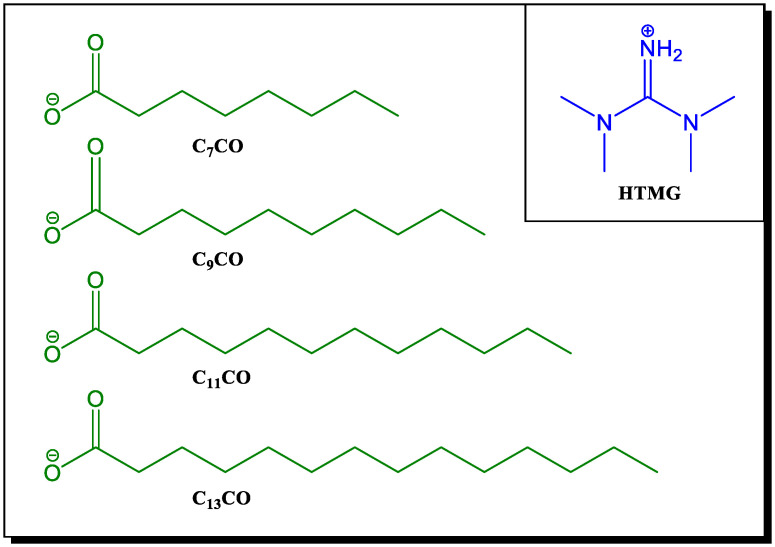
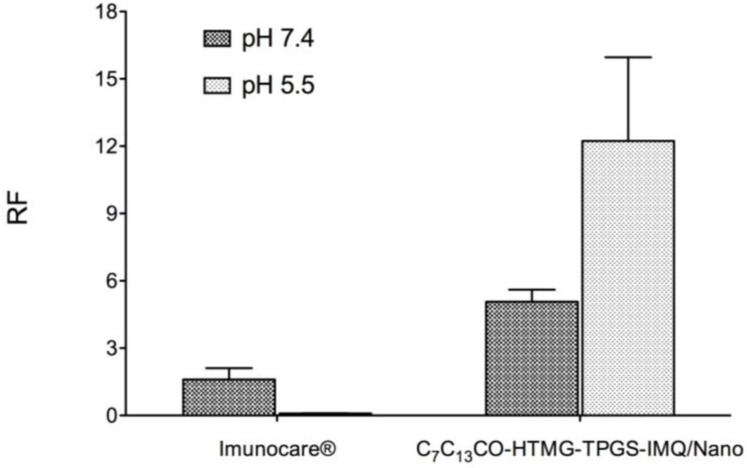
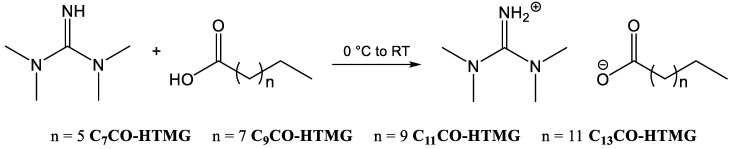
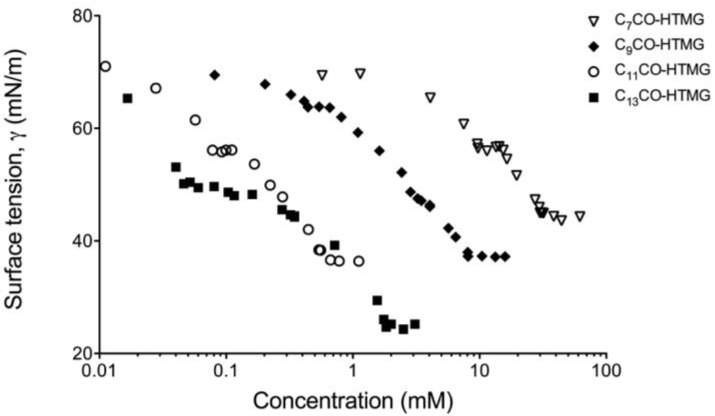
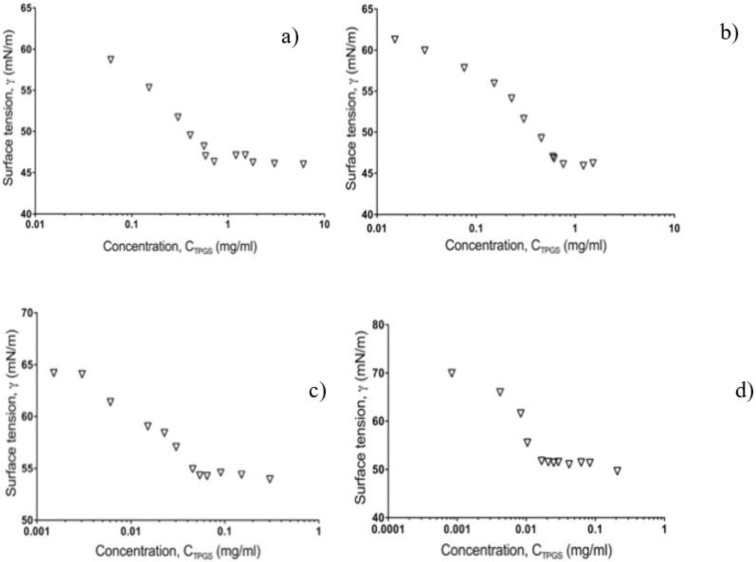
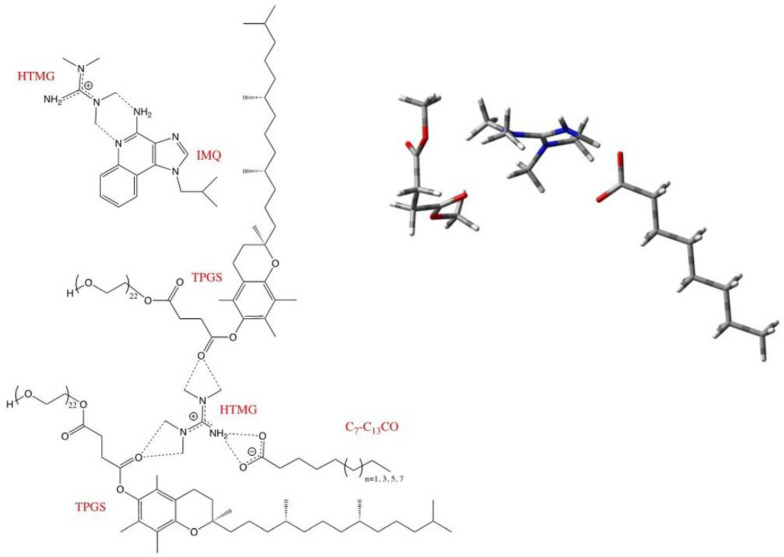
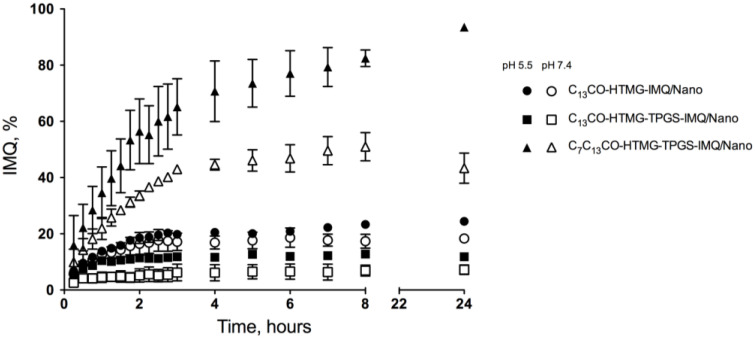
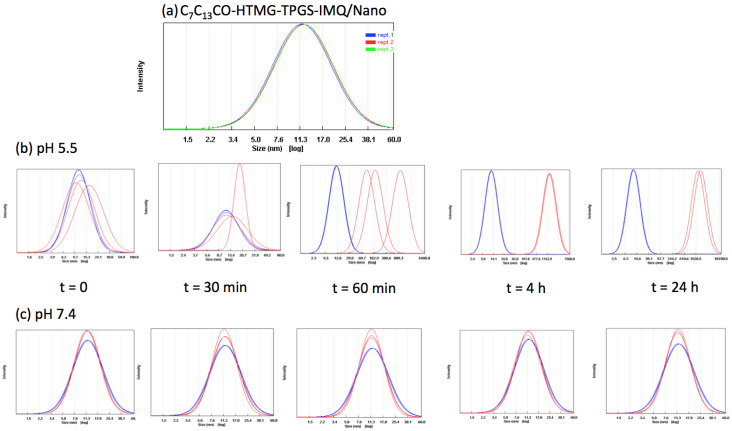
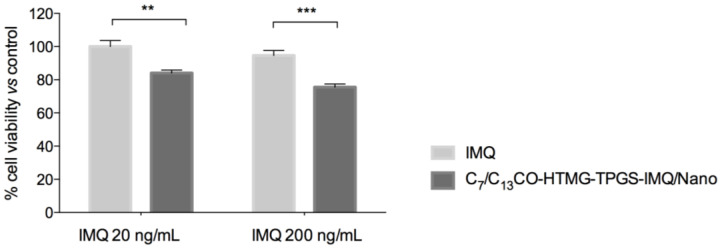
For topical treatment of skin cancer, the design of pH-responsive nanocarriers able to selectively release the drug in the tumor acidic microenvironment represents a reliable option for targeted delivery. In this context, a series of newly synthesized surface-active fatty acid-protic ionic liquids (FA-PILs), based on tetramethylguanidinium cation and different natural hydrophobic fatty acid carboxylates, have been investigated with the aim of developing a pH-sensitive nanostructured drug delivery system for cutaneous administration in the skin cancer therapy. The capability of FA-PILs to arrange in micelles when combined with each other and with the non-ionic surfactant d-α-Tocopherol polyethylene glycol succinate (vitamin E TPGS) as well as their ability to solubilize imiquimod, an immuno-stimulant drug used for the treatment of skin cancerous lesions, have been demonstrated. The FA-PILs-TPGS mixed micelles showed pH-sensitivity, suggesting that the acidic environment of cancer cells can trigger nanostructures' swelling and collapse with consequent rapid release of imiquimod and drug cytotoxic potential enhancement. The in vitro permeation/penetration study showed that the micellar formulation produced effective imiquimod concentrations into the skin exposed to acid environment, representing a potential efficacious and selective drug delivery system able to trigger the drug release in the tumor tissues, at lower and less irritating drug concentrations.
对于皮肤癌的局部治疗,能够在肿瘤酸性微环境中选择性释放药物的pH响应性纳米载体的设计是靶向递送的可靠选择。在此背景下,研究了一系列基于四甲基胍阳离子和不同天然疏水脂肪酸羧酸盐新合成的表面活性脂肪酸-质子离子液体(FA-PILs),旨在开发一种用于皮肤癌治疗皮肤给药的pH敏感纳米结构药物递送系统。已证明FA-PILs相互结合以及与非离子表面活性剂d-α-生育酚聚乙二醇琥珀酸酯(维生素E TPGS)结合时形成胶束的能力,以及它们溶解咪喹莫特(一种用于治疗皮肤癌病变的免疫刺激药物)的能力。FA-PILs-TPGS混合胶束表现出pH敏感性,表明癌细胞的酸性环境可触发纳米结构的膨胀和塌陷,从而使咪喹莫特快速释放并增强药物细胞毒性潜力。体外渗透/穿透研究表明,胶束制剂在暴露于酸性环境的皮肤中产生了有效的咪喹莫特浓度,代表了一种潜在的有效且选择性的药物递送系统,能够在较低且刺激性较小的药物浓度下在肿瘤组织中触发药物释放。