Li Yingjie, Guo Dagang, Zhang Yihong, Wang Lin, Sun Tingting, Li Zhongwu, Zhang Xiaoyan, Wang Shuai, Chen Yiyou, Wu Aiwen
Department of Gastrointestinal Surgery, Peking University Cancer Hospital & Institute, Key laboratory of Carcinogenesis and Translational Research (Ministry of Education), #52 Fucheng Road, Haidian District, Beijing 100142, China.
Beijing Percans Oncology Research Co., Ltd., Building 11, 5th Floor, PKUCare Industrial Park, Life Science Park, Beiqing Road, Changping District, Beijing 102206, China.
Transl Oncol. 2021 Jan;14(1):100935. doi: 10.1016/j.tranon.2020.100935. Epub 2020 Nov 12.
In vitro patient tumor models such as patient-derived organoids (PDO) and conditionally reprogrammed (CR) cell culture are important for translational research and pre-clinical drug testing. In this study we present a personalized drug sensitivity test for late stage, potentially operable colorectal cancer (CRC) using patient-derived primary tumor cells isolated with i-CR technology, an optimized CR method. We explored the clinical feasibility of using i-CR platform to guide CRC chemotherapy, and established the correlation between in vitro drug sensitivity and patient clinical response.
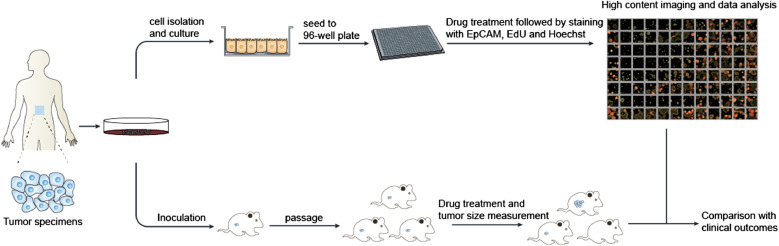
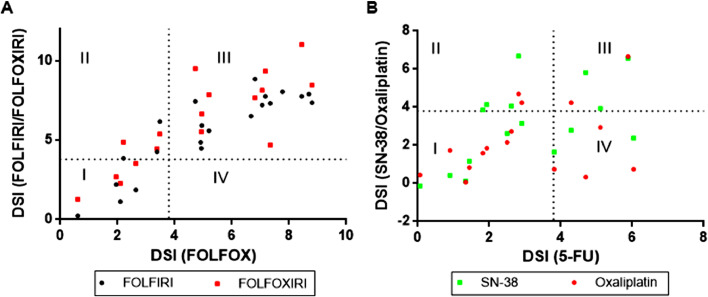
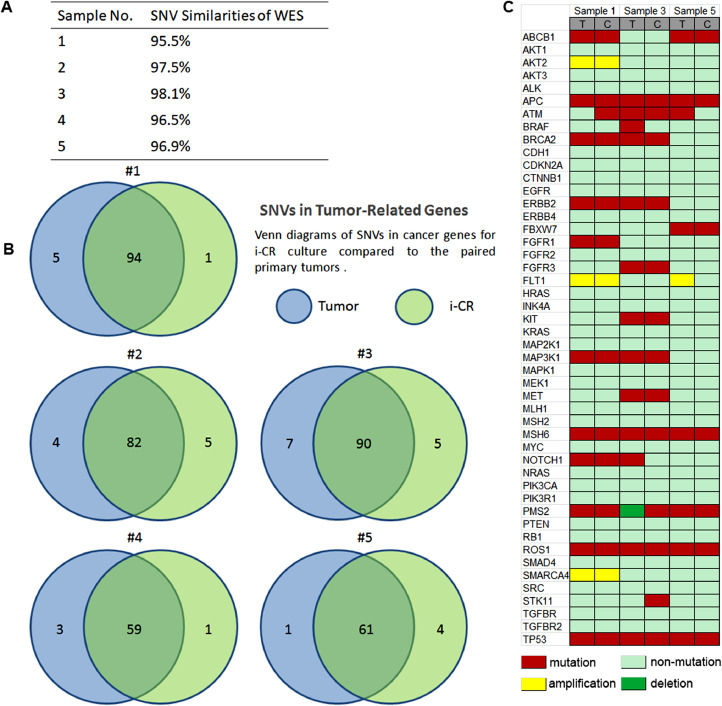
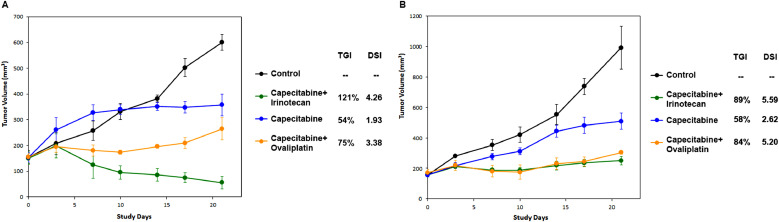
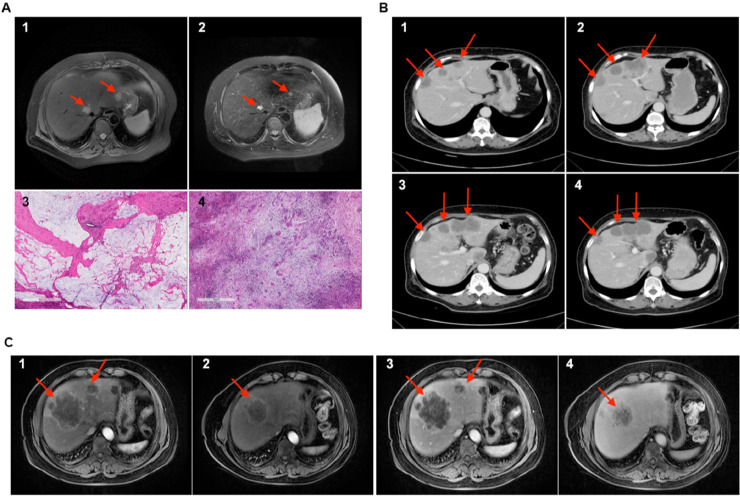
Primary CRC tumor cells were isolated and cultured with the i-CR technology. NGS was performed and the WES and CNV results of i-CR cells were compared with that of the original patient tumor samples. In vitro drug screenings were done with guideline chemotherapy drugs for CRC. In vivo drug response was examined with paired PDX mouse models. A double-blind co-clinical cohort study was carried out and the clinical outcomes of the enrolled patients were compared with the i-CR results.
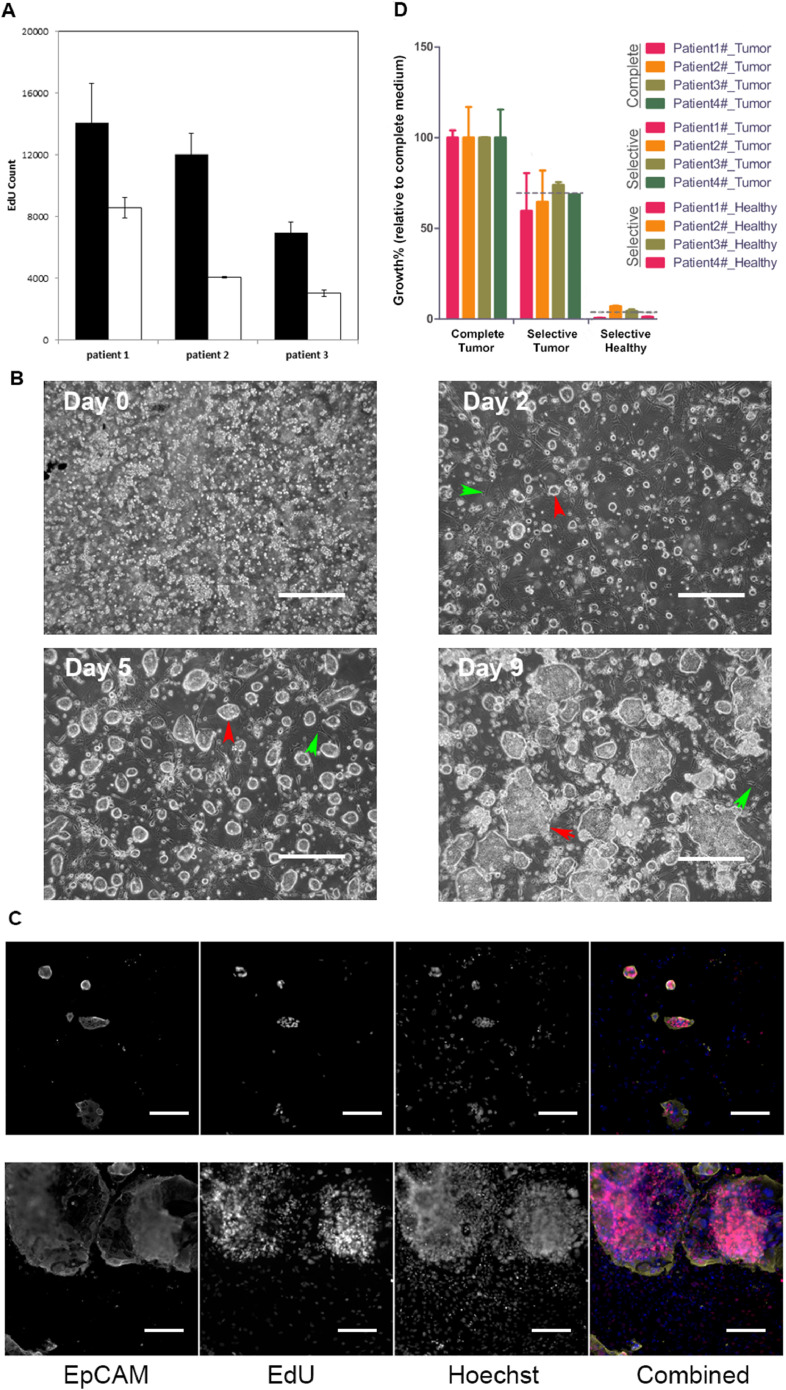
i-CR platform could be used to rapidly propagate primary colorectal tumor cells that represent individual patient tumors effectively by keeping the clonal heterogeneity and the genetic characteristics. Chemotherapy drug screenings with i-CR cells were comparable with that of PDX models. More importantly, i-CR results showed high accordance with the clinical outcomes of the enrolled CRC patients.
i-CR platform was capable to test and optimize therapeutic regimens pre-clinically, study cancer cell biology, and model tumor re-emergence to identify new targeted therapeutics from an effective personalized medicine standpoint.
体外患者肿瘤模型,如患者来源的类器官(PDO)和条件重编程(CR)细胞培养,对于转化研究和临床前药物测试很重要。在本研究中,我们使用通过i-CR技术(一种优化的CR方法)分离的患者来源的原发性肿瘤细胞,为晚期、可能可手术的结直肠癌(CRC)提供了一种个性化药物敏感性测试。我们探讨了使用i-CR平台指导CRC化疗的临床可行性,并建立了体外药物敏感性与患者临床反应之间的相关性。
使用i-CR技术分离并培养原发性CRC肿瘤细胞。进行了NGS,并将i-CR细胞的全外显子测序(WES)和拷贝数变异(CNV)结果与原始患者肿瘤样本的结果进行比较。使用CRC的指南化疗药物进行体外药物筛选。使用配对的人源肿瘤异种移植(PDX)小鼠模型检查体内药物反应。开展了一项双盲共同临床队列研究,并将入组患者的临床结果与i-CR结果进行比较。
i-CR平台可用于快速扩增原发性结直肠肿瘤细胞,通过保持克隆异质性和遗传特征有效地代表个体患者肿瘤。用i-CR细胞进行的化疗药物筛选与PDX模型的筛选相当。更重要的是,i-CR结果与入组CRC患者的临床结果高度一致。
从有效的个性化医学角度来看,i-CR平台能够在临床前测试和优化治疗方案、研究癌细胞生物学以及模拟肿瘤复发以识别新的靶向治疗方法。