UCL Institute of Ophthalmology, London, United Kingdom.
Imperial College London, London, United Kingdom.
PLoS One. 2020 Nov 17;15(11):e0242284. doi: 10.1371/journal.pone.0242284. eCollection 2020.
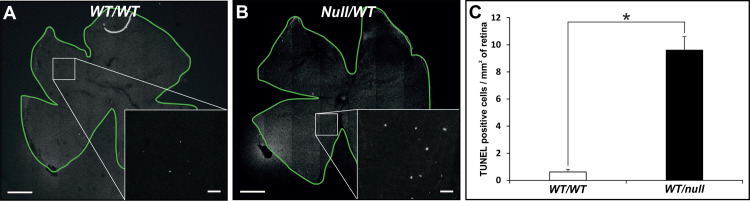
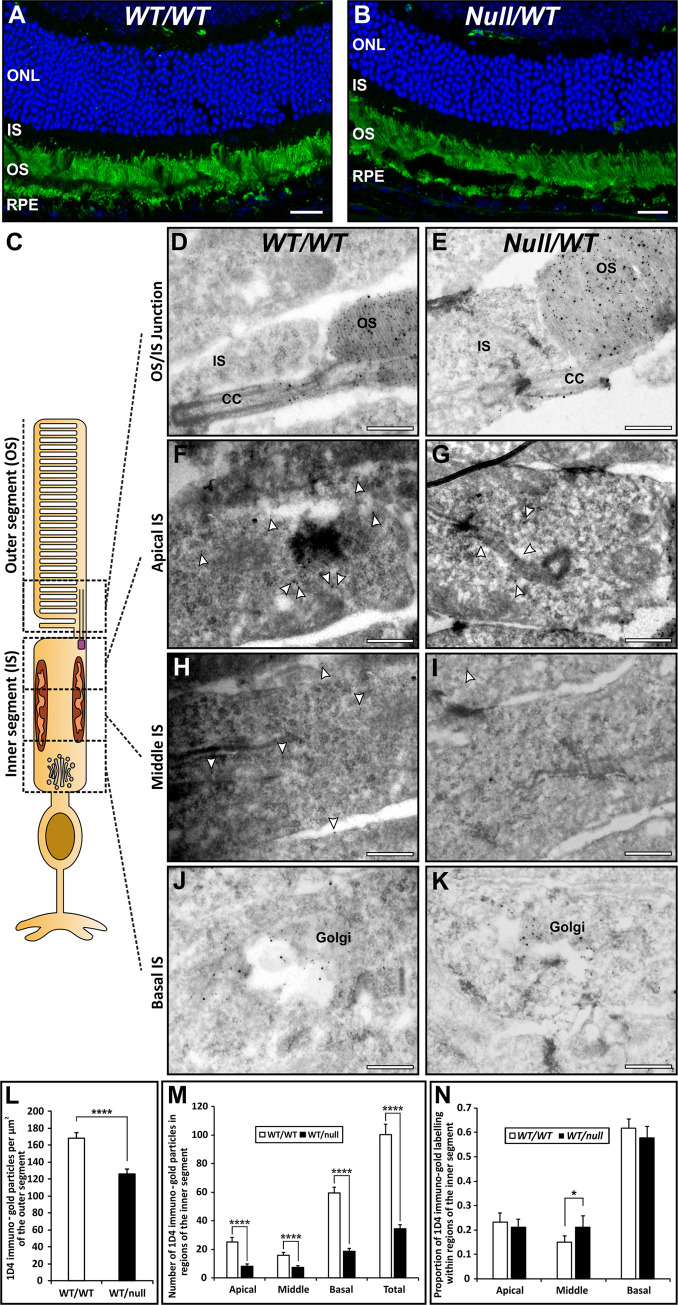
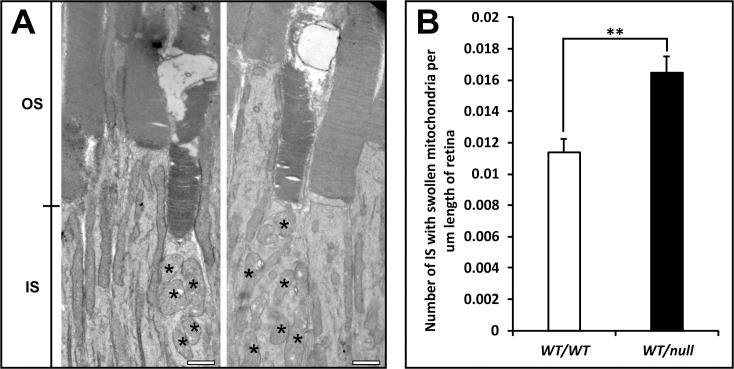
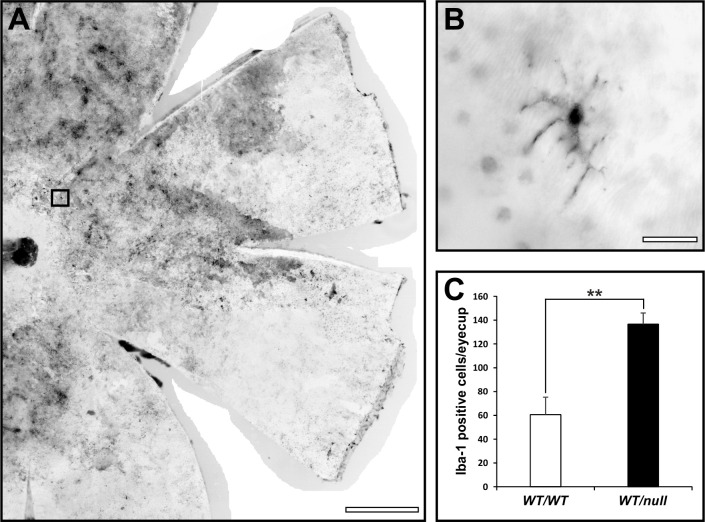
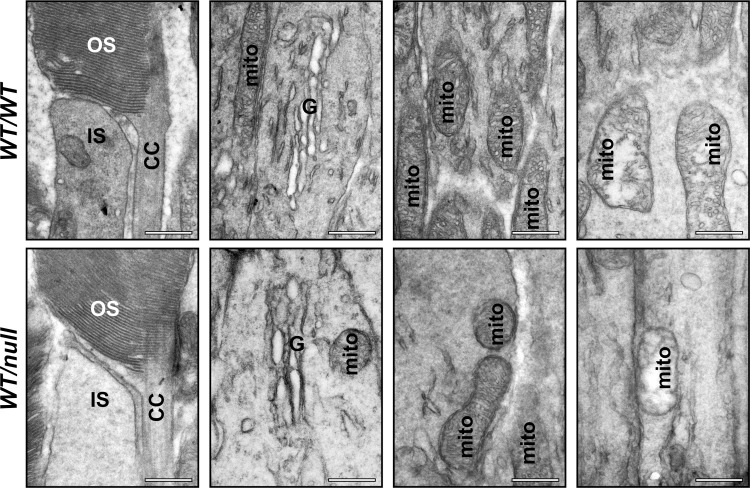
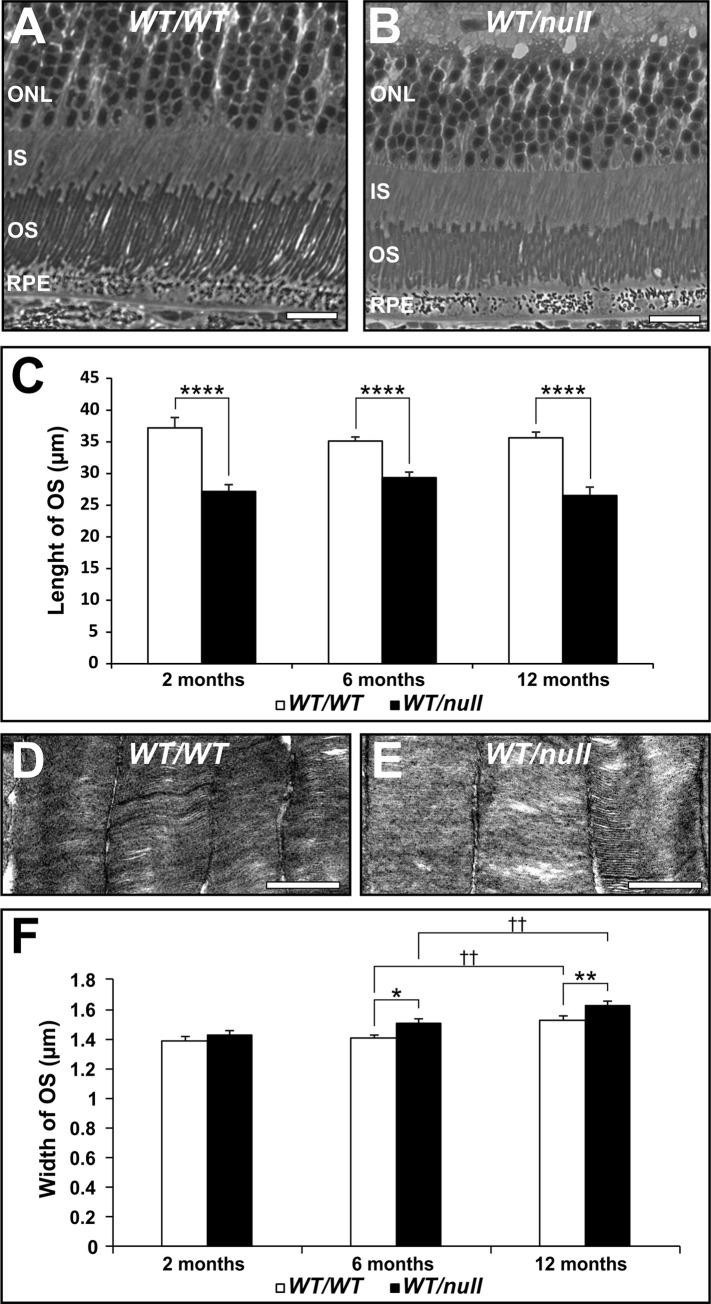
X-linked choroideremia (CHM) is a disease characterized by gradual retinal degeneration caused by loss of the Rab Escort Protein, REP1. Despite partial compensation by REP2 the disease is characterized by prenylation defects in multiple members of the Rab protein family that are master regulators of membrane traffic. Remarkably, the eye is the only organ affected in CHM patients, possibly because of the huge membrane traffic burden of the post mitotic photoreceptors, which synthesise outer segments, and the adjacent retinal pigment epithelium that degrades the spent portions each day. In this study, we aimed to identify defects in membrane traffic that might lead to photoreceptor cell death in CHM. In a heterozygous null female mouse model of CHM (Chmnull/WT), degeneration of the photoreceptor layer was clearly evident from increased numbers of TUNEL positive cells compared to age matched controls, small numbers of cells exhibiting signs of mitochondrial stress and greatly increased microglial infiltration. However, most rod photoreceptors exhibited remarkably normal morphology with well-formed outer segments and no discernible accumulation of transport vesicles in the inner segment. The major evidence of membrane trafficking defects was a shortening of rod outer segments that was evident at 2 months of age but remained constant over the period during which the cells die. A decrease in rhodopsin density found in the outer segment may underlie the outer segment shortening but does not lead to rhodopsin accumulation in the inner segment. Our data argue against defects in rhodopsin transport or outer segment renewal as triggers of cell death in CHM.
X 连锁型脉络膜视网膜炎(CHM)是一种疾病,其特征是由于 Rab 逃逸蛋白 1(REP1)的缺失而导致视网膜逐渐退化。尽管 REP2 部分代偿,但该疾病的特征是 Rab 蛋白家族的多个成员的 prenylation 缺陷,而 Rab 蛋白家族是膜运输的主要调节剂。值得注意的是,CHM 患者唯一受影响的器官是眼睛,这可能是因为有丝分裂后光感受器的巨大膜运输负担,它们合成外节,以及相邻的视网膜色素上皮每天降解用过的部分。在这项研究中,我们旨在确定可能导致 CHM 中的光感受器细胞死亡的膜运输缺陷。在 CHM 的杂合性 null 雌性小鼠模型(Chmnull/WT)中,与年龄匹配的对照相比,TUNEL 阳性细胞数量增加,表明光感受器层退化明显,少数细胞表现出线粒体应激的迹象,并且微胶质细胞浸润大大增加。然而,大多数杆状光感受器表现出明显正常的形态,具有形成良好的外节,并且在内节中没有可识别的运输小泡积累。膜运输缺陷的主要证据是杆状外节的缩短,这在 2 个月大时就很明显,但在细胞死亡期间保持不变。在外节中发现的视紫红质密度的降低可能是外节缩短的基础,但不会导致视紫红质在内节中的积累。我们的数据表明,CHM 中的细胞死亡不是由于视紫红质运输或外节更新缺陷作为触发因素。