Krämer Susanne, Lucas James, Gamboa Francisca, Peñarrocha Diago Miguel, Peñarrocha Oltra David, Guzmán-Letelier Marcelo, Paul Sanchit, Molina Gustavo, Sepúlveda Lorena, Araya Ignacio, Soto Rubén, Arriagada Carolina, Lucky Anne W, Mellerio Jemima E, Cornwall Roger, Alsayer Fatimah, Schilke Reinhard, Antal Mark Adam, Castrillón Fernanda, Paredes Camila, Serrano Maria Concepción, Clark Victoria
Facultad de Odontología, Universidad de Chile, Santiago, Chile.
Dental Department, Royal Children's Hospital, Melbourne, Australia.
Spec Care Dentist. 2020 Nov;40 Suppl 1(Suppl 1):3-81. doi: 10.1111/scd.12511.
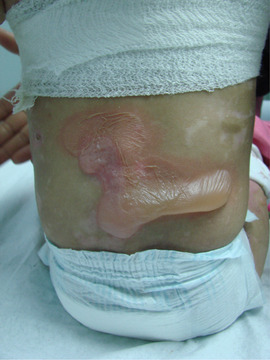
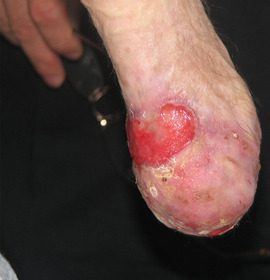
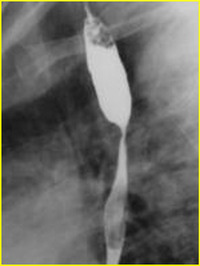
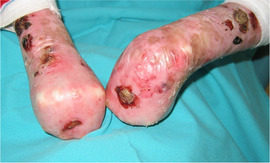
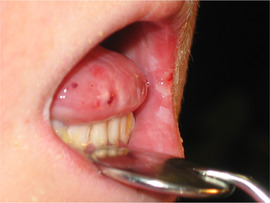
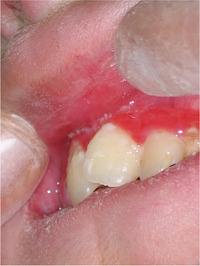
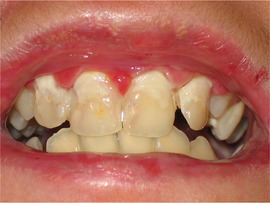
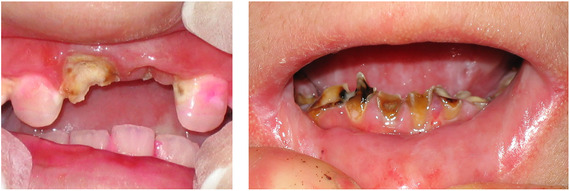
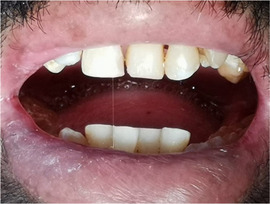
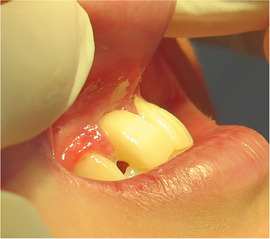
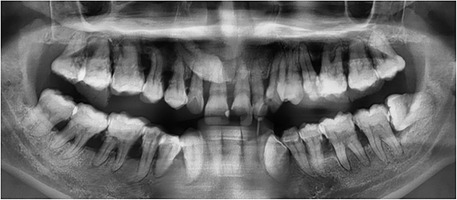
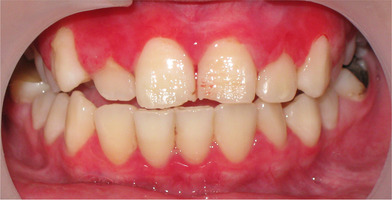
Inherited epidermolysis bullosa (EB) is a genetic disorder characterized by skin fragility and unique oral features.
To provide (a) a complete review of the oral manifestations in those living with each type of inherited EB, (b) the current best practices for managing oral health care of people living with EB, (c) the current best practices on dental implant-based oral rehabilitation for patients with recessive dystrophic EB (RDEB), and (d) the current best practice for managing local anesthesia, principles of sedation, and general anesthesia for children and adults with EB undergoing dental treatment.
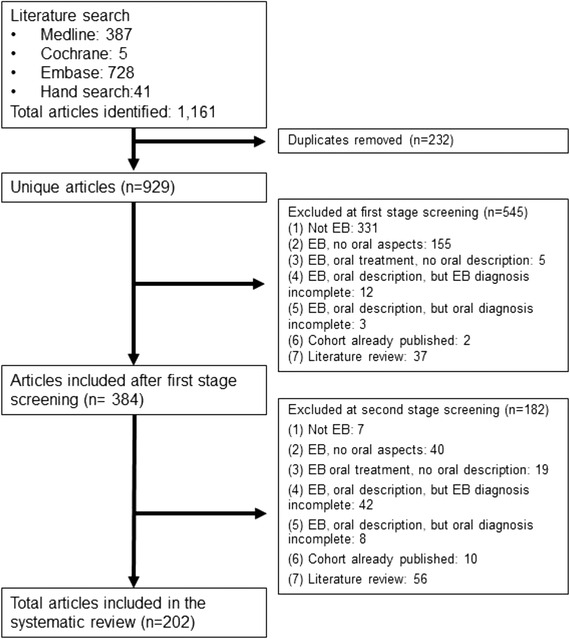
Systematic literature search, panel discussion including clinical experts and patient representatives from different centers around the world, external review, and guideline piloting.
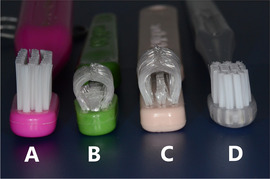
This article has been divided into five chapters: (i) general information on EB for the oral health care professional, (ii) systematic literature review on the oral manifestations of EB, (iii) oral health care and dental treatment for children and adults living with EB-clinical practice guidelines, (iv) dental implants in patients with RDEB-clinical practice guidelines, and (v) sedation and anesthesia for adults and children with EB undergoing dental treatment-clinical practice guidelines. Each chapter provides recommendations on the management of the different clinical procedures within dental practice, highlighting the importance of patient-clinician partnership, impact on quality of life, and the importance of follow-up appointments. Guidance on the use on nonadhesive wound care products and emollients to reduce friction during patient care is provided.
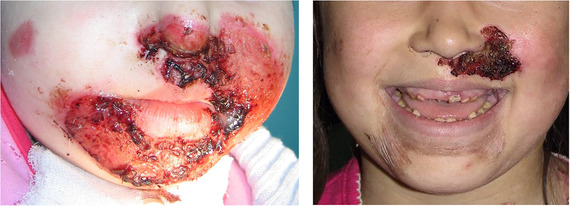
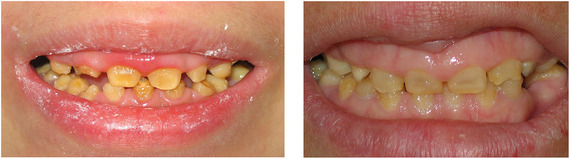
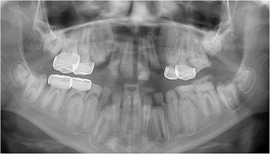
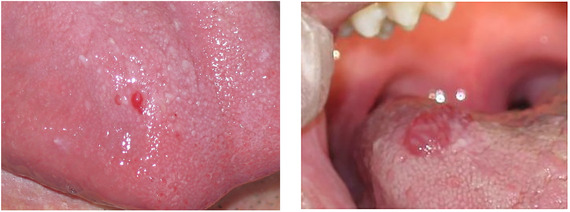
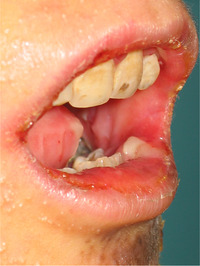
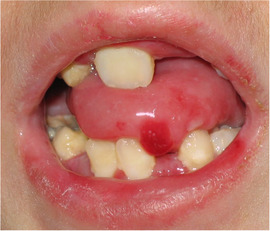
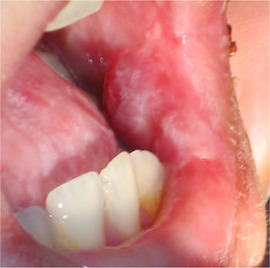
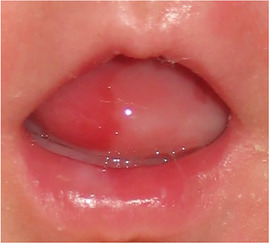
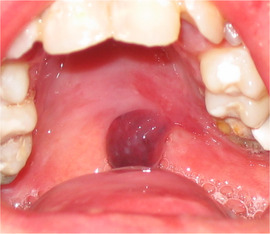
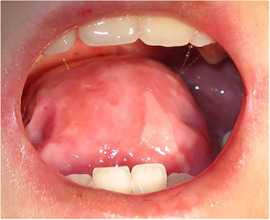
Oral soft and hard tissue manifestations of inherited EB have unique patterns of involvement associated with each subtype of the condition. Understanding each subtype individually will help the professionals plan long-term treatment approaches.
遗传性大疱性表皮松解症(EB)是一种遗传性疾病,其特征为皮肤脆弱及独特的口腔表现。
(a)全面综述各类型遗传性EB患者的口腔表现;(b)目前针对EB患者口腔保健的最佳实践;(c)目前针对隐性营养不良型EB(RDEB)患者基于牙种植体的口腔修复的最佳实践;(d)目前针对接受牙科治疗的EB儿童和成人进行局部麻醉、镇静原则及全身麻醉管理的最佳实践。
系统文献检索、包括来自世界各地不同中心的临床专家和患者代表的小组讨论、外部评审及指南试点。
本文分为五章:(i)口腔保健专业人员的EB一般信息;(ii)EB口腔表现的系统文献综述;(iii)EB儿童和成人的口腔保健及牙科治疗——临床实践指南;(iv)RDEB患者的牙种植体——临床实践指南;(v)接受牙科治疗的EB成人和儿童的镇静与麻醉——临床实践指南。每章针对牙科实践中不同临床程序的管理提供建议,强调患者与临床医生合作的重要性、对生活质量的影响以及随访预约的重要性。提供了关于使用非粘性伤口护理产品和润肤剂以减少患者护理期间摩擦的指导。
遗传性EB的口腔软硬组织表现具有与该疾病各亚型相关的独特受累模式。分别了解每个亚型将有助于专业人员规划长期治疗方法。