Department of Sociology and Criminology, University of Arkansas, Fayetteville, AR 72701, USA.
Department of Internal Medicine, University of Arkansas for Medical Sciences, Fayetteville, AR 72701, USA.
Int J Environ Res Public Health. 2020 Nov 13;17(22):8424. doi: 10.3390/ijerph17228424.
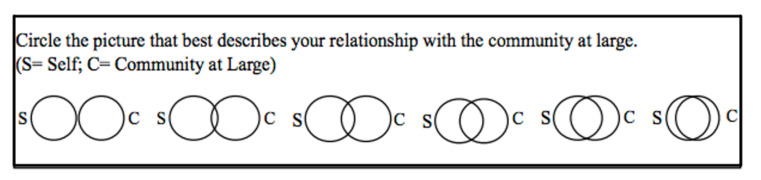
Food insecurity is of heightened concern during and after natural disasters; higher prevalence is typically reported in post-disaster settings. The current study examines food insecurity prevalence and specific risk/resource variables that may act as barriers or advantages in accessing food in such a setting. Using a modified quota sample ( = 316), Hurricane Harvey survivors participated in face-to-face interviews and/or online surveys that assessed health, social and household factors, and sociodemographic characteristics. Using logistic regression analyses we find that social vulnerabilities, circumstantial risk, and social and psychological resources are important in determining the odds of food insecurity. Hispanic and/or Nonwhite survivors, renters, and those persons displaced during the natural disaster have higher food insecurity odds. Survivors with stronger social ties, higher levels of mastery, and a greater sense of connectedness to their community are found to have lower food insecurity odds. A more nuanced analysis of circumstantial risk finds that while the independent effects of displacement and home ownership are important, so too is the intersection of these two factors, with displaced-renters experiencing significantly higher odds than any other residence and displacement combinations, and particularly those who are homeowners not displaced during the disaster. Strategies for addressing differential risks, as well as practical approaches for implementation and education programming related to disaster recovery, are discussed.
在自然灾害期间和之后,粮食不安全问题更加令人关注;通常在灾后环境中报告更高的发生率。本研究考察了粮食不安全的流行程度以及在这种环境中获取食物的可能障碍或优势的特定风险/资源变量。使用经过修改的配额样本(n=316),飓风哈维的幸存者参与了面对面访谈和/或在线调查,评估了健康、社会和家庭因素以及社会人口特征。使用逻辑回归分析,我们发现社会脆弱性、环境风险以及社会和心理资源在确定粮食不安全的几率方面很重要。西班牙裔和/或非白人幸存者、租房者以及在自然灾害中流离失所的人粮食不安全的几率更高。具有更强社会联系、更高掌控力和更强烈社区归属感的幸存者粮食不安全的几率较低。对环境风险的更细致分析发现,虽然流离失所和自有住房的独立影响很重要,但这两个因素的交叉也很重要,与任何其他居住和流离失所组合相比,流离失所的租房者的几率显著更高,尤其是那些在灾难中没有流离失所的房主。讨论了针对不同风险的策略,以及与灾害恢复相关的实施和教育计划的实用方法。