Department of Mathematics and Statistics, Lancaster University, Fylde College, Lancaster, LA1 4YF, UK.
Centre for Trials Research, College of Biomedical & Life Sciences, Cardiff University, Cardiff, UK.
BMC Med. 2020 Nov 19;18(1):352. doi: 10.1186/s12916-020-01808-2.
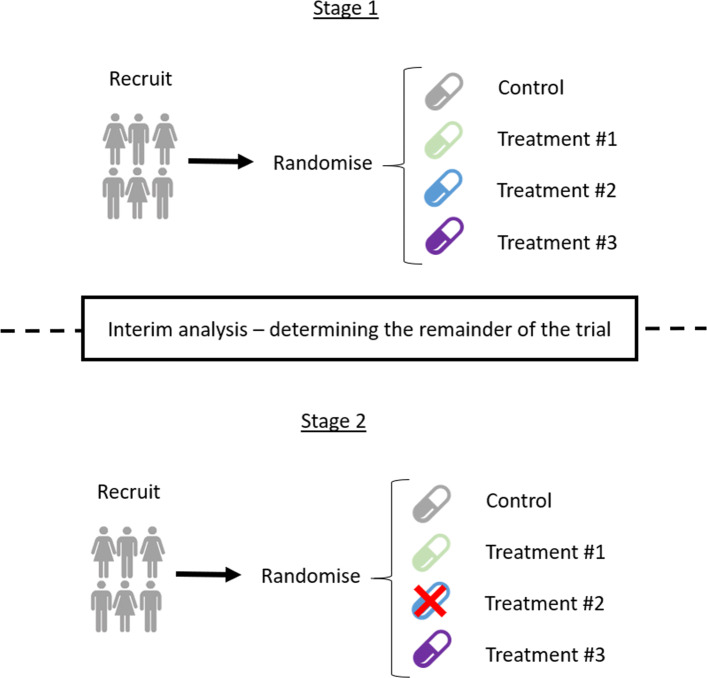
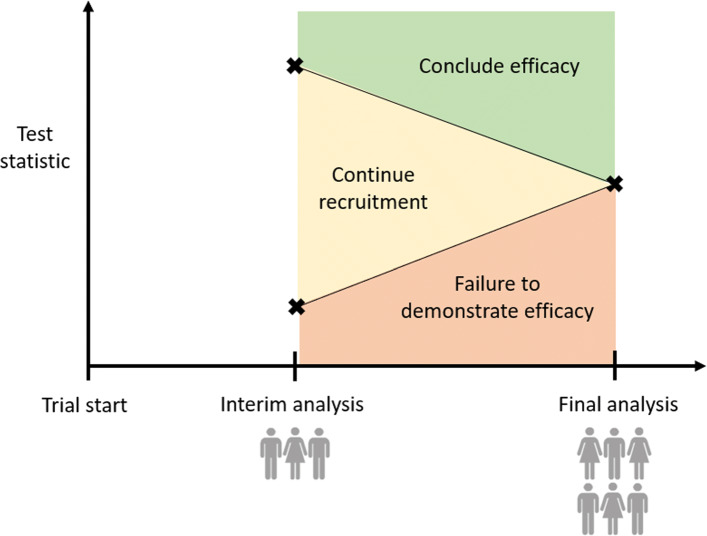
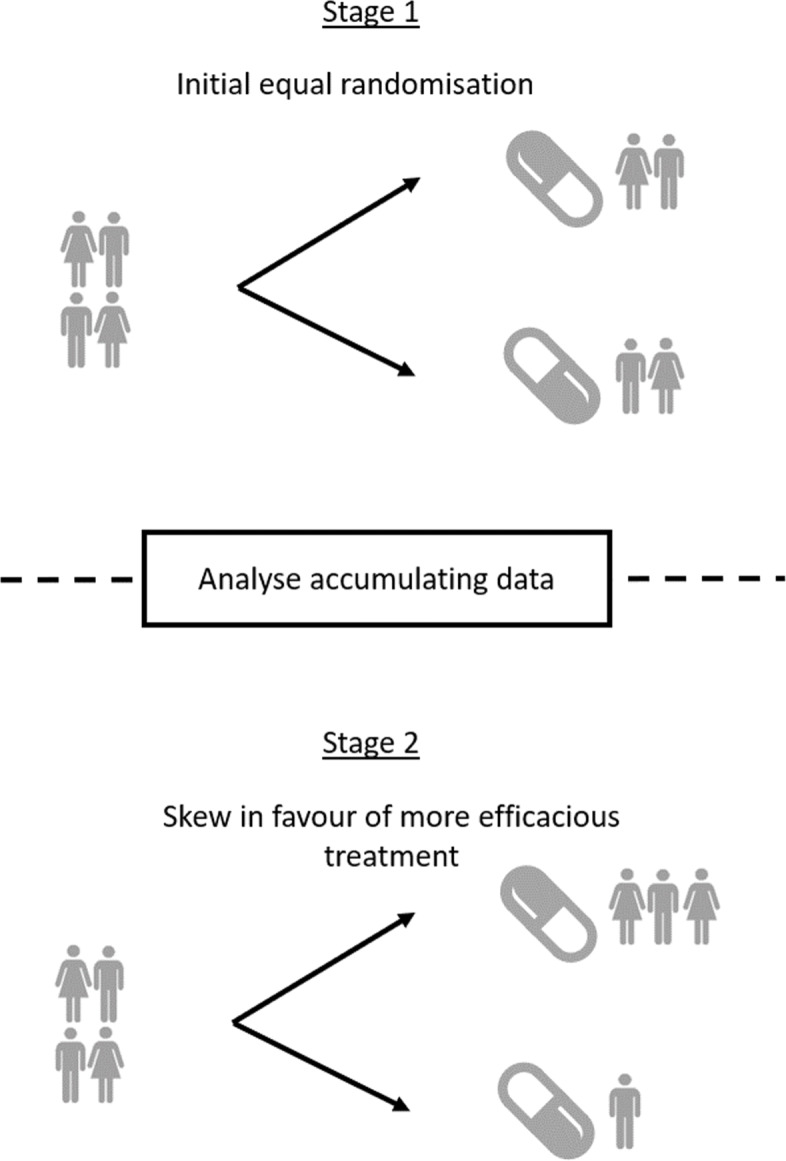
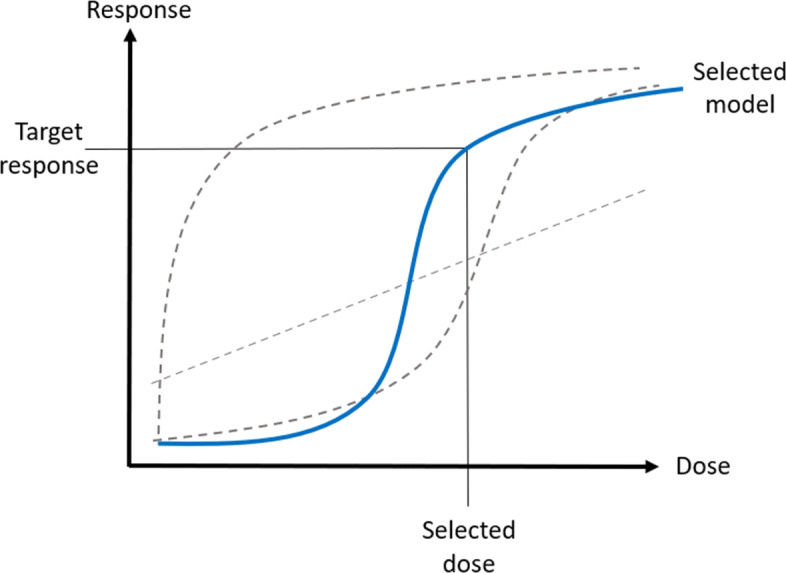
Adaptive designs for clinical trials permit alterations to a study in response to accumulating data in order to make trials more flexible, ethical, and efficient. These benefits are achieved while preserving the integrity and validity of the trial, through the pre-specification and proper adjustment for the possible alterations during the course of the trial. Despite much research in the statistical literature highlighting the potential advantages of adaptive designs over traditional fixed designs, the uptake of such methods in clinical research has been slow. One major reason for this is that different adaptations to trial designs, as well as their advantages and limitations, remain unfamiliar to large parts of the clinical community. The aim of this paper is to clarify where adaptive designs can be used to address specific questions of scientific interest; we introduce the main features of adaptive designs and commonly used terminology, highlighting their utility and pitfalls, and illustrate their use through case studies of adaptive trials ranging from early-phase dose escalation to confirmatory phase III studies.
临床试验中的适应性设计允许根据累积数据对研究进行调整,从而使试验更加灵活、符合伦理道德且高效。这些好处是通过在试验过程中预先规定和适当调整可能的改变来实现的,同时保持试验的完整性和有效性。尽管统计文献中有大量研究强调了适应性设计相对于传统固定设计的潜在优势,但这些方法在临床研究中的应用仍然缓慢。造成这种情况的一个主要原因是,临床试验设计的不同适应性及其优缺点对于临床界的很大一部分人来说仍然不熟悉。本文的目的是阐明适应性设计可以用于解决哪些特定的科学问题;我们介绍了适应性设计的主要特点和常用术语,强调了它们的实用性和陷阱,并通过从早期阶段剂量递增到确证性 III 期研究的适应性试验的案例研究来说明它们的用途。