Department of Biochemistry and Molecular Biology and Centre for Blood Research, The University of British Columbia, Vancouver, BC, Canada.
Department of Molecular Biology and Biochemistry, Simon Fraser University, Burnaby, BC, Canada.
Nat Commun. 2020 Nov 18;11(1):5877. doi: 10.1038/s41467-020-19662-4.
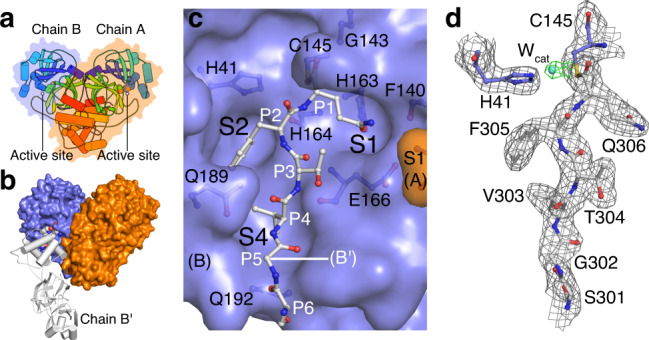
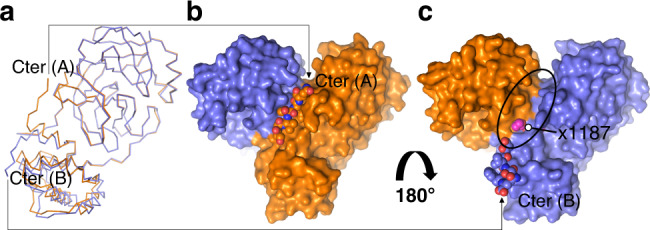
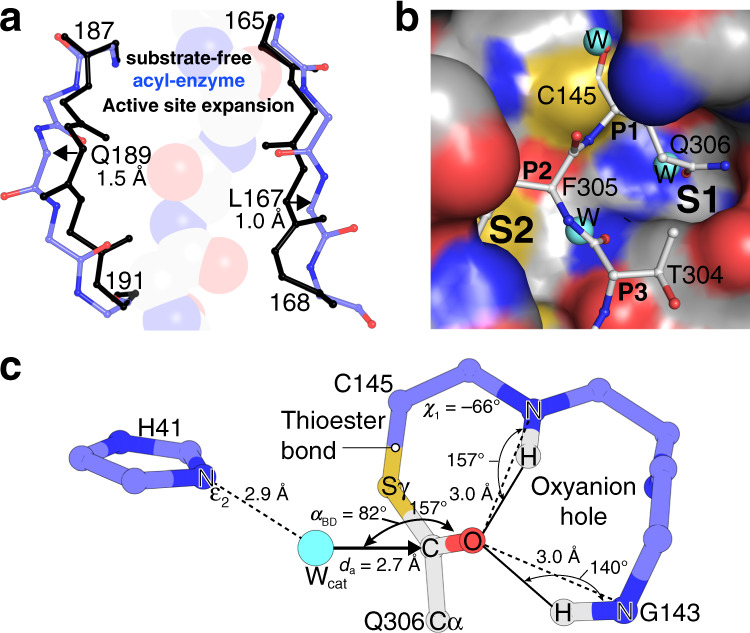
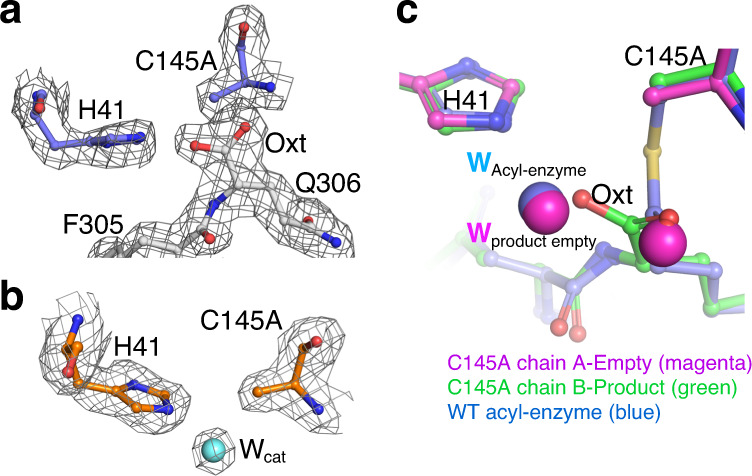
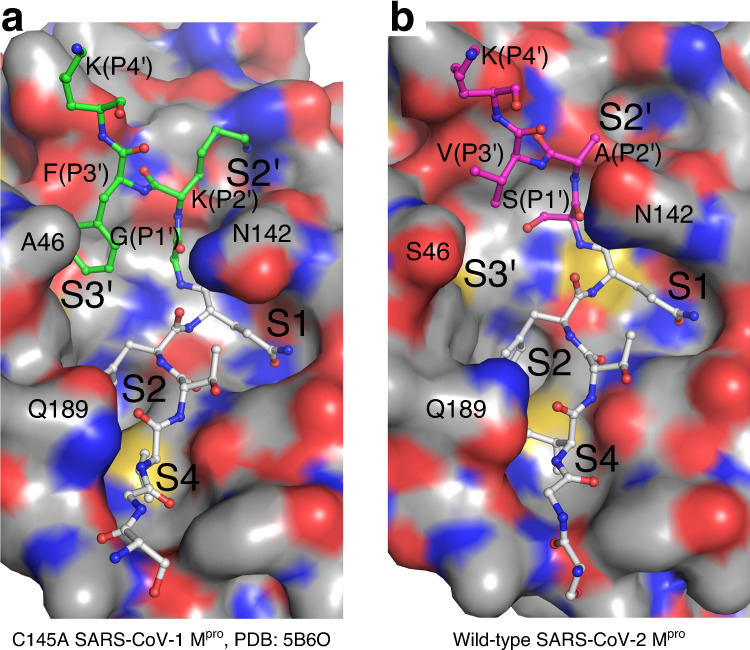
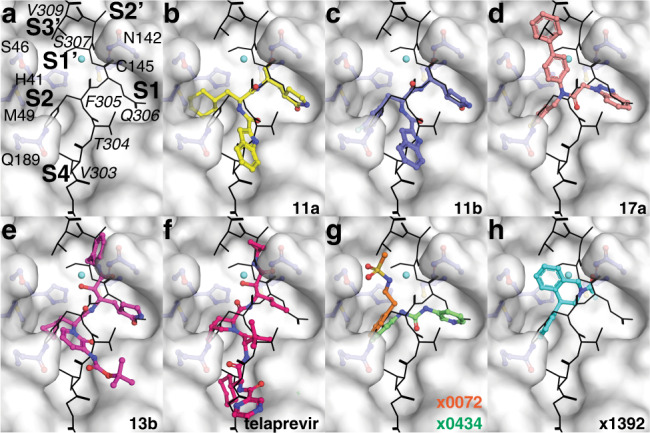
Severe Acute Respiratory Syndrome Coronavirus 2 (SARS-CoV-2), the pathogen that causes the disease COVID-19, produces replicase polyproteins 1a and 1ab that contain, respectively, 11 or 16 nonstructural proteins (nsp). Nsp5 is the main protease (M) responsible for cleavage at eleven positions along these polyproteins, including at its own N- and C-terminal boundaries, representing essential processing events for subsequent viral assembly and maturation. We have determined X-ray crystallographic structures of this cysteine protease in its wild-type free active site state at 1.8 Å resolution, in its acyl-enzyme intermediate state with the native C-terminal autocleavage sequence at 1.95 Å resolution and in its product bound state at 2.0 Å resolution by employing an active site mutation (C145A). We characterize the stereochemical features of the acyl-enzyme intermediate including critical hydrogen bonding distances underlying catalysis in the Cys/His dyad and oxyanion hole. We also identify a highly ordered water molecule in a position compatible for a role as the deacylating nucleophile in the catalytic mechanism and characterize the binding groove conformational changes and dimerization interface that occur upon formation of the acyl-enzyme. Collectively, these crystallographic snapshots provide valuable mechanistic and structural insights for future antiviral therapeutic development including revised molecular docking strategies based on M inhibition.
严重急性呼吸综合征冠状病毒 2 (SARS-CoV-2)是导致 COVID-19 疾病的病原体,它产生复制酶多聚蛋白 1a 和 1ab,分别包含 11 或 16 种非结构蛋白 (nsp)。Nsp5 是主要蛋白酶 (M),负责在这些多聚蛋白的 11 个位置进行切割,包括其自身的 N 端和 C 端边界,这是后续病毒组装和成熟的关键加工事件。我们通过在活性位点突变 (C145A) 的情况下,以 1.8Å 的分辨率确定了该半胱氨酸蛋白酶在其野生型自由活性位点状态、具有天然 C 端自切割序列的酰基-酶中间状态和与产物结合状态下的 X 射线晶体结构。我们描述了酰基-酶中间物的立体化学特征,包括在 Cys/His 二联体和氧阴离子穴中催化的关键氢键距离。我们还在一个位置上鉴定出一个高度有序的水分子,该位置适合作为催化机制中的脱酰基亲核试剂,并描述了在形成酰基-酶时发生的结合槽构象变化和二聚化界面。总的来说,这些晶体学快照为未来的抗病毒治疗开发提供了有价值的机制和结构见解,包括基于 M 抑制的修订分子对接策略。