Department of Disease Control, Faculty of Veterinary Medicine, Hokkaido University, Sapporo, Japan.
Department of Advanced Pharmaceutics, Faculty of Veterinary Medicine, Hokkaido University, Sapporo, Japan.
PLoS One. 2020 Nov 20;15(11):e0234218. doi: 10.1371/journal.pone.0234218. eCollection 2020.
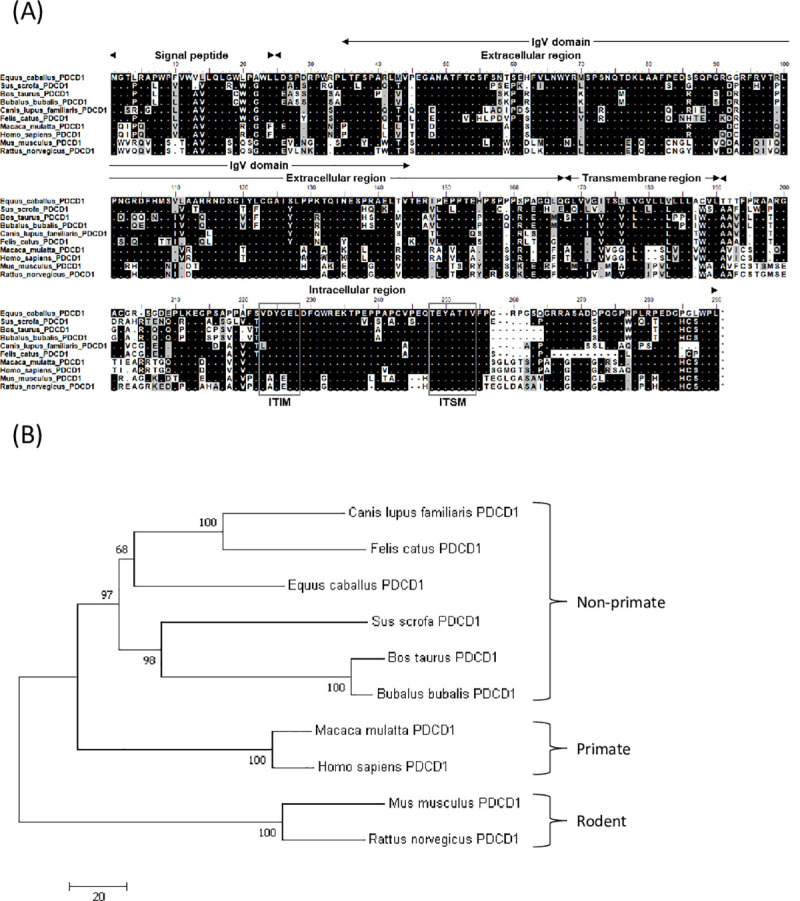
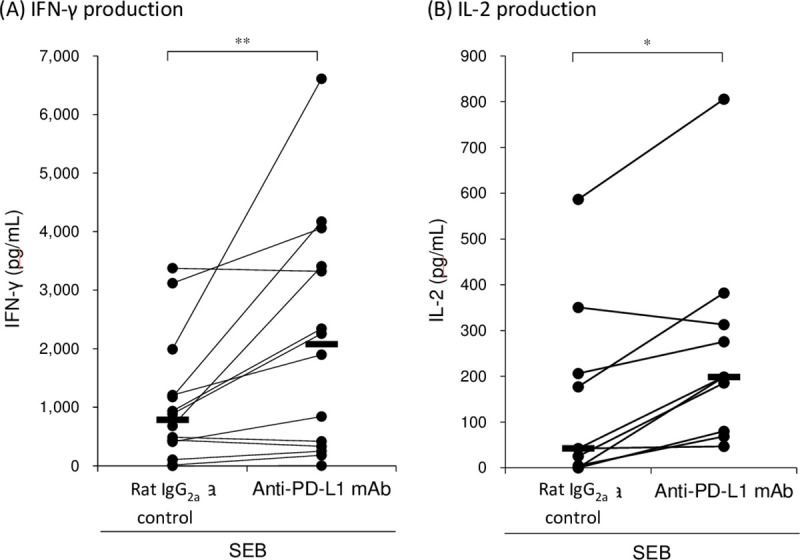
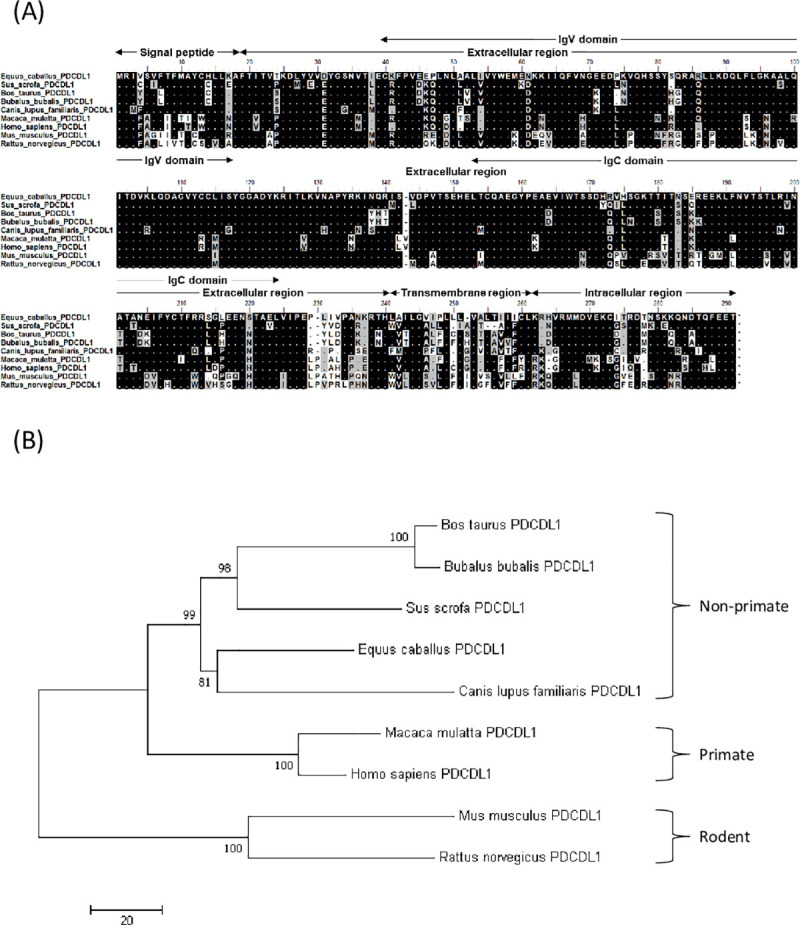
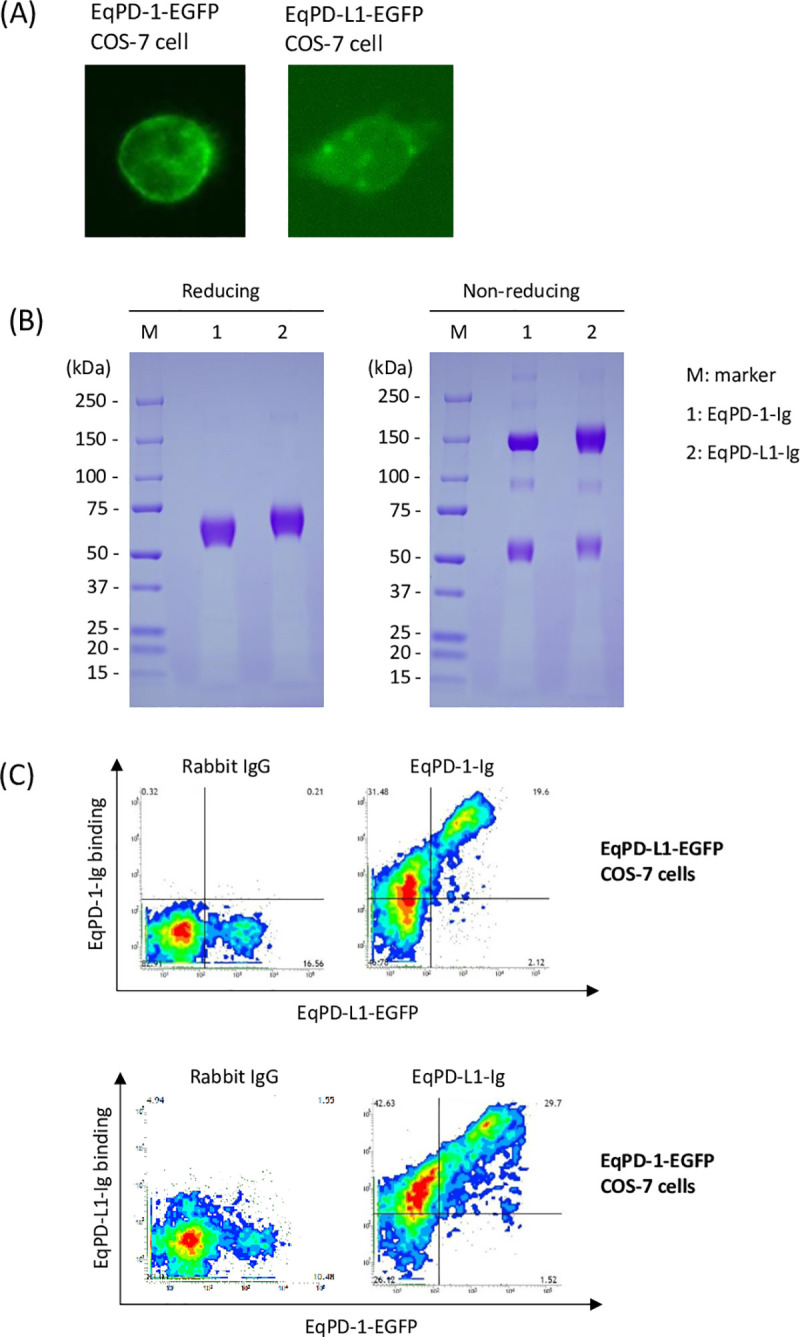
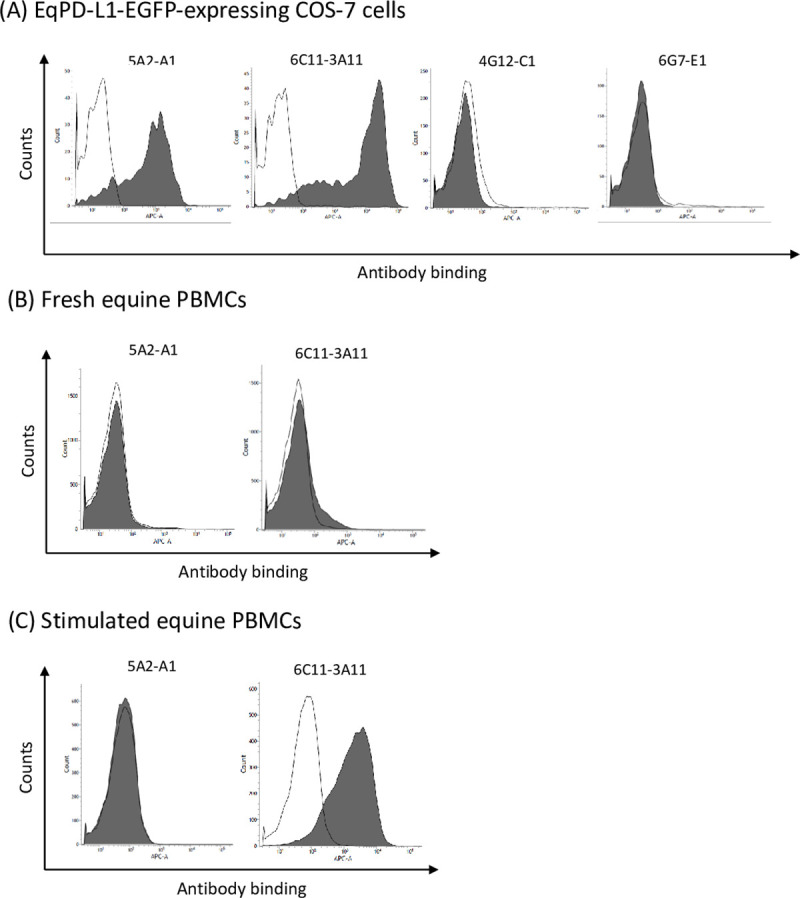
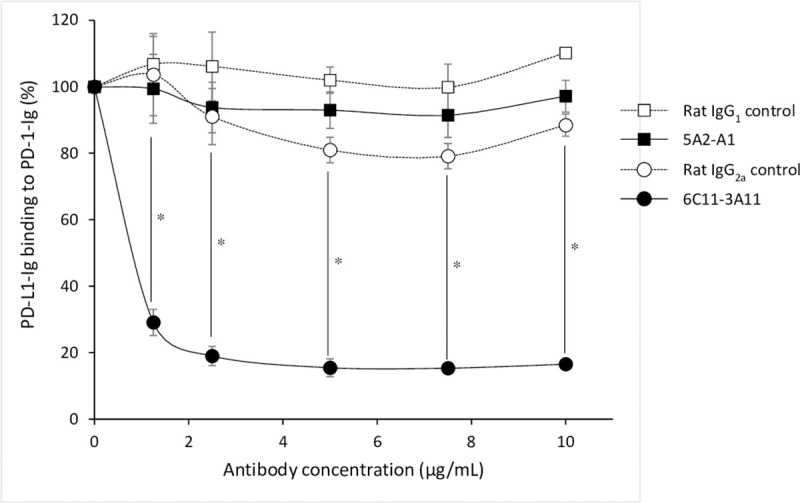
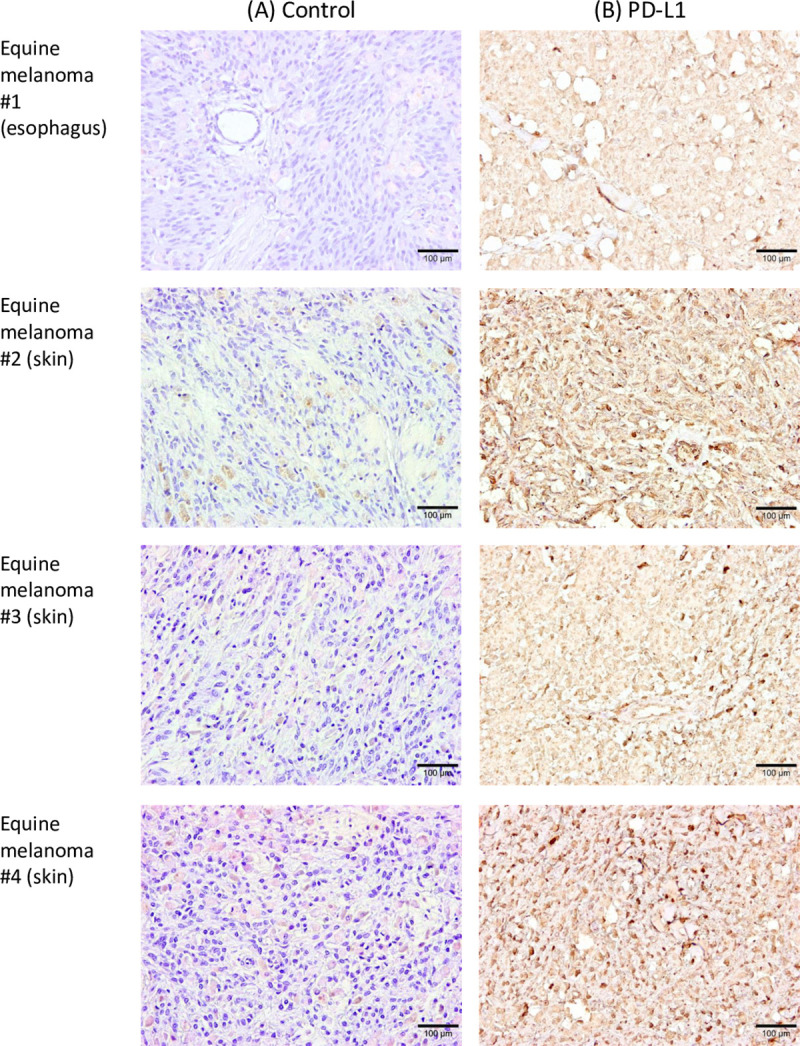
Programmed death-1 (PD-1) is an immunoinhibitory receptor expressed on lymphocytes. Interaction of PD-1 with its ligand PD-ligand 1 (PD-L1) delivers inhibitory signals and impairs proliferation, cytokine production, and cytotoxicity of T cells. In our previous studies, we have developed anti-bovine PD-L1 monoclonal antibodies (mAbs) and reported that the PD-1/PD-L1 pathway was closely associated with T-cell exhaustion and disease progression in bovine chronic infections and canine tumors. Furthermore, we found that blocking antibodies that target PD-1 and PD-L1 restore T-cell functions and could be used in immunotherapy in cattle and dogs. However, the immunological role of the PD-1/PD-L1 pathway for chronic equine diseases, including tumors, remains unclear. In this study, we identified cDNA sequences of equine PD-1 (EqPD-1) and PD-L1 (EqPD-L1) and investigated the role of anti-bovine PD-L1 mAbs against EqPD-L1 using in vitro assays. In addition, we evaluated the expression of PD-L1 in tumor tissues of equine malignant melanoma (EMM). The amino acid sequences of EqPD-1 and EqPD-L1 share a considerable identity and similarity with homologs from non-primate species. Two clones of the anti-bovine PD-L1 mAbs recognized EqPD-L1 in flow cytometry, and one of these cross-reactive mAbs blocked the binding of equine PD-1/PD-L1. Of note, immunohistochemistry confirmed the PD-L1 expression in EMM tumor tissues. A cultivation assay revealed that PD-L1 blockade enhanced the production of Th1 cytokines in equine immune cells. These findings showed that our anti-PD-L1 mAbs would be useful for analyzing the equine PD-1/PD-L1 pathway. Further research is warranted to discover the immunological role of PD-1/PD-L1 in chronic equine diseases and elucidate a future application in immunotherapy for horses.
程序性死亡受体 1(PD-1)是一种表达于淋巴细胞上的免疫抑制受体。PD-1 与其配体 PD-L1 相互作用传递抑制信号,损害 T 细胞的增殖、细胞因子产生和细胞毒性。在我们之前的研究中,我们开发了抗牛 PD-L1 单克隆抗体(mAbs),并报告 PD-1/PD-L1 途径与牛慢性感染和犬肿瘤中的 T 细胞耗竭和疾病进展密切相关。此外,我们发现针对 PD-1 和 PD-L1 的阻断抗体可恢复 T 细胞功能,并可用于牛和犬的免疫治疗。然而,PD-1/PD-L1 途径对包括肿瘤在内的慢性马疾病的免疫学作用尚不清楚。在这项研究中,我们鉴定了马 PD-1(EqPD-1)和 PD-L1(EqPD-L1)的 cDNA 序列,并使用体外试验研究了抗牛 PD-L1 mAbs 对 EqPD-L1 的作用。此外,我们评估了马恶性黑色素瘤(EMM)肿瘤组织中 PD-L1 的表达。EqPD-1 和 EqPD-L1 的氨基酸序列与非灵长类动物的同源物具有相当大的同一性和相似性。两种抗牛 PD-L1 mAbs 的克隆在流式细胞术中识别 EqPD-L1,其中一种交叉反应性 mAb 阻断了马 PD-1/PD-L1 的结合。值得注意的是,免疫组织化学证实了 EMM 肿瘤组织中 PD-L1 的表达。培养试验显示,PD-L1 阻断增强了马免疫细胞中 Th1 细胞因子的产生。这些发现表明,我们的抗 PD-L1 mAbs 将有助于分析马 PD-1/PD-L1 途径。需要进一步研究以发现 PD-1/PD-L1 在慢性马疾病中的免疫学作用,并阐明其在马免疫治疗中的未来应用。