Xin Laiyun, Gao Jialiang, Lin Hongchen, Qu Yi, Shang Chang, Wang Yuling, Lu Yingdong, Cui Xiangning
The First Clinical Medical College, Shandong University of Traditional Chinese Medicine, Jinan, China.
Department of Cardiology, Guang' anmen Hospital, China Academy of Chinese Medical Sciences, Beijing, China.
Front Pharmacol. 2020 Nov 2;11:583200. doi: 10.3389/fphar.2020.583200. eCollection 2020.
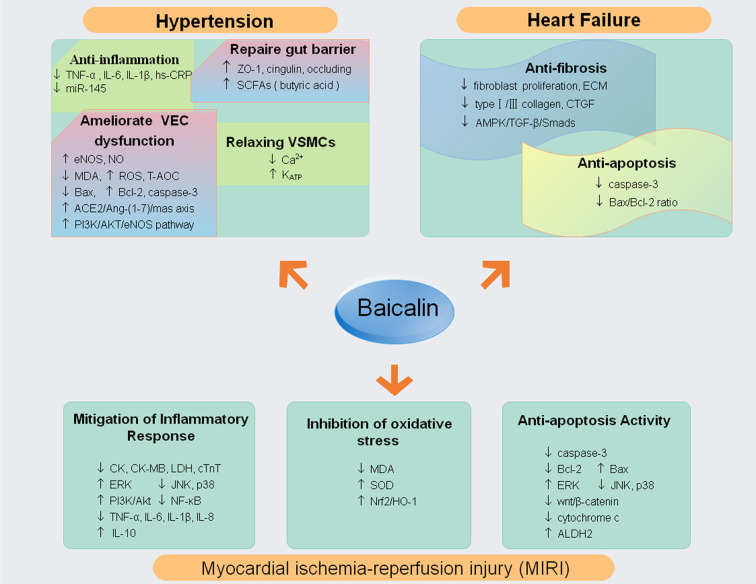
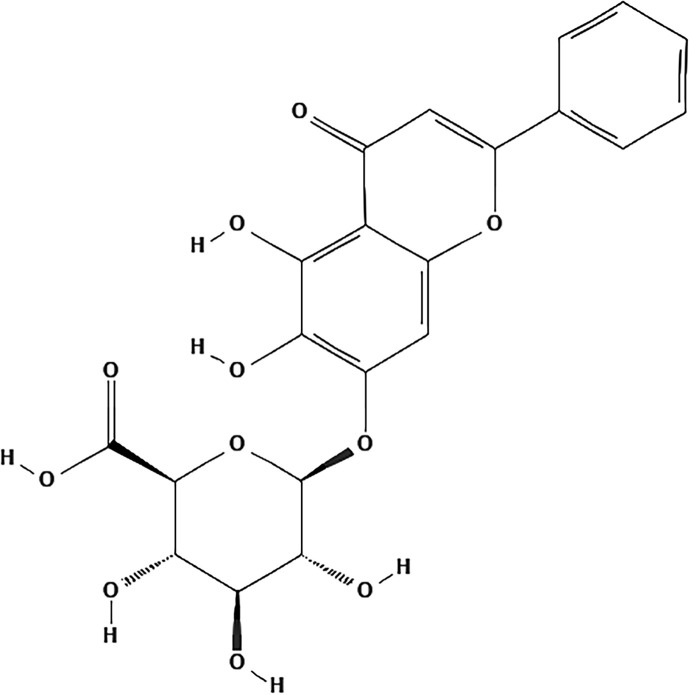
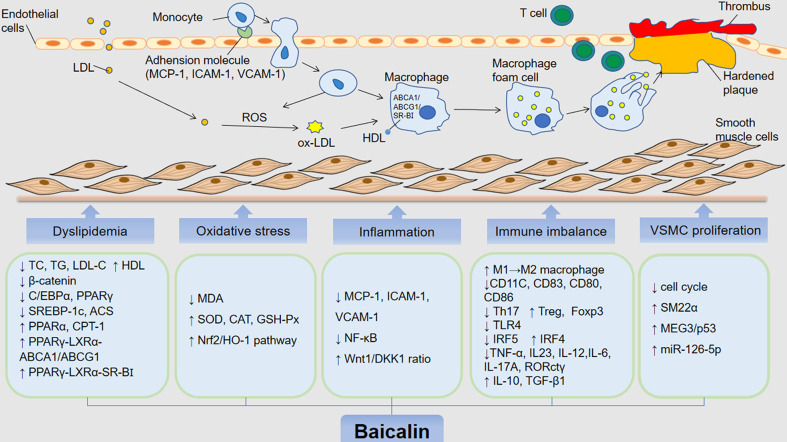
Cardiovascular diseases (CVDs) is the leading cause of high morbidity and mortality worldwide, which emphasizes the urgent necessity to develop new pharmacotherapies. In eastern countries, traditional Chinese medicine has been used clinically for thousands of years. Baicalin is one of the main active ingredients extracted from Chinese herbal medicine . Emerging evidence has established that baicalin improves chronic inflammation, immune imbalance, disturbances in lipid metabolism, apoptosis and oxidative stress. Thereby it offers beneficial roles against the initiation and progression of CVDs such as atherosclerosis, hypertension, myocardial infarction and reperfusion, and heart failure. In this review, we summarize the pharmacological features and relevant mechanisms by which baicalin regulates CVDs in the hope to reveal its application for CVDs prevention and/or therapy.
心血管疾病(CVDs)是全球高发病率和高死亡率的主要原因,这凸显了开发新药物疗法的迫切必要性。在东方国家,传统中药已经在临床上使用了数千年。黄芩苷是从草药中提取的主要活性成分之一。新出现的证据表明,黄芩苷可改善慢性炎症、免疫失衡、脂质代谢紊乱、细胞凋亡和氧化应激。因此,它对动脉粥样硬化、高血压、心肌梗死和再灌注以及心力衰竭等心血管疾病的发生和发展具有有益作用。在这篇综述中,我们总结了黄芩苷调节心血管疾病的药理学特征和相关机制,以期揭示其在心血管疾病预防和/或治疗中的应用。