Dubuissez Marion, Paget Sonia, Abdelfettah Souhila, Spruyt Nathalie, Dehennaut Vanessa, Boulay Gaylor, Loison Ingrid, de Schutter Clementine, Rood Brian R, Duterque-Coquillaud Martine, Leroy Xavier, Leprince Dominique
University Lille, CNRS, INSERM, Institut Pasteur de Lille, UMR9020-UMR-S1277 - Canther - Cancer Heterogeneity, Plasticity and Resistance to Therapies, Lille, France.
Present Address: Maisonneuve-Rosemont Hospital Research Center, Maisonneuve-Rosemont Hospital, Montreal, Canada.
Oncotarget. 2020 Nov 10;11(45):4138-4154. doi: 10.18632/oncotarget.27786.
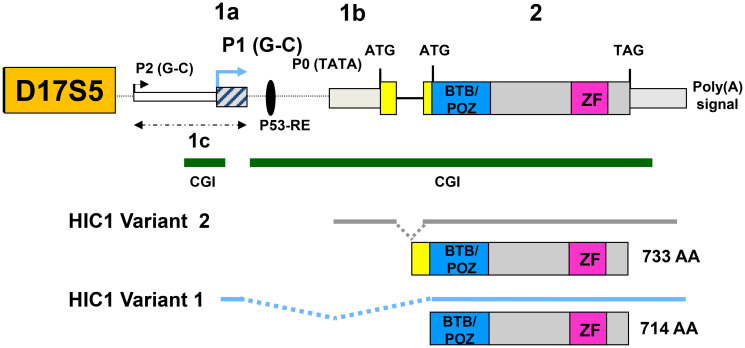
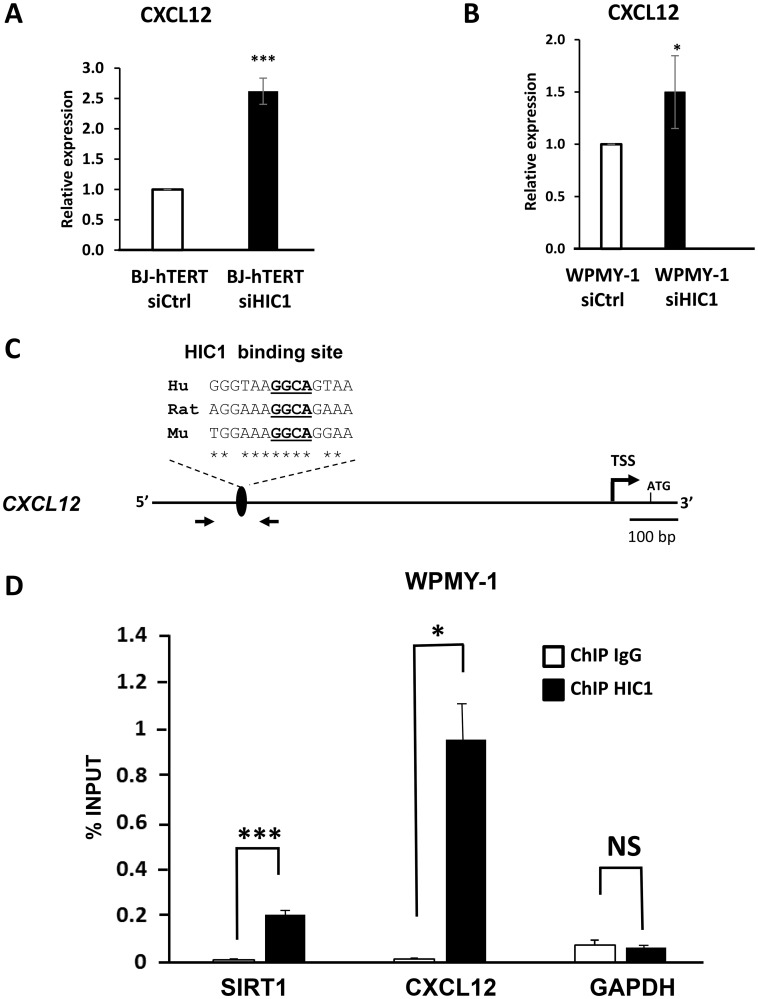
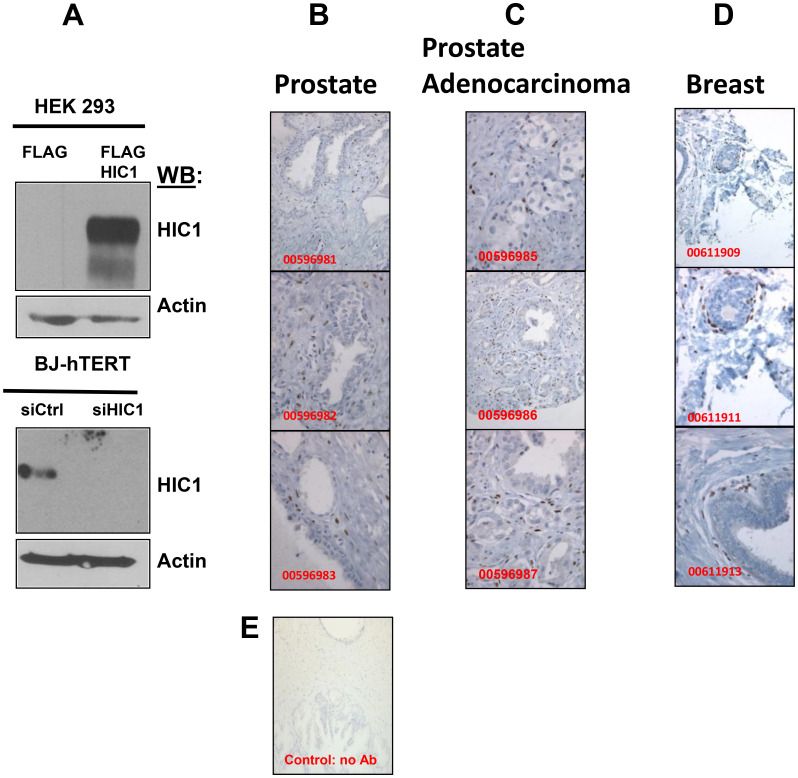
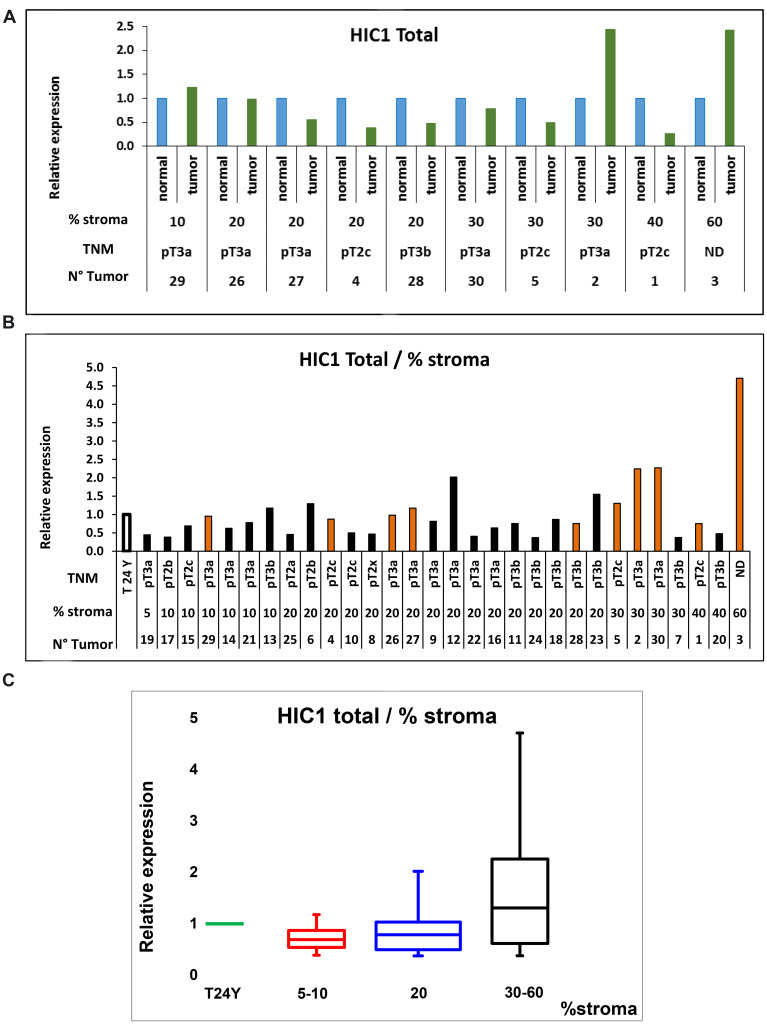
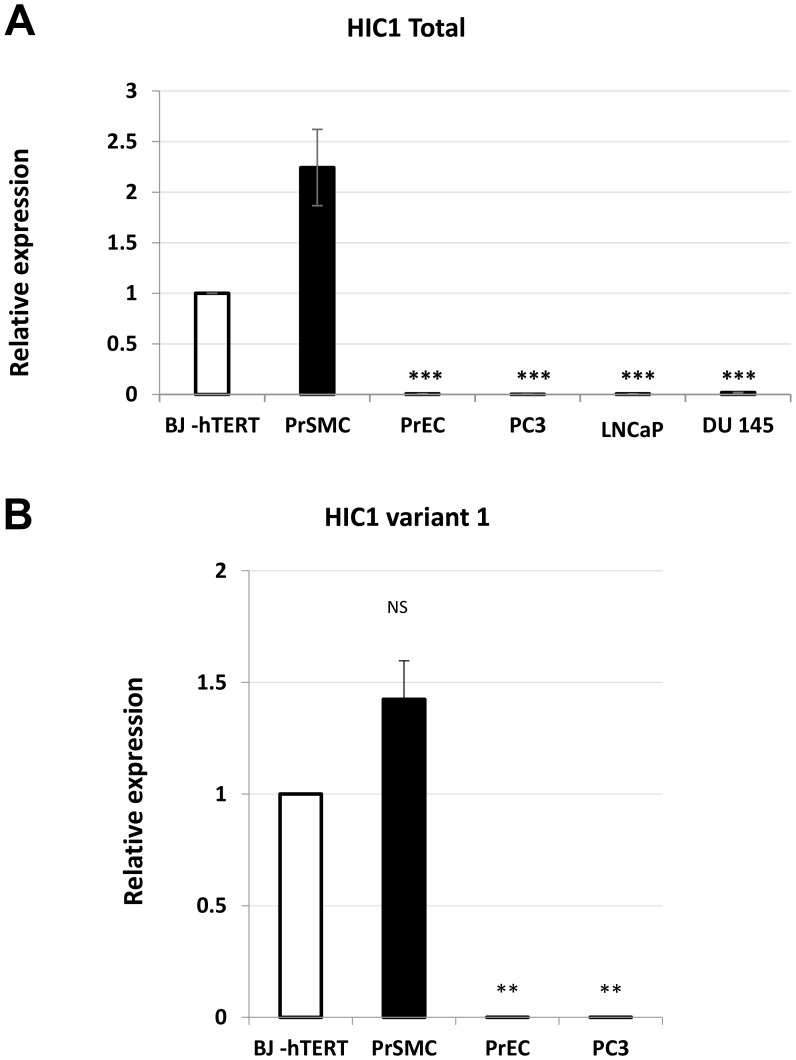
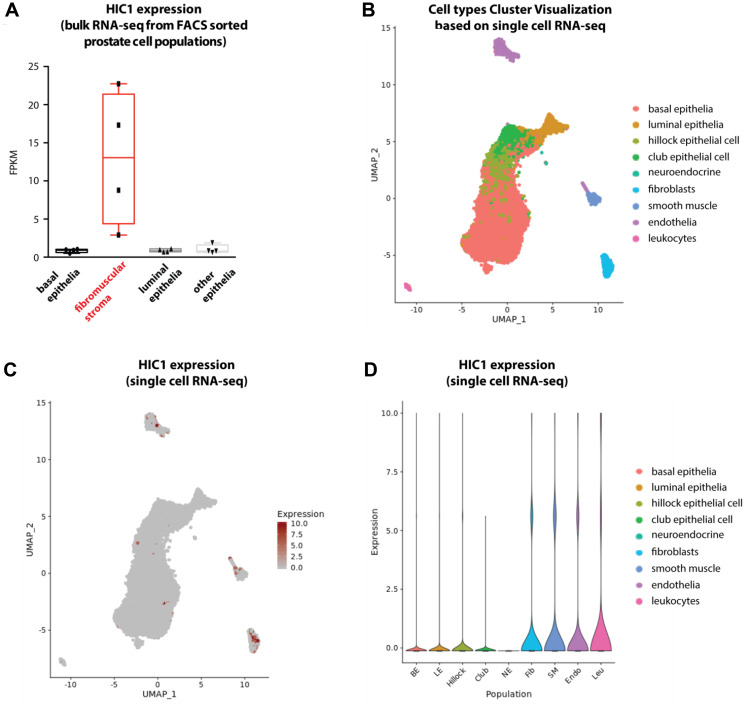
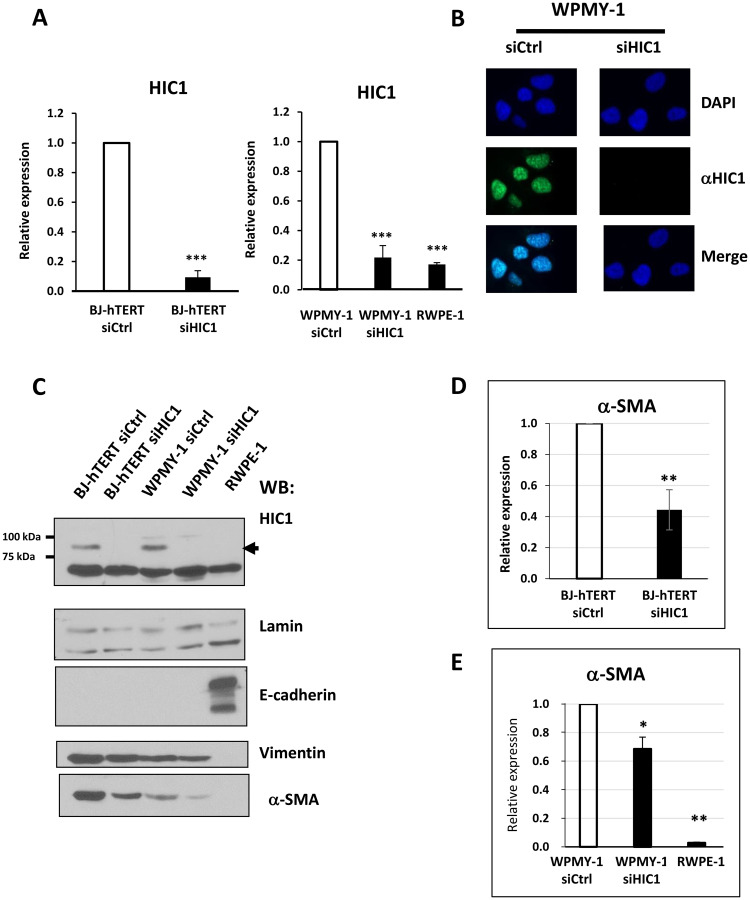
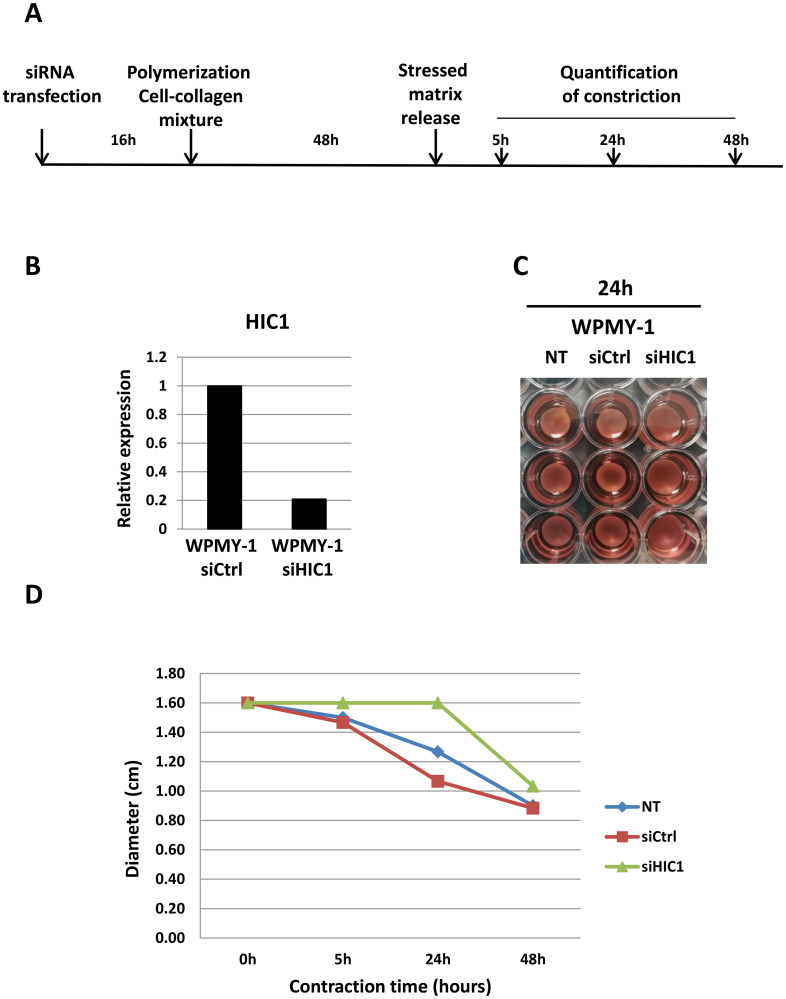
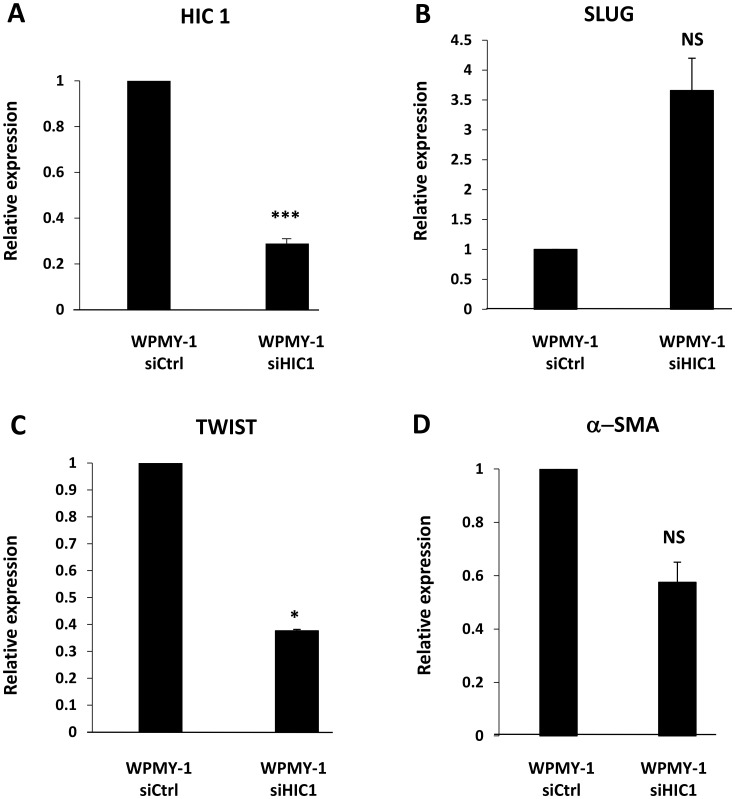
() a tumor suppressor gene located at 17p13.3, is frequently deleted or epigenetically silenced in many human tumors. encodes a transcriptional repressor involved in various aspects of the DNA damage response and in complex regulatory loops with P53 and SIRT1. expression in normal prostate tissues has not yet been investigated in detail. Here, we demonstrated by immunohistochemistry that detectable expression is restricted to the stroma of both normal and tumor prostate tissues. By RT-qPCR, we showed that is poorly expressed in all tested prostate epithelial lineage cell types: primary (PrEC), immortalized (RWPE1) or transformed androgen-dependent (LnCAP) or androgen-independent (PC3 and DU145) prostate epithelial cells. By contrast, is strongly expressed in primary PrSMC and immortalized (WMPY-1) prostate myofibroblastic cells. depletion in WPMY-1 cells induced decreases in α-SMA expression and contractile capability. In addition to , we identified stromal cell-derived factor 1/C-X-C motif chemokine 12 (CXCL12) as a new HIC1 direct target-gene. Thus, our results identify as a tumor suppressor gene which is poorly expressed in the epithelial cells targeted by the tumorigenic process. is expressed in stromal myofibroblasts and regulates expression, thereby highlighting a complex interplay mediating the tumor promoting activity of the tumor microenvironment. Our studies provide new insights into the role of HIC1 in normal prostatic epithelial-stromal interactions through direct repression of and new mechanistic clues on how its loss of function through promoter hypermethylation during aging could contribute to prostatic tumors.
位于17p13.3的一种肿瘤抑制基因,在许多人类肿瘤中经常发生缺失或表观遗传沉默。它编码一种转录抑制因子,参与DNA损伤反应的各个方面以及与P53和SIRT1的复杂调控环路。其在正常前列腺组织中的表达尚未得到详细研究。在这里,我们通过免疫组织化学证明,可检测到的该基因表达仅限于正常和肿瘤前列腺组织的基质。通过RT-qPCR,我们表明该基因在所有测试的前列腺上皮谱系细胞类型中表达水平较低:原代(PrEC)、永生化(RWPE1)或转化的雄激素依赖性(LnCAP)或雄激素非依赖性(PC3和DU145)前列腺上皮细胞。相比之下,该基因在原代PrSMC和永生化(WMPY-1)前列腺肌成纤维细胞中强烈表达。WPMY-1细胞中该基因的缺失导致α-SMA表达和收缩能力下降。除了该基因,我们还鉴定出基质细胞衍生因子1/C-X-C基序趋化因子12(CXCL12)是一个新的HIC1直接靶基因。因此,我们的结果确定该基因为一种肿瘤抑制基因,在致瘤过程所靶向的上皮细胞中表达水平较低。它在基质肌成纤维细胞中表达并调节相关基因表达,从而突出了介导肿瘤微环境促肿瘤活性的复杂相互作用。我们的研究通过直接抑制相关基因,为HIC1在正常前列腺上皮-基质相互作用中的作用提供了新见解,并为其在衰老过程中因启动子高甲基化导致功能丧失如何促成前列腺肿瘤提供了新的机制线索。