Division of Dentistry, Bambino Gesù Children's Research Hospital IRCCS, Rome, Italy.
Dentistry Unit, Department of Pediatric Surgery, Bambino Gesù Children's Research Hospital, Viale Baldelli 41, 00146, Rome, Italy.
Orphanet J Rare Dis. 2020 Nov 23;15(1):329. doi: 10.1186/s13023-020-01615-1.
Glycogen storage disease type II (GSDII) or Pompe disease is a rare autosomal recessive metabolic disorder that leads to intracellular glycogen storage in many tissues, mainly in skeletal muscle, heart and liver. Facial muscle weakness and altered craniofacial growth are very common in Pompe disease children. In this paper we describe the orofacial features in two children affected by GSDII and illustrate a multidisciplinary approach that involved enzyme replace therapy, non-invasive ventilation (NIV) and pediatric dentistry with 5-year follow-up.
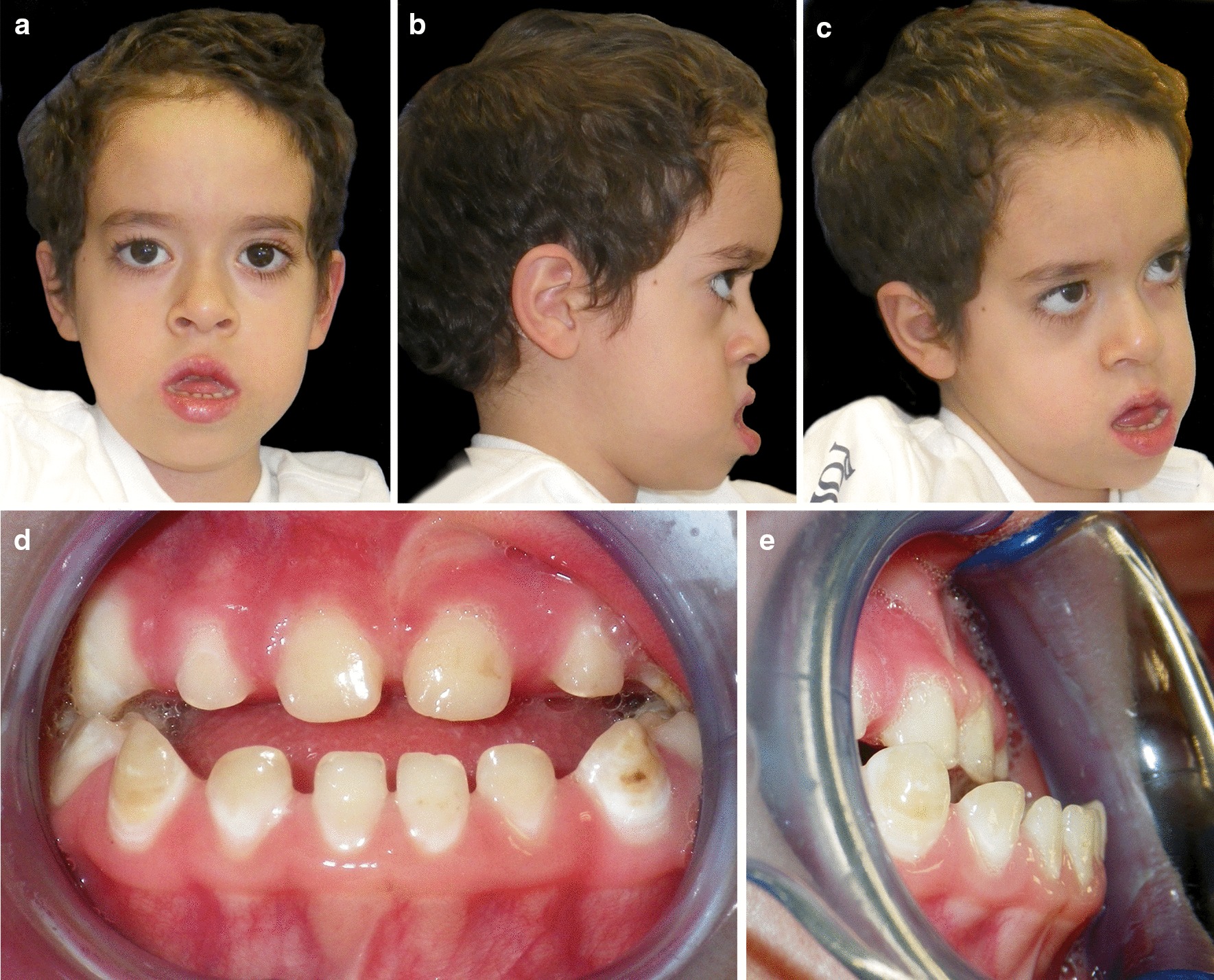
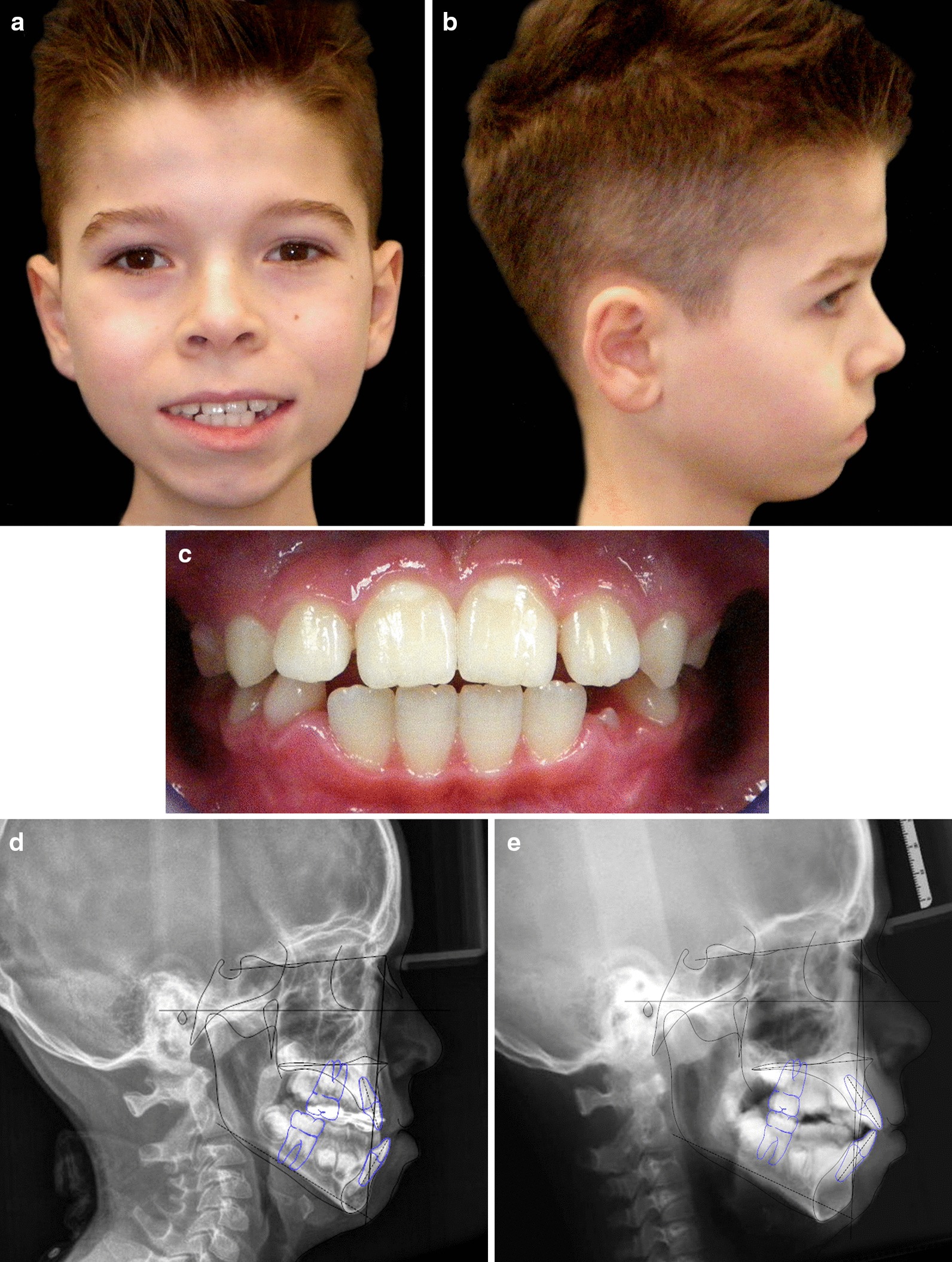
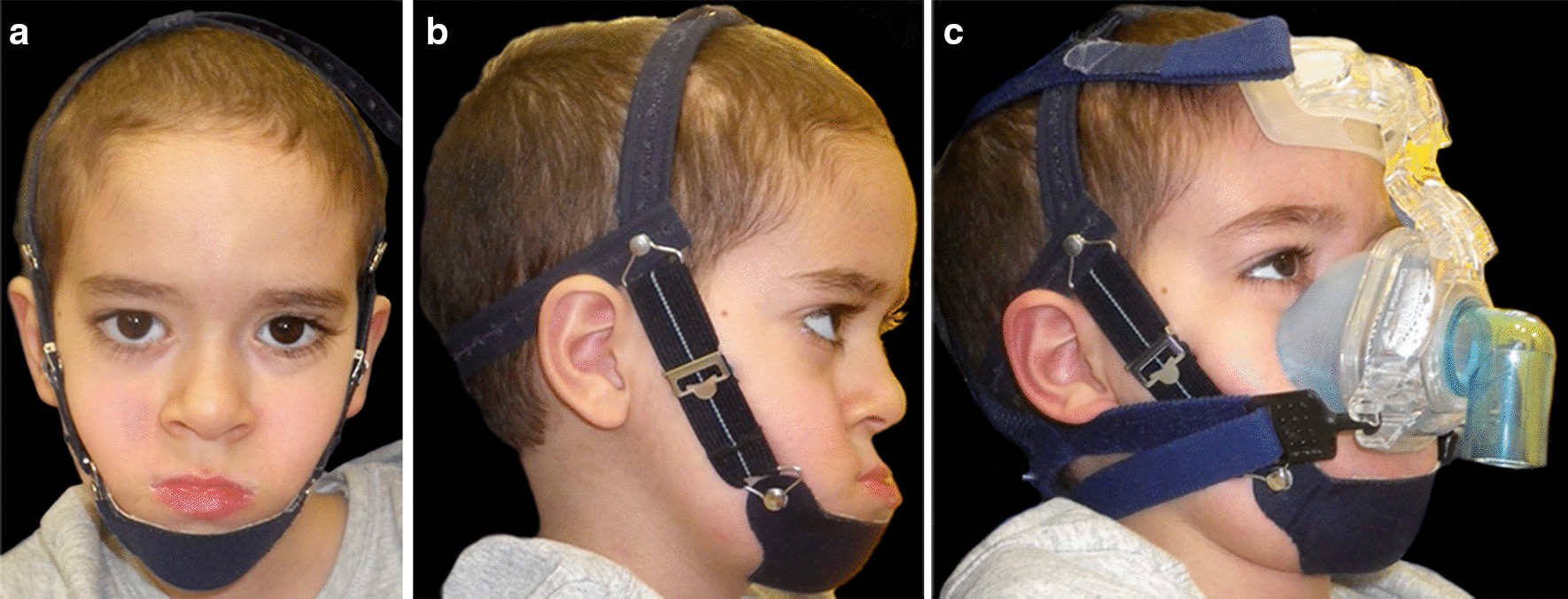
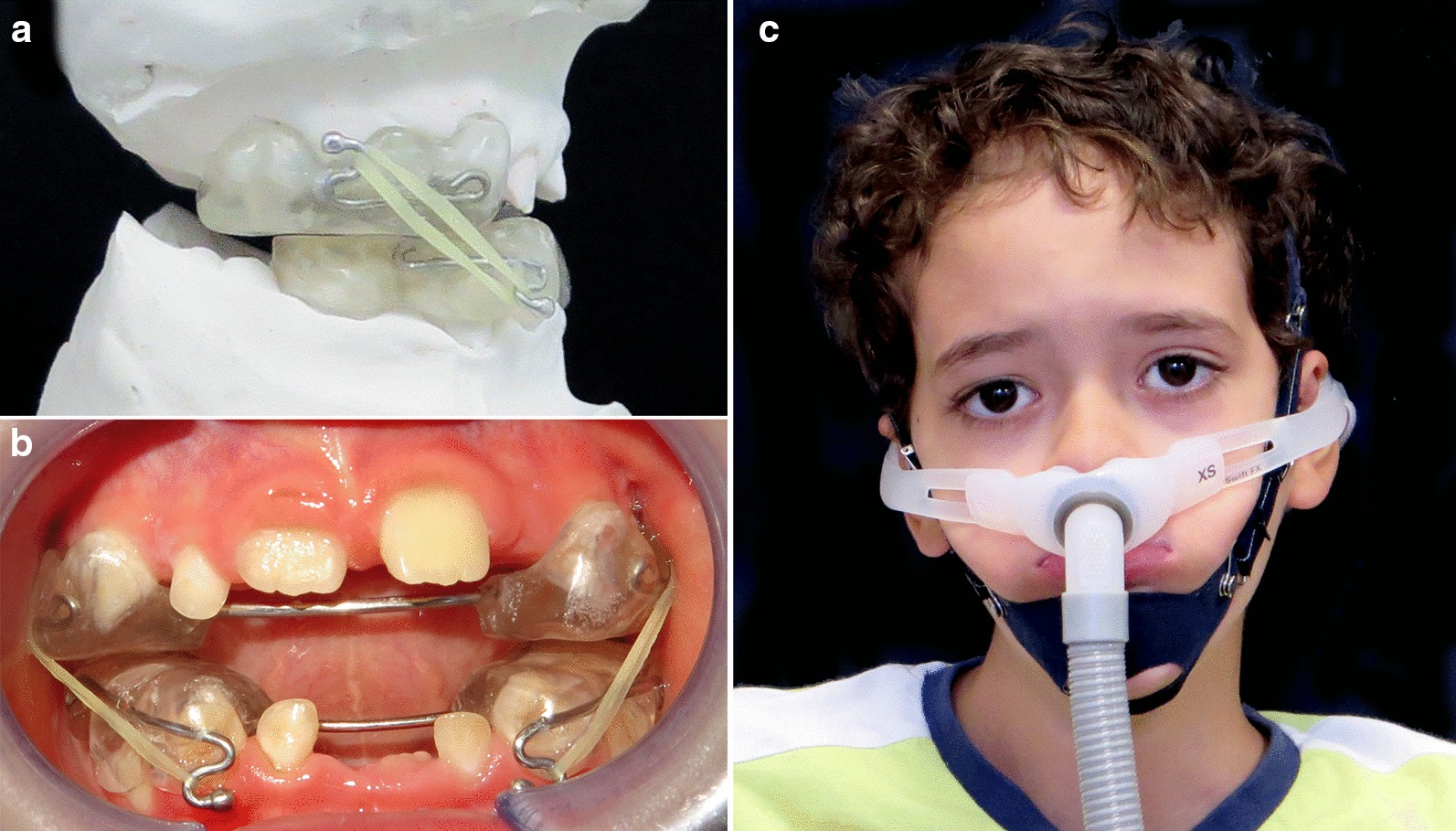
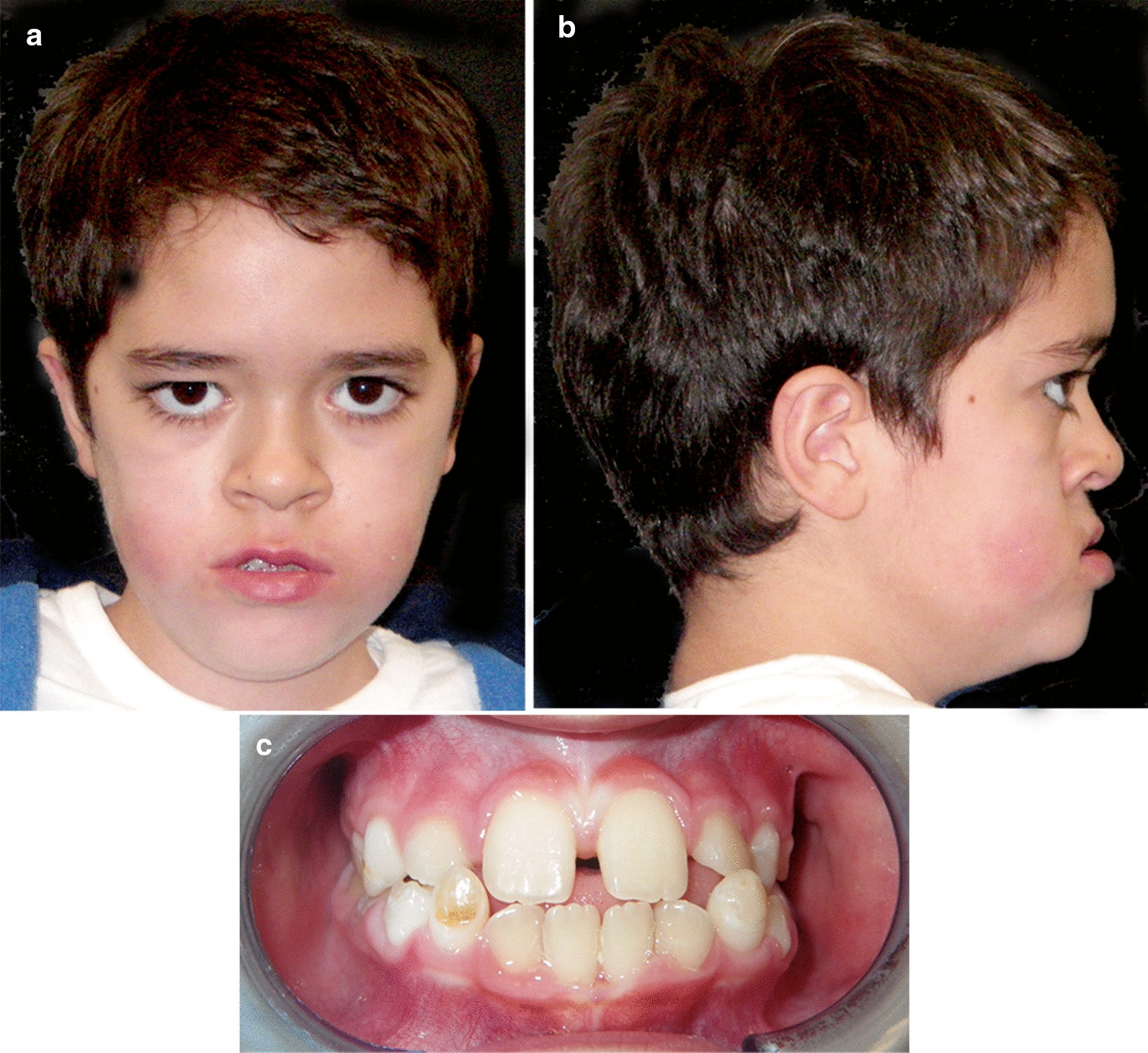
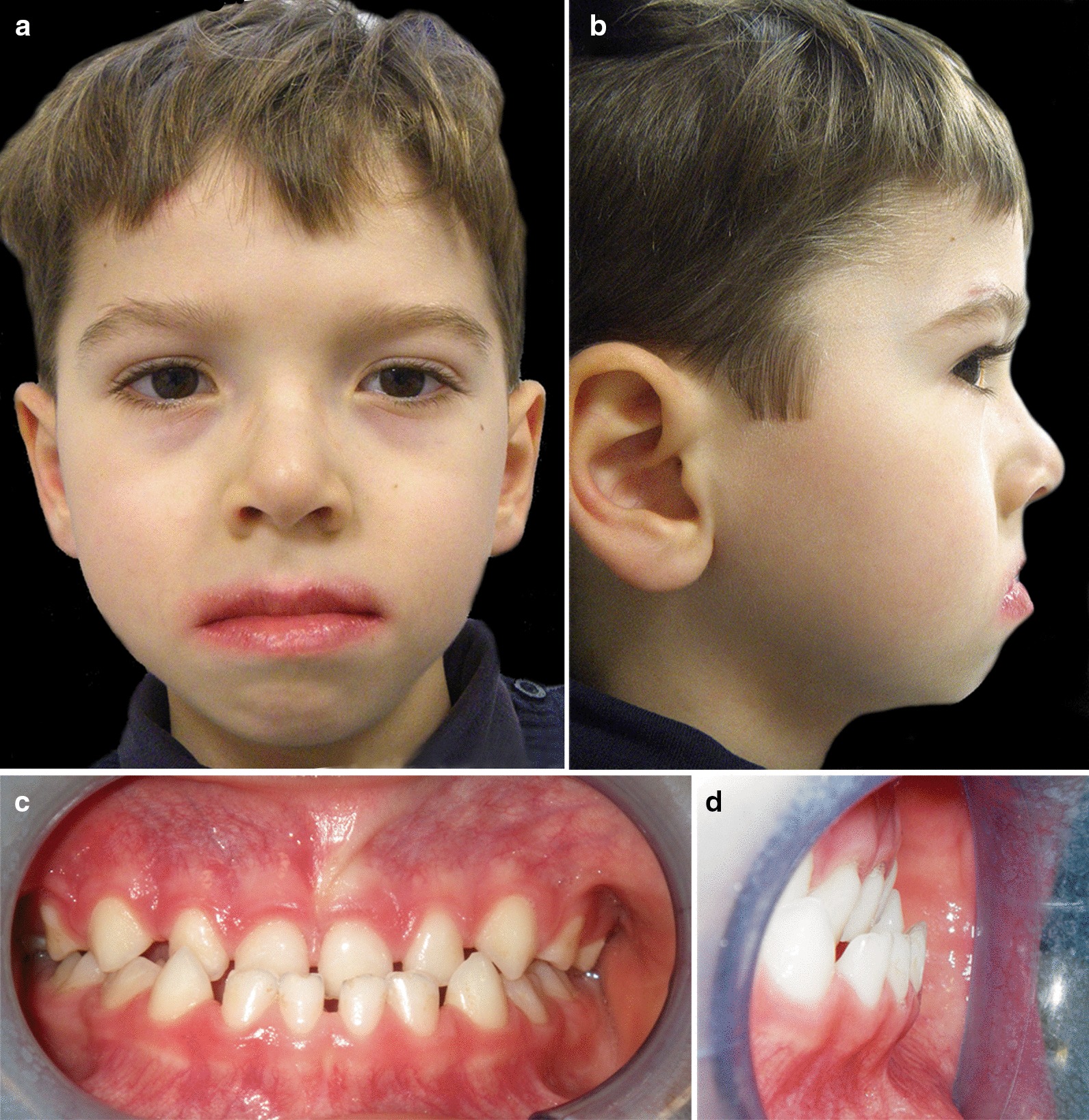
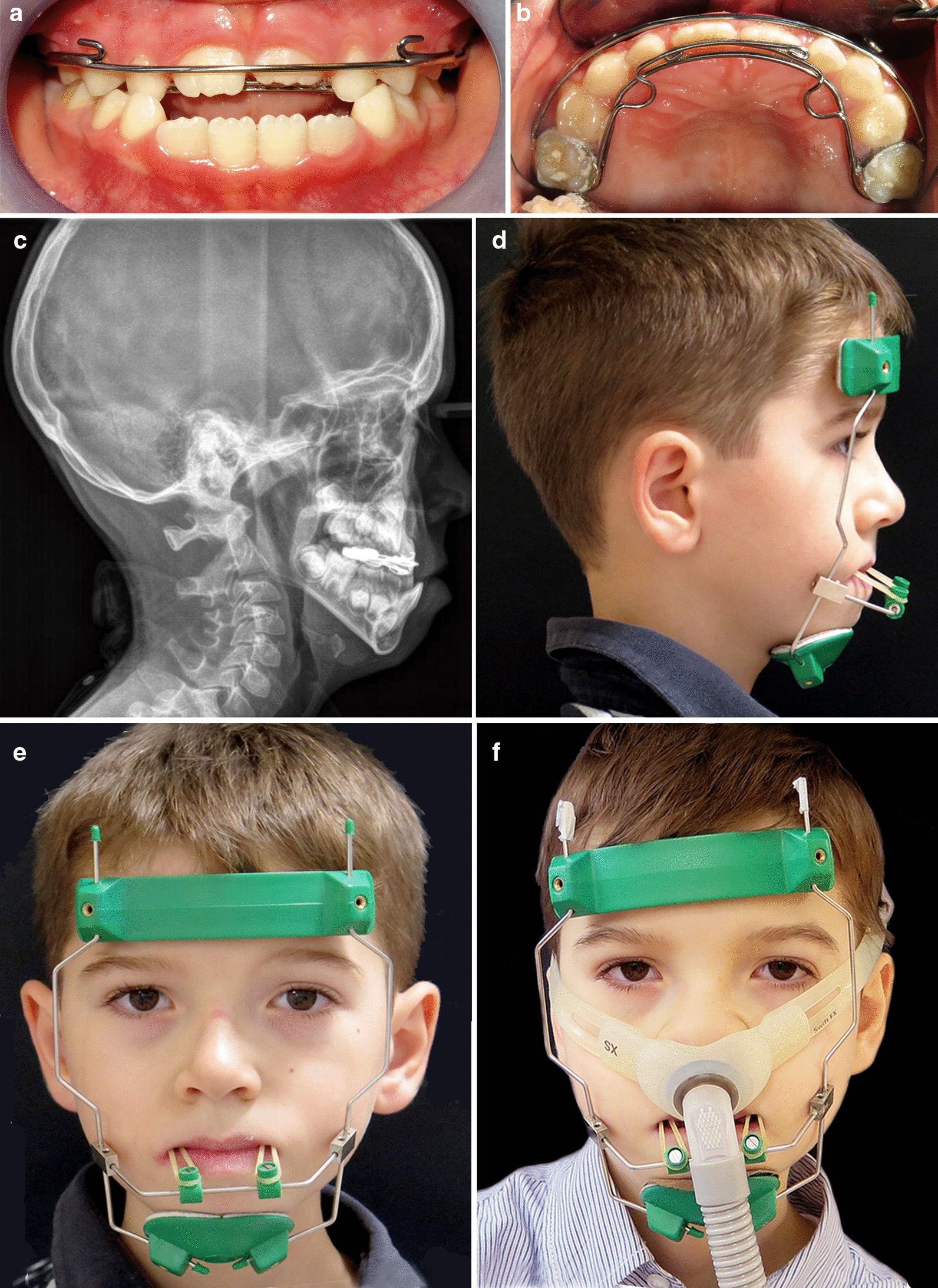
Two Infantile Pompe Disease children were examined by a pediatric dentist at the age of 4 and 5 years old respectively. The orofacial examination showed typical facies with similar features: hypotonia of facial and tongue muscles, lip incompetence, narrow palate with reduction in transversal dimension of the upper dental arch, macroglossia, low position of the tip of the tongue, concave profile, Class III malocclusion with hypoplasia of maxillary-malar area and mandibular prognathism. Myofunctional therapy and orthodontic treatment consisted in oral muscle exercises associated to intraoral and extraoral orthodontic devices. NIV facial mask was substituted with a nasal pillow mask in order to avoid external pressure on the mid-face which negatively influences craniofacial growth.
This paper evidences that the pediatric dentist plays an important role in craniofacial growth control, oral function rehabilitation and, therefore, in the improvement of the quality of life of Pompe children and their families. Therefore an early pediatric dental evalutation should be included in the multidisciplinary management of children suffering from Infantile Pompe Disease.
糖原贮积病 II 型(GSDII)或庞贝病是一种罕见的常染色体隐性代谢疾病,导致许多组织(主要是骨骼肌、心脏和肝脏)内的细胞内糖原储存。面部肌肉无力和颅面生长改变在庞贝病儿童中非常常见。本文描述了两名 GSDII 患儿的口颌面部特征,并展示了一种多学科治疗方法,该方法涉及酶替代治疗、无创通气(NIV)和儿童牙科治疗,并进行了 5 年随访。
两名婴儿型庞贝病患儿分别在 4 岁和 5 岁时接受了儿童牙医的检查。口颌面部检查显示出典型的面容,具有相似的特征:面部和舌肌无力、唇闭合不全、腭狭窄导致上颌牙弓横向尺寸减小、巨舌、舌位低、凹面型、III 类错合,上颌-颧骨区发育不良和下颌前突。肌功能治疗和正畸治疗包括口腔肌肉锻炼以及口内和口外正畸装置。为了避免中面部的外部压力对颅面生长产生负面影响,将 NIV 面罩更换为鼻枕面罩。
本文表明,儿童牙医在控制颅面生长、口腔功能康复方面发挥着重要作用,从而提高了庞贝病患儿及其家庭的生活质量。因此,应在婴儿型庞贝病患儿的多学科管理中纳入早期儿童牙科评估。