Satheesh Dhurairaj, Rajendran Annamalai, Chithra Kasi
Research and Development Centre, Bharathiar University, Coimbatore 641 046, Tamilnadu, India.
PG and Research Department of Chemistry, Loganatha Narayanaswamy Government College (Autonomous), Ponneri 601 204, Tamilnadu, India.
Heliyon. 2020 Nov;6(11):e05544. doi: 10.1016/j.heliyon.2020.e05544. Epub 2020 Nov 19.
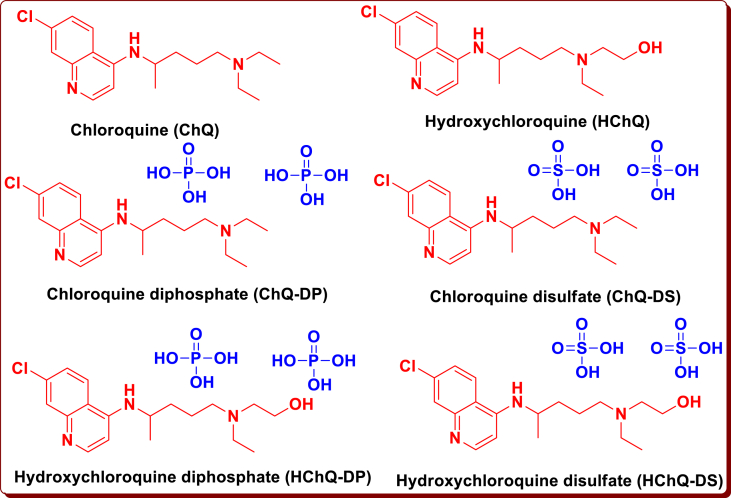
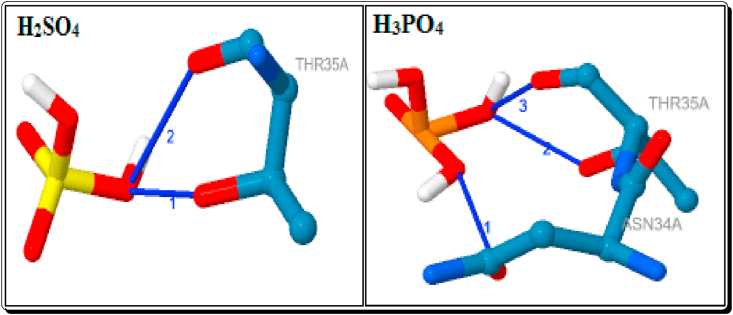
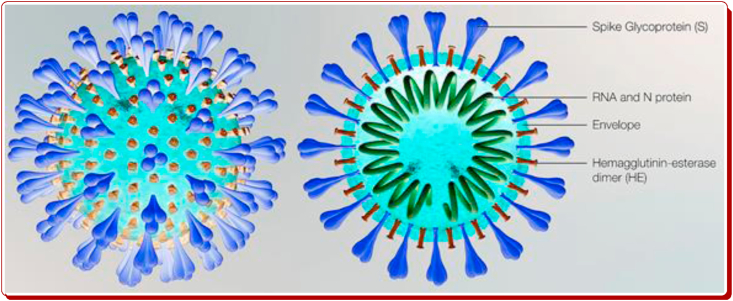
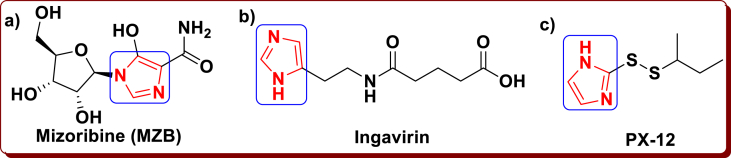
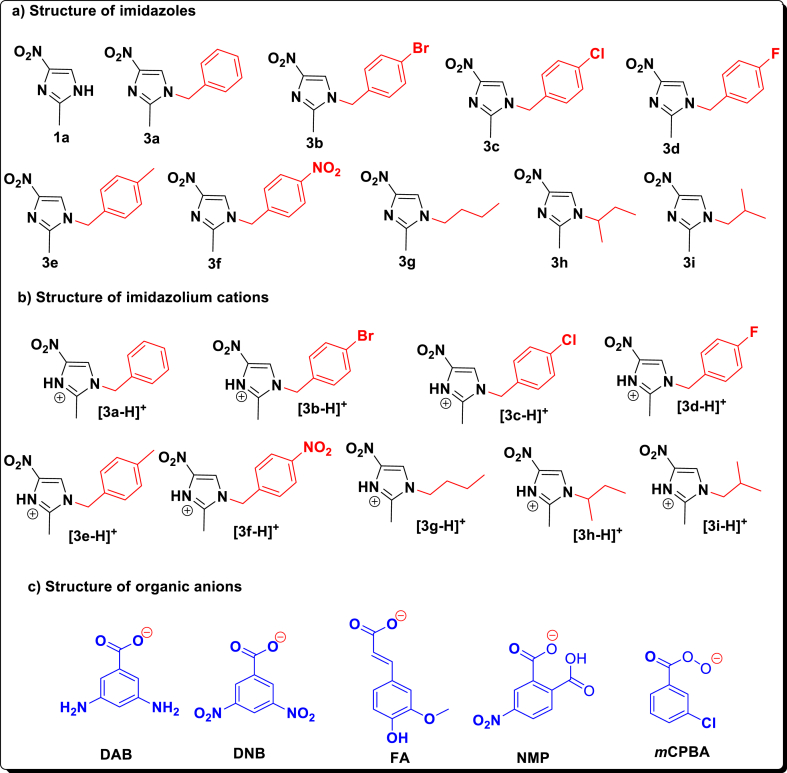
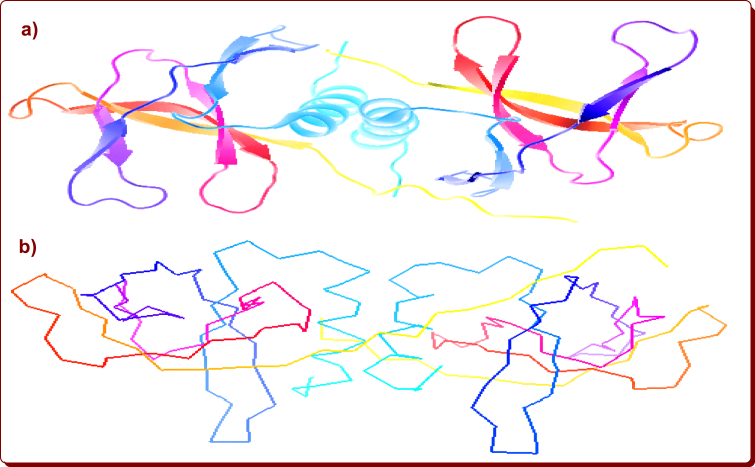
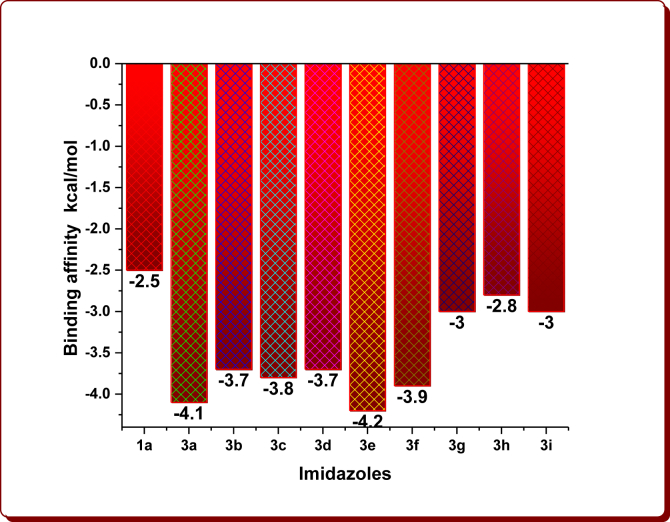
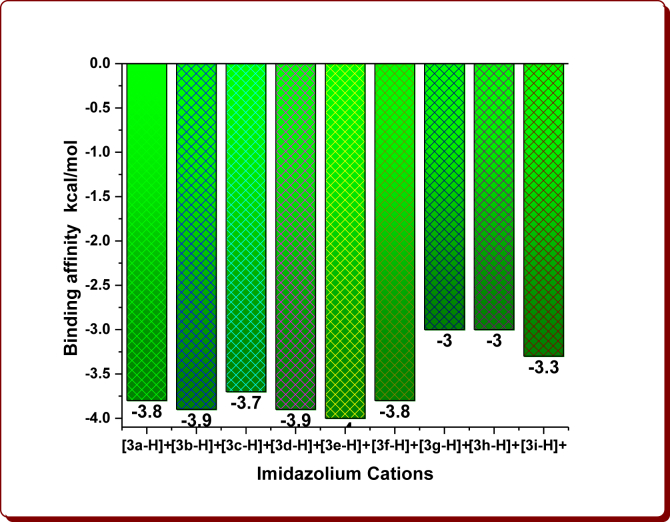
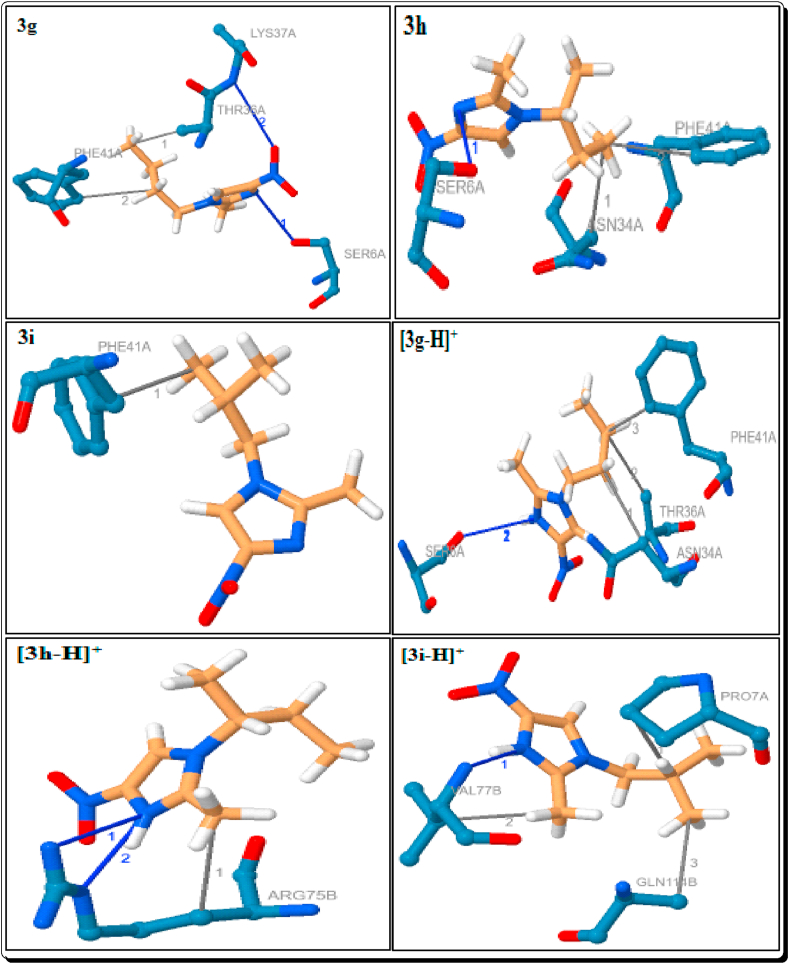
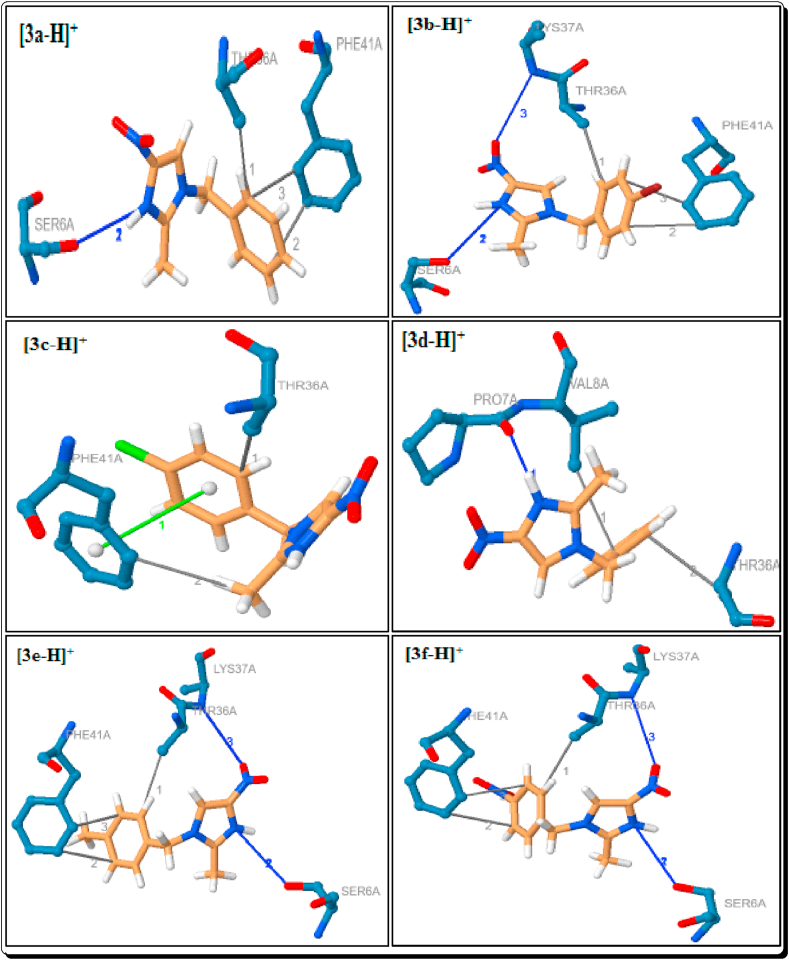
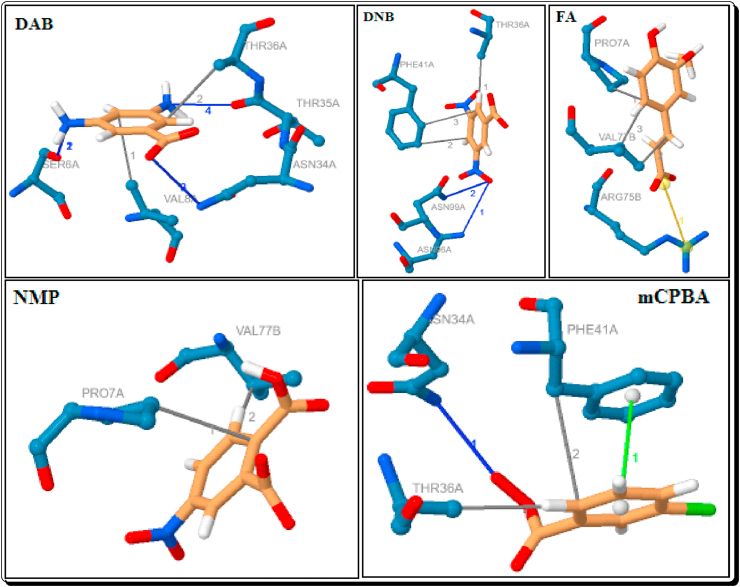
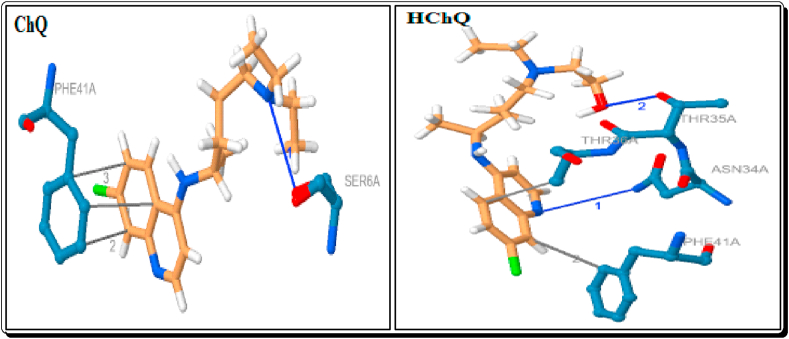
The disease called severe acute respiratory syndrome () is a lifestyle intimidating viral contamination affected by a positive, single stranded novel RNA virus () from the enveloped coronaviruse family. The COVID-2019 virus has affected many people, scattering promptly, and researchers are attempting to find out medicines for its effectual cure in all over the globe. Chloroquine () and its derivatives, an older drug used for the cure of malaria, is exposed to encompass a perceptible feasibility and commendable well-being in opposition to SARS CoV-2 associated pneumonia clinical trials conducted in China. Later on, a few investigations have been directed to find and present SARS CoV-2 antiviral medications. The aim of this present work deals with the potential binding interactions of some imidazolium salts with Nsp9 (Nonstructural protein 9) RNA binding protein of SARS CoV-2.
名为严重急性呼吸综合征(SARS)的疾病是一种令人对生活方式感到恐惧的病毒感染,它由一种来自有包膜冠状病毒家族的阳性单链新型RNA病毒(SARS-CoV-2)引起。2019冠状病毒病病毒已经感染了许多人,传播迅速,全球的研究人员都在试图找到有效治愈它的药物。氯喹及其衍生物是一种用于治疗疟疾的老药,在中国进行的针对与SARS-CoV-2相关肺炎的临床试验中,已显示出对该病毒有明显疗效且安全性良好。后来,人们进行了一些研究以寻找并展示针对SARS-CoV-2的抗病毒药物。本研究的目的是探讨一些咪唑盐与SARS-CoV-2的Nsp9(非结构蛋白9)RNA结合蛋白之间的潜在结合相互作用。