Centre for Cardiovascular Science, The Queen's Medical Research Institute, University of Edinburgh, United Kingdom.
Medical Research Council Centre for Regenerative Medicine, University of Edinburgh, United Kingdom.
EBioMedicine. 2020 Dec;62:103092. doi: 10.1016/j.ebiom.2020.103092. Epub 2020 Nov 21.
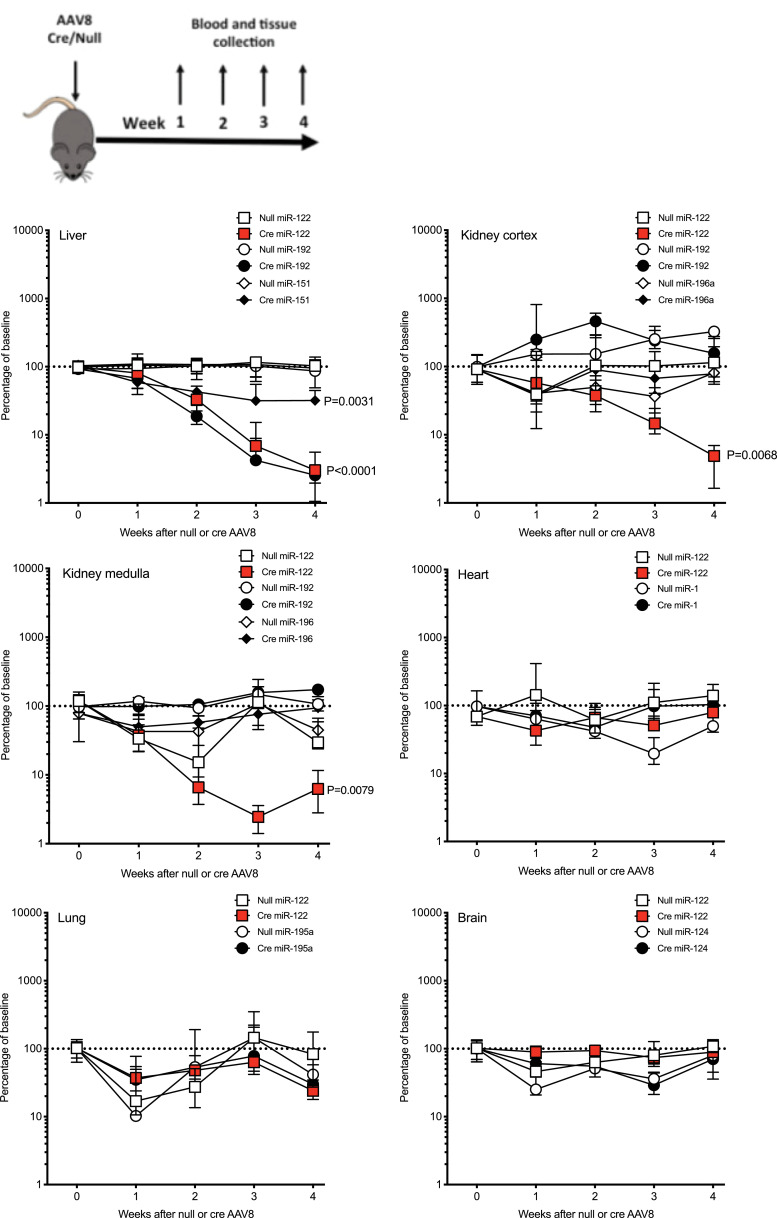
Extracellular microRNAs enter kidney cells and modify gene expression. We used a Dicer-hepatocyte-specific microRNA conditional-knock-out (Dicer-CKO) mouse to investigate microRNA transfer from liver to kidney.
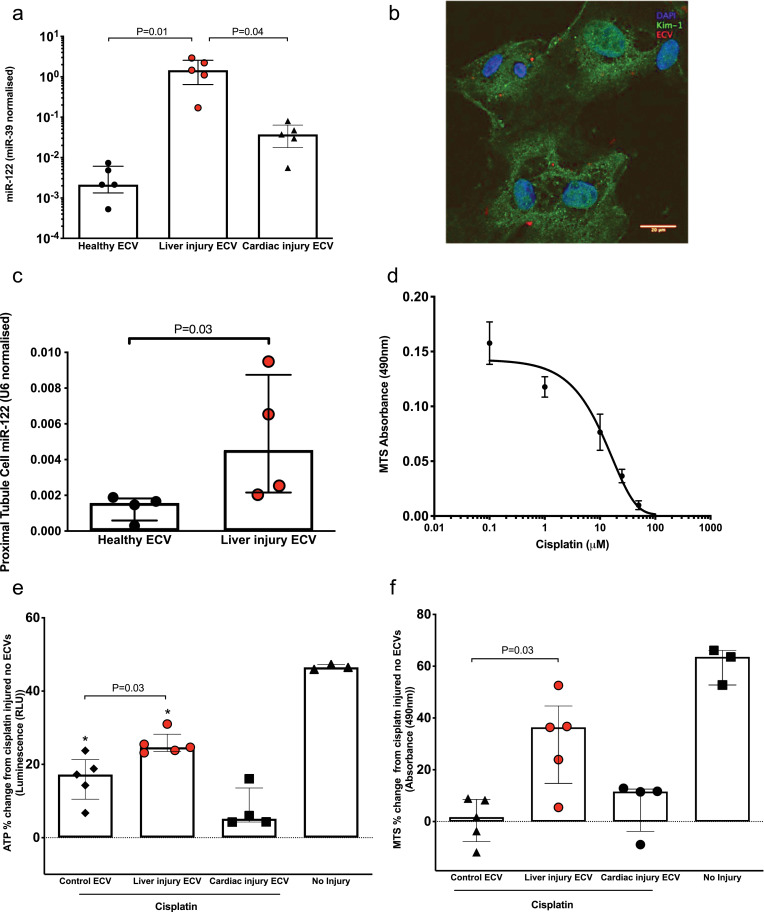
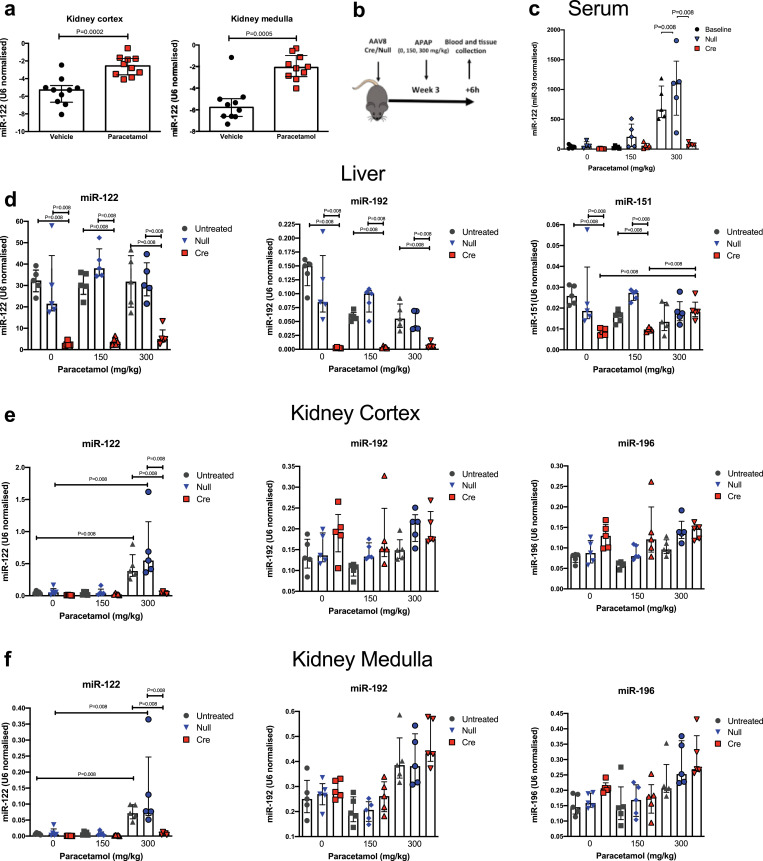
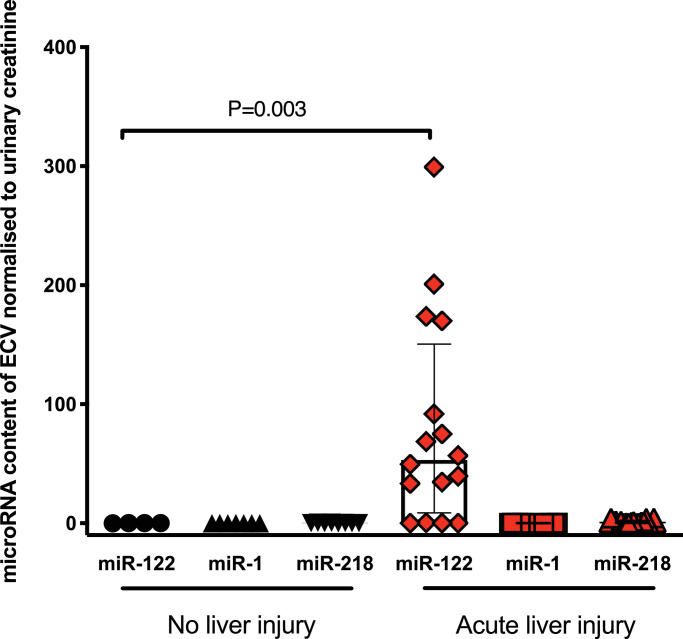
Dicer mice were treated with a Cre recombinase-expressing adenovirus (AAV8) to selectively inhibit hepatocyte microRNA production (Dicer-CKO). Organ microRNA expression was measured in health and following paracetamol toxicity. The functional consequence of hepatic microRNA transfer was determined by measuring the expression and activity of cytochrome P450 2E1 (target of the hepatocellular miR-122), and by measuring the effect of serum extracellular vesicles (ECVs) on proximal tubular cell injury. In humans with liver injury we measured microRNA expression in urinary ECVs. A murine model of myocardial infarction was used as a non-hepatic model of microRNA release.
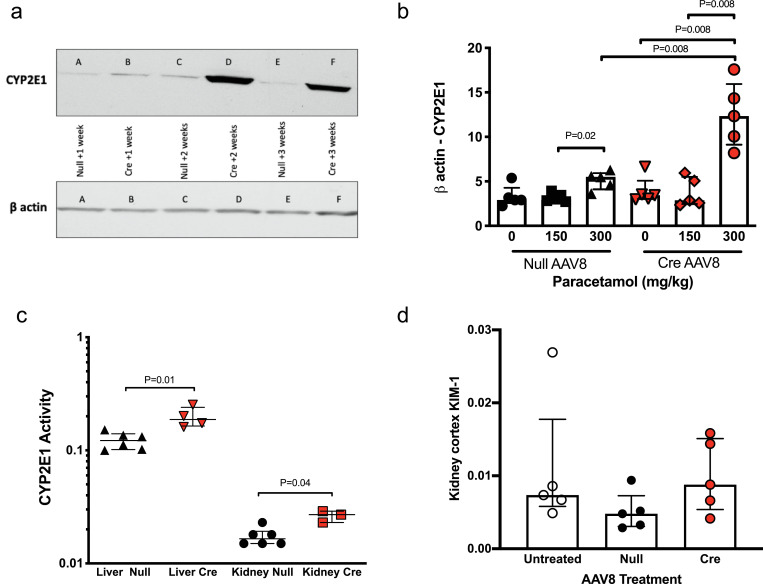
Dicer-CKO mice demonstrated a decrease in kidney miR-122 in the absence of other microRNA changes. During hepatotoxicity, miR-122 increased in kidney tubular cells; this was abolished in Dicer-CKO mice. Depletion of hepatocyte microRNA increased kidney cytochrome P450 2E1 expression and activity. Serum ECVs from mice with hepatotoxicity increased proximal tubular cell miR-122 and prevented cisplatin toxicity. miR-122 increased in urinary ECVs during human hepatotoxicity. Transfer of microRNA was not restricted to liver injury -miR-499 was released following cardiac injury and correlated with an increase in the kidney.
Physiological transfer of functional microRNA to the kidney is increased by liver injury and this signalling represents a new paradigm for understanding the relationship between liver injury and renal function.
Kidney Research UK, Medical Research Scotland, Medical Research Council.
细胞外 microRNAs 进入肾细胞并修饰基因表达。我们使用 Dicer-肝细胞特异性 microRNA 条件性敲除(Dicer-CKO)小鼠来研究 microRNA 从肝脏向肾脏的转移。
用表达 Cre 重组酶的腺病毒(AAV8)处理 Dicer 小鼠,选择性抑制肝细胞 microRNA 的产生(Dicer-CKO)。在健康状态和扑热息痛毒性后,测量器官 microRNA 的表达。通过测量细胞色素 P450 2E1(肝细胞 miR-122 的靶标)的表达和活性,以及通过测量血清细胞外囊泡(ECV)对近端肾小管细胞损伤的影响,确定肝细胞 microRNA 转移的功能后果。在肝损伤的患者中,我们测量了尿 ECV 中的 microRNA 表达。使用心肌梗死的小鼠模型作为 microRNA 释放的非肝模型。
在没有其他 microRNA 变化的情况下,Dicer-CKO 小鼠的肾脏 miR-122 减少。在肝毒性期间,miR-122 在肾小管细胞中增加;在 Dicer-CKO 小鼠中,这被消除。肝细胞 microRNA 的耗竭增加了肾脏细胞色素 P450 2E1 的表达和活性。来自肝毒性小鼠的血清 ECV 增加了近端肾小管细胞的 miR-122,并防止了顺铂毒性。在人类肝毒性期间,尿 ECV 中的 miR-122 增加。microRNA 的转移不限于肝损伤 - 在心脏损伤后释放 miR-499,并且与肾脏中的增加相关。
肝损伤会增加生理上向肾脏传递功能性 microRNA,这种信号代表了理解肝损伤与肾功能之间关系的新范式。
英国肾脏研究基金会、苏格兰医学研究理事会、医学研究委员会。