Nikfar Mehdi, Razizadeh Meghdad, Paul Ratul, Liu Yaling
Department of Mechanical Engineering and Mechanics, Lehigh University, Bethlehem, PA 18015, USA.
Department of Bioengineering, Lehigh University, Bethlehem, PA 18015, USA.
Microfluid Nanofluidics. 2020 May;24(5). doi: 10.1007/s10404-020-02337-3. Epub 2020 Apr 10.
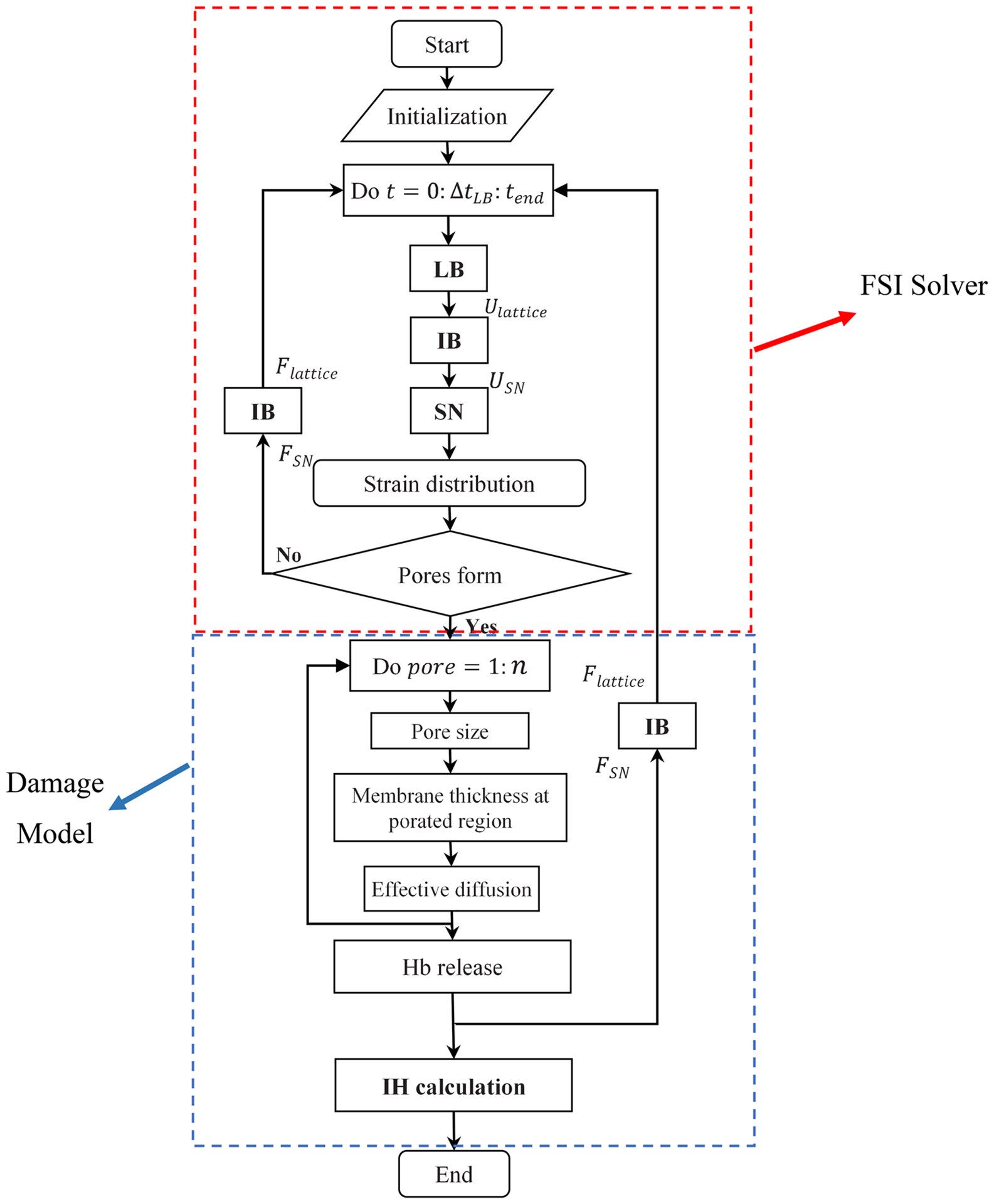
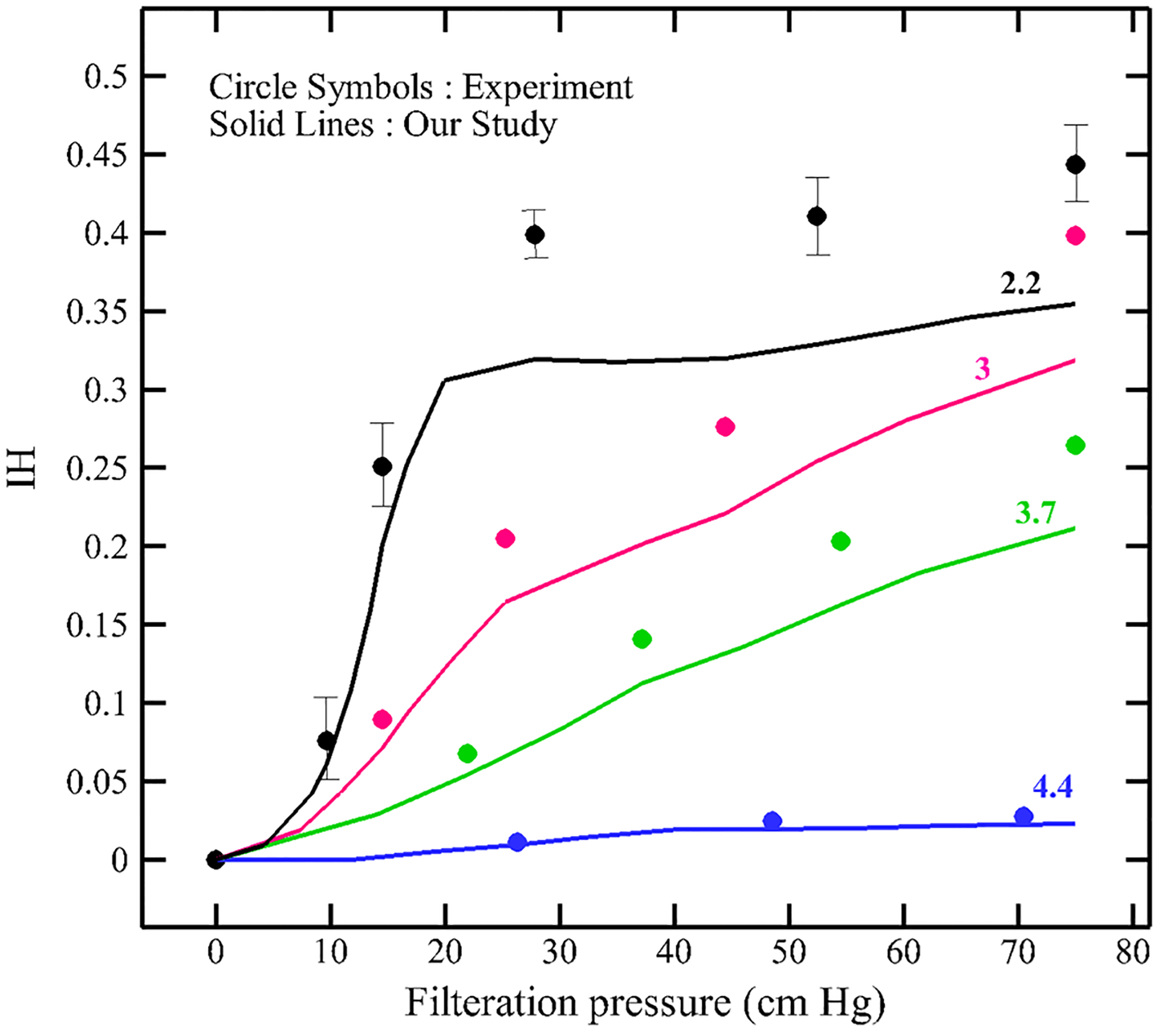
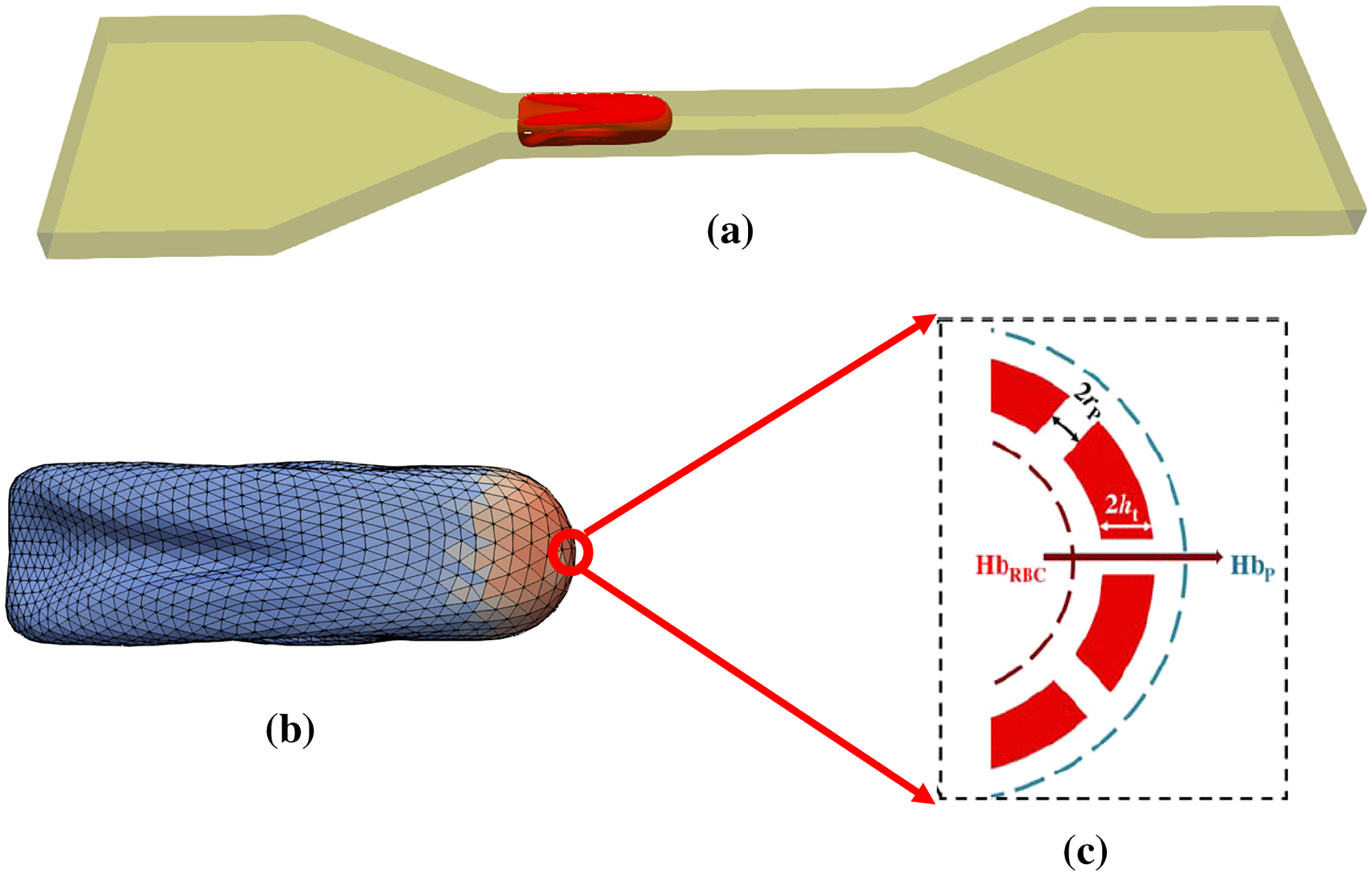
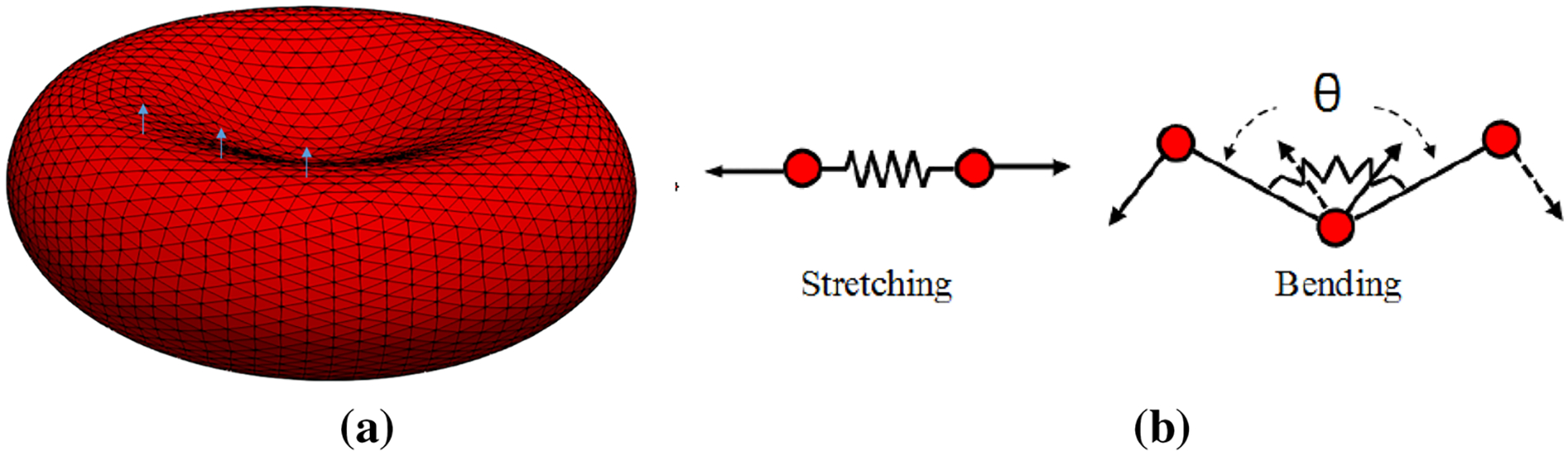
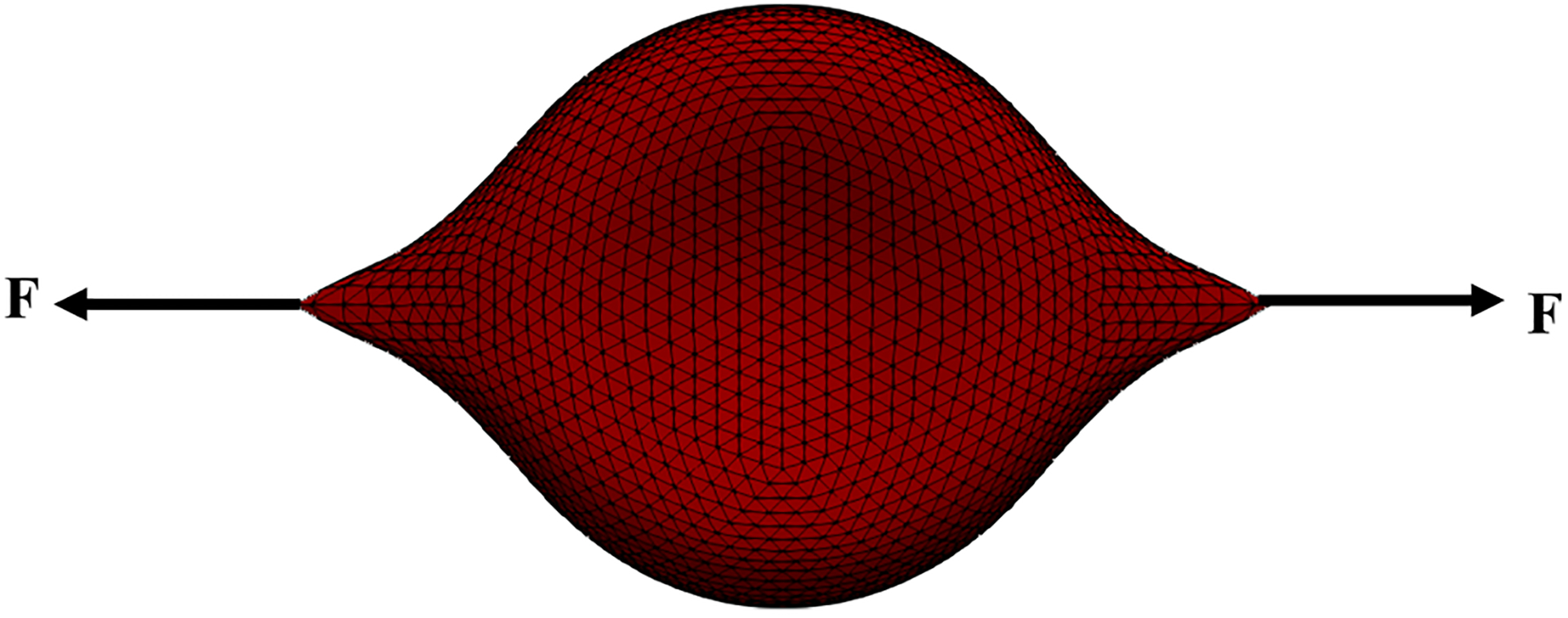
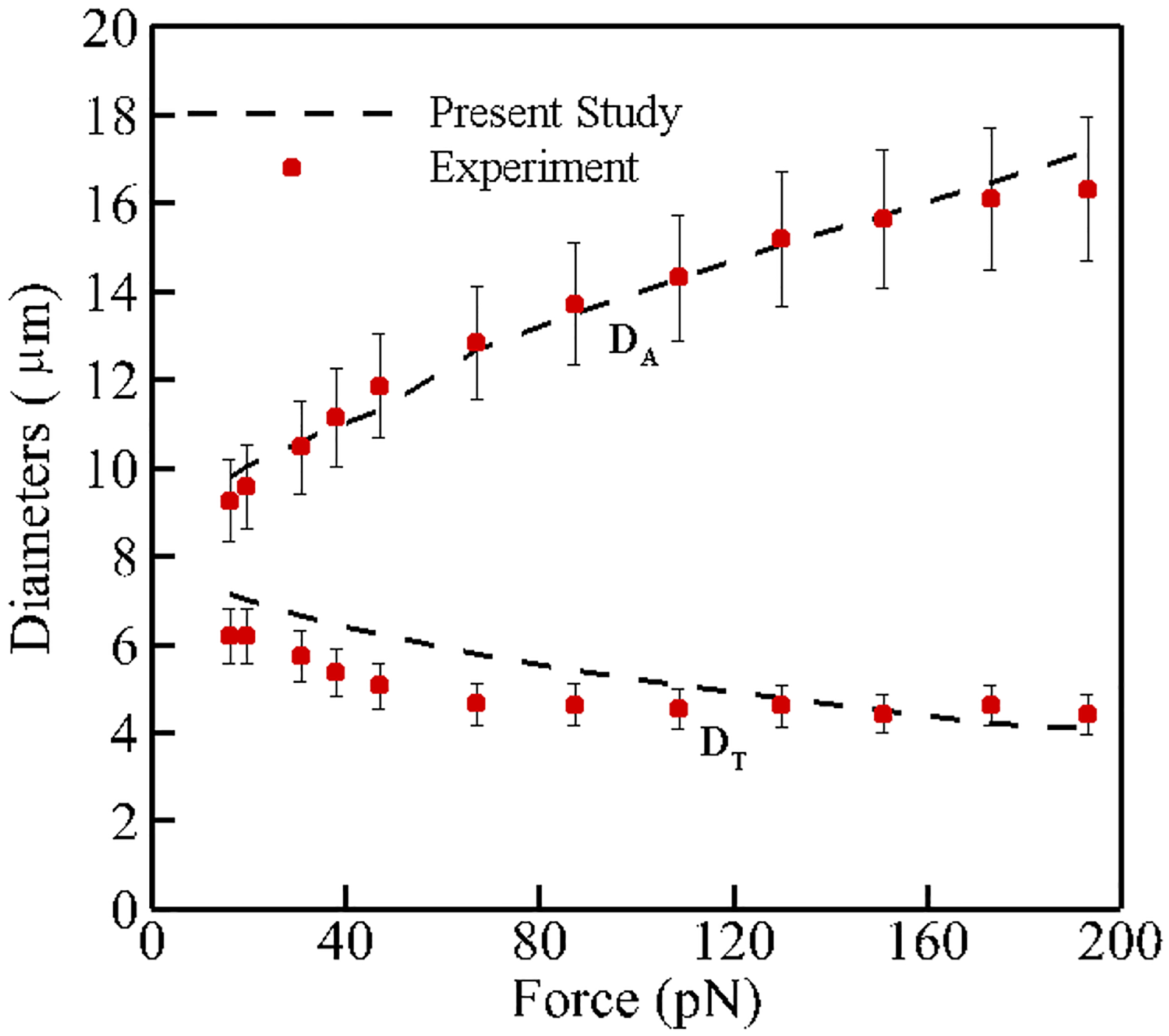
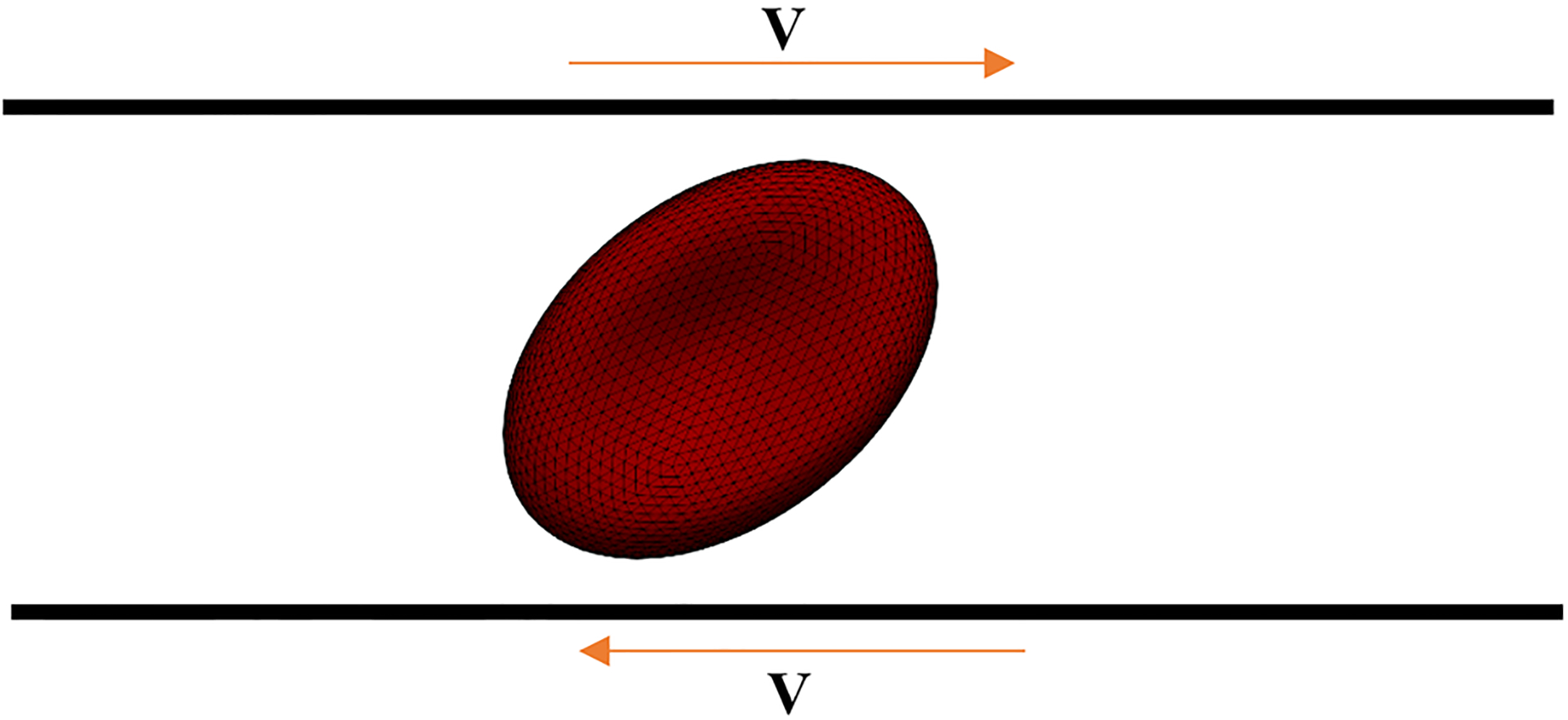
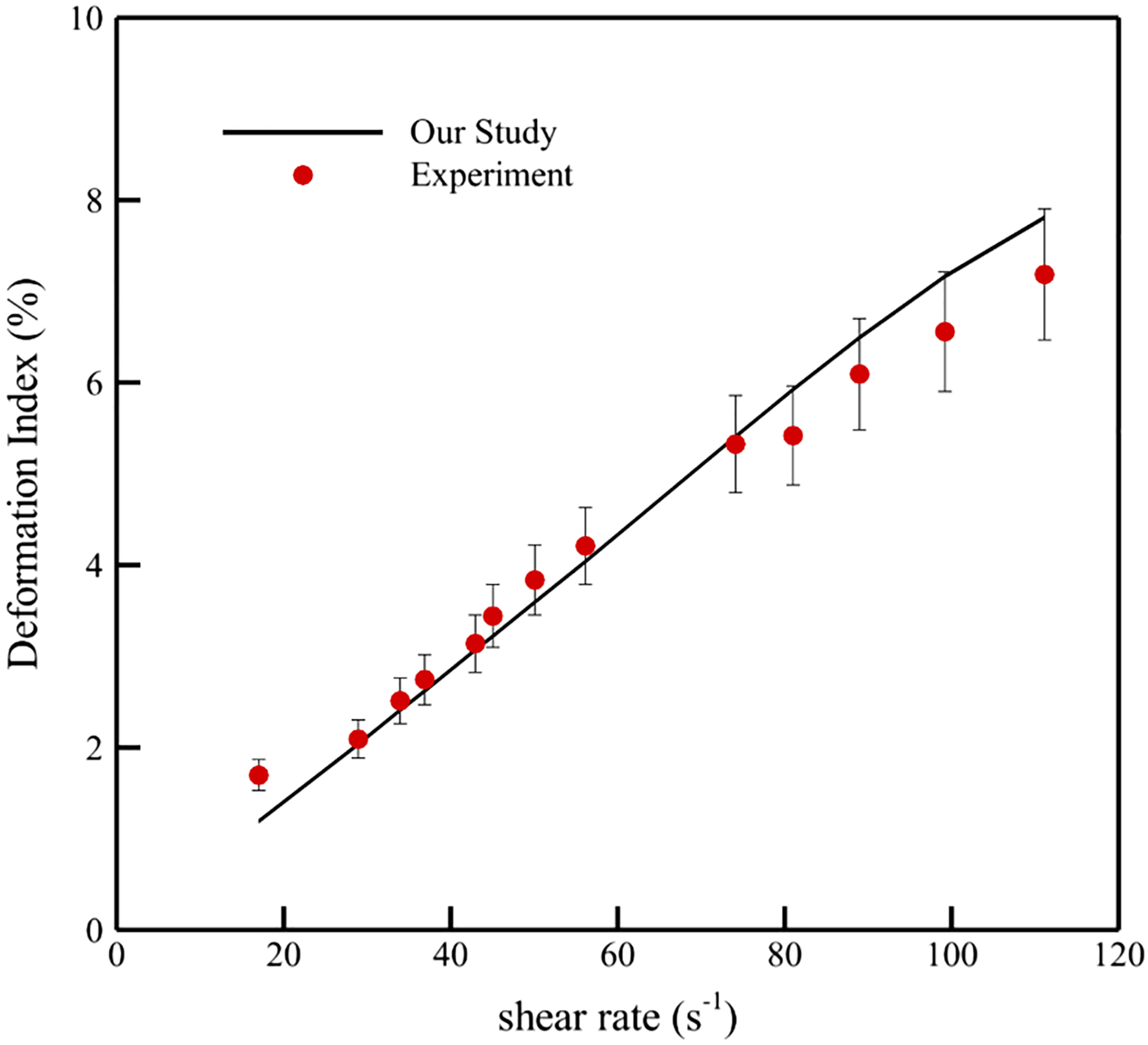
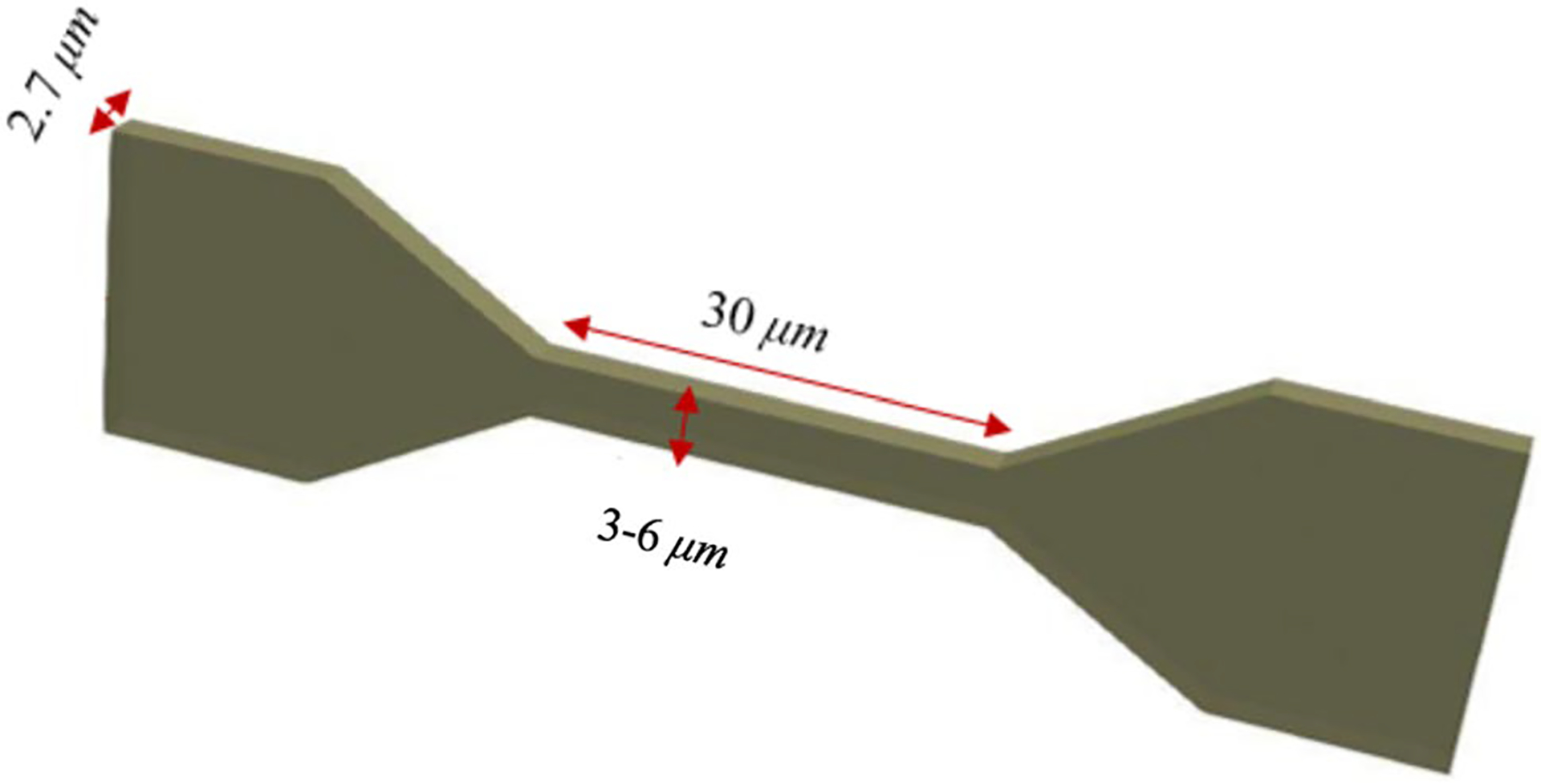
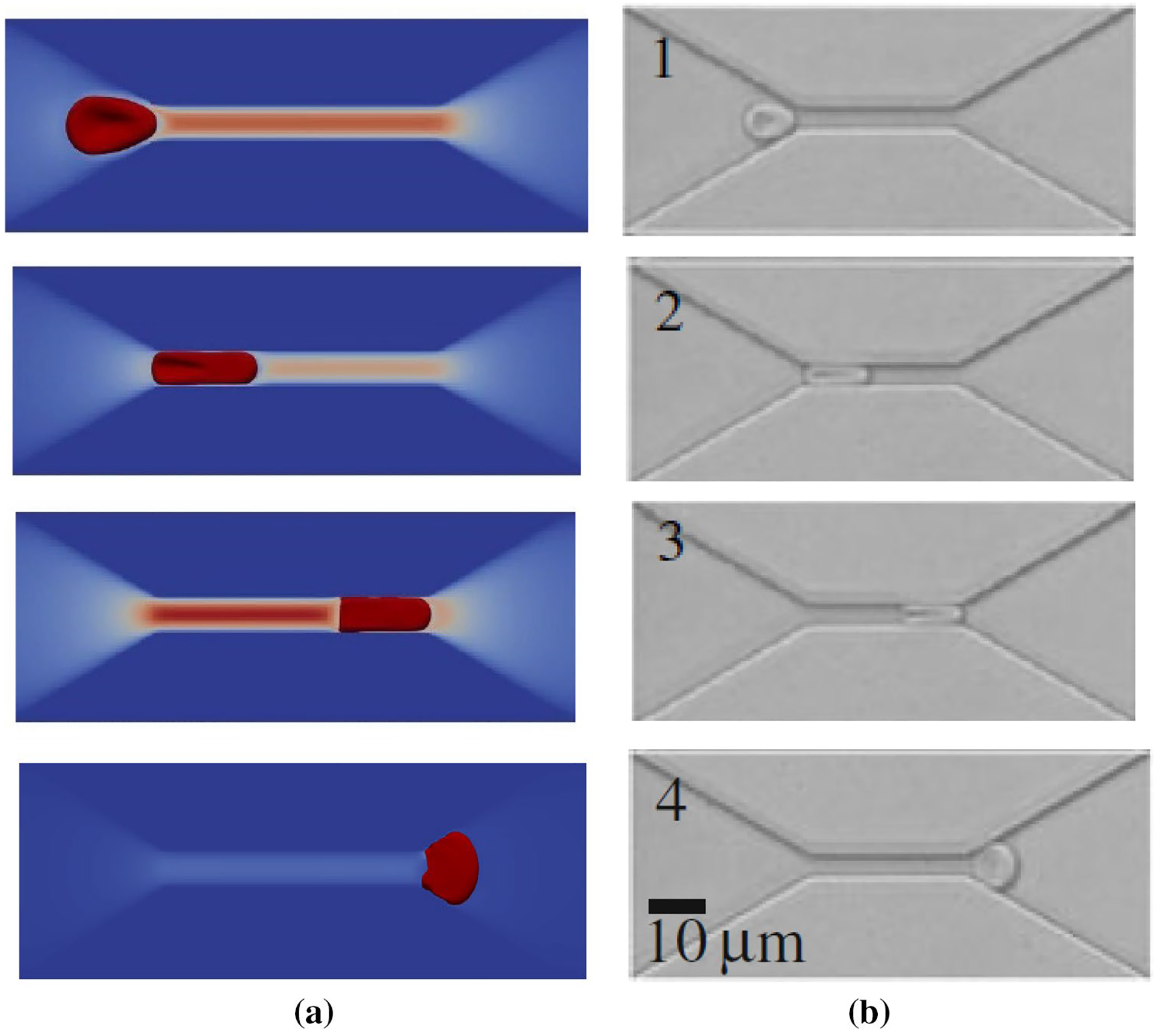
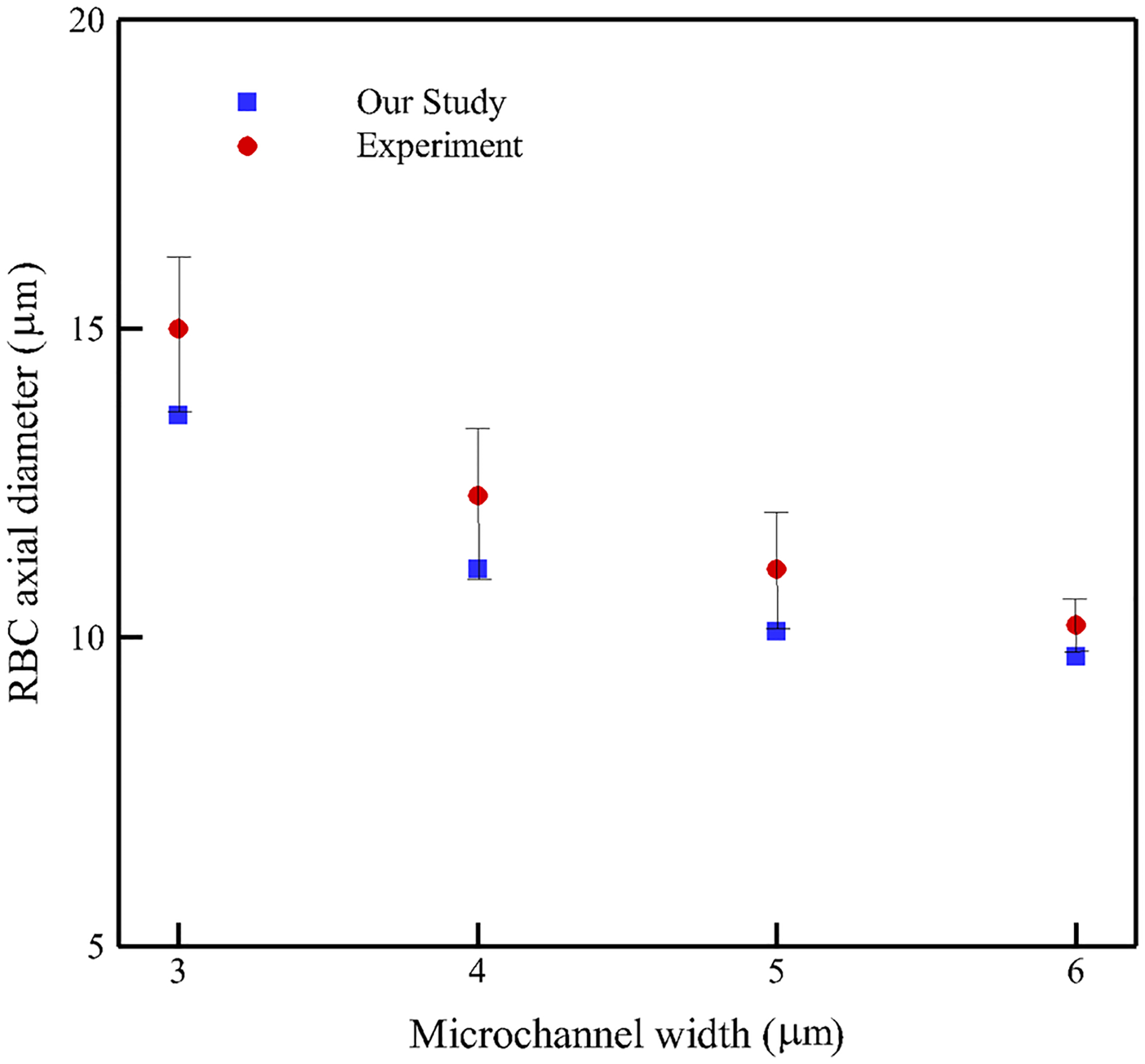
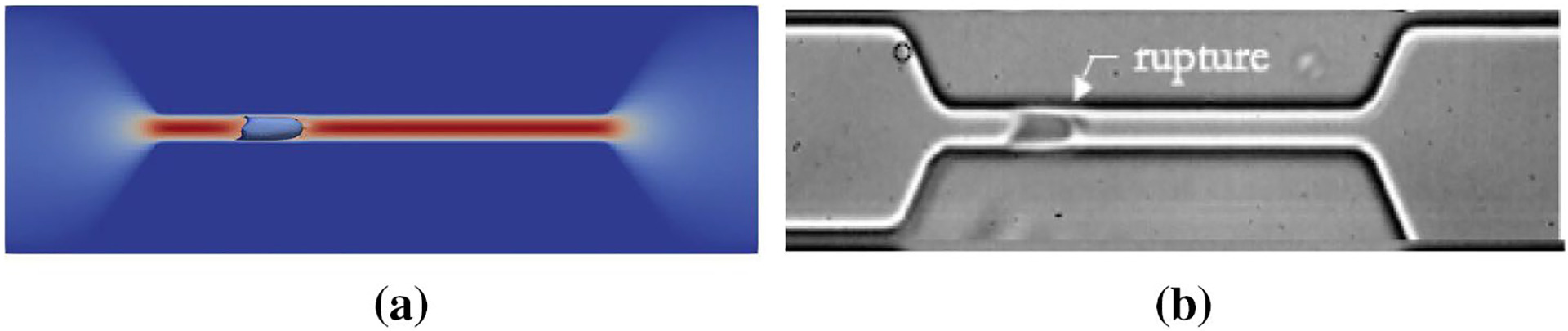
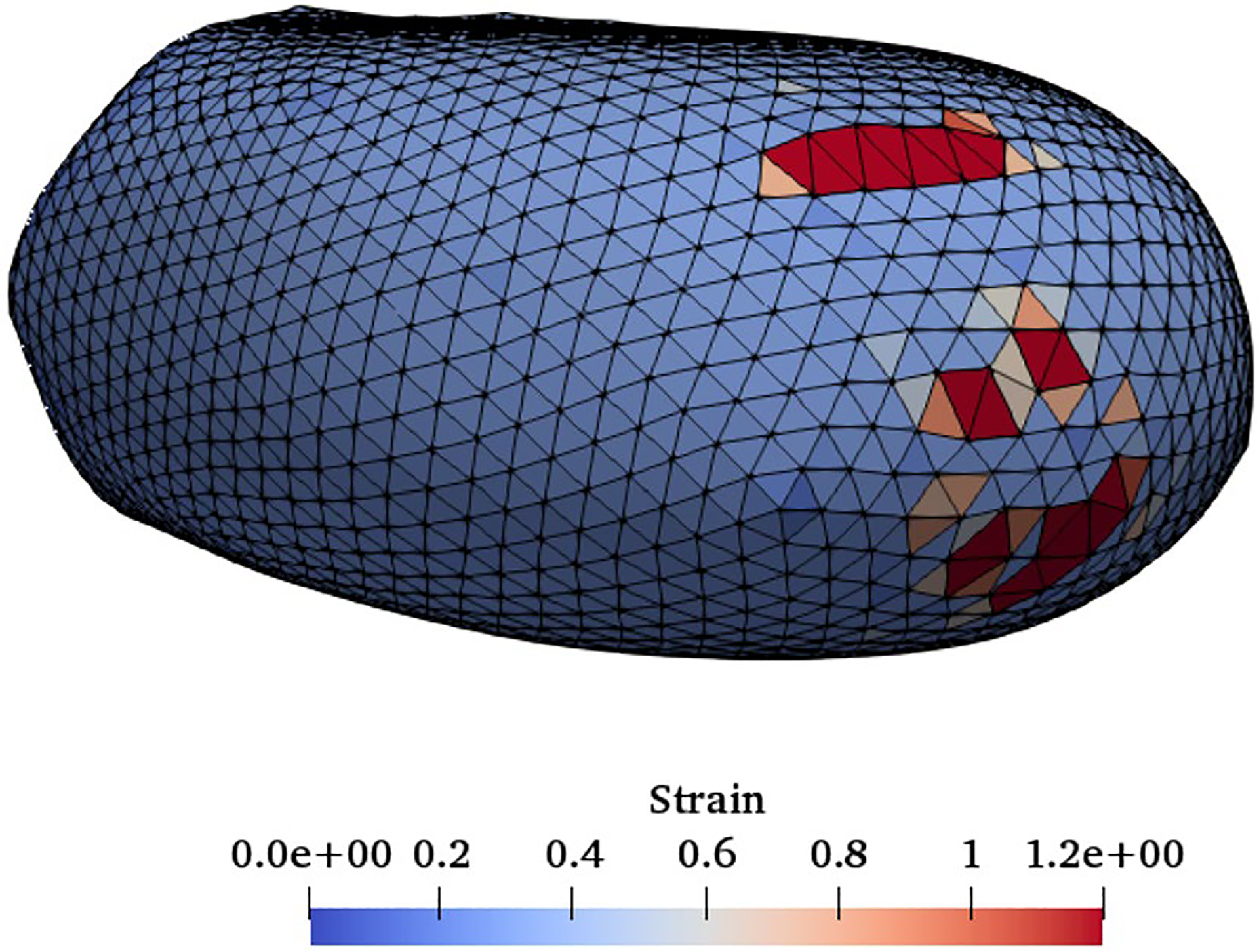
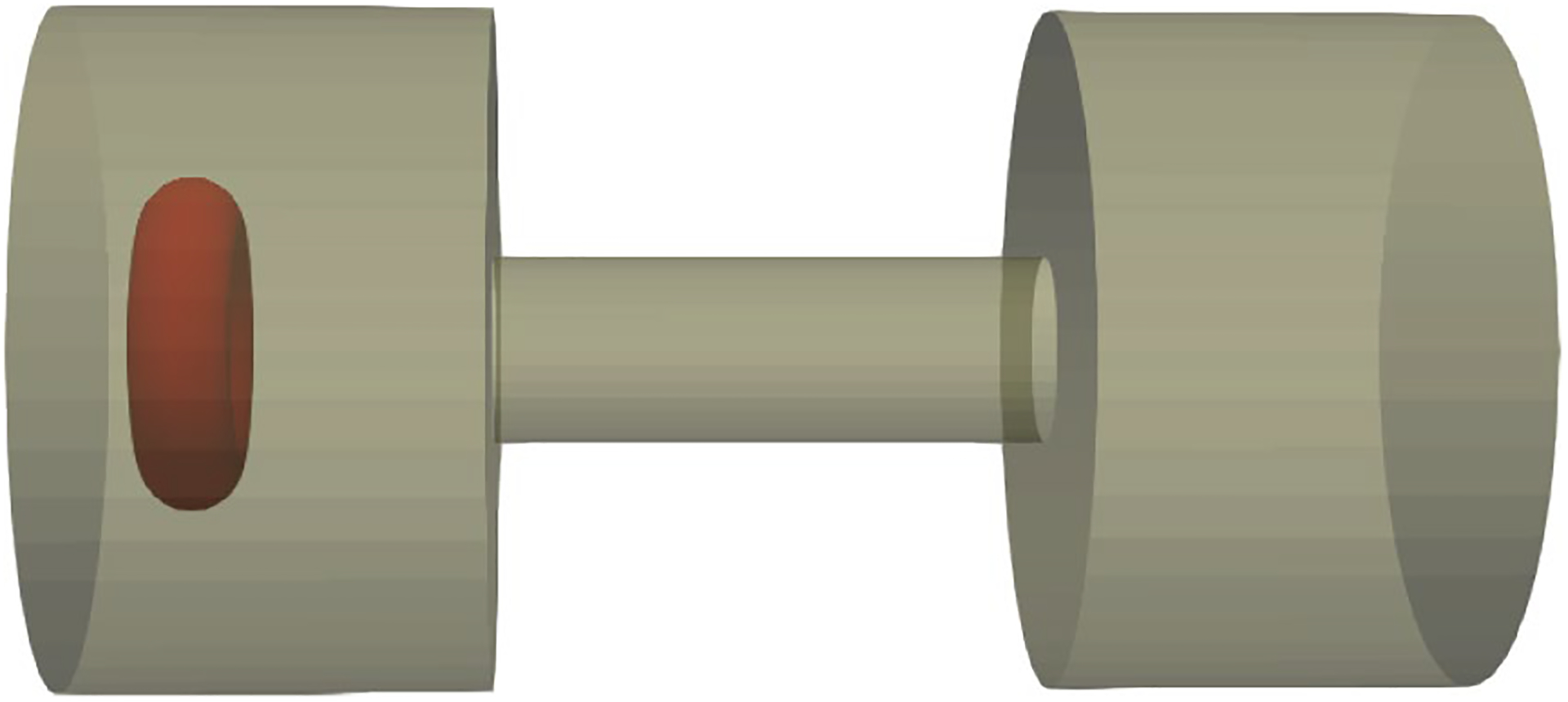
In this paper, we propose a multiscale numerical algorithm to simulate the hemolytic release of hemoglobin (Hb) from red blood cells (RBCs) flowing through sieves containing micropores with mean diameters smaller than RBCs. Analyzing the RBC damage in microfiltration is important in the sense that it can quantify the sensitivity of human erythrocytes to mechanical hemolysis while they undergo high shear rate and high deformation. Here, the numerical simulations are carried out via lattice Boltzmann method and spring connected network (SN) coupled by an immersed boundary method. To predict the RBC sublytic damage, a sub-cellular damage model derived from molecular dynamic simulations is incorporated in the cellular solver. In the proposed algorithm, the local RBC strain distribution calculated by the cellular solver is used to obtain the pore radius on the RBC membrane. Index of hemolysis (IH) is calculated by resorting to the resulting pore radius and solving a diffusion equation considering the effects of steric hinderance and increased hydrodynamic drag due to the size of the hemoglobin molecule. It should be mentioned that current computational hemolysis models usually utilize empirical fitting of the released free hemoglobin (Hb) in plasma from damaged RBCs. These empirical correlations contain ad hoc parameters that depend on specific device and operating conditions, thus cannot be used to predict hemolysis under different conditions. In contrast to the available hemolysis model, the proposed algorithm does not have any empirical parameters. Therefore, it can predict the IH in microfilter with different sieve pore sizes and filtration pressures. Also, in contrast to empirical correlations in which the Hb release is related to shear stress and exposure time without considering the physical processes, the proposed model links flow-induced deformation of the RBC membrane to membrane permeabilization and hemoglobin release. In this paper, the cellular solver is validated by simulating optical tweezers experiment, shear flow experiment as well as an experiment to measure RBC deformability in a very narrow microchannel. Moreover, the shape of a single RBC at the rupture moment is compared with corresponding experimental data. Finally, to validate the damage model, the results obtained from our parametric study on the role of filtration pressure and sieve pore size in Hb release are compared with experimental data. Numerical results are in good agreement with experimental data. Similar to the corresponding experiment, the numerical results confirm that hemolysis increases with increasing the filtration pressure and reduction in pore size on the sieve. While in experiment, the RBC pore size cannot be measured, the numerical results can quantify the RBC pore size. The numerical results show that at the sieve pore size of 2.2 μm above 25 cm Hg, RBC pore size is above 75 nm and RBCs experience rupture. More importantly, the results demonstrate that the proposed approach is independent from the operating conditions and it can estimate the hemolysis in a wide range of filtration pressure and sieve pore size with reasonable accuracy.
在本文中,我们提出了一种多尺度数值算法,用于模拟红细胞(RBC)流经含有平均直径小于红细胞的微孔筛网时血红蛋白(Hb)的溶血释放。分析微滤过程中的红细胞损伤很重要,因为它可以量化人类红细胞在经历高剪切速率和高变形时对机械溶血的敏感性。在此,数值模拟通过格子玻尔兹曼方法和通过浸入边界方法耦合的弹簧连接网络(SN)进行。为了预测红细胞的亚溶血损伤,在细胞求解器中纳入了源自分子动力学模拟的亚细胞损伤模型。在所提出的算法中,由细胞求解器计算得到的局部红细胞应变分布用于获取红细胞膜上的孔径。溶血指数(IH)通过所得孔径并求解考虑空间位阻和由于血红蛋白分子大小导致的流体动力阻力增加影响的扩散方程来计算。应该提到的是,当前的计算溶血模型通常利用对受损红细胞血浆中释放的游离血红蛋白(Hb)的经验拟合。这些经验关联包含依赖于特定装置和操作条件的特设参数,因此不能用于预测不同条件下的溶血情况。与现有的溶血模型相比,所提出的算法没有任何经验参数。因此,它可以预测不同筛孔尺寸和过滤压力下微滤器中的IH。此外,与经验关联中Hb释放与剪切应力和暴露时间相关而不考虑物理过程不同,所提出的模型将红细胞膜的流动诱导变形与膜通透性和血红蛋白释放联系起来。在本文中,通过模拟光镊实验、剪切流实验以及在非常狭窄的微通道中测量红细胞变形性的实验来验证细胞求解器。此外,将单个红细胞在破裂瞬间的形状与相应的实验数据进行比较。最后,为了验证损伤模型,将我们关于过滤压力和筛孔尺寸在Hb释放中的作用的参数研究结果与实验数据进行比较。数值结果与实验数据吻合良好。与相应实验类似,数值结果证实溶血随着过滤压力的增加和筛网孔径的减小而增加。虽然在实验中无法测量红细胞孔径,但数值结果可以量化红细胞孔径。数值结果表明,在筛孔尺寸为2.2μm且压力高于25cm Hg时,红细胞孔径大于75nm且红细胞会发生破裂。更重要的是,结果表明所提出的方法与操作条件无关,并且它可以在很宽的过滤压力和筛孔尺寸范围内以合理的精度估计溶血情况。