Feng Lei, Wu Baohua, Zhu Susu, Wang Junmin, Su Zhenzhu, Liu Fei, He Yong, Zhang Chu
College of Biosystems Engineering and Food Science, Zhejiang University, Hangzhou, China.
Key Laboratory of Spectroscopy Sensing, Ministry of Agriculture and Rural Affairs, Hangzhou, China.
Front Plant Sci. 2020 Nov 10;11:577063. doi: 10.3389/fpls.2020.577063. eCollection 2020.
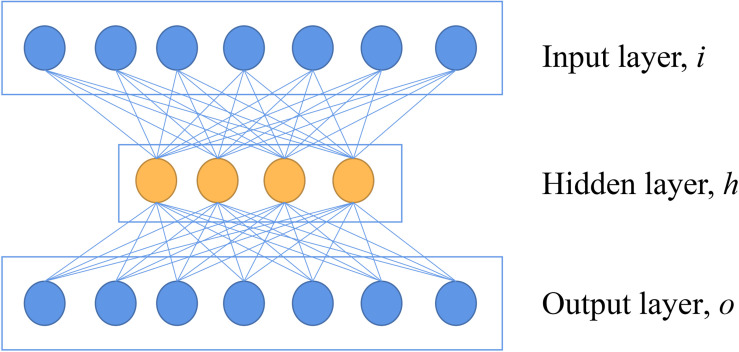
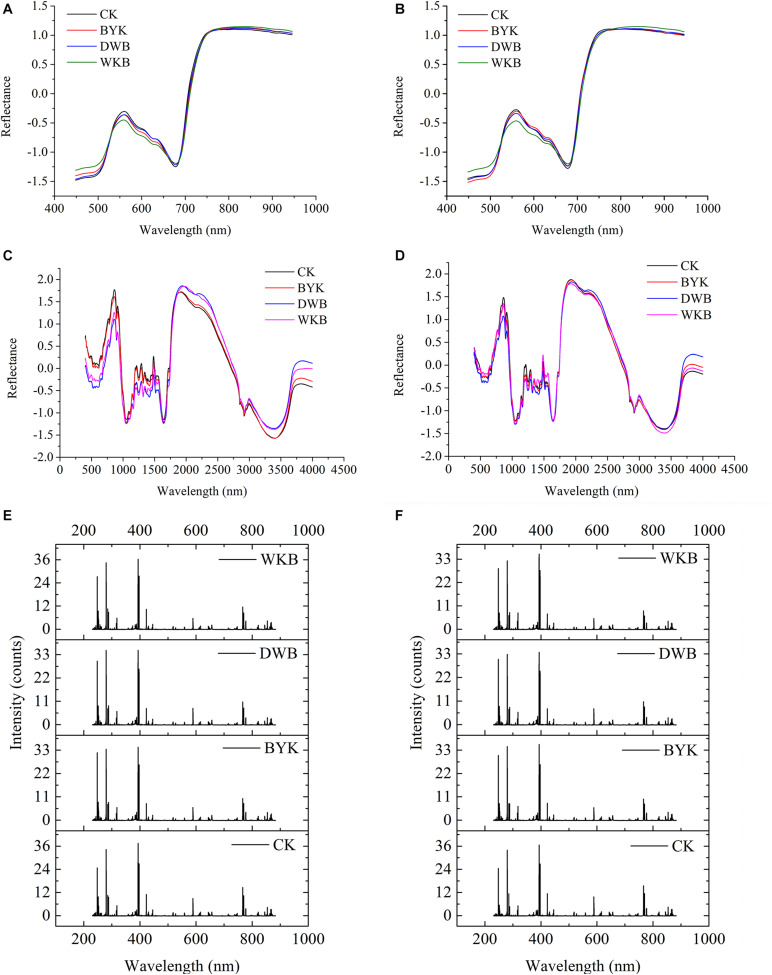
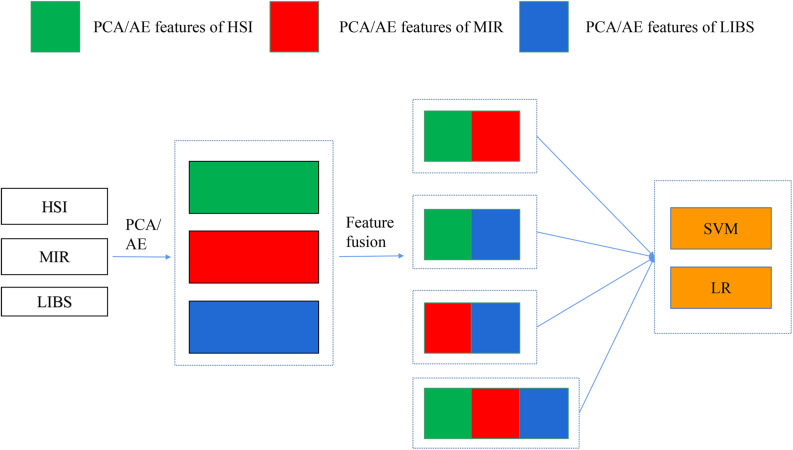
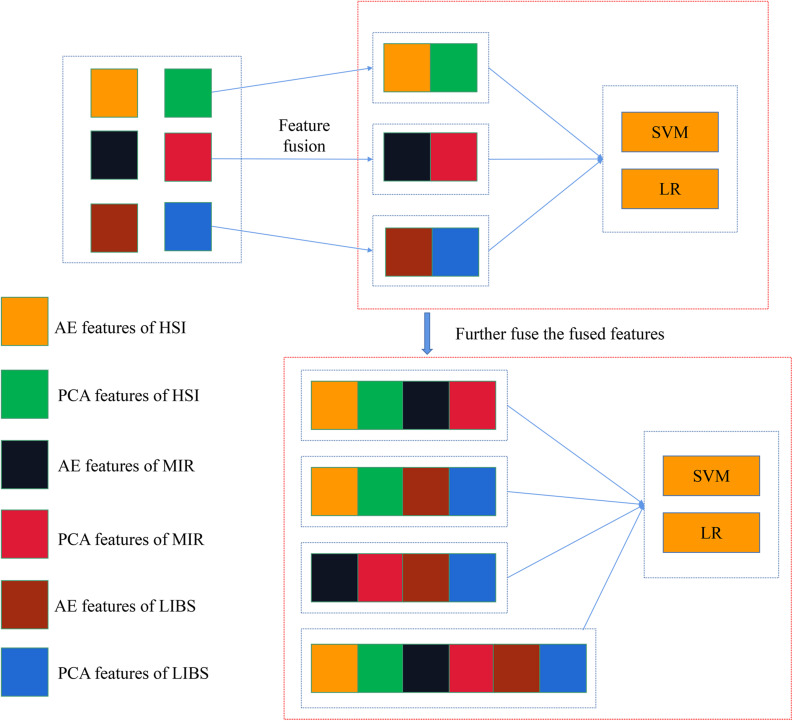
Rice diseases are major threats to rice yield and quality. Rapid and accurate detection of rice diseases is of great importance for precise disease prevention and treatment. Various spectroscopic techniques have been used to detect plant diseases. To rapidly and accurately detect three different rice diseases [leaf blight ( pv. ), rice blast (), and rice sheath blight ()], three spectroscopic techniques were applied, including visible/near-infrared hyperspectral imaging (HSI) spectra, mid-infrared spectroscopy (MIR), and laser-induced breakdown spectroscopy (LIBS). Three different levels of data fusion (raw data fusion, feature fusion, and decision fusion) fusing three different types of spectral features were adopted to categorize the diseases of rice. Principal component analysis (PCA) and autoencoder (AE) were used to extract features. Identification models based on each technique and different fusion levels were built using support vector machine (SVM), logistic regression (LR), and convolution neural network (CNN) models. Models based on HSI performed better than those based on MIR and LIBS, with the accuracy over 93% for the test set based on PCA features of HSI spectra. The performance of rice disease identification varied with different levels of fusion. The results showed that feature fusion and decision fusion could enhance identification performance. The overall results illustrated that the three techniques could be used to identify rice diseases, and data fusion strategies have great potential to be used for rice disease detection.
水稻病害是水稻产量和品质的主要威胁。快速准确地检测水稻病害对于精准防治病害至关重要。各种光谱技术已被用于检测植物病害。为了快速准确地检测三种不同的水稻病害[白叶枯病(pv.)、稻瘟病()和纹枯病()],应用了三种光谱技术,包括可见/近红外高光谱成像(HSI)光谱、中红外光谱(MIR)和激光诱导击穿光谱(LIBS)。采用三种不同层次的数据融合(原始数据融合、特征融合和决策融合),融合三种不同类型的光谱特征,对水稻病害进行分类。主成分分析(PCA)和自动编码器(AE)用于提取特征。使用支持向量机(SVM)、逻辑回归(LR)和卷积神经网络(CNN)模型,建立了基于每种技术和不同融合层次的识别模型。基于HSI的模型比基于MIR和LIBS的模型表现更好,基于HSI光谱PCA特征的测试集准确率超过93%。水稻病害识别的性能随融合层次的不同而变化。结果表明,特征融合和决策融合可以提高识别性能。总体结果表明,这三种技术可用于识别水稻病害,数据融合策略在水稻病害检测方面具有很大的应用潜力。