Evans Carolyn
Intel Corporation, Santa Clara, CA USA.
Bus Econ. 2020;55(4):253-266. doi: 10.1057/s11369-020-00191-3. Epub 2020 Nov 23.
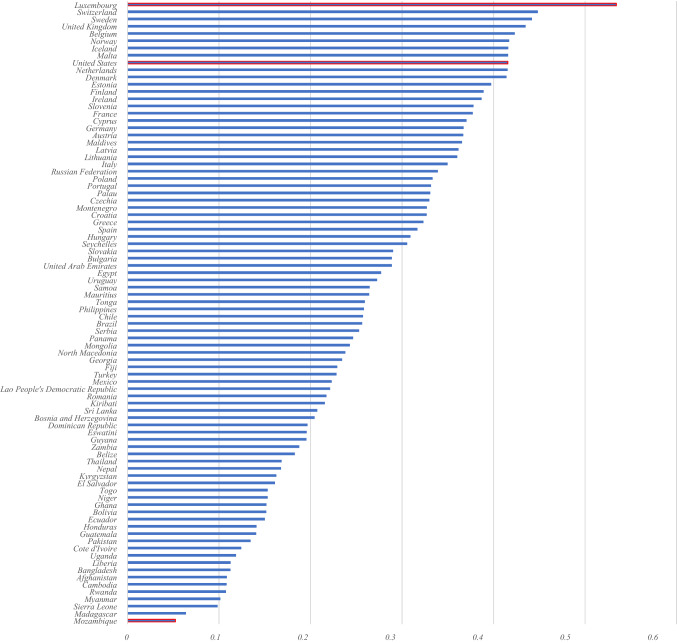
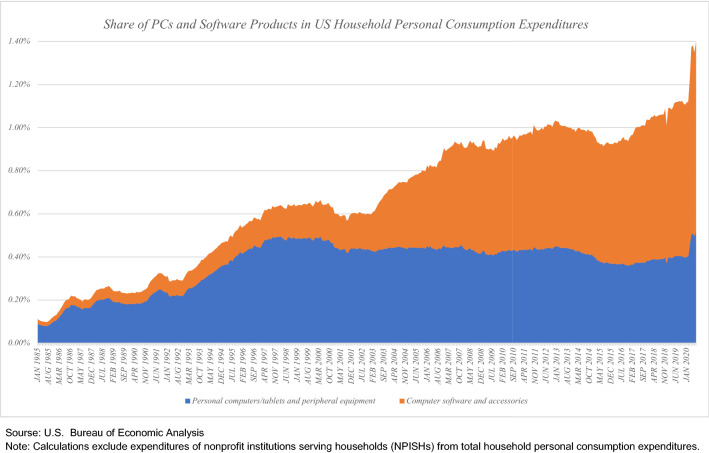
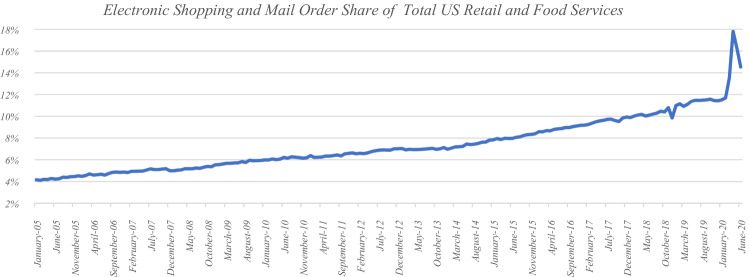
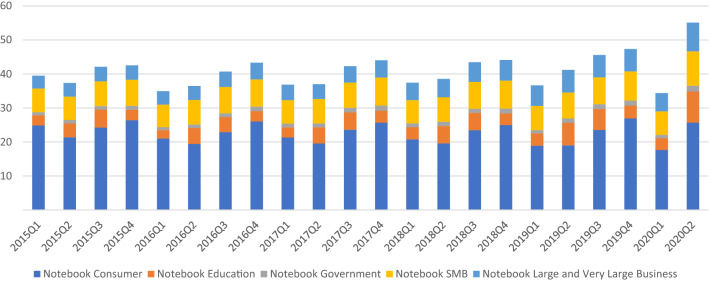
The coronavirus crisis has created a profound shift in how people interact and economies function. Policy mandates and fears of becoming infected or infecting others have impelled populations to shelter at home, socially distance, and otherwise reduce direct, in-person interactions with others. By enabling people to conduct many regular activities remotely, including working, learning, shopping, and receiving medical services, technology has allowed the continuation of some semblance of a normal lifestyle in this new environment. Within this context, the IT sector has provided the tools and resources required to support these remote activities, as well as to address the pandemic more directly through efforts such as supporting contact tracing and providing high-performance computing resources for COVID-19-related research. This paper discusses in more detail this impact of the pandemic on the technology industry, and its response to this shock, by addressing three elements: accelerated digital transformation, increased importance of technology in the economy and society, and prevalence of inequalities in access to and the use of technology.
新冠疫情危机已使人们的互动方式和经济运行方式发生了深刻转变。政策指令以及对感染他人或被他人感染的恐惧,促使人们居家避难、保持社交距离,并减少与他人的直接面对面互动。通过让人们能够远程开展许多日常活动,包括工作、学习、购物和接受医疗服务,技术使得在这种新环境下仍能维持某种 semblance 的正常生活方式。在此背景下,信息技术部门提供了支持这些远程活动所需的工具和资源,还通过诸如支持接触者追踪以及为新冠疫情相关研究提供高性能计算资源等努力,更直接地应对疫情。本文通过探讨三个要素,更详细地论述了疫情对科技行业的这一影响及其对这一冲击的应对:加速的数字转型、技术在经济和社会中重要性的提升,以及在技术获取和使用方面不平等现象的普遍存在。