Lancea Camil, Campbell Ian, Chicos Lucia-Antoneta, Zaharia Sebastian-Marian
Department of Manufacturing Engineering, Faculty of Technological Engineering and Industrial Management, Transilvania University of Brasov, 500036 Brasov, Romania.
Design School, Epinal Way, Loughborough University, Loughborough LE11 3TU, UK.
Polymers (Basel). 2020 Nov 24;12(12):2767. doi: 10.3390/polym12122767.
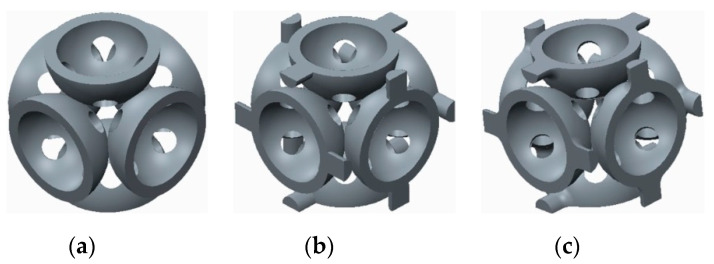
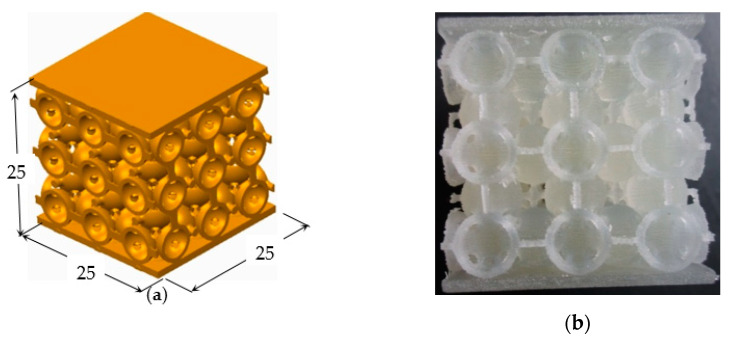
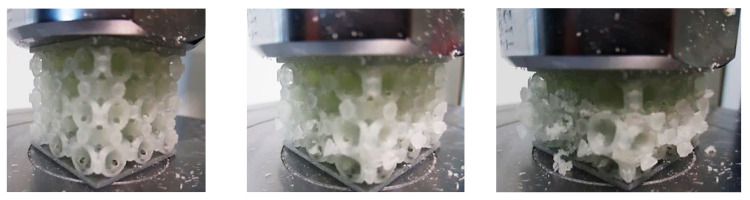
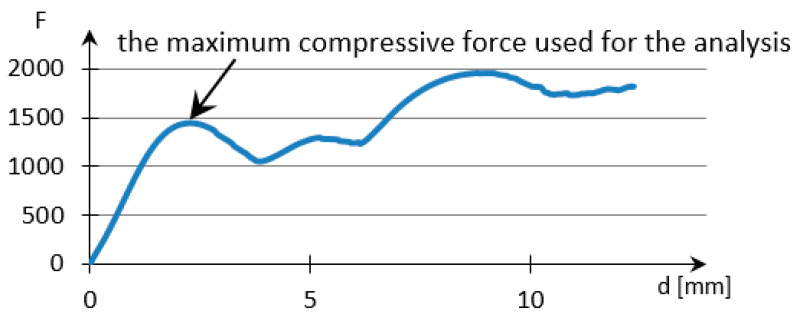
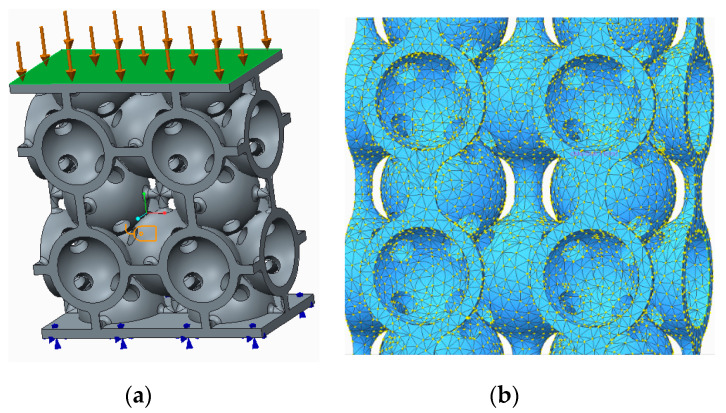
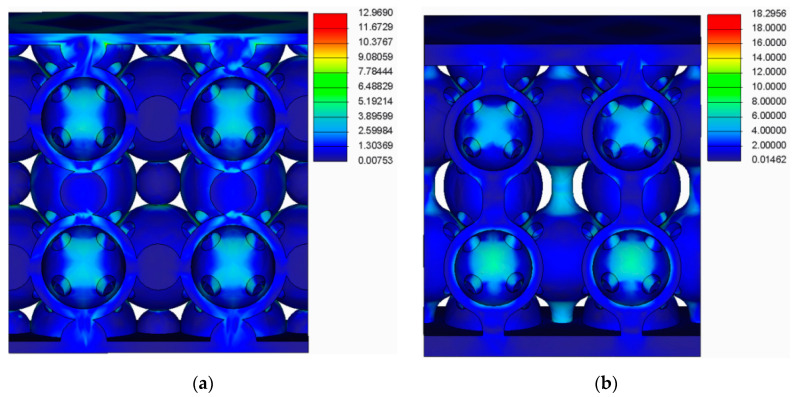
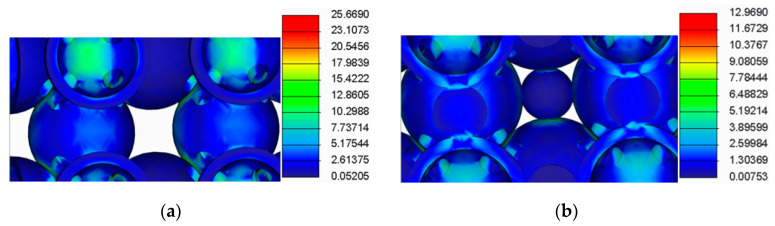
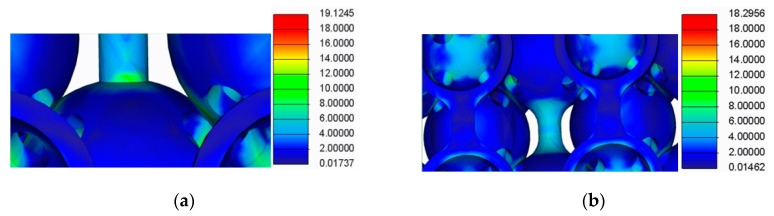
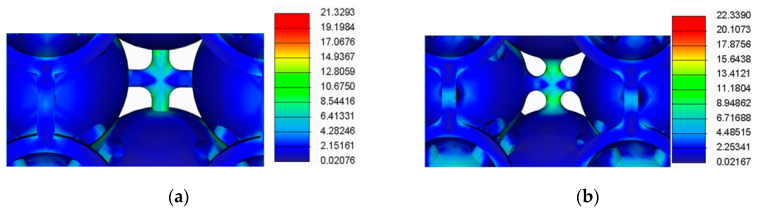
Additive manufacturing (AM) techniques can help to reduce the time and cost for manufacturing complex shaped parts. The main goal of this research was to determine the best strength structure of six different types of lattice cells, manufactured using the Poly Jet AM technology. In order to perform the tests, six samples with the same structure were created for each lattice type. For testing the samples in compression, an electromechanical test machine was used. finite element analysis (FEA) analysis was used in order to determine the area where the greatest stresses occured and to estimate the maximal compressive strength. The strongest structure was determined by obtaining the maximal compressive strength. This was calculated in two ways: as a ratio between the maximal supported force and the mass of the sample (N/g) and as a ratio between the maximal supported force and the critical section of the sample (MPa).
增材制造(AM)技术有助于减少制造复杂形状零件的时间和成本。本研究的主要目标是确定使用Poly Jet AM技术制造的六种不同类型晶格单元的最佳强度结构。为了进行测试,为每种晶格类型创建了六个结构相同的样品。为了对样品进行压缩测试,使用了一台机电试验机。使用有限元分析(FEA)来确定最大应力出现的区域,并估计最大抗压强度。通过获得最大抗压强度来确定最强结构。这通过两种方式计算:作为最大支撑力与样品质量的比值(N/g)以及作为最大支撑力与样品临界截面的比值(MPa)。