Morales-Ramos Juan A, Rojas M Guadalupe, Kelstrup Hans C, Emery Virginia
Biological Control of Pests Research Unit, National Biological Control Laboratory, USDA-ARS, Stoneville, MS 38776, USA.
Beta Hatch Inc., 200 Titchenal Road, Cashmere, WA 98815, USA.
Insects. 2020 Nov 24;11(12):827. doi: 10.3390/insects11120827.
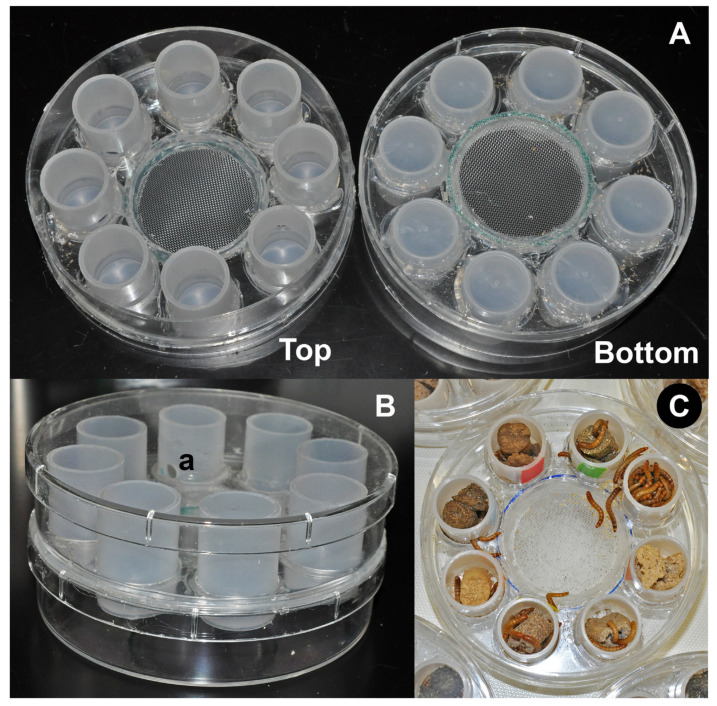
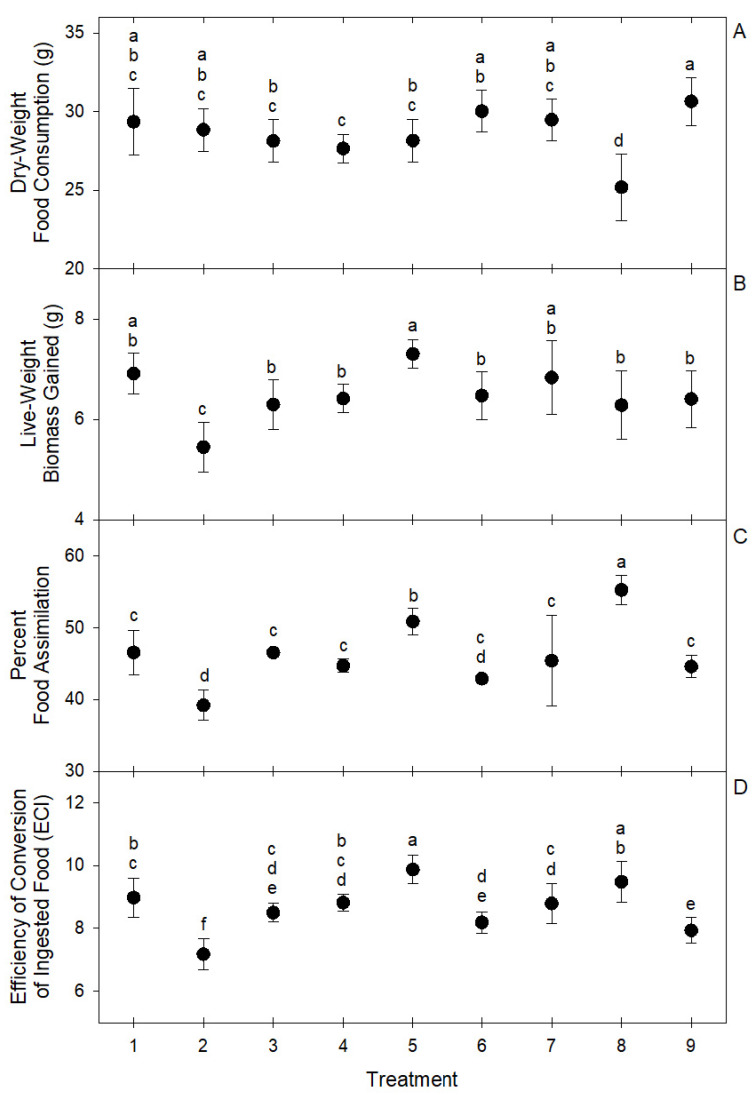
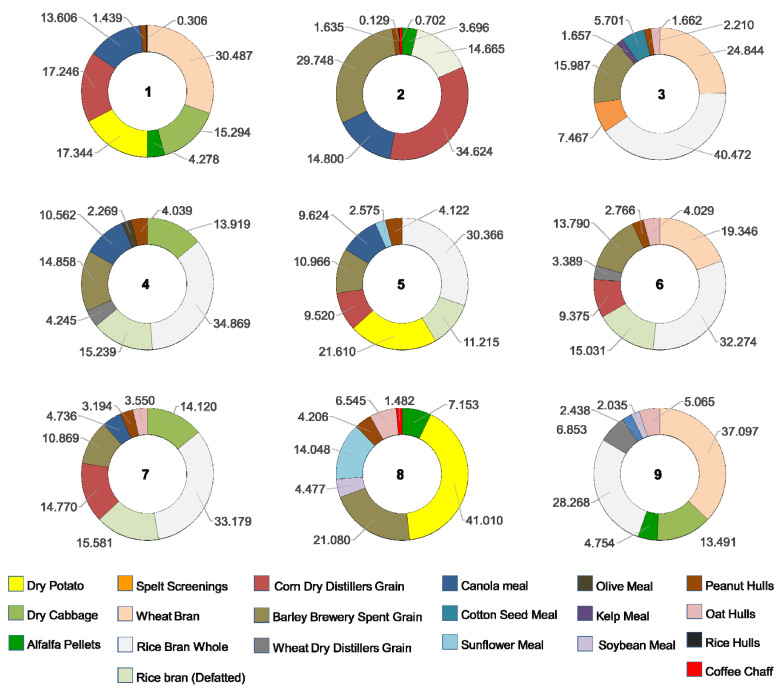
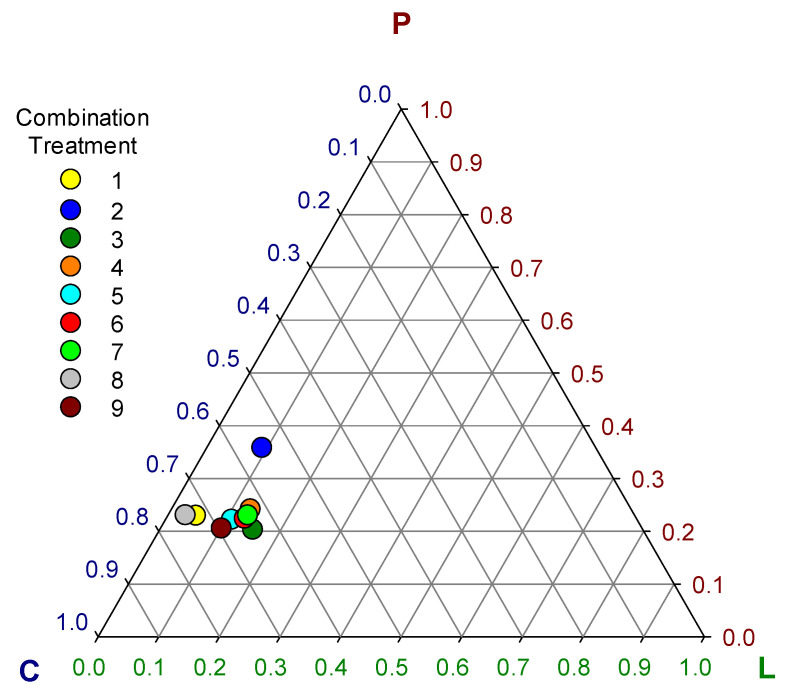
Nutrient self-selection was used to determine optimal intake ratios of macro-nutrients by L. larvae. Self-selection experiments consisted of 9 combinations (treatments) of 8 ingredients, from a total of 20 choices, radially distributed in a multiple-choice arena presented to groups of 100 larvae (12th-13th instar). Larvae freely selected and feed on the pelletized ingredients for a period of 21 days at 27 °C, 75% RH, and dark conditions. Consumption (g) of each ingredient, larval live weight gained (mg), and frass production were recorded and used to calculate food assimilation and efficiency of conversion of ingested food. The macro-nutrient intake ratios were 0.06 ± 0.03, 0.23 ± 0.01, and 0.71 ± 0.03 for lipid, protein, and carbohydrate, respectively on the best performing treatments. The intake of neutral detergent fiber negatively impacted food assimilation, food conversion and biomass gain. Food assimilation, food conversion, and biomass gain were significantly impacted by the intake of carbohydrate in a positive way. Cabbage, potato, wheat bran, rice bran (whole and defatted), corn dry distillers' grain, spent brewery dry grain, canola meal and sunflower meal were considered suitable as diets ingredients based on their relative consumption percentages (over 10%) within treatment.
通过营养物质自选择法来确定幼虫对常量营养素的最佳摄入比例。自选择实验由8种成分的9种组合(处理方式)构成,这8种成分来自总共20种选择,呈放射状分布于一个多选区域中,供100只幼虫(12龄至13龄)群体选择。幼虫在27℃、相对湿度75%和黑暗条件下,自由选择并取食制粒后的成分,持续21天。记录每种成分的消耗量(克)、幼虫体重增加量(毫克)以及粪便产生量,并用于计算食物同化率和摄入食物的转化效率。在表现最佳的处理方式中,常量营养素的摄入比例分别为:脂质0.06±0.03、蛋白质0.23±0.01、碳水化合物0.71±0.03。中性洗涤纤维的摄入对食物同化、食物转化和生物量增加产生负面影响。碳水化合物的摄入对食物同化、食物转化和生物量增加有显著的积极影响。基于它们在处理方式中的相对消耗百分比(超过10%),卷心菜、土豆、麦麸、米糠(全脂和脱脂)、玉米干酒糟、啤酒糟、菜籽粕和葵花籽粕被认为适合作为饲料成分。