Department of Infection, Immunity and Cardiovascular Disease, Faculty of Medicine, Dentistry & Health, University of Sheffield, Sheffield S10 2RX, UK.
Int J Mol Sci. 2020 Nov 25;21(23):8936. doi: 10.3390/ijms21238936.
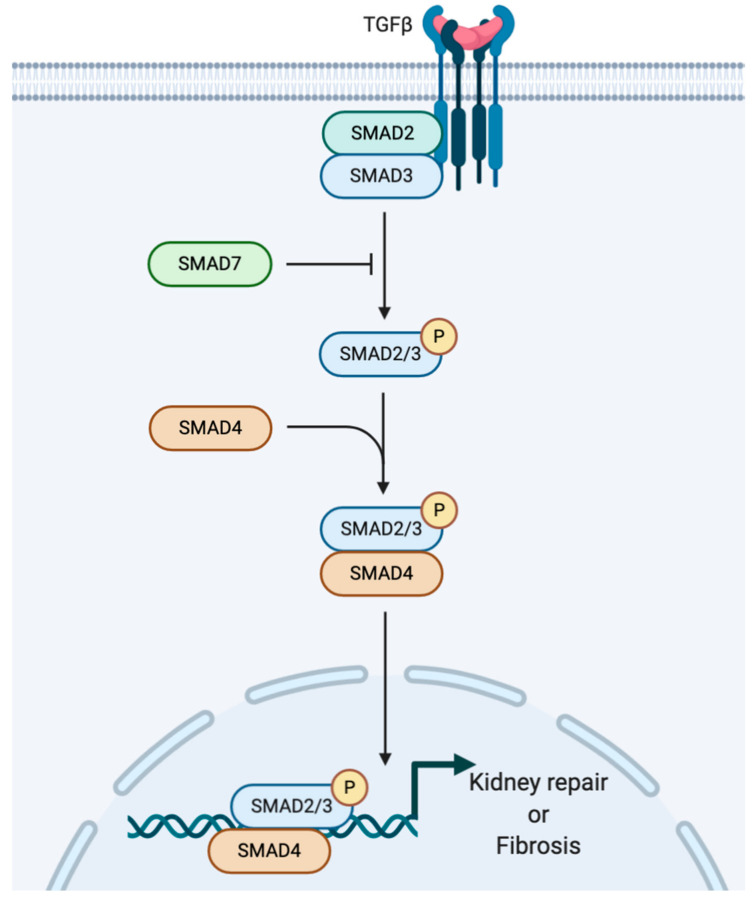
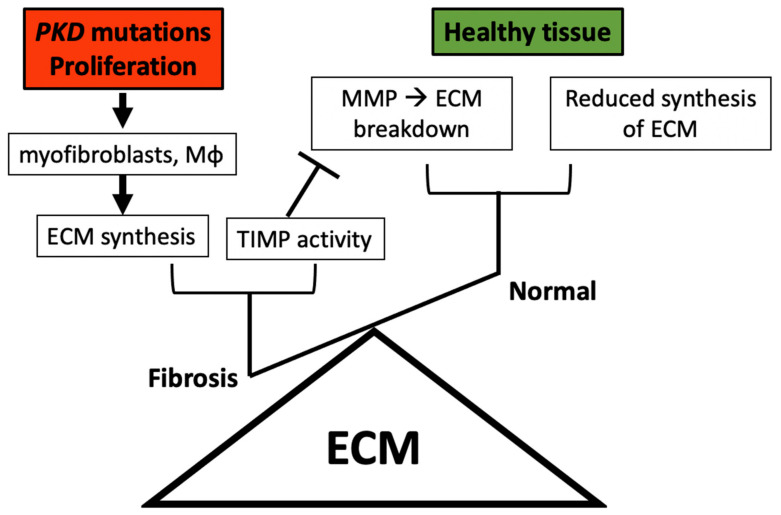
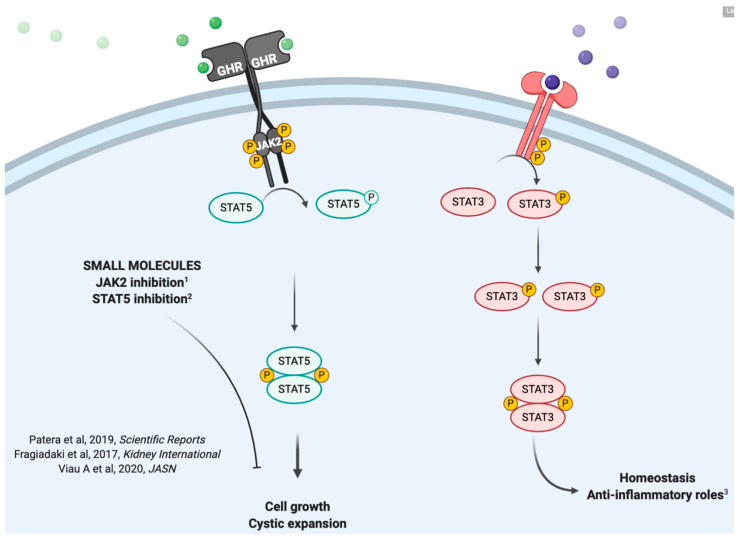
Autosomal Dominant Polycystic Kidney Disease (ADPKD) is characterized by the progressive growth of cysts but it is also accompanied by diffuse tissue scarring or fibrosis. A number of recent studies have been published in this area, yet the role of fibrosis in ADPKD remains controversial. Here, we will discuss the stages of fibrosis progression in ADPKD, and how these compare with other common kidney diseases. We will also provide a detailed overview of some key mechanistic pathways to fibrosis in the polycystic kidney. Specifically, the role of the 'chronic hypoxia hypothesis', persistent inflammation, Transforming Growth Factor beta (TGFβ), Janus Kinase/Signal Transducers and Activators of Transcription (JAK/STAT) and microRNAs will be examined. Evidence for and against a pathogenic role of extracellular matrix during ADPKD disease progression will be provided.
常染色体显性多囊肾病(ADPKD)的特征是囊肿的进行性生长,但也伴随着弥漫性组织瘢痕或纤维化。该领域近期发表了许多研究,但纤维化在 ADPKD 中的作用仍存在争议。在这里,我们将讨论 ADPKD 纤维化进展的阶段,以及这些阶段与其他常见肾脏疾病的比较。我们还将详细概述多囊肾病纤维化的一些关键机制途径。具体来说,将检查“慢性缺氧假说”、持续炎症、转化生长因子β (TGFβ)、Janus 激酶/信号转导和转录激活因子 (JAK/STAT) 和 microRNAs 的作用。将提供 ADPKD 疾病进展过程中细胞外基质是否具有致病性作用的证据。