Environ Sci Technol. 2020 Dec 15;54(24):15976-15985. doi: 10.1021/acs.est.0c04470. Epub 2020 Nov 30.
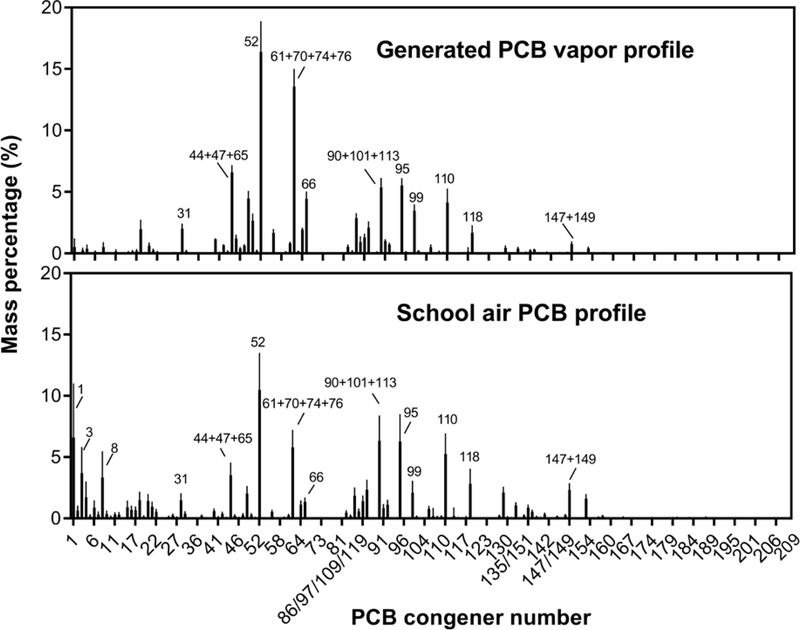
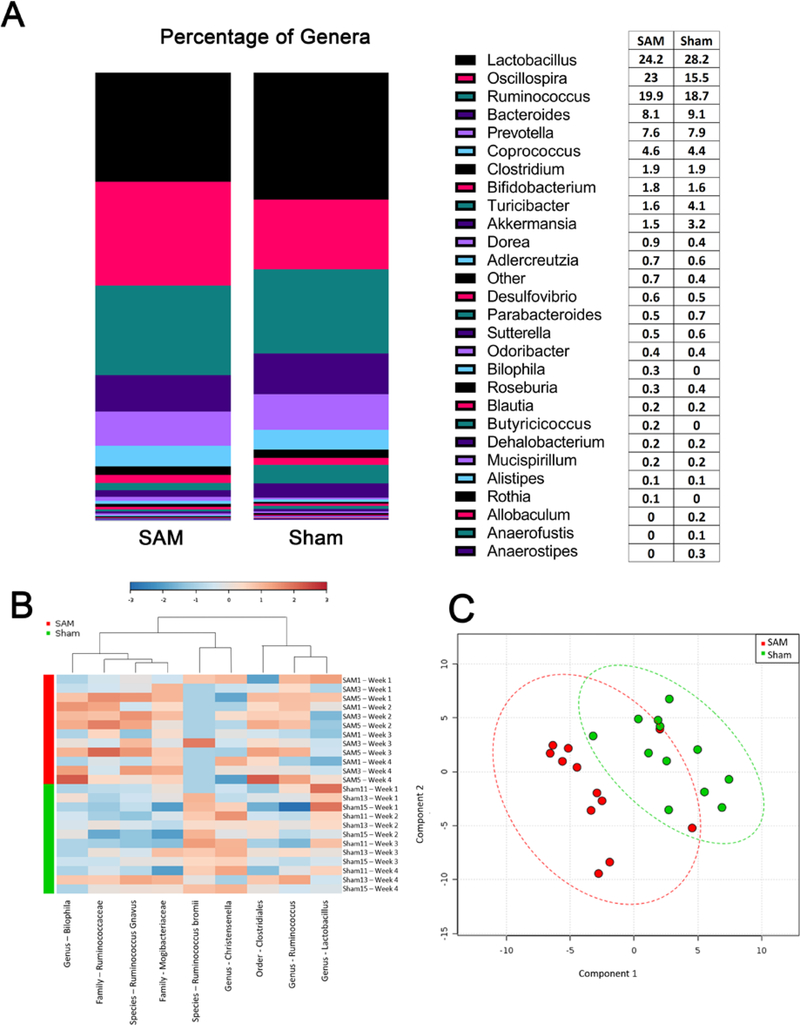
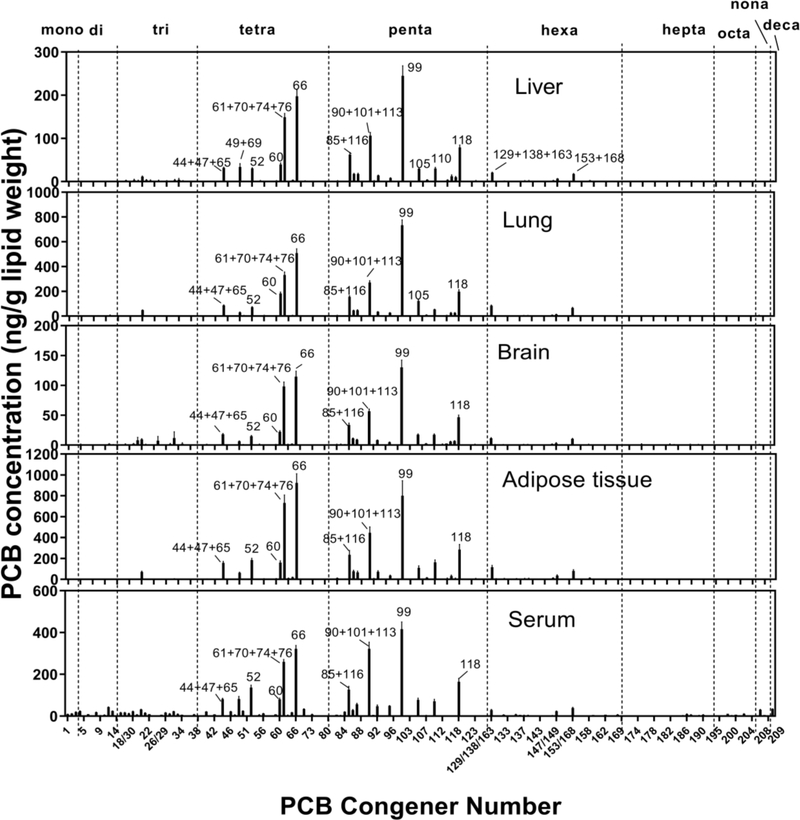
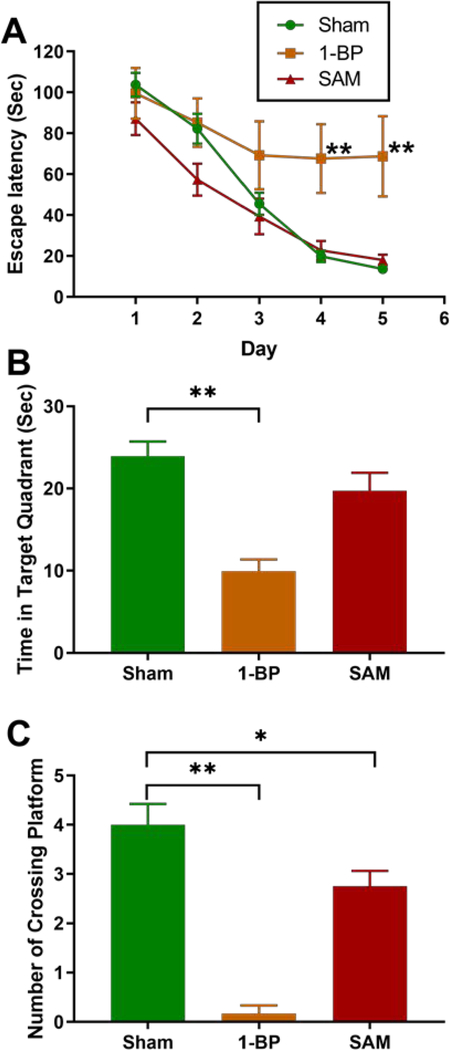
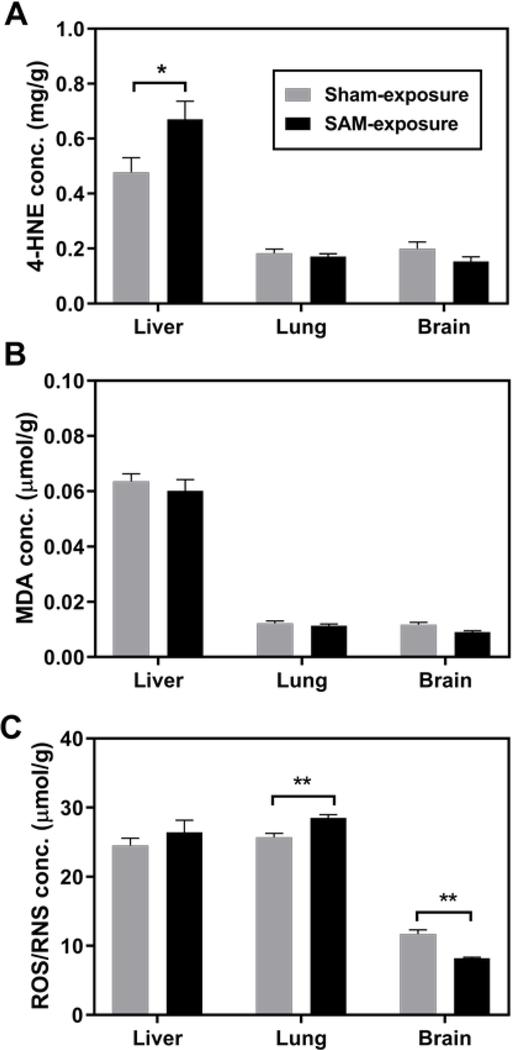
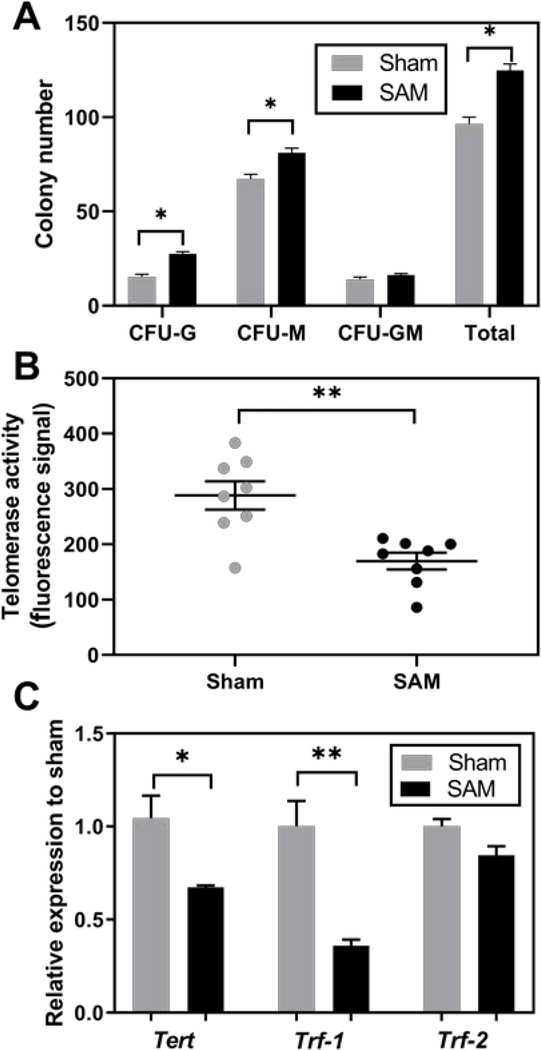
Few inhalation studies have explored the toxicity of environmentally relevant mixtures of polychlorinated biphenyls (PCBs). The manufacture of industrial PCBs was banned in 1978, but PCBs continue to be formed in industrial and consumer products. Schools represent a significant source of airborne exposures to legacy and nonlegacy PCBs, placing children at risk. To evaluate the impact of these exposures, we generated an airborne mixture of PCBs, called the School Air Mixture (SAM), to match the profile of an older school from our adolescent cohort study. Female Sprague-Dawley rats were exposed either to SAM or filtered air in nose-only exposure systems, 4 h/day for 4 weeks. Congener-specific air and tissue PCB profiles were assessed using gas chromatography with tandem mass spectrometry (GC-MS/MS). PCB exposures recapitulated the target school air profile with a similarity coefficient, cos θ of 0.83. PCB inhalation yielded μg/g ∑ PCB levels in tissues. Neurobehavioral testing demonstrated a modest effect on spatial learning and memory in SAM-exposed rats. PCB exposure induced oxidative stress in the liver and lungs, affected the maturational stages of hematopoietic stem cells, reduced telomerase activity in bone marrow cells, and altered the gut microbiota. This is the first study to emulate PCB exposures in a school and comprehensively evaluate toxicity.
很少有吸入研究探索过环境相关的多氯联苯 (PCBs) 混合物的毒性。1978 年,工业用 PCBs 的生产已被禁止,但 PCBs 仍在工业和消费产品中形成。学校是空气中接触到传统和非传统 PCBs 的主要来源,使儿童面临风险。为了评估这些暴露的影响,我们生成了一种名为“学校空气混合物”(SAM)的空气 PCB 混合物,以匹配我们青少年队列研究中一所旧学校的特征。雌性 Sprague-Dawley 大鼠通过鼻式暴露系统每天暴露于 SAM 或过滤空气中 4 小时,持续 4 周。使用气相色谱-串联质谱法(GC-MS/MS)评估了同种元素特异性空气和组织 PCB 图谱。PCB 暴露重现了目标学校空气的特征,相似系数 cosθ为 0.83。PCB 吸入导致组织中总 PCB 水平达到 μg/g。神经行为测试表明,SAM 暴露大鼠的空间学习和记忆能力受到轻微影响。PCB 暴露导致肝脏和肺部的氧化应激,影响造血干细胞的成熟阶段,降低骨髓细胞中的端粒酶活性,并改变肠道微生物群。这是第一项在学校中模拟 PCB 暴露并全面评估毒性的研究。