Department of Chemical Biology, Ernest Mario School of Pharmacy, Rutgers, The State University of New Jersey, Piscataway, New Jersey, USA.
Cancer Research Program, Julius L. Chambers Biomedical Biotechnology Research Institute, North Carolina Central University, Durham, North Carolina, USA.
Int J Cancer. 2021 Jul 15;149(2):264-276. doi: 10.1002/ijc.33421. Epub 2020 Dec 17.
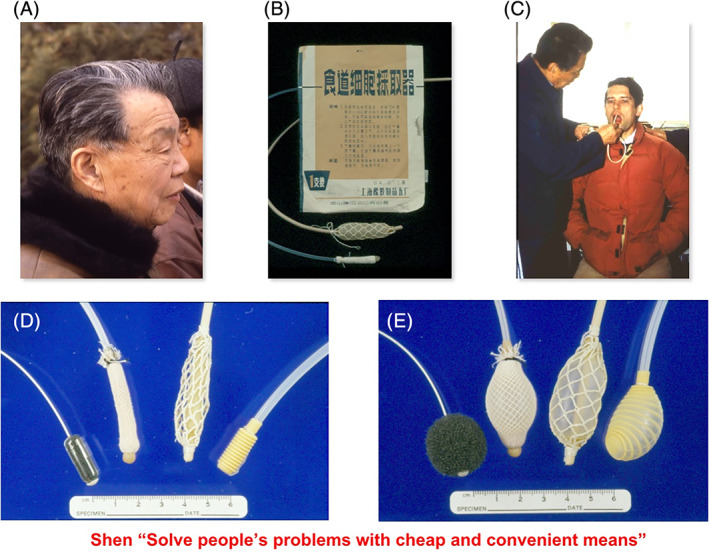
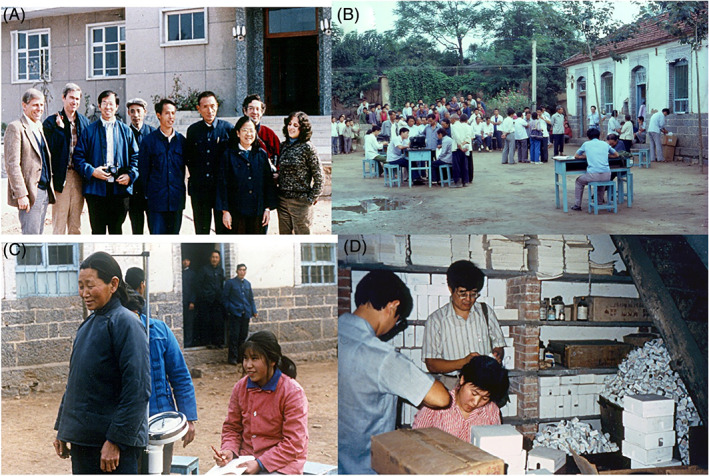
The most common form of esophageal cancer (EC), esophageal squamous cell carcinoma (ESCC), is prevalent in many unindustrialized societies, among people with lower socioeconomic status and those who frequently use tobacco and alcohol. In some areas, ESCC mortality ranked top among all cancer. In this review, we begin with discussions of the extensive research on EC in Linxian in northern China that started 60 years ago and the recent studies in Kenya from our personal perspectives. Based on the results obtained from these studies and information from the literature, we summarize our current understanding about the risk factors for ESCC including lifestyle factors (smoking, alcohol, consumption of food and beverages at high temperature and other unhealthy habits), poor diet and nutritional insufficiencies and genetic susceptibility. Elimination or minimization of these environmental risk factors, as well as early detection and treatment of precancerous lesions, would be effective means for the prevention of ESCC. Current knowledge of molecular alterations in ESCC (gene mutations, hypermethylation and amplification or overexpression), as well as treatment of ESCC and the potential of targeted therapy, are also discussed. Finally, we propose effective approaches for the prevention of ESCC by adapting a healthy lifestyle, including a healthy diet that would also prevent other diseases. Community outreach, public education and international collaboration are important for achieving this public health goal.
食管癌(EC)最常见的形式是食管鳞状细胞癌(ESCC),在许多非工业化社会中流行,这些社会中的人群社会经济地位较低,经常使用烟草和酒精。在一些地区,ESCC 的死亡率在所有癌症中排名第一。在这篇综述中,我们首先从我们个人的角度讨论了 60 年前在中国北方的林县开始的关于 EC 的广泛研究以及最近在肯尼亚的研究。基于这些研究的结果和文献中的信息,我们总结了我们目前对 ESCC 危险因素的认识,包括生活方式因素(吸烟、饮酒、食用高温食物和饮料以及其他不健康的习惯)、不良饮食和营养不足以及遗传易感性。消除或最小化这些环境危险因素,以及早期发现和治疗癌前病变,将是预防 ESCC 的有效手段。还讨论了 ESCC 的分子改变(基因突变、甲基化和扩增或过表达)以及 ESCC 的治疗和靶向治疗的潜力。最后,我们提出了通过适应健康的生活方式(包括预防其他疾病的健康饮食)来预防 ESCC 的有效方法。社区外展、公众教育和国际合作对于实现这一公共卫生目标非常重要。