Craniofacial Unit, Department of Oral & Maxillofacial Surgery, University of Szeged, Tisza Lajos krt. 97, Szeged, Hungary.
Department of Oral & Maxillofacial Surgery, Faculty of Medicine, University of Szeged, Kálvária sugárút. 57, Szeged, Hungary.
Head Face Med. 2020 Dec 4;16(1):34. doi: 10.1186/s13005-020-00250-2.
The elaboration of a precise pre-surgical plan is essential during surgical treatment of dentofacial deformities. The aim of this study was to evaluate the accuracy of computer-aided simulation compared with the actual surgical outcome, following orthognathic surgery reported in clinical trials.
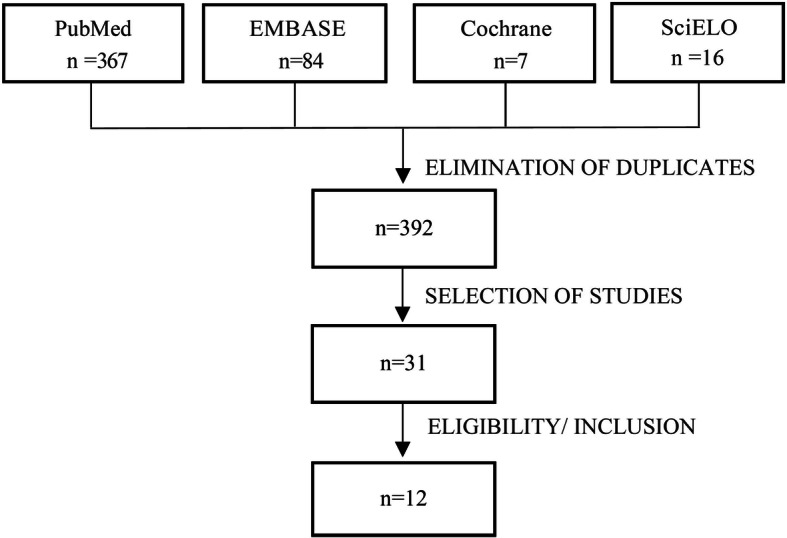
Our search was performed in PubMed, EMBASE, Cochrane Library and SciELO for articles published in the last decade. A total of 392 articles identified were assessed independently and in a blinded manner using eligibility criteria, out of which only twelve articles were selected for inclusion in our research. Data were presented using intra-class correlation coefficient, and linear and angular differences in three planes.
The comparison of the accuracy analyses of the examined method has shown an average translation (< 2 mm) in the maxilla and also in the mandible (in three planes). The accuracy values for pitch, yaw, and roll (°) were (< 2.75, < 1.7 and < 1.1) for the maxilla, respectively, and (< 2.75, < 1.8, < 1.1) for the mandible. Cone-beam computed tomography (CBCT) with intra-oral scans of the dental casts is the most used imaging protocols for virtual orthognathic planning. Furthermore, calculation of the linear and angular differences between the virtual plan and postoperative outcomes was the most frequented method used for accuracy assessment (10 out of 12 studies) and a difference less than 2 mm/° was considered acceptable and accurate. When comparing this technique with the classical planning, virtual planning appears to be more accurate, especially in terms of frontal symmetry.
Virtual planning seems to be an accurate and reproducible method for orthognathic treatment planning. However, more clinical trials are needed to clearly determine the accuracy and validation of the virtual planning in orthognathic surgery.
在正颌手术治疗牙颌面畸形中,精确的术前计划至关重要。本研究旨在评估计算机辅助模拟与临床研究报告的正颌手术后实际手术结果的准确性。
我们在 PubMed、EMBASE、Cochrane 图书馆和 SciELO 中搜索了过去十年发表的文章。根据纳入标准,独立且盲法评估了总共 392 篇文章,其中只有 12 篇文章被选入我们的研究。数据以三维平面内的组内相关系数、线性和角度差异呈现。
对所检查方法的准确性分析进行比较,显示上颌骨和下颌骨的平均平移(<2mm)。上颌骨的准确度值为( Pitch,Yaw,Roll)分别为(<2.75,<1.7,<1.1),下颌骨的准确度值为(<2.75,<1.8,<1.1)。牙颌模型的口腔内扫描锥形束 CT(CBCT)是虚拟正颌规划最常用的成像方案。此外,计算虚拟计划与术后结果之间的线性和角度差异是评估准确性最常用的方法(12 项研究中有 10 项),认为<2mm/°的差异是可接受和准确的。与传统规划相比,虚拟规划似乎更准确,特别是在正面对称性方面。
虚拟规划似乎是一种准确且可重复的正颌治疗计划方法。然而,需要更多的临床试验来明确确定虚拟规划在正颌手术中的准确性和验证。