Department of Chemistry, University of Colorado Denver, Denver, Colorado, USA.
Department of Pharmaceutical Sciences, School of Medicine, University of Colorado Anschutz Medical Campus, Aurora, Colorado, USA.
J Biol Chem. 2021 Jan-Jun;296:100159. doi: 10.1074/jbc.RA120.014618. Epub 2020 Dec 10.
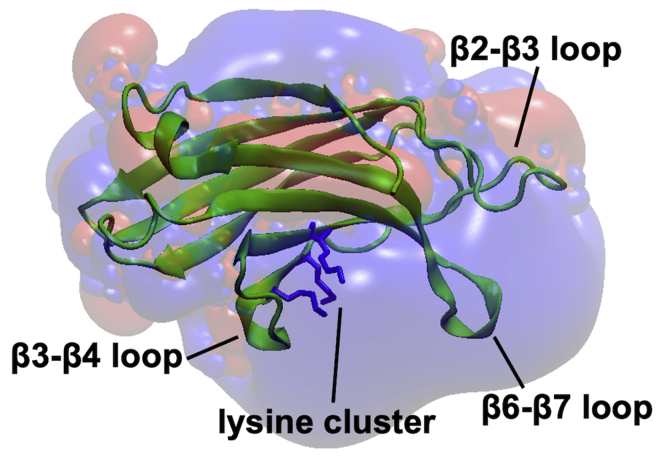
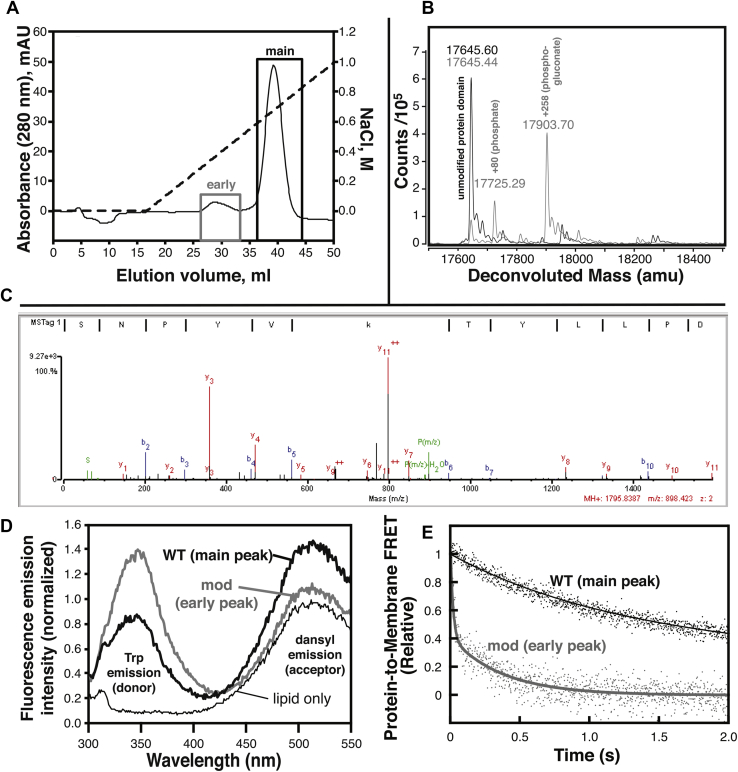
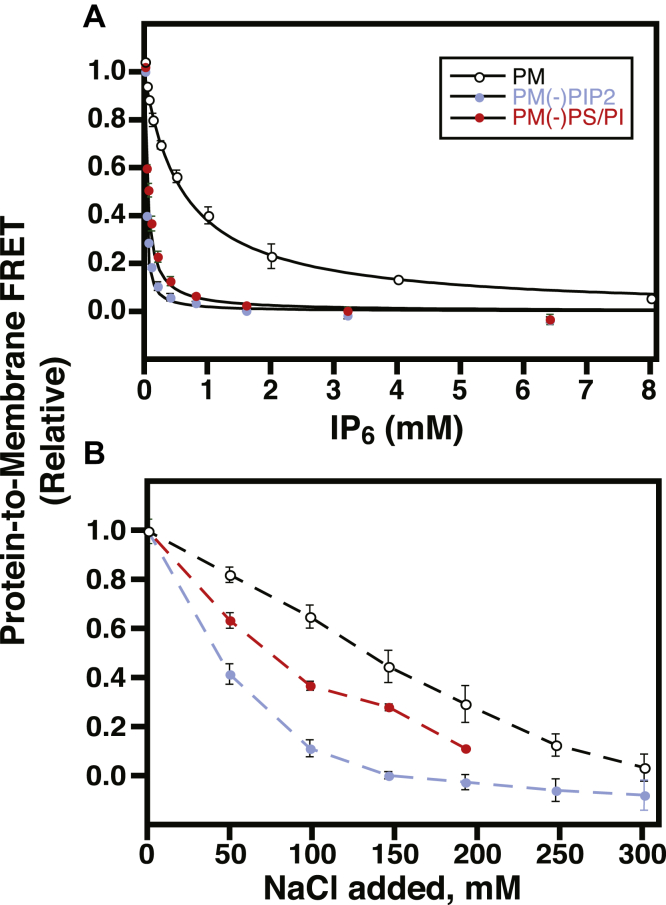
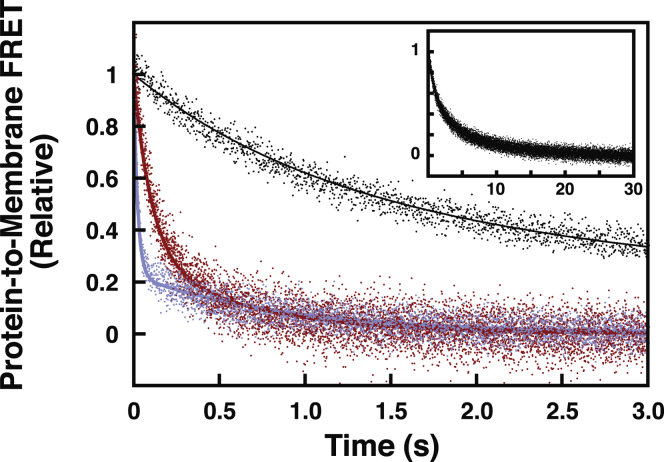
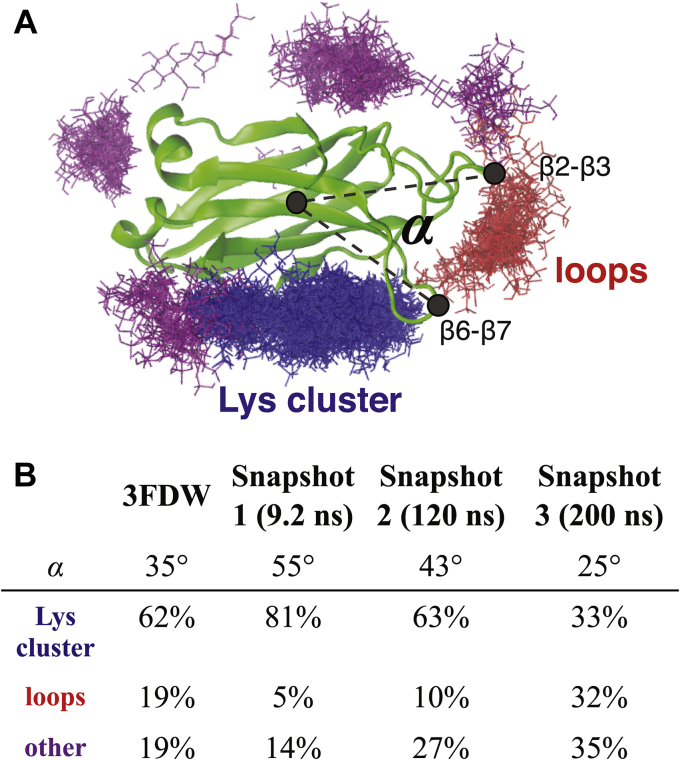
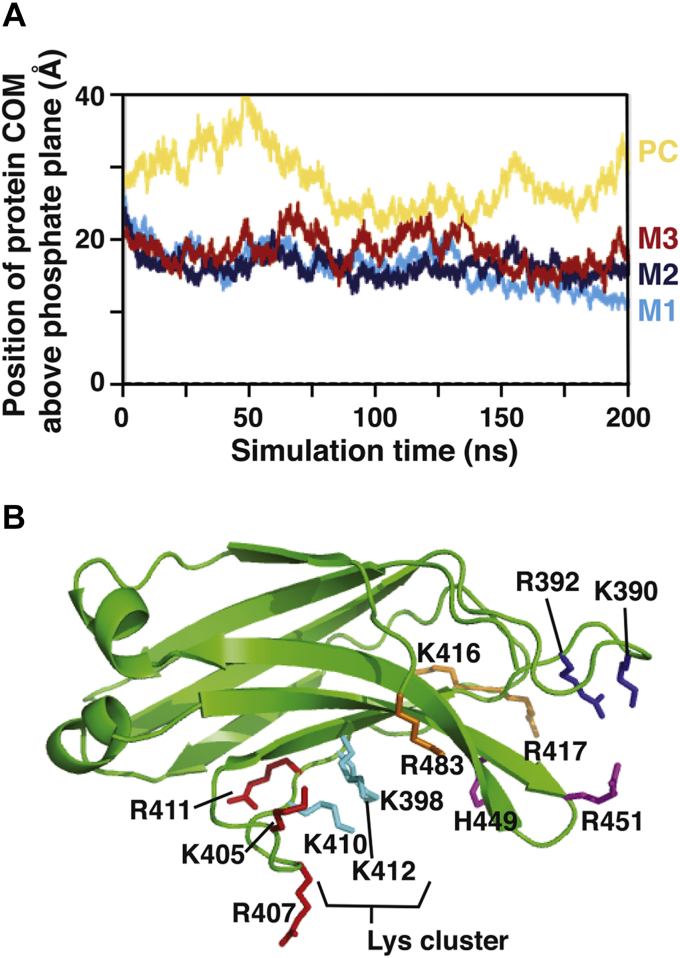
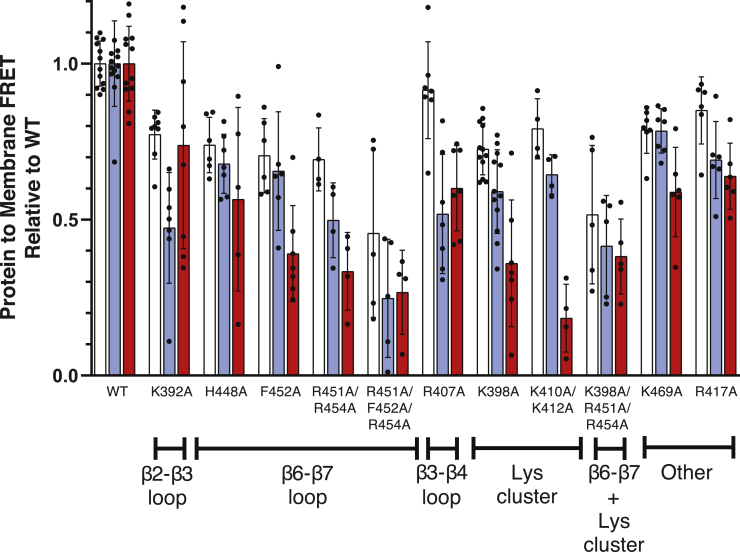
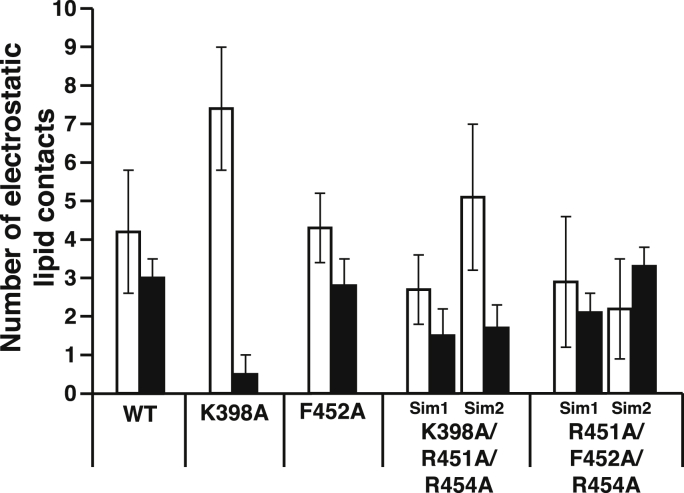
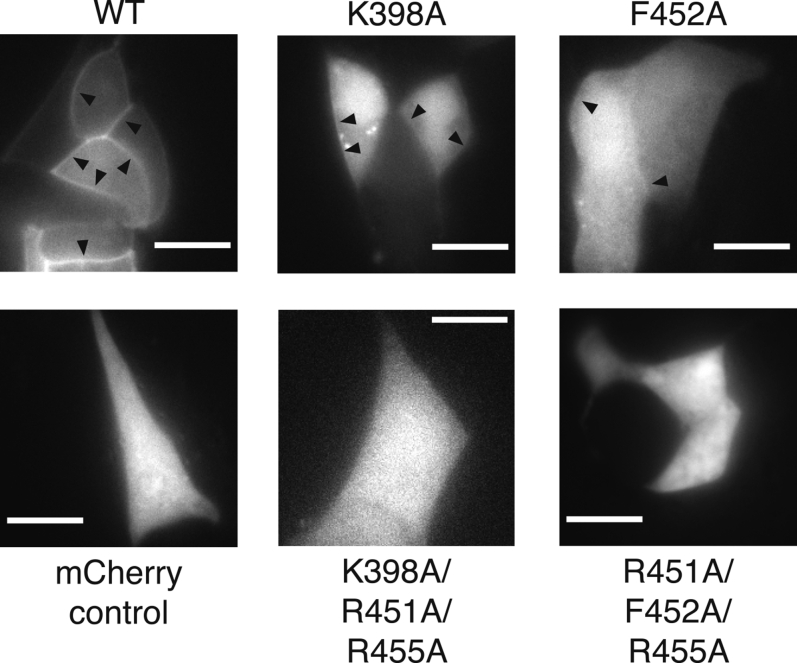
Synaptotagmin-like protein 4 (Slp-4), also known as granuphilin, is a Rab effector responsible for docking secretory vesicles to the plasma membrane before exocytosis. Slp-4 binds vesicular Rab proteins via an N-terminal Slp homology domain, interacts with plasma membrane SNARE complex proteins via a central linker region, and contains tandem C-terminal C2 domains (C2A and C2B) with affinity for phosphatidylinositol-(4,5)-bisphosphate (PIP). The Slp-4 C2A domain binds with low nanomolar apparent affinity to PIP in lipid vesicles that also contain background anionic lipids such as phosphatidylserine but much weaker when either the background anionic lipids or PIP is removed. Through computational and experimental approaches, we show that this high-affinity membrane binding arises from concerted interaction at multiple sites on the C2A domain. In addition to a conserved PIP-selective lysine cluster, a larger cationic surface surrounding the cluster contributes substantially to the affinity for physiologically relevant lipid compositions. Although the K398A mutation in the lysine cluster blocks PIP binding, this mutated protein domain retains the ability to bind physiological membranes in both a liposome-binding assay and MIN6 cells. Molecular dynamics simulations indicate several conformationally flexible loops that contribute to the nonspecific cationic surface. We also identify and characterize a covalently modified variant that arises through reactivity of the PIP-binding lysine cluster with endogenous bacterial compounds and binds weakly to membranes. Overall, multivalent lipid binding by the Slp-4 C2A domain provides selective recognition and high-affinity docking of large dense core secretory vesicles to the plasma membrane.
突触结合蛋白相关蛋白 4(Slp-4),也称为颗粒结合蛋白,是一种 Rab 效应蛋白,负责在胞吐作用之前将分泌囊泡停靠到质膜上。Slp-4 通过 N 端 Slp 同源结构域与囊泡 Rab 蛋白结合,通过中央连接区与质膜 SNARE 复合物蛋白相互作用,并包含串联的 C 端 C2 结构域(C2A 和 C2B),对磷酸肌醇-(4,5)-二磷酸(PIP)具有亲和力。Slp-4 C2A 结构域以低纳摩尔的表观亲和力与脂质体中的 PIP 结合,脂质体中还含有背景阴离子脂质,如磷脂酰丝氨酸,但当背景阴离子脂质或 PIP 被去除时,结合强度会大大减弱。通过计算和实验方法,我们表明这种高亲和力的膜结合是由 C2A 结构域上多个位点的协同相互作用引起的。除了保守的 PIP 选择性赖氨酸簇之外,围绕该簇的更大的阳离子表面也为与生理相关的脂质组成的亲和力做出了很大贡献。尽管赖氨酸簇中的 K398A 突变会阻止 PIP 结合,但该突变蛋白结构域仍保留在脂质体结合测定和 MIN6 细胞中结合生理膜的能力。分子动力学模拟表明,几个构象柔性环对非特异性阳离子表面有贡献。我们还鉴定并表征了一种通过 PIP 结合赖氨酸簇与内源性细菌化合物的反应产生的共价修饰变体,该变体与膜的结合较弱。总的来说,Slp-4 C2A 结构域的多价脂质结合为大致密核心分泌囊泡与质膜的选择性识别和高亲和力对接提供了条件。