Department of Internal Medicine, Division of Hematology and Oncology, Rogel Cancer Center, University of Michigan, Ann Arbor, Michigan.
Cancer Res. 2021 Feb 15;81(4):1063-1075. doi: 10.1158/0008-5472.CAN-20-1346. Epub 2020 Dec 4.
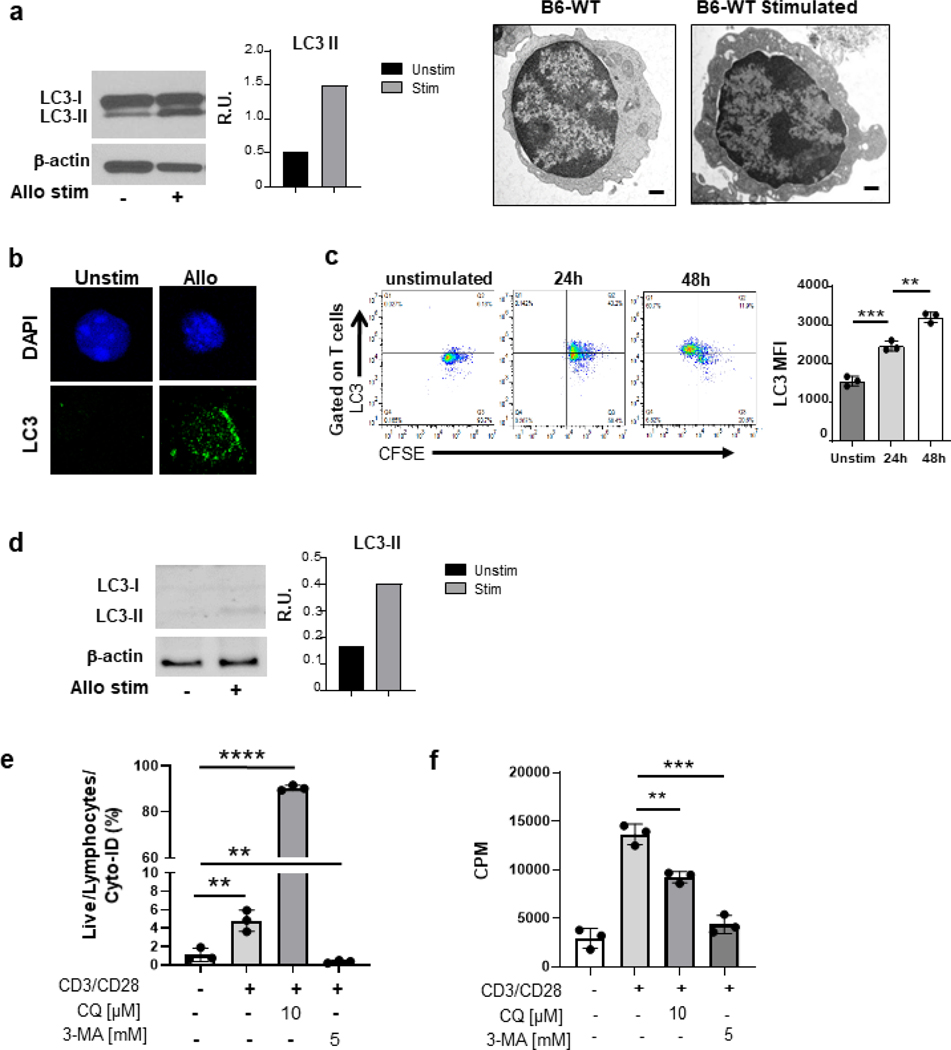
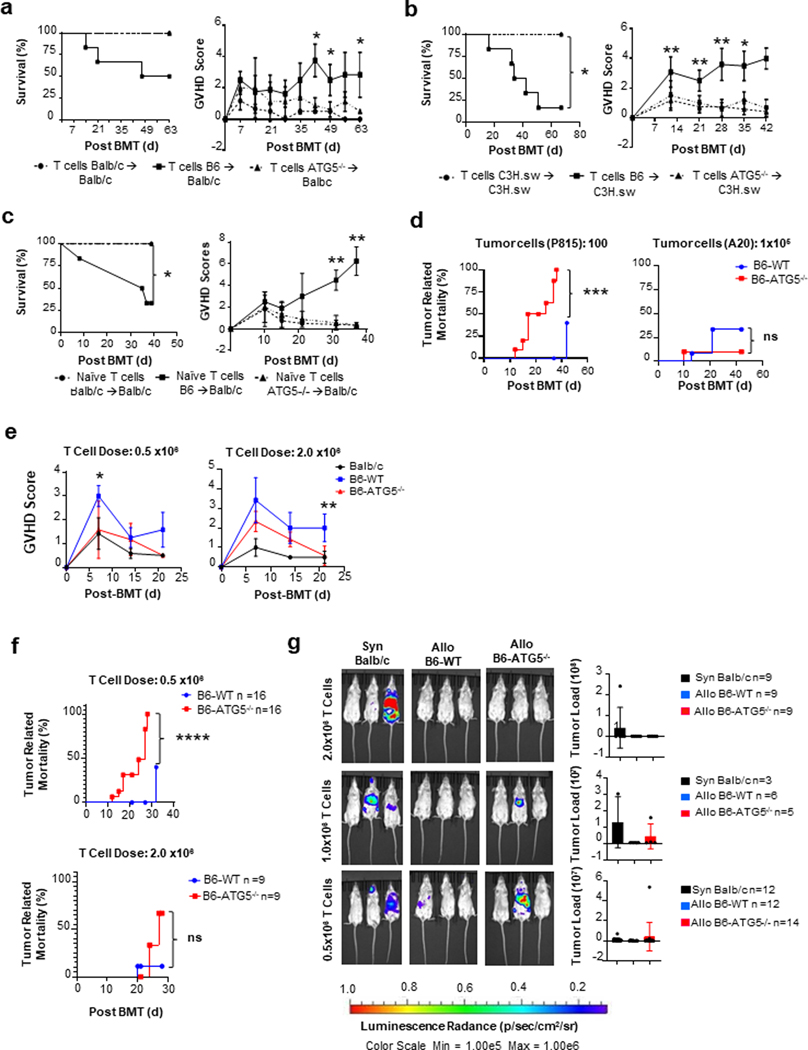
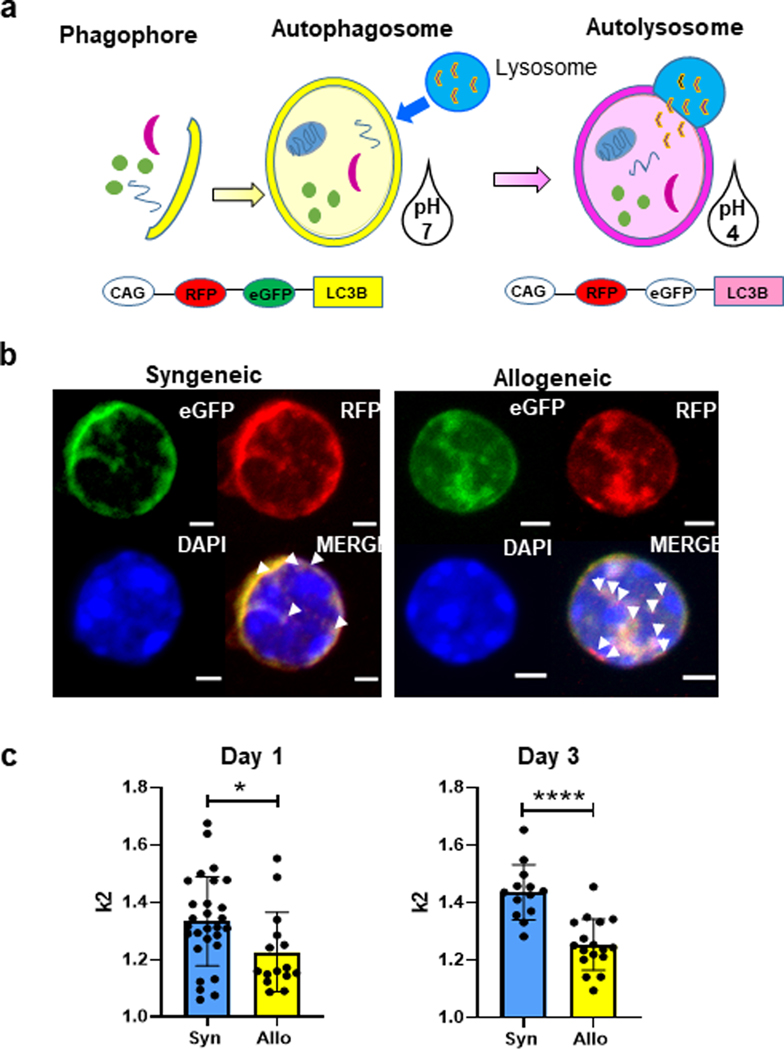
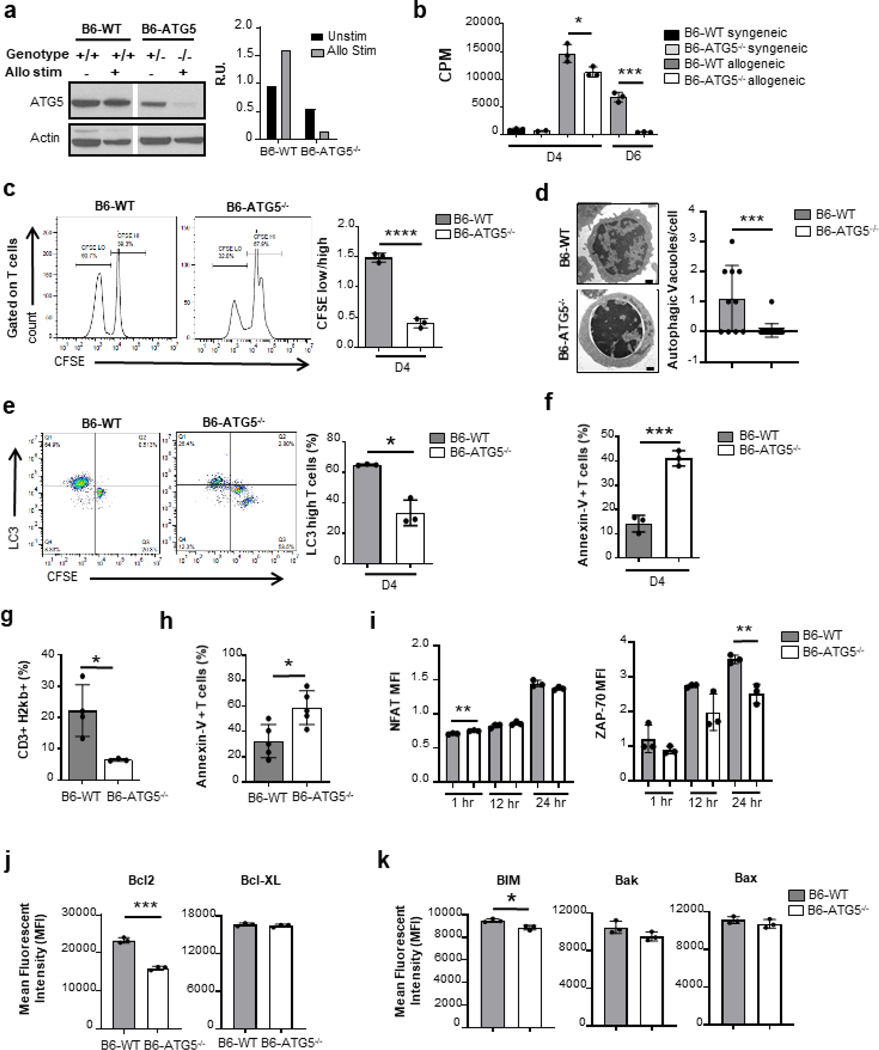
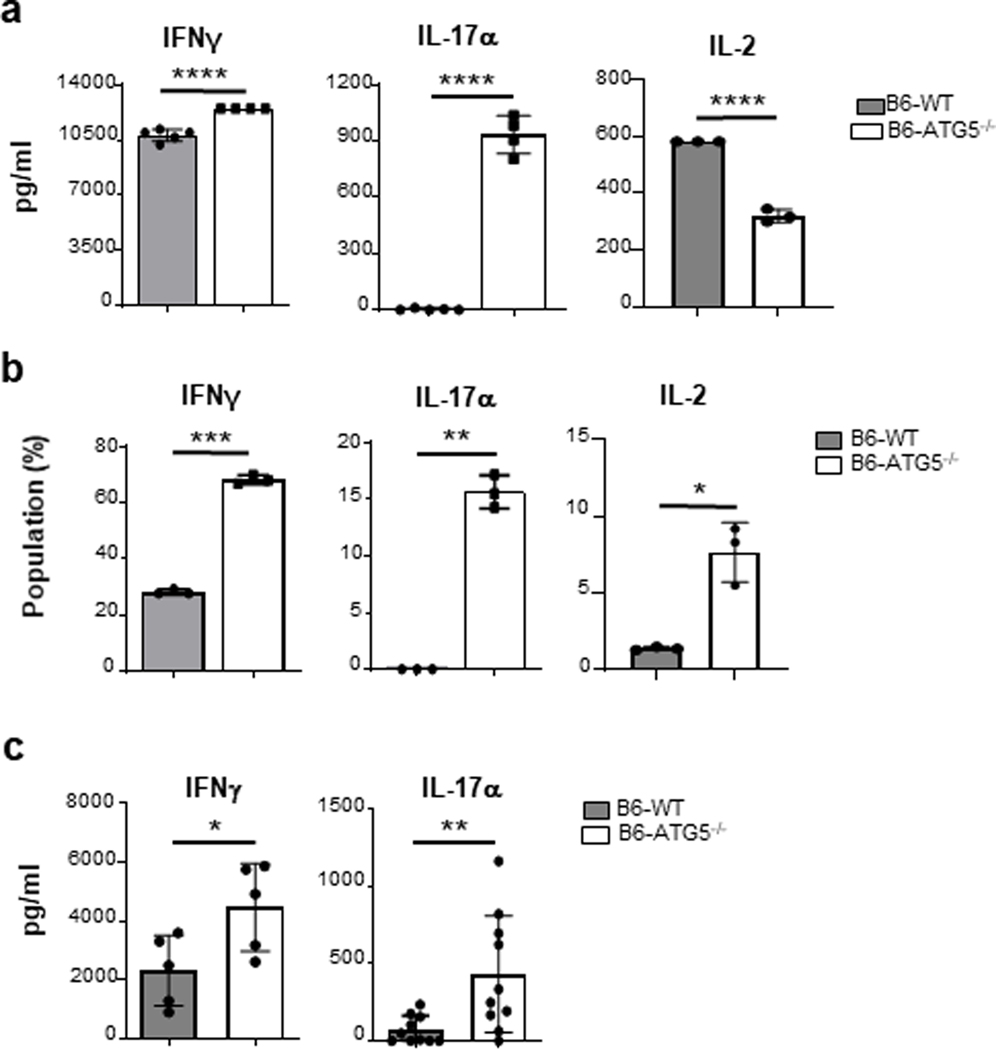
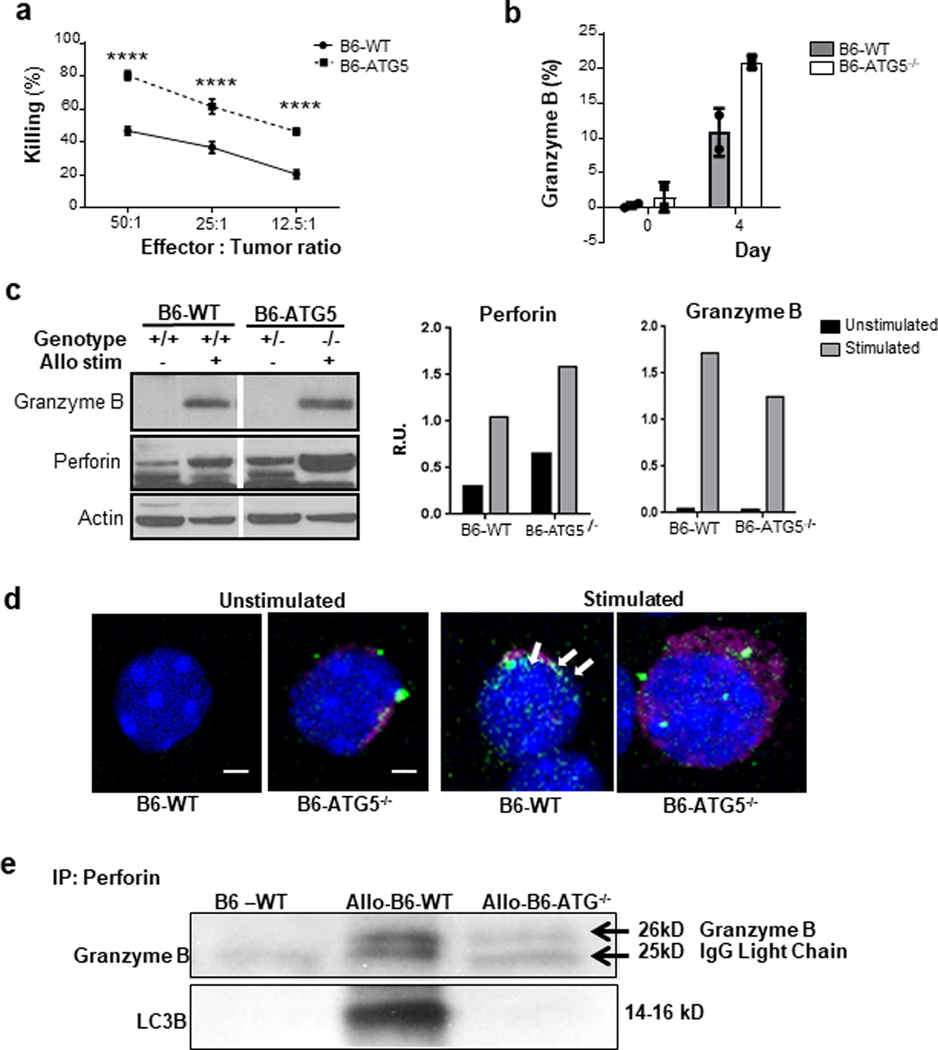
Autophagy is a vital cellular process whose role in T immune cells is poorly understood, specifically, in its regulation of allo-immunity. Stimulation of wild-type T cells and with allo-antigens enhances autophagy. To assess the relevance of autophagy to T-cell allo-immunity, we generated T-cell-specific knock-out mice. Deficiency of ATG5-dependent autophagy reduced T-cell proliferation and increased apoptosis following and allo-stimulation. The absence of ATG5 in allo-stimulated T cells enhanced their ability to release effector cytokines and cytotoxic functions, uncoupling their proliferation and effector functions. Absence of autophagy reduced intracellular degradation of cytotoxic enzymes such as granzyme B, thus enhancing the cytotoxicity of T cells. In several models of allo-HSCT, ATG5-dependent dissociation of T-cell functions contributed to significant reduction in graft-versus-host disease (GVHD) but retained sufficient graft versus tumor (GVT) response. Our findings demonstrate that ATG5-dependent autophagy uncouples T-cell proliferation from its effector functions and offers a potential new strategy to enhance outcomes after allo-HSCT. SIGNIFICANCE: These findings demonstrate that induction of autophagy in donor T-cell promotes GVHD, while inhibition of T-cell autophagy mitigates GVHD without substantial loss of GVL responses.
自噬是一种重要的细胞过程,其在 T 免疫细胞中的作用尚不清楚,特别是在调节同种免疫方面。野生型 T 细胞和经同种抗原刺激后,自噬会增强。为了评估自噬与 T 细胞同种免疫的相关性,我们生成了 T 细胞特异性 Atg5 敲除小鼠。在受到同种刺激后,缺乏 Atg5 依赖性自噬会减少 T 细胞增殖并增加细胞凋亡。在同种刺激的 T 细胞中缺乏 Atg5 会增强其释放效应细胞因子和细胞毒性功能的能力,使它们的增殖和效应功能脱耦联。自噬的缺乏会降低细胞毒性酶(如颗粒酶 B)的细胞内降解,从而增强 T 细胞的细胞毒性。在几种同种异体 HSCT 的模型中,T 细胞功能的 Atg5 依赖性分离有助于显著减少移植物抗宿主病(GVHD),但保留了足够的移植物抗肿瘤(GVT)反应。我们的研究结果表明,Atg5 依赖性自噬将 T 细胞的增殖与其效应功能脱耦联,并为同种异体 HSCT 后提高疗效提供了一种新的潜在策略。意义:这些发现表明,在供体细胞中诱导自噬会促进 GVHD,而抑制 T 细胞自噬则可以减轻 GVHD,而不会显著丧失 GVL 反应。