Howard Hughes Medical Institute, Department of Cell Biology, Harvard Medical School, Boston, MA 02115, USA.
Howard Hughes Medical Institute, Department of Cell Biology, Harvard Medical School, Boston, MA 02115, USA.
Neuron. 2021 Feb 3;109(3):461-472.e5. doi: 10.1016/j.neuron.2020.11.010. Epub 2020 Dec 4.
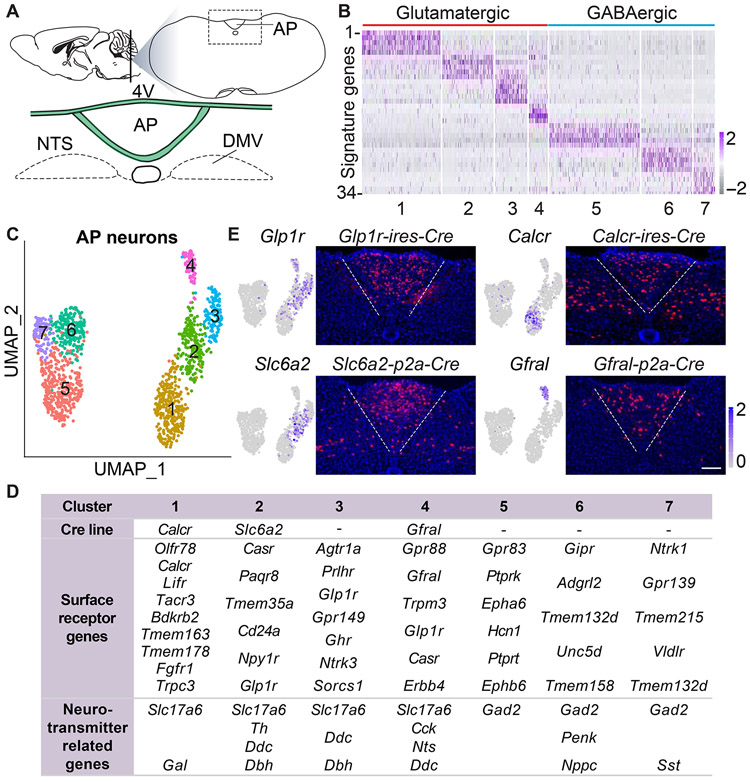
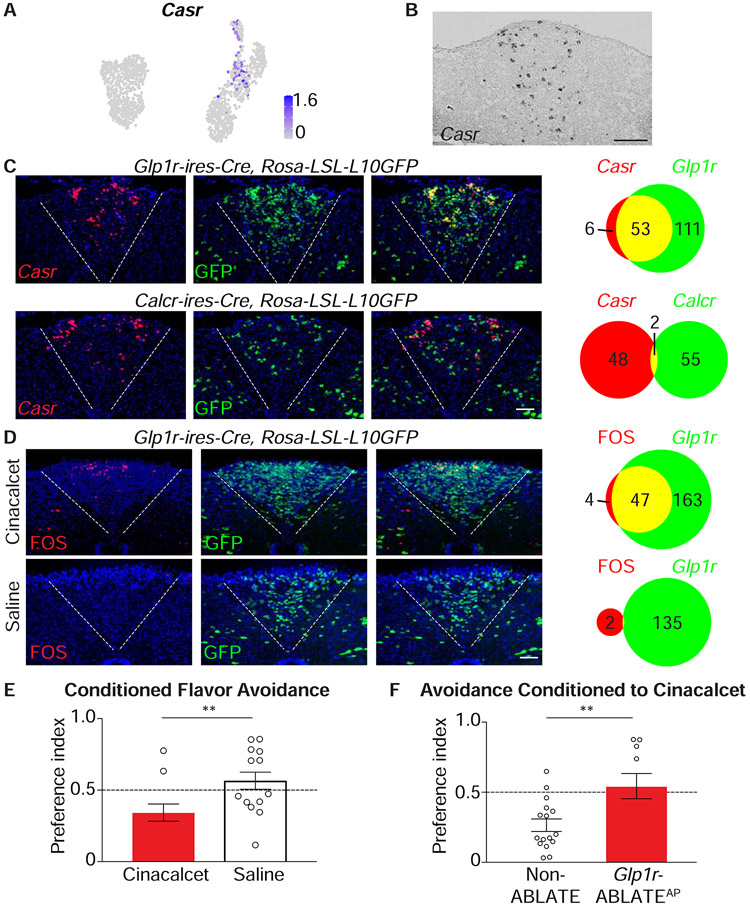
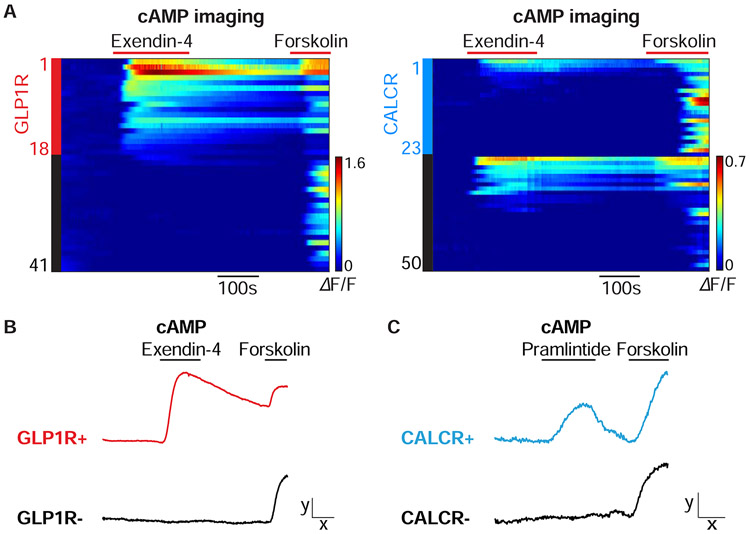
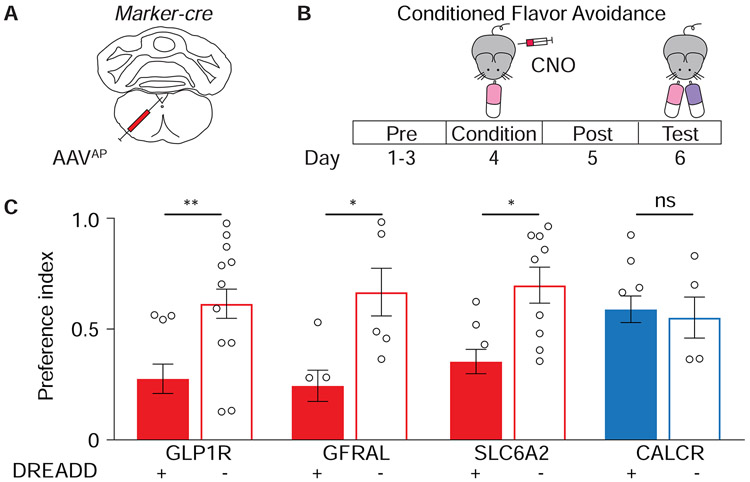
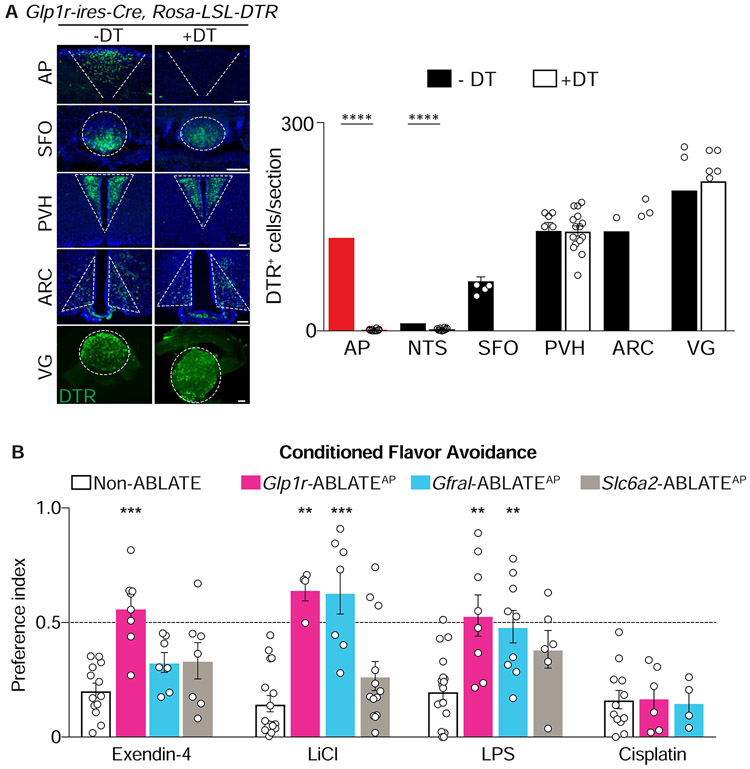
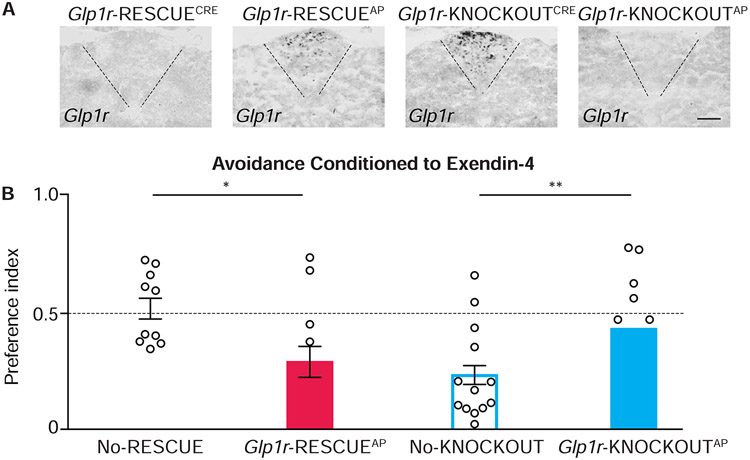
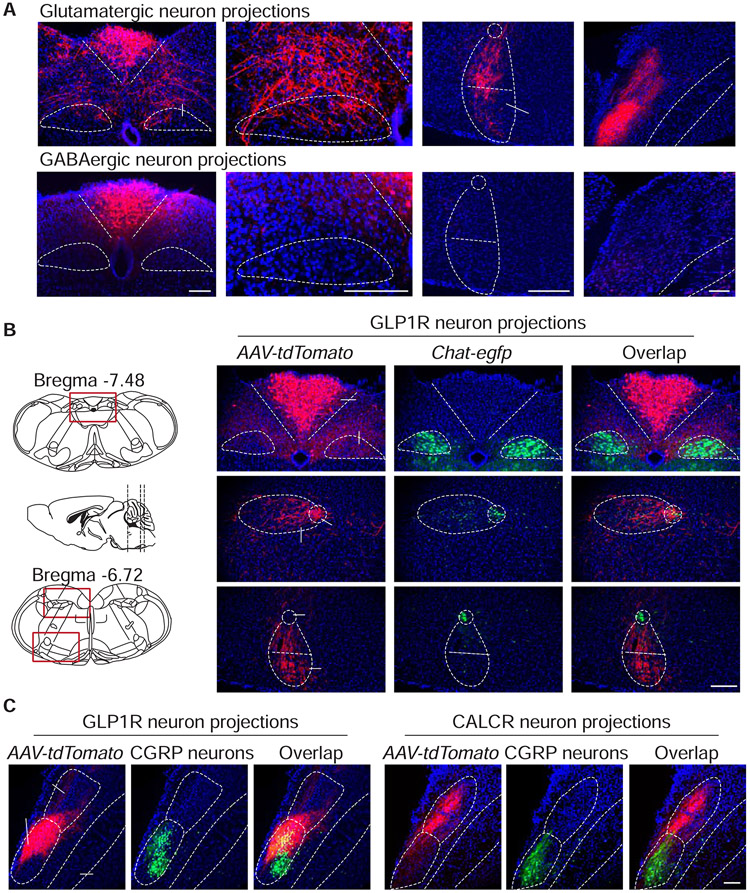
Nausea, the unpleasant sensation of visceral malaise, remains a mysterious process. The area postrema is implicated in some nausea responses and is anatomically privileged to detect blood-borne signals. To investigate nausea mechanisms, we built an area postrema cell atlas through single-nucleus RNA sequencing, revealing a few neuron types. Using mouse genetic tools for cell-specific manipulation, we discovered excitatory neurons that induce nausea-related behaviors, with one neuron type mediating aversion imposed by multiple poisons. Nausea-associated responses to agonists of identified area postrema receptors were observed and suppressed by targeted cell ablation and/or gene knockout. Anatomical mapping revealed a distributed network of long-range excitatory but not inhibitory projections with subtype-specific patterning. These studies reveal the basic organization of area postrema nausea circuitry and provide a framework toward understanding and therapeutically controlling nausea.
恶心是一种内脏不适的不愉快感觉,仍然是一个神秘的过程。后区(area postrema)在某些恶心反应中被牵连,并且在解剖学上具有检测血液传播信号的特权。为了研究恶心机制,我们通过单细胞 RNA 测序构建了一个后区细胞图谱,揭示了一些神经元类型。使用用于特定细胞操作的小鼠遗传工具,我们发现了诱导与恶心相关的行为的兴奋性神经元,其中一种神经元类型介导多种毒物引起的厌恶。观察到对鉴定的后区受体激动剂的与恶心相关的反应,并通过靶向细胞消融和/或基因敲除来抑制。解剖学映射显示了具有特定亚型模式的长程兴奋性但非抑制性投射的分布式网络。这些研究揭示了后区恶心回路的基本组织,并为理解和治疗性控制恶心提供了框架。