Chaturvedi Ashutosh, Nath Gopal, Yadav Virender Bhadur, Antiwal Meera, Shakya Niharika, Swathi C, Singh Jai Prakash
Department of Kayachikitsa and Panchakarma and, Azamgarh, Uttar Pradesh, India.
Department of Microbiology, Institute of Medical Sciences, Banaras Hindu University, Varanasi, Azamgarh, Uttar Pradesh, India.
Ayu. 2019 Jul-Sep;40(3):179-184. doi: 10.4103/ayu.AYU_302_19. Epub 2020 Aug 8.
Altered gut flora is associated with the pathogenesis of both intestinal and extra‑intestinal disorders. Aetiology of obesity is associated with mechanisms such as short chain fatty acid production, stimulation of hormones, chronic low‑grade inflammation, lipoprotein and bile acid metabolism and increased endocannabinoid. Receptor system tone have been suggested to explain the role of gut microbiota of obesity. The (Ayurvedic purification methods) claims the management of metabolic disorders hence this work provides the target specific evidence for the clinical studies. The proposed project is aimed to explore the particular molecular mechanism and, to make this therapy more evidence based. Hence, it was hypothesized that ‑based intervention such as (therapeutic purgation) may influence microbiota and help in the management of the obesity.
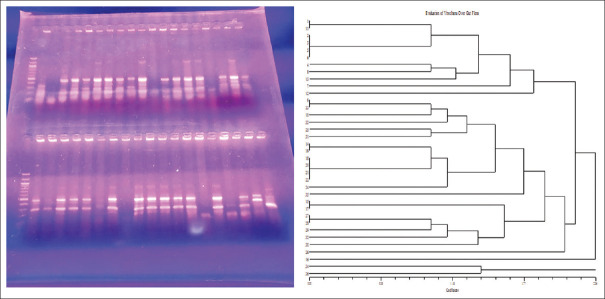
The study was conducted to explore the effect of over the gut flora; therefore, total of 19 patients with diagnosed with obesity were included and received the intervention. Before and after , a stool sample was collected and processed for the enterobacterial repetitive intergenic consensus ‑polymerase chain reaction to find the changes over the facultative aerobic bacteria.
It was found that is effective in the management of the obesity as it helps to reduce colonization of aerobic bacteria. After and after follow‑up also, it showed the correction of the gut flora dysbiosis, thus initiated the weight loss mechanism in the body, resulting in diminution in the signs and symptoms of obesity.
is effective in the management of the obesity due to reduction in the colonization and is effective over the gut flora dysbiosis.
肠道菌群改变与肠道及肠道外疾病的发病机制相关。肥胖的病因与短链脂肪酸生成、激素刺激、慢性低度炎症、脂蛋白和胆汁酸代谢以及内源性大麻素增加等机制有关。有人提出受体系统调节来解释肠道微生物群在肥胖中的作用。(阿育吠陀净化方法)宣称可管理代谢紊乱,因此本研究为临床研究提供了靶点特异性证据。拟开展的项目旨在探索特定分子机制,并使该疗法更具循证依据。因此,我们假设基于(治疗性泻下)的干预可能影响微生物群,并有助于肥胖的管理。
本研究旨在探讨(治疗性泻下)对肠道菌群的影响;因此,共纳入19例诊断为肥胖的(治疗性泻下)患者并接受干预。在(治疗性泻下)前后,收集粪便样本并进行肠杆菌重复基因间共识-聚合酶链反应,以发现兼性需氧菌的变化。
发现(治疗性泻下)对肥胖管理有效,因为它有助于减少需氧菌的定植。在(治疗性泻下)后及随访后,也显示肠道菌群失调得到纠正,从而启动了体内的体重减轻机制,导致肥胖的体征和症状减轻。
(治疗性泻下)因减少(需氧菌)定植而对肥胖管理有效,且对肠道菌群失调有效。