Gerotziafas Grigoris T, Zografos Theodoros, Pantos Ioannis, Lefkou Eleftheria, Carlo Audrey, Fareed Jawed, Van Dreden Patrick, Katritsis Demosthenes
Sorbonne Université, 27102INSERM UMR_938 Cancer Biology and T, Centre de Recherche Saint-Antoine, Institut Universitaire de Cancérologie, Paris, France.
Service d'Hématologie Biologique Hôpital Tenon, Hôpitaux Universitaires de l'Est Parisien, Assistance Publique Hôpitaux de Paris, Paris, France.
Clin Appl Thromb Hemost. 2020 Jan-Dec;26:1076029620964590. doi: 10.1177/1076029620964590.
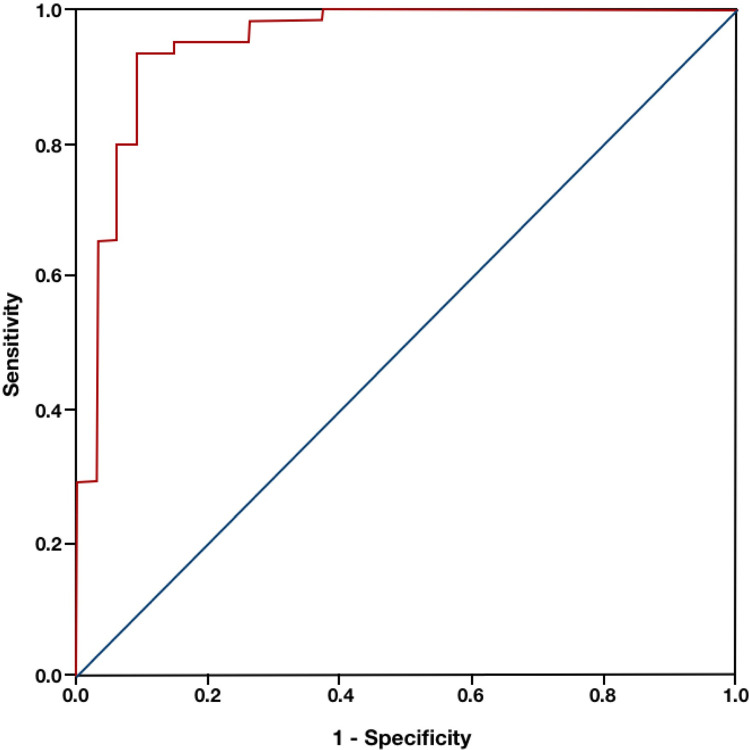
In patients with stable coronary artery disease (CAD) blood hypercoagulability figures among factors leading to thrombosis. Tissue factor (TF) exposure at ruptured plaque initiates blood coagulation and hypercoagulability is responsible for thrombus formation. Early identification of patients eligible for angiography is a challenging issue for effective prevention of ACS. This pilot study aimed to identify biomarkers of hypercoagulability that can be prospectively used in risk assessment tools for the evaluation of CAD severity. Biomarkers of hypercoagulability could be a used for the evaluation of CAD severity. Platelet-poor plasma from 66 patients who were referred to coronary angiography was assessed for thrombin generation, phospholipid-dependent clotting time and D-Dimers, and evaluated against atherosclerotic burden. Patients with CAD, as compared to controls, showed attenuated thrombin generation lag time: 4.7 (3.8-5.4) min versus 2.5 (2.1-2.9) min; p < 0.0001, shorter Procoag-PPL clotting time 55.0(32-66) s versus 62.8 (42-85) s; p = 0.001), and higher D-Dimer levels 0.509 (0.27-2.58) μg/ml versus 0.309 (0.23-0.39) μg/ml; p = 0.038. Multivariate logistic regression model showed excellent discriminatory value in predicting CAD severity. The ROADMAP-CAD study showed that the Procoag-PPL clotting time and thrombin Peak are informative for the the burden of the coronary atherosclerotic disease. The clinical relevance of this observation in the development of a new clinic-biological risk assessment model for early diagnosis of severe CAD has to be examined in a prospective study.
在稳定型冠状动脉疾病(CAD)患者中,血液高凝性是导致血栓形成的因素之一。斑块破裂处组织因子(TF)暴露启动血液凝固,而高凝性则负责血栓形成。早期识别适合进行血管造影的患者是有效预防急性冠状动脉综合征(ACS)的一个具有挑战性的问题。这项前瞻性研究旨在识别可用于CAD严重程度评估风险工具的高凝性生物标志物。高凝性生物标志物可用于评估CAD严重程度。对66例接受冠状动脉造影的患者的乏血小板血浆进行凝血酶生成、磷脂依赖性凝血时间和D - 二聚体评估,并与动脉粥样硬化负荷进行对照。与对照组相比,CAD患者的凝血酶生成延迟时间缩短:4.7(3.8 - 5.4)分钟对2.5(2.1 - 2.9)分钟;p < 0.0001,促凝 - PPL凝血时间缩短55.0(32 - 66)秒对62.8(42 - 85)秒;p = 0.001,且D - 二聚体水平升高0.509(0.27 - 2.58)μg/ml对0.309(0.23 - 0.39)μg/ml;p = 0.038。多因素逻辑回归模型在预测CAD严重程度方面显示出优异的辨别价值。ROADMAP - CAD研究表明,促凝 - PPL凝血时间和凝血酶峰值对冠状动脉粥样硬化疾病的负荷具有参考价值。这一观察结果在用于严重CAD早期诊断的新临床 - 生物学风险评估模型开发中的临床相关性必须在前瞻性研究中进行检验。