Department of Architectural Engineering, Kyung Hee University, Giheung-gu, Yongin-si, Gyeongi-do, Republic of Korea.
Department of Architecture, Kyung Hee University, Giheung-gu, Yongin-si, Gyeongi-do, Republic of Korea.
PLoS One. 2020 Dec 7;15(12):e0243571. doi: 10.1371/journal.pone.0243571. eCollection 2020.
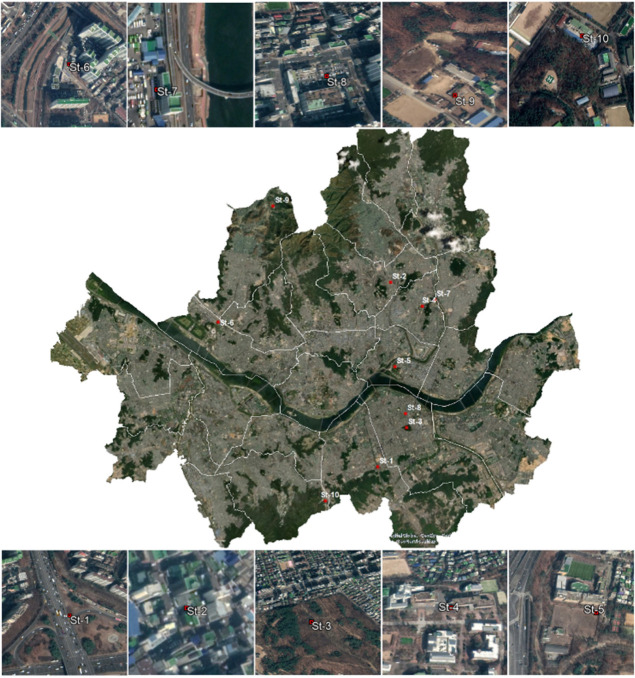
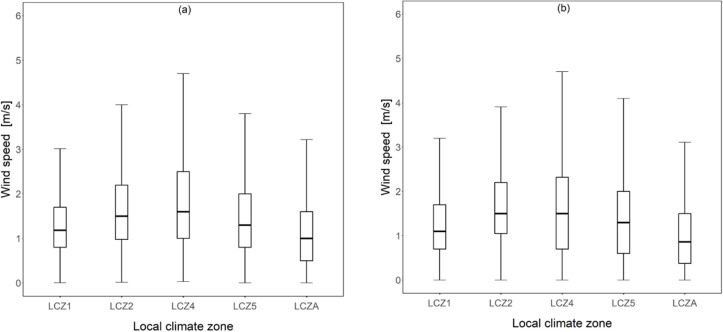
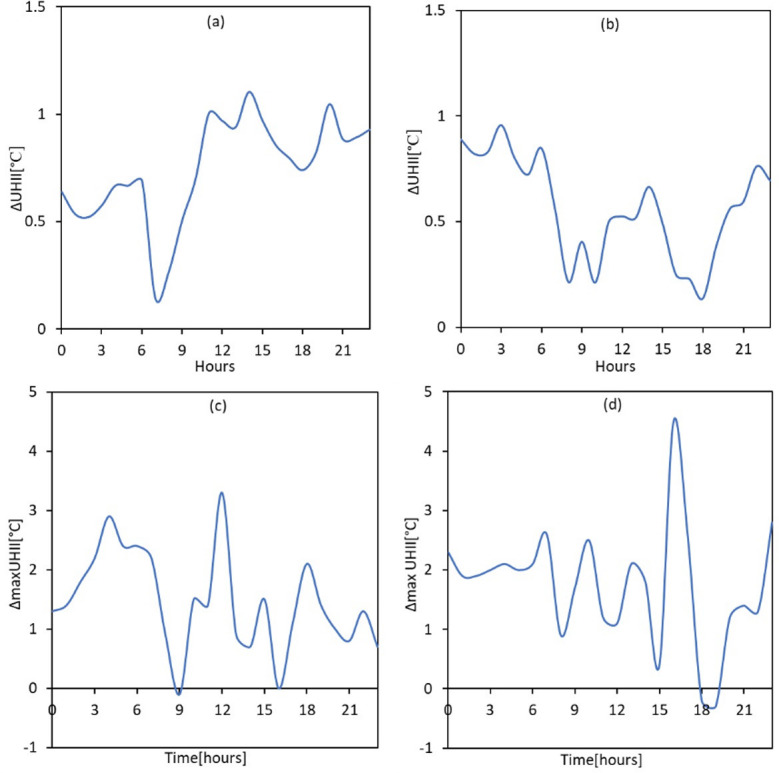
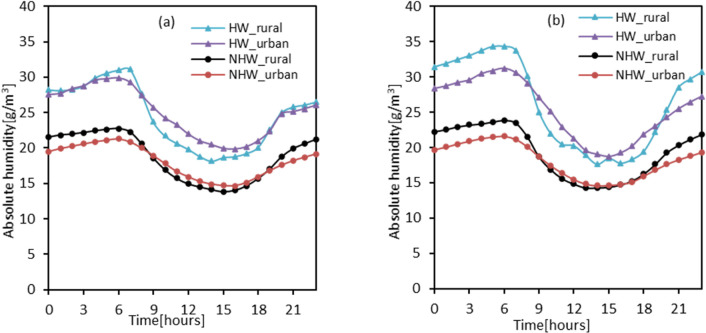
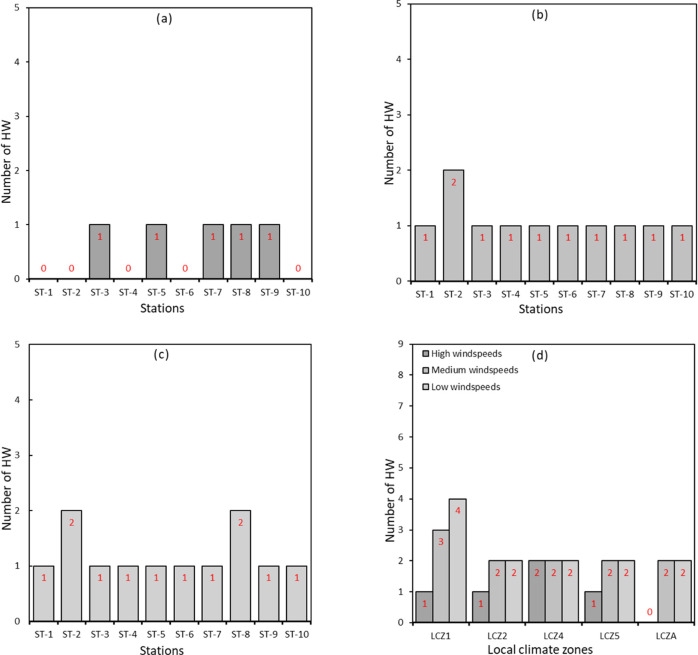
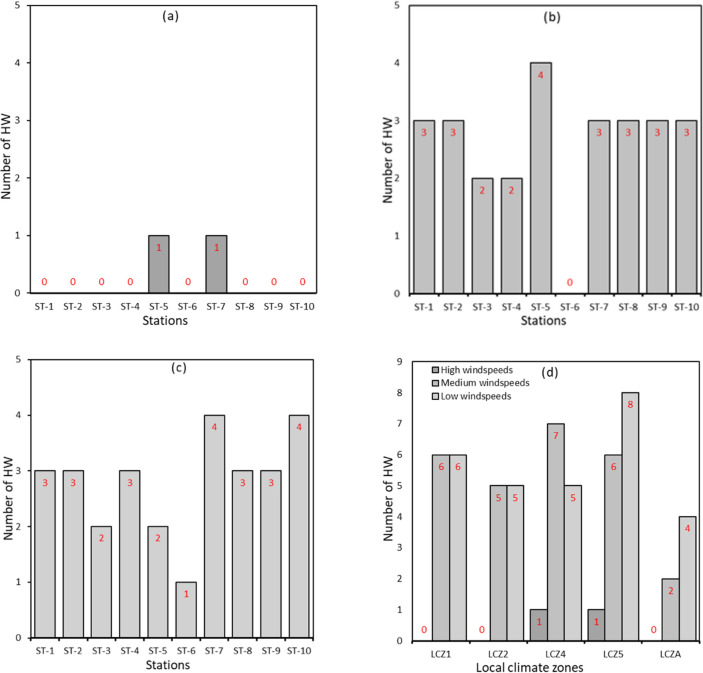
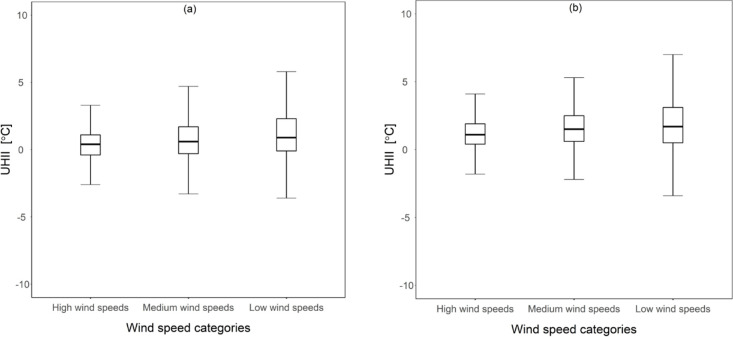
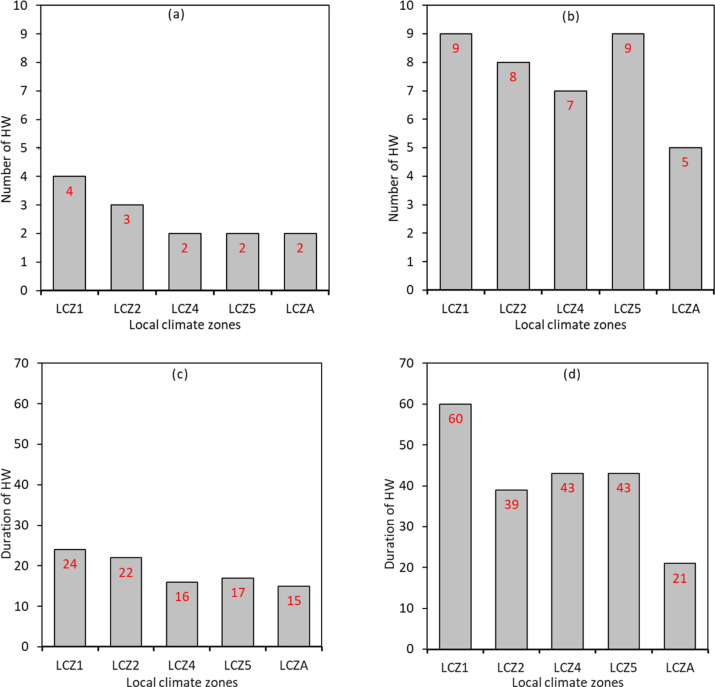
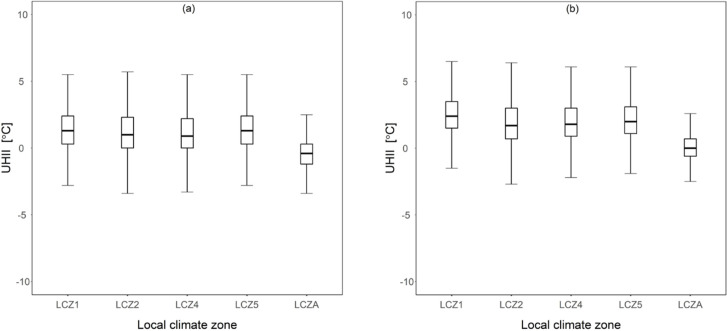
The effects of heat waves (HW) are more pronounced in urban areas than in rural areas due to the additive effect of the urban heat island (UHI) phenomenon. However, the synergies between UHI and HW are still an open scientific question and have only been quantified for a few metropolitan cities. In the current study, we explore the synergies between UHI and HW in Seoul city. We consider summertime data from two non-consecutive years (i.e., 2012 and 2016) and ten automatic weather stations. Our results show that UHI is more intense during HW periods than non-heat wave (NHW) periods (i.e., normal summer background conditions), with a maximum UHI difference of 3.30°C and 4.50°C, between HW and NHW periods, in 2012 and 2016 respectively. Our results also show substantial variations in the synergies between UHI and HW due to land use characteristics and synoptic weather conditions; the synergies were relatively more intense in densely built areas and under low wind speed conditions. Our results contribute to our understanding of thermal risks posed by HW in urban areas and, subsequently, the health risks on urban populations. Moreover, they are of significant importance to emergency relief providers as a resource allocation guideline, for instance, regarding which areas and time of the day to prioritize during HW periods in Seoul.
热浪(HW)对城市地区的影响比农村地区更为明显,这是由于城市热岛(UHI)现象的附加效应。然而,UHI 和 HW 之间的协同作用仍然是一个悬而未决的科学问题,仅对少数大都市进行了量化。在本研究中,我们探讨了首尔市 UHI 和 HW 之间的协同作用。我们考虑了两个非连续年份(即 2012 年和 2016 年)和十个自动气象站的夏季数据。研究结果表明,HW 期间的 UHI 比非热波(NHW)期间(即正常夏季背景条件)更为强烈,在 2012 年和 2016 年,HW 期间和 NHW 期间的 UHI 最大差值分别为 3.30°C 和 4.50°C。我们的研究结果还表明,由于土地利用特征和天气条件,UHI 和 HW 之间的协同作用存在很大差异;在人口稠密地区和低风速条件下,协同作用更为强烈。本研究有助于我们了解城市地区 HW 带来的热风险,以及随后对城市人口的健康风险。此外,对于应急救援人员来说,这些结果是一种资源分配指南,例如,在首尔市 HW 期间,哪些地区和一天中的哪些时间需要优先考虑。