Department of Biochemistry, University of Cambridge, Tennis Court Road, Cambridge, CB2 1GA, Cambridgeshire, UK.
Department of Biochemistry, University of Cambridge, Tennis Court Road, Cambridge, CB2 1GA, Cambridgeshire, UK.
Prog Biophys Mol Biol. 2021 Aug;163:60-73. doi: 10.1016/j.pbiomolbio.2020.11.008. Epub 2020 Dec 4.
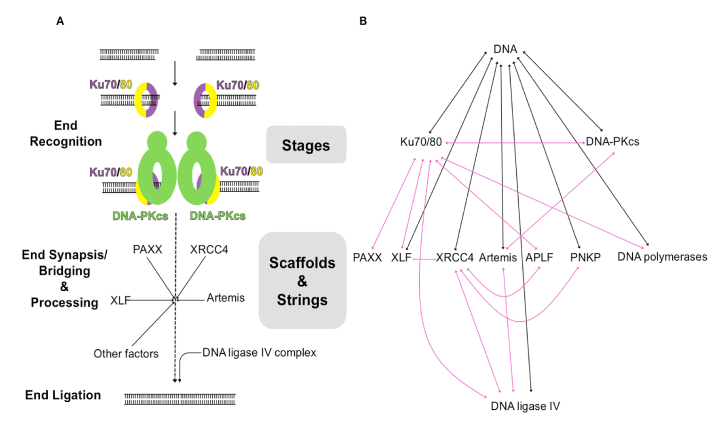
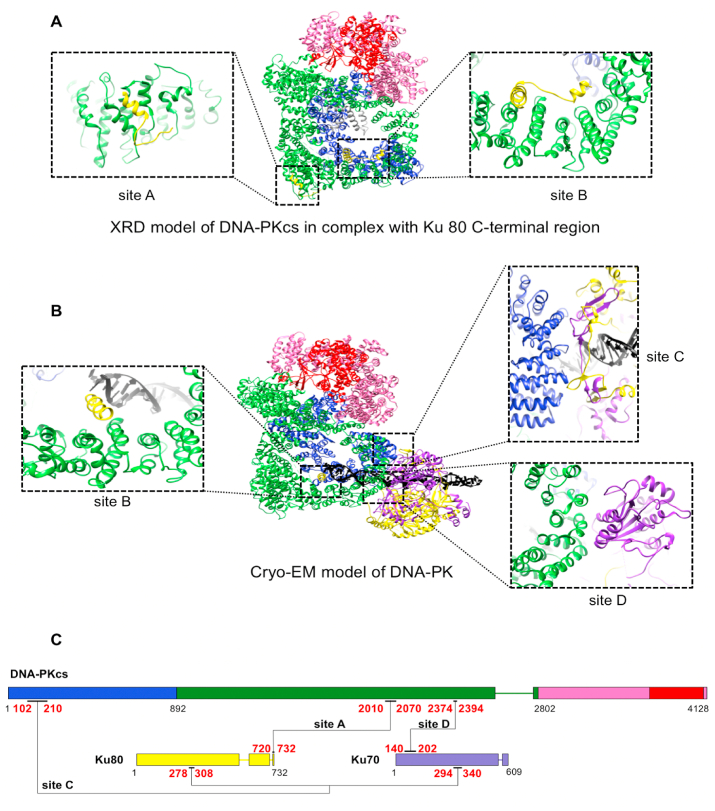
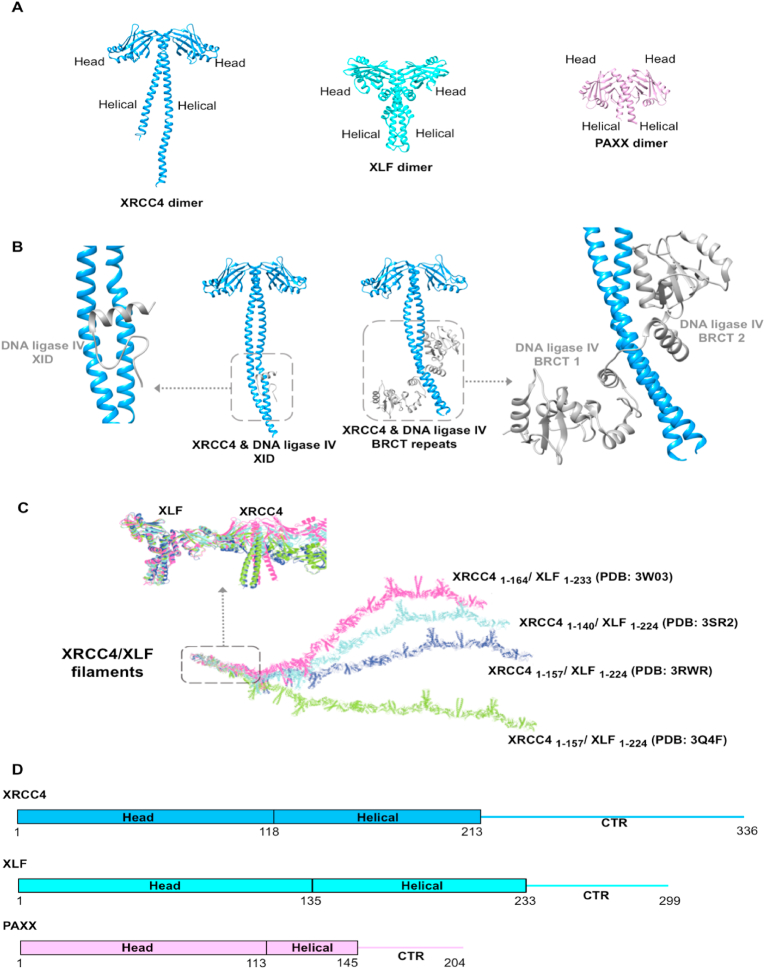
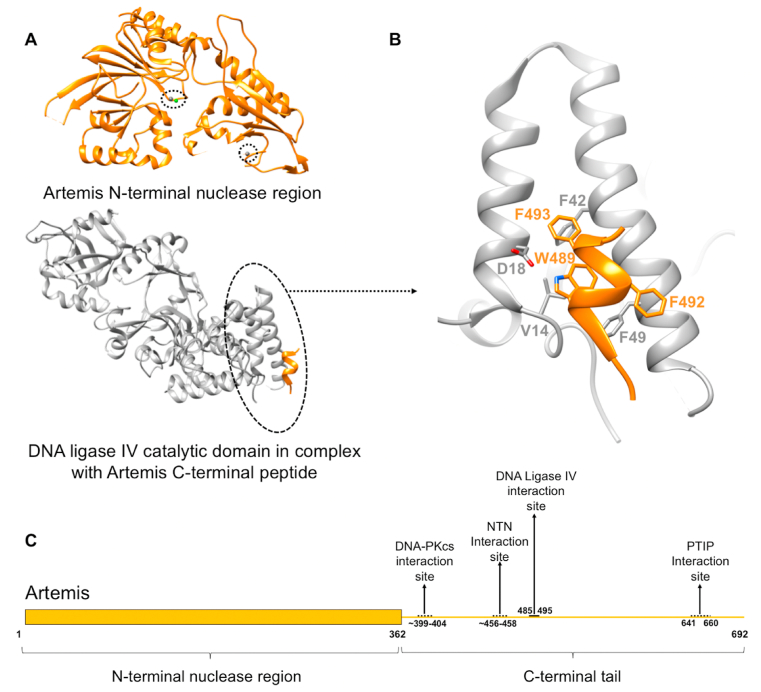
Non-homologous end joining (NHEJ) is the preferred pathway for the repair of DNA double-strand breaks in humans. Here we describe three structural aspects of the repair pathway: stages, scaffolds and strings. We discuss the orchestration of DNA repair to guarantee robust and efficient NHEJ. We focus on structural studies over the past two decades, not only using X-ray diffraction, but also increasingly exploiting cryo-EM to investigate the macromolecular assemblies.
非同源末端连接(NHEJ)是人类修复 DNA 双链断裂的首选途径。在这里,我们描述了修复途径的三个结构方面:阶段、支架和字符串。我们讨论了 DNA 修复的协调,以保证强大和有效的 NHEJ。我们专注于过去二十年的结构研究,不仅使用 X 射线衍射,而且越来越多地利用 cryo-EM 来研究大分子组装。