The Edmond & Lily Safra Center for Brain Sciences, The Hebrew University of Jerusalem, 9190401 Jerusalem, Israel.
The Alexander Silberman Institute of Life Sciences, The Hebrew University of Jerusalem, 9190401 Jerusalem, Israel.
Proc Natl Acad Sci U S A. 2020 Dec 22;117(51):32606-32616. doi: 10.1073/pnas.2013542117. Epub 2020 Dec 7.
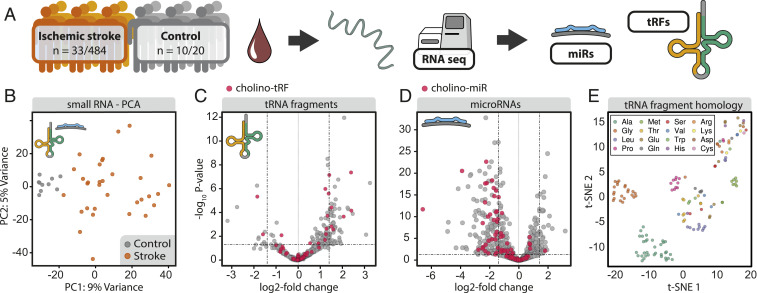
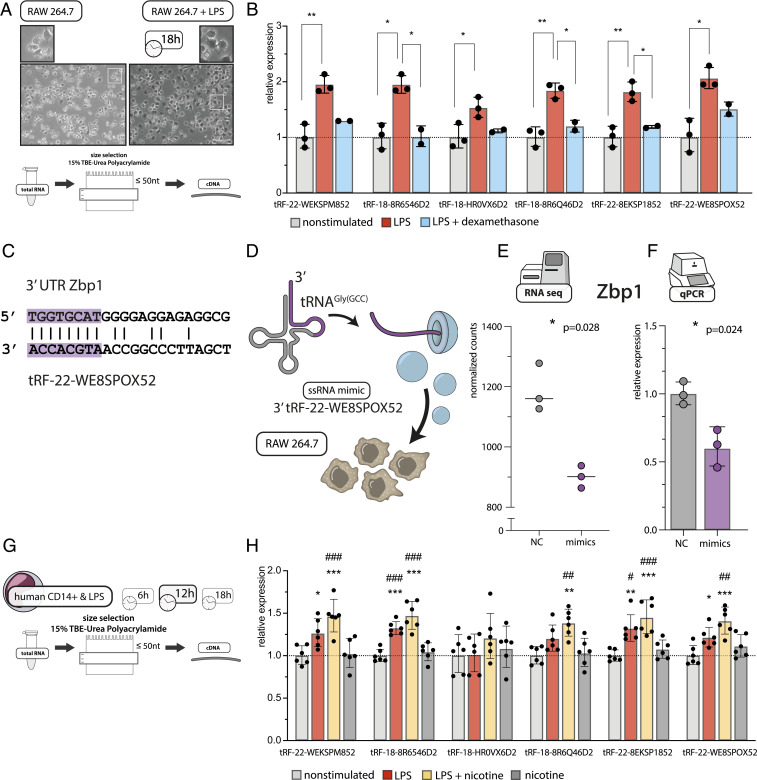
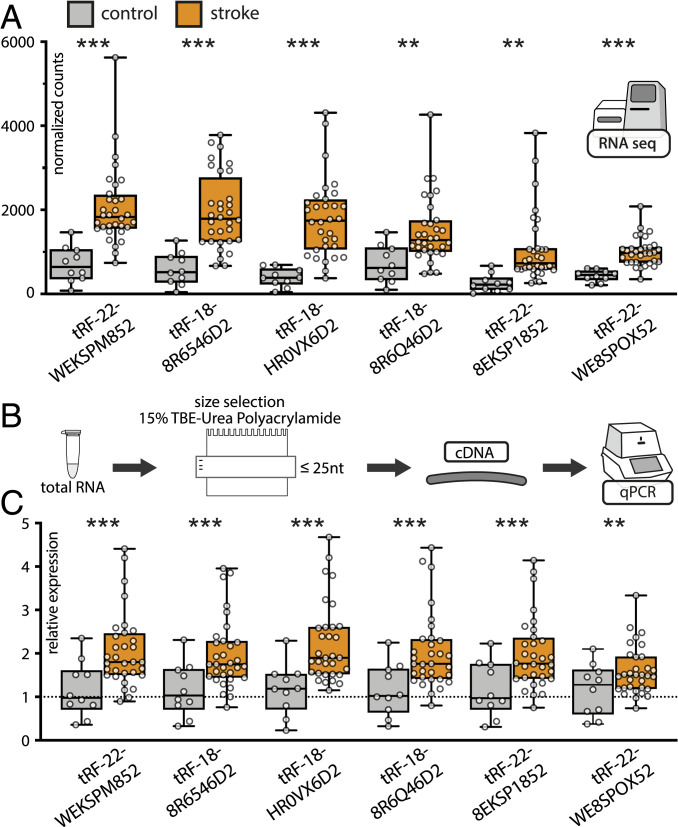
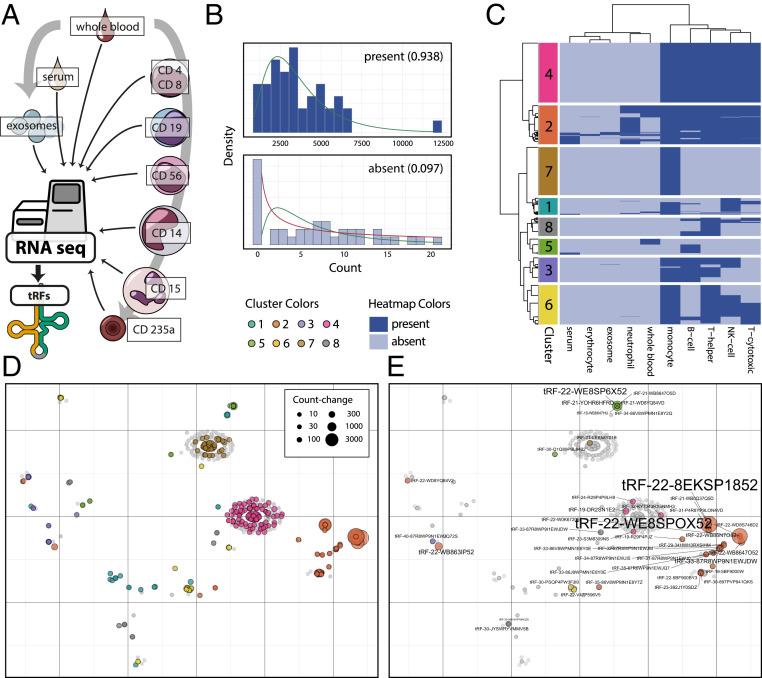
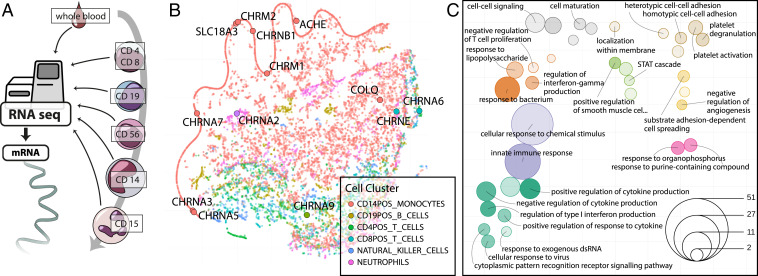
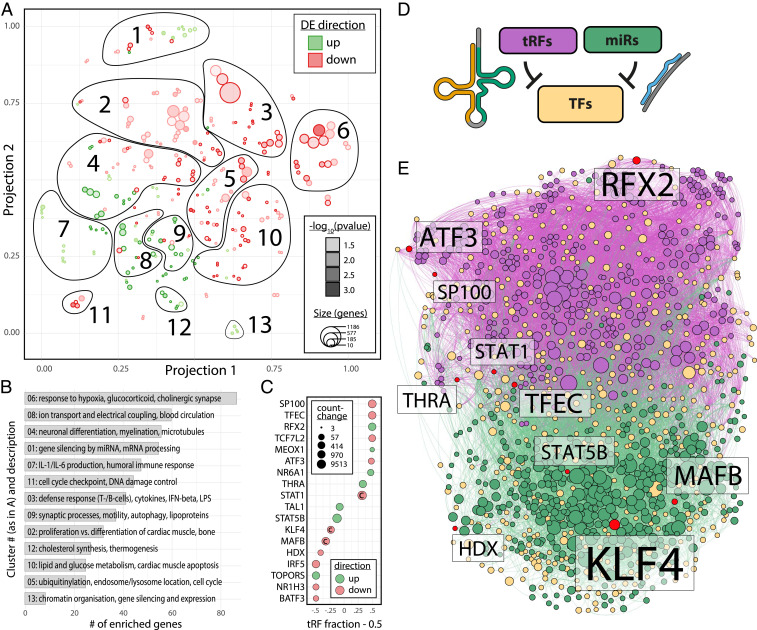
Stroke is a leading cause of death and disability. Recovery depends on a delicate balance between inflammatory responses and immune suppression, tipping the scale between brain protection and susceptibility to infection. Peripheral cholinergic blockade of immune reactions fine-tunes this immune response, but its molecular regulators are unknown. Here, we report a regulatory shift in small RNA types in patient blood sequenced 2 d after ischemic stroke, comprising massive decreases of microRNA levels and concomitant increases of transfer RNA fragments (tRFs) targeting cholinergic transcripts. Electrophoresis-based size-selection followed by qRT-PCR validated the top six up-regulated tRFs in a separate cohort of stroke patients, and independent datasets of small and long RNA sequencing pinpointed immune cell subsets pivotal to these responses, implicating CD14 monocytes in the cholinergic inflammatory reflex. In-depth small RNA targeting analyses revealed the most-perturbed pathways following stroke and implied a structural dichotomy between microRNA and tRF target sets. Furthermore, lipopolysaccharide stimulation of murine RAW 264.7 cells and human CD14 monocytes up-regulated the top six stroke-perturbed tRFs, and overexpression of stroke-inducible tRF-22-WE8SPOX52 using a single-stranded RNA mimic induced down-regulation of immune regulator Z-DNA binding protein 1. In summary, we identified a "changing of the guards" between small RNA types that may systemically affect homeostasis in poststroke immune responses, and pinpointed multiple affected pathways, which opens new venues for establishing therapeutics and biomarkers at the protein and RNA level.
中风是死亡和残疾的主要原因。恢复取决于炎症反应和免疫抑制之间的微妙平衡,这决定了大脑保护和易感染之间的平衡。外周胆碱能阻断免疫反应可以微调这种免疫反应,但它的分子调节剂尚不清楚。在这里,我们报告了中风后 2 天患者血液中小 RNA 类型的调节变化,包括 microRNA 水平的大量降低和针对胆碱能转录物的 tRFs 的伴随增加。电泳大小选择后进行 qRT-PCR 在另一批中风患者中验证了前六种上调的 tRF,小 RNA 和长 RNA 测序的独立数据集确定了对这些反应至关重要的免疫细胞亚群,提示 CD14 单核细胞参与胆碱能炎症反射。深入的小 RNA 靶向分析揭示了中风后受干扰最大的途径,并暗示了 microRNA 和 tRF 靶集之间的结构二分法。此外,脂多糖刺激小鼠 RAW 264.7 细胞和人 CD14 单核细胞上调了前六种中风干扰的 tRF,使用单链 RNA 模拟物过表达中风诱导的 tRF-22-WE8SPOX52 可下调免疫调节剂 Z-DNA 结合蛋白 1。总之,我们确定了小 RNA 类型之间的“换岗”,这可能会系统性地影响中风后免疫反应的体内平衡,并确定了多个受影响的途径,为在蛋白质和 RNA 水平上建立治疗方法和生物标志物开辟了新途径。