Department of Oncology, Shanghai University of Traditional Chinese Medicine Longhua Hospital, Shanghai, 200032, China.
Shanghai University of Traditional Chinese Medicine, Shanghai, 200030, China.
Sci Rep. 2020 Dec 7;10(1):21360. doi: 10.1038/s41598-020-77800-w.
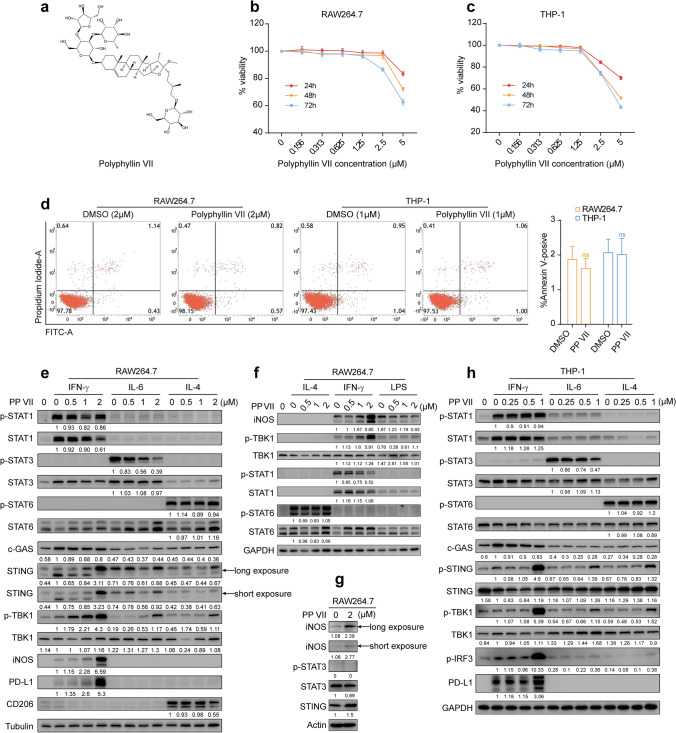
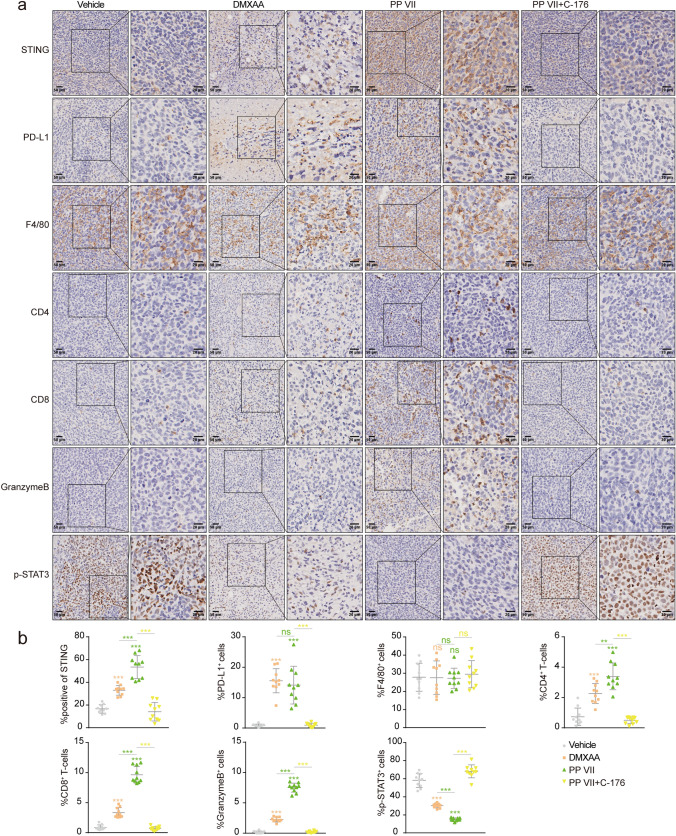
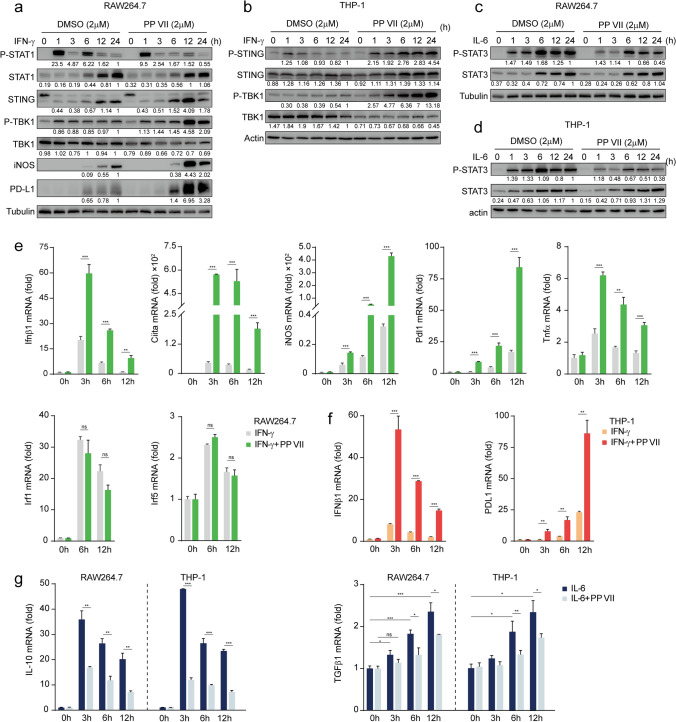
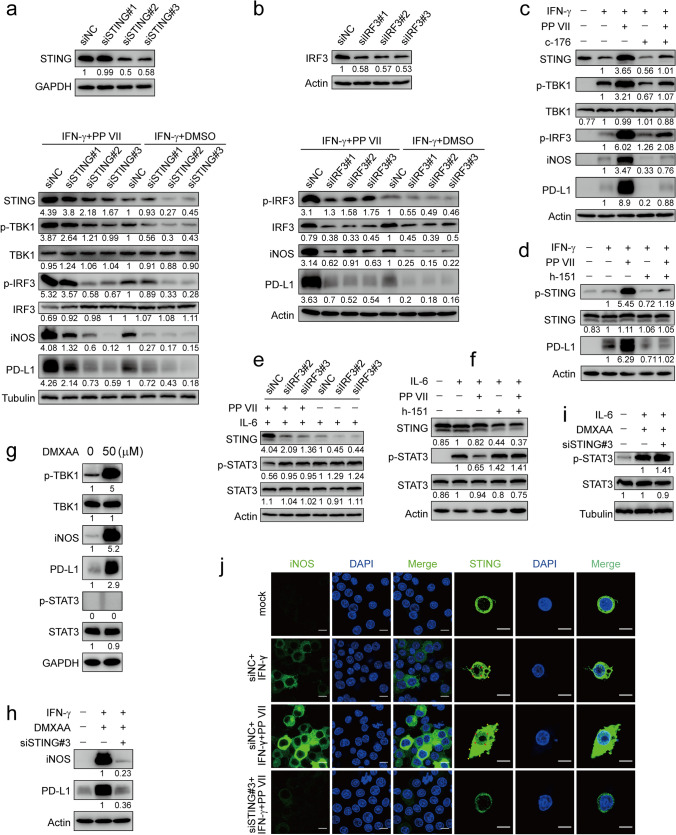
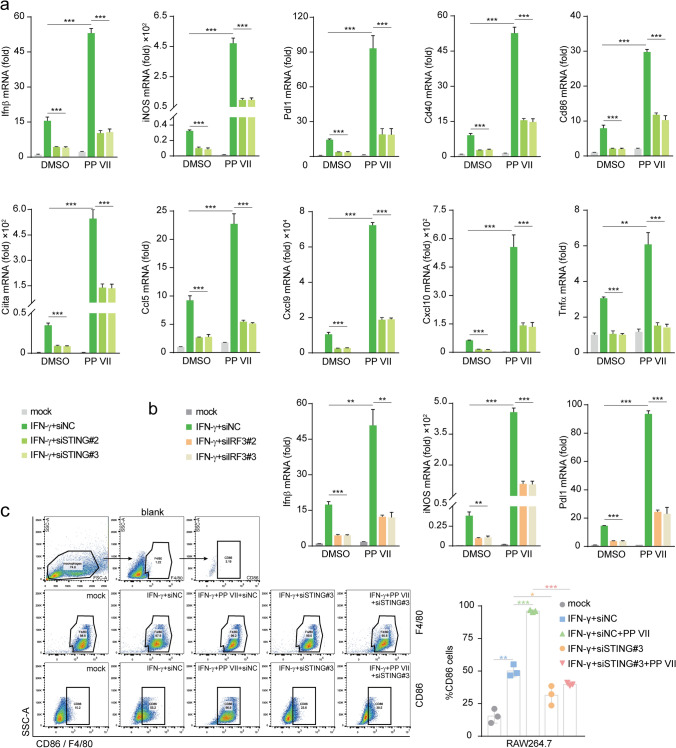
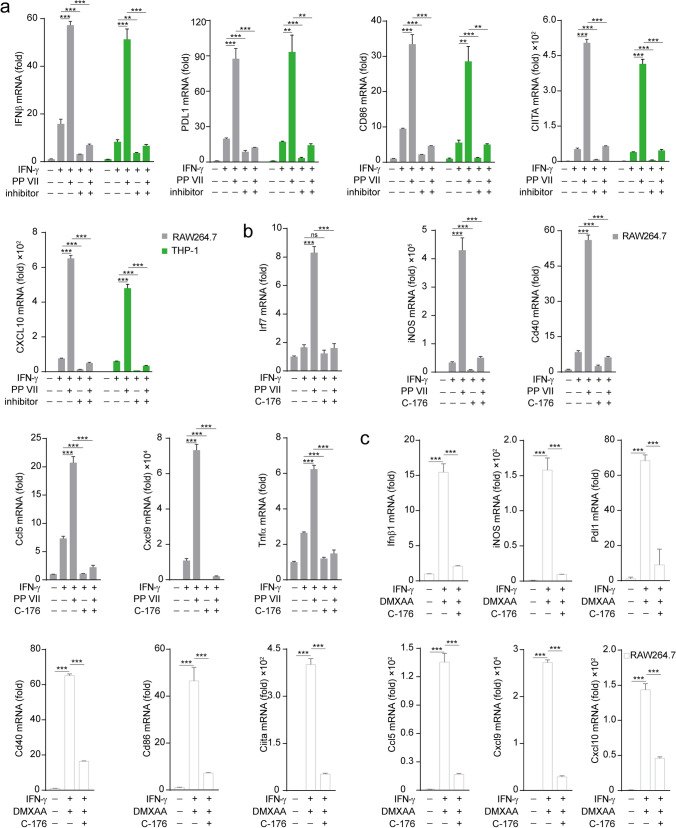
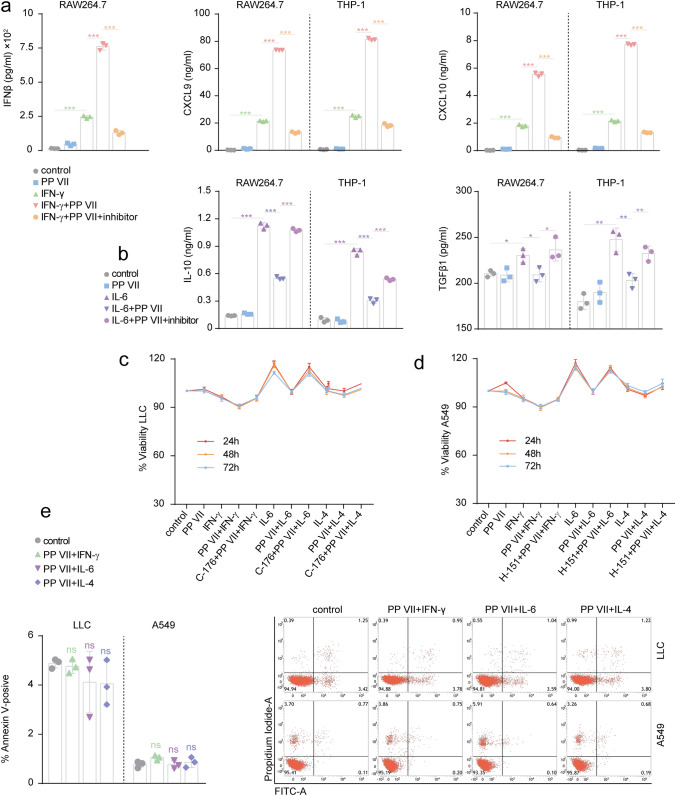
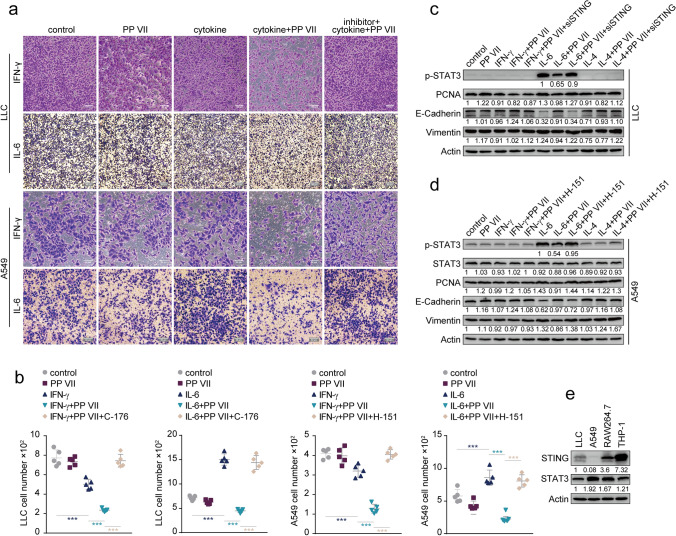
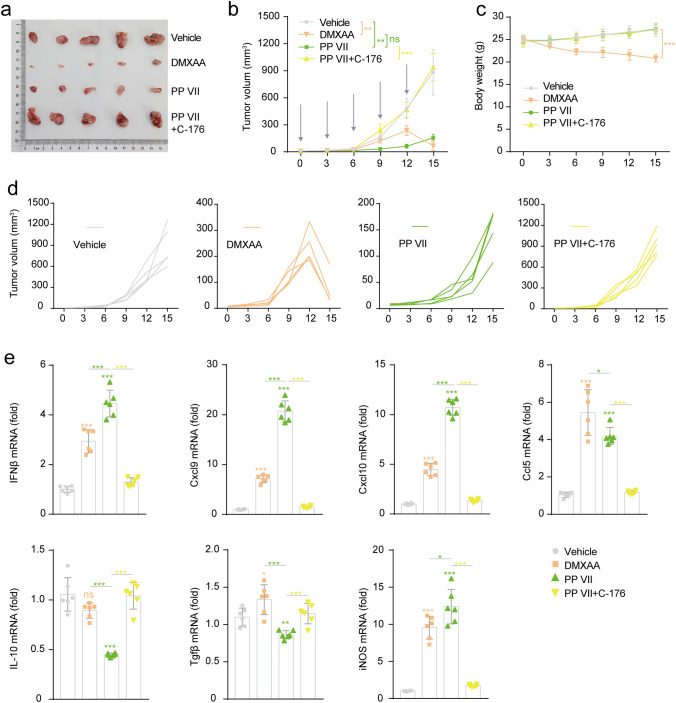
Stimulator of interferon genes (STING) controlled innate immune pathway is essential for host defense against pathogenic infection and effective anti-tumor adaptive immunity initiation. Although macrophages transformed across diverse phenotypes play crucial roles in anti-tumor immune response, events determining this transformation and the host-intrinsic role of STING in this process remain controversial. Here we report how STING signaling acts as a key switch to dominate the gene expression patterns of macrophage transformation for promoting priming and releasing immunosuppression. Furthermore, polyphyllin VII, a potential STING agonist, exerts anti-tumor efficacy upon macrophages priming and subsequent cytotoxic T lymphocytes intratumoral infiltration. Meanwhile, the simultaneous PD-L1 amplification on macrophages in response to PP VII is also ruled by STING, thus PP VII may benefit immune-checkpoint blockade therapy for combining. Moreover, PP VII suppresses carcinogenesis upon restraining the immunosuppressed macrophage transformation. This is due to the boosted STING that negatively regulates a STAT3 propagated crosstalk between immune cells and tumor cells. Overall, PP VII-stimulated STING in macrophages provides a paradigm for anti-tumor, and if possible, anti-infection immunotherapy.
干扰素基因刺激物(STING)控制的先天免疫途径对于宿主防御病原感染和有效启动抗肿瘤适应性免疫至关重要。尽管表型多样化的巨噬细胞转化在抗肿瘤免疫反应中发挥着关键作用,但决定这种转化的事件以及 STING 在这个过程中的宿主内在作用仍存在争议。在这里,我们报告了 STING 信号如何作为关键开关,主导巨噬细胞转化的基因表达模式,促进启动和释放免疫抑制。此外,千层塔 VII 是一种潜在的 STING 激动剂,在巨噬细胞启动和随后的细胞毒性 T 淋巴细胞肿瘤内浸润后发挥抗肿瘤疗效。同时,巨噬细胞中对 PPVII 的同时 PD-L1 扩增也受 STING 调控,因此 PPVII 可能有利于免疫检查点阻断治疗的联合应用。此外,千层塔 VII 通过抑制免疫抑制的巨噬细胞转化抑制致癌作用。这是由于增强的 STING 负调控免疫细胞和肿瘤细胞之间的 STAT3 传播串扰。总的来说,PPVII 刺激巨噬细胞中的 STING 为抗肿瘤,甚至抗感染免疫治疗提供了一个范例。