Damaghi Mehdi, Mori Hidetoshi, Byrne Samantha, Xu Liping, Chen Tingan, Johnson Joseph, Gallant Nathan D, Marusyk Andriy, Borowsky Alexander D, Gillies Robert J
Department of Cancer Physiology Moffitt Cancer Center and Research Institute Tampa FL USA.
Department of Oncologic Sciences Morsani College of Medicine University of South Florida Tampa FL USA.
Evol Appl. 2020 Nov 4;13(10):2689-2703. doi: 10.1111/eva.13075. eCollection 2020 Dec.
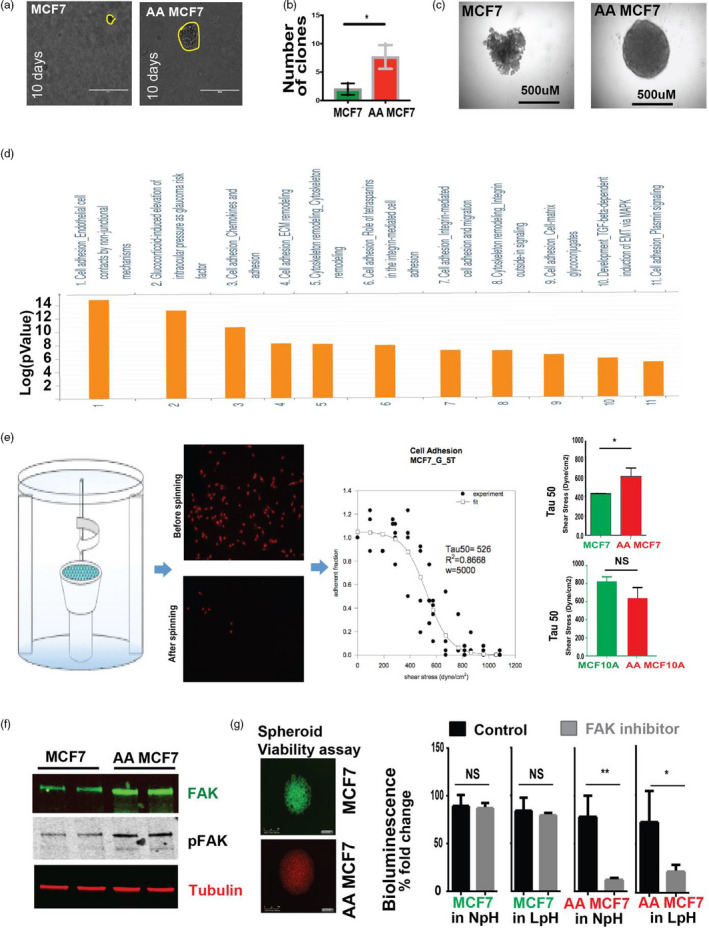
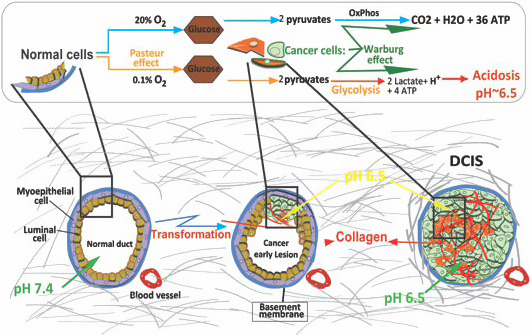
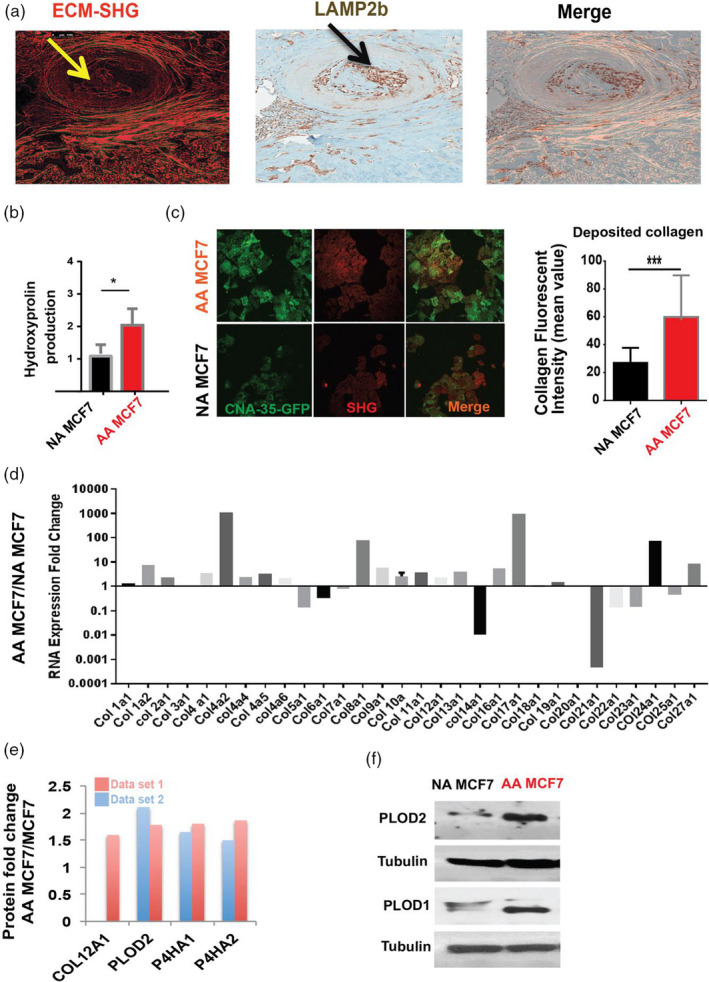
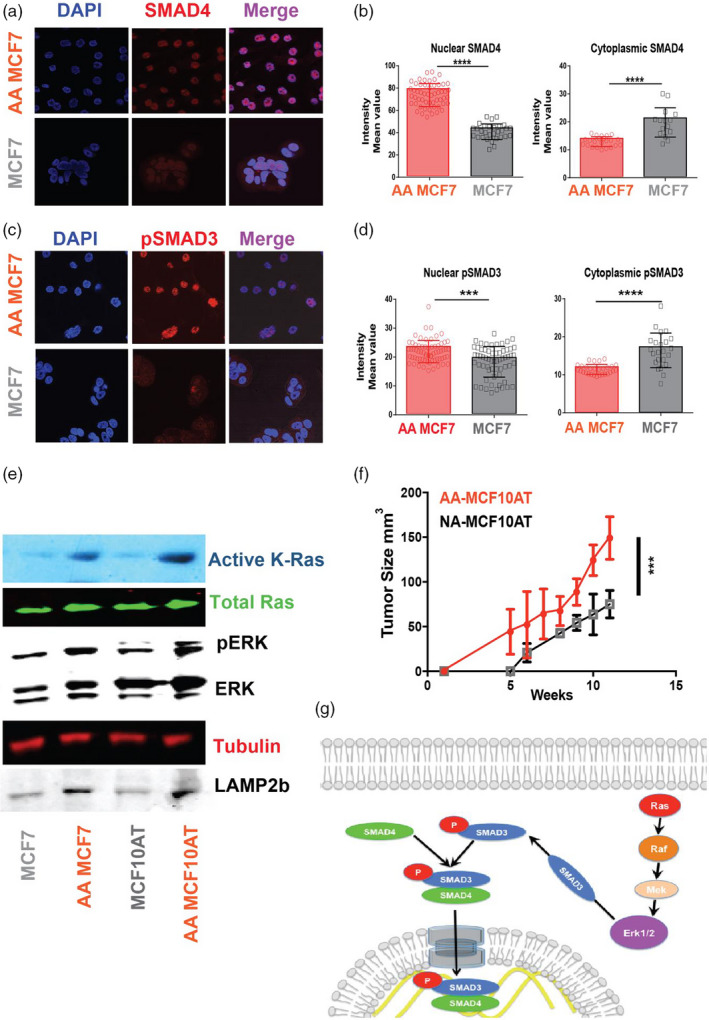
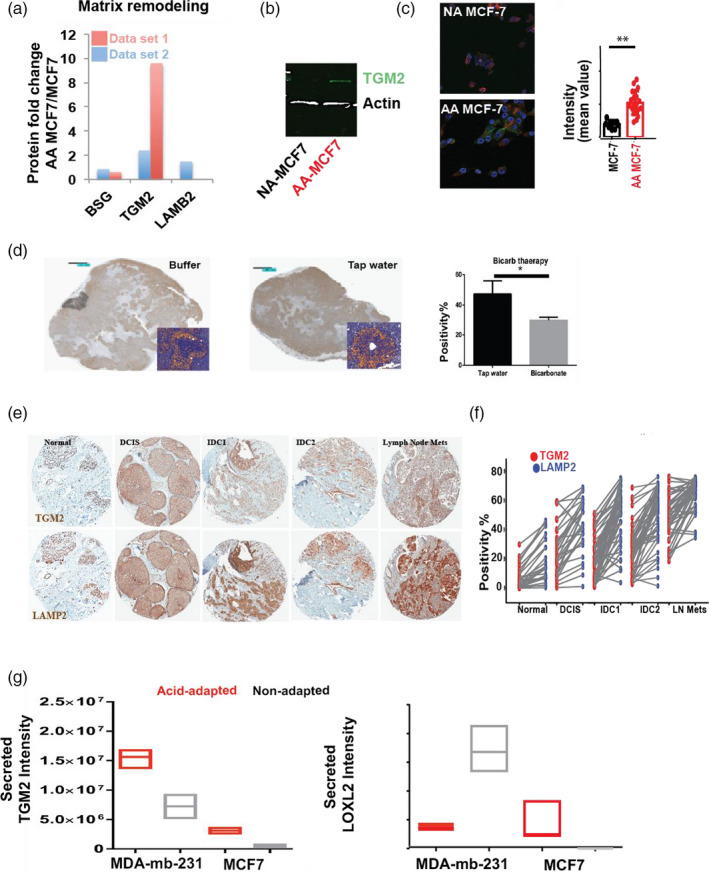
Growing tumors are dynamic and nonlinear ecosystems, wherein cancer cells adapt to their local microenvironment, and these adaptations further modify the environment, inducing more changes. From nascent intraductal neoplasms to disseminated metastatic disease, several levels of evolutionary adaptations and selections occur. Here, we focus on one example of such an adaptation mechanism, namely, "niche construction" promoted by adaptation to acidosis, which is a metabolic adaptation to the early harsh environment in intraductal neoplasms. The avascular characteristics of ductal carcinoma in situ (DCIS) make the periluminal volume profoundly acidic, and cancer cells must adapt to this to survive. Based on discovery proteomics, we hypothesized that a component of acid adaptation involves production of collagen by pre-cancer cells that remodels the extracellular matrix (ECM) and stabilizes cells under acid stress. The proteomic data were surprising as collagen production and deposition are commonly believed to be the responsibility of mesenchymally derived fibroblasts, and not cells of epithelial origin. Subsequent experiments in 3D culture, spinning disk and second harmonic generation microscopy of DCIS lesions in patients' samples are concordant. Collagen production assay by acid-adapted cells in vitro demonstrated that the mechanism of induction involves the RAS and SMAD pathways. Secretome analyses show upregulation of ECM remodeling enzymes such as TGM2 and LOXL2 that are collagen crosslinkers. These data strongly indicate that acidosis in incipient cancers induces collagen production by cancer cells and support the hypothesis that this adaptation initiates a tumor-permissive microenvironment promoting survival and growth of nascent cancers.
不断生长的肿瘤是动态且非线性的生态系统,其中癌细胞会适应其局部微环境,而这些适应性变化又会进一步改变环境,引发更多变化。从新生的导管内肿瘤到播散性转移性疾病,会发生多个层次的进化适应和选择。在此,我们聚焦于这样一种适应机制的一个例子,即由对酸中毒的适应所促进的“生态位构建”,这是对导管内肿瘤早期恶劣环境的一种代谢适应。导管原位癌(DCIS)的无血管特征使得管周区域呈酸性,癌细胞必须适应这种环境才能存活。基于发现蛋白质组学,我们推测酸适应的一个组成部分涉及癌前细胞产生胶原蛋白,这种胶原蛋白可重塑细胞外基质(ECM)并在酸应激下稳定细胞。蛋白质组学数据令人惊讶,因为通常认为胶原蛋白的产生和沉积是间充质来源的成纤维细胞的职责,而非上皮来源的细胞。随后在患者样本的DCIS病变的三维培养、转盘和二次谐波生成显微镜下进行的实验结果一致。体外酸适应细胞的胶原蛋白产生测定表明,诱导机制涉及RAS和SMAD信号通路。分泌组分析显示,作为胶原蛋白交联剂的TGM2和LOXL2等ECM重塑酶上调。这些数据有力地表明,早期癌症中的酸中毒会诱导癌细胞产生胶原蛋白,并支持这样一种假说,即这种适应会启动一个有利于肿瘤生长的微环境,促进新生癌症的存活和生长。