Gisder Sebastian, Genersch Elke
Department of Molecular Microbiology and Bee Diseases, Institute for Bee Research, Hohen Neuendorf, Germany.
Department of Molecular Microbiology and Bee Diseases, Institute for Bee Research, Hohen Neuendorf, Germany
J Virol. 2021 Mar 1;95(5). doi: 10.1128/JVI.01786-20. Epub 2020 Dec 9.
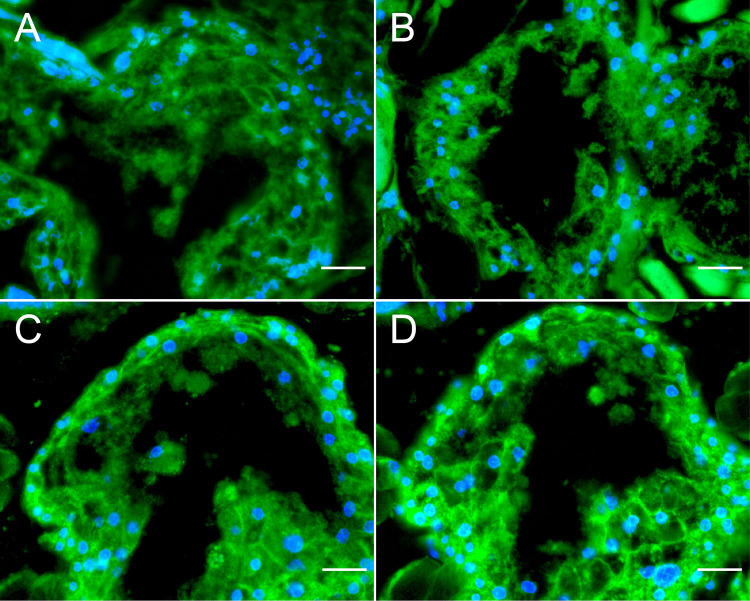
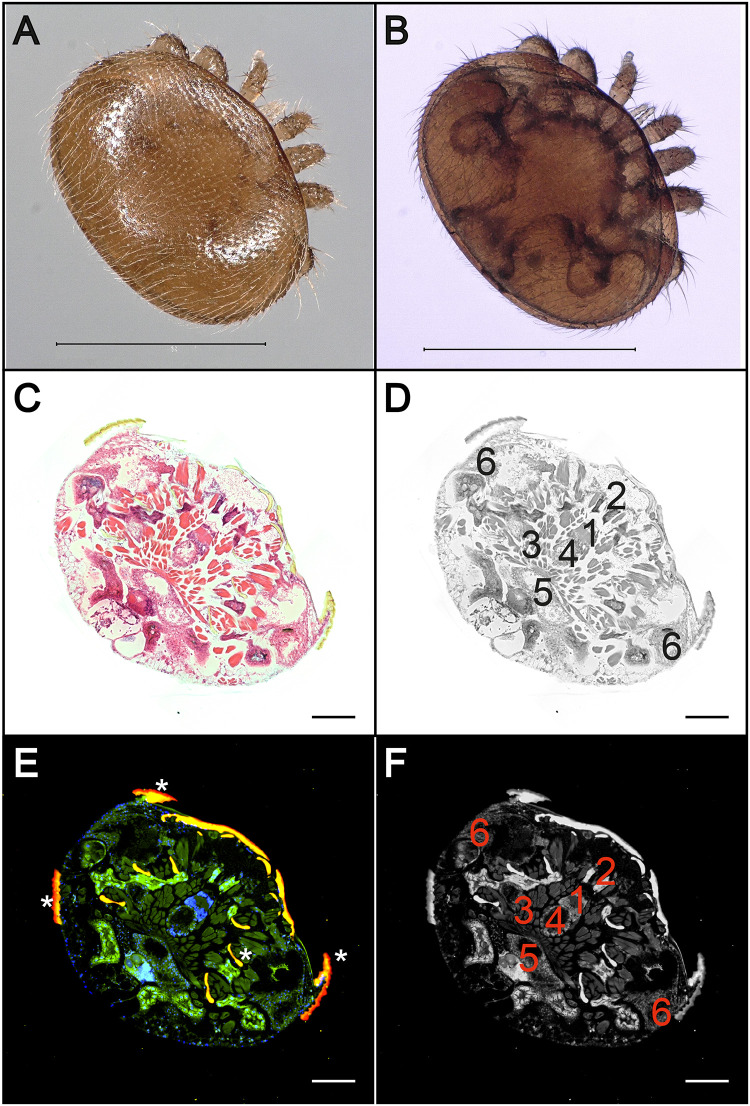
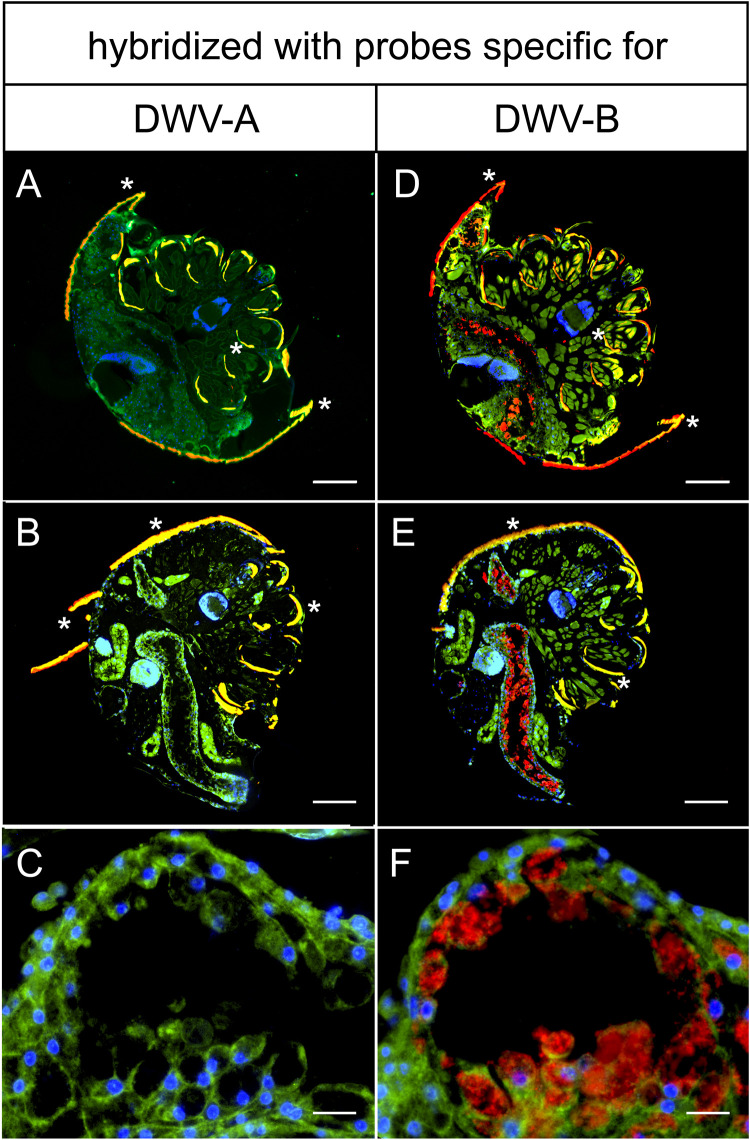
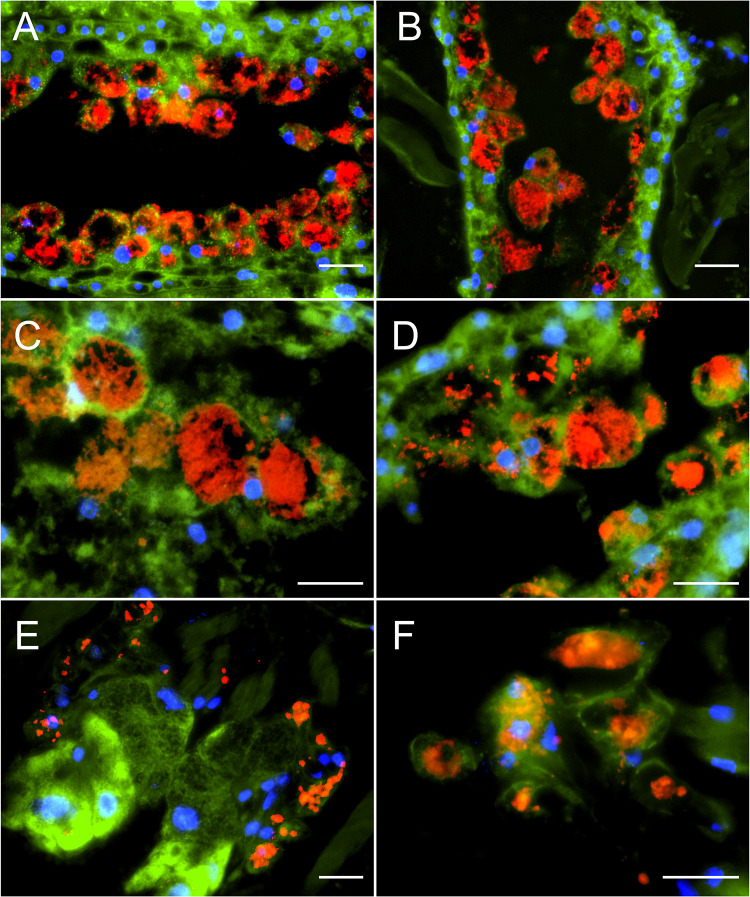
Deformed wing virus (DWV) is a bee pathogenic, single- and positive-stranded RNA virus that has been involved in severe honey bee colony losses worldwide. DWV, when transmitted horizontally or vertically from bee to bee, causes mainly covert infections not associated with any visible symptoms or damage. Overt infections occur after vectorial transmission of DWV to the developing bee pupae through the ectoparasitic mite Symptoms of overt infections are pupal death, bees emerging with deformed wings and shortened abdomens, or cognitive impairment due to brain infection. So far, three variants of DWV, DWV-A, DWV-B, and DWV-C, have been described. While it is widely accepted that acts as vector of DWV, the question of whether the mite only functions as a mechanical vector or whether DWV can infect the mite thus using it as a biological vector is hotly debated, because in the literature data can be found that support both hypotheses. In order to settle this scientific dispute, we analyzed putatively DWV-infected mites with a newly established protocol for fluorescence--hybridization of mites and demonstrated DWV-specific signals inside mite cells. We provide compelling and direct evidence that DWV-B infects the intestinal epithelium and the salivary glands of In contrast, no evidence for DWV-A infecting mite cells was found. Our data are key to understanding the pathobiology of DWV, the mite's role as a biological DWV vector and the quasispecies dynamics of this RNA virus when switching between insect and arachnid host species. Deformed wing virus (DWV) is a bee pathogenic, originally rather benign, single- and positive-stranded RNA virus. Only the vectorial transmission of this virus to honey bees by the ectoparasitic mite leads to fatal or symptomatic infections of individuals, usually followed by collapse of the entire colony. Studies on whether the mite only acts as a mechanical virus vector or whether DWV can infect the mite and thus use it as a biological vector have led to disparate results. In our study using fluorescence--hybridization we provide compelling and direct evidence that at least the DWV-B variant infects the gut epithelium and the salivary glands of Hence, the host range of DWV includes both, bees (Insecta) and mites (Arachnida). Our data contribute to a better understanding of the triangular relationship between honey bees, and DWV and the evolution of virulence in this viral bee pathogen.
变形翅病毒(DWV)是一种对蜜蜂致病的单链正链RNA病毒,在全球范围内导致了严重的蜜蜂蜂群损失。DWV在蜜蜂之间水平或垂直传播时,主要引起隐性感染,不伴有任何可见症状或损害。当DWV通过外寄生螨向发育中的蜜蜂蛹进行媒介传播后,会发生显性感染。显性感染的症状包括蛹死亡、羽化出的蜜蜂翅膀变形和腹部缩短,或因脑部感染导致认知障碍。到目前为止,已描述了DWV的三个变体,即DWV-A、DWV-B和DWV-C。虽然普遍认为该螨是DWV的传播媒介,但关于该螨仅仅作为机械传播媒介,还是DWV能够感染该螨从而将其用作生物传播媒介的问题仍存在激烈争论,因为文献中有支持这两种假设的数据。为了解决这一科学争议,我们使用一种新建立的螨荧光杂交方案分析了推测感染DWV的螨,并在螨细胞内证实了DWV特异性信号。我们提供了令人信服的直接证据,证明DWV-B感染该螨的肠上皮和唾液腺。相比之下,未发现DWV-A感染螨细胞的证据。我们的数据对于理解DWV的病理生物学、螨作为DWV生物传播媒介的作用以及这种RNA病毒在昆虫和蛛形纲宿主物种之间转换时的准种动态至关重要。变形翅病毒(DWV)是一种原本相当良性的对蜜蜂致病的单链正链RNA病毒。只有这种病毒通过外寄生螨向蜜蜂进行媒介传播才会导致个体出现致命或有症状的感染,通常随后整个蜂群会崩溃。关于该螨仅仅作为机械性病毒传播媒介,还是DWV能够感染该螨从而将其用作生物传播媒介的研究得出了不同的结果。在我们使用荧光杂交的研究中,我们提供了令人信服的直接证据,证明至少DWV-B变体感染该螨的肠道上皮和唾液腺。因此,DWV的宿主范围包括蜜蜂(昆虫纲)和螨(蛛形纲)。我们的数据有助于更好地理解蜜蜂、该螨和DWV之间的三角关系以及这种病毒性蜜蜂病原体毒力的演变。