Daoudi Nour Elhouda, Bouhrim Mohamed, Ouassou Hayat, Bnouham Mohamed
Laboratory of Bioresources Biotechnology Ethnopharmacology and Health, Department of Biology, Faculty of Sciences, University Mohamed I, Oujda, Morocco.
Scientifica (Cairo). 2020 Nov 23;2020:8637583. doi: 10.1155/2020/8637583. eCollection 2020.
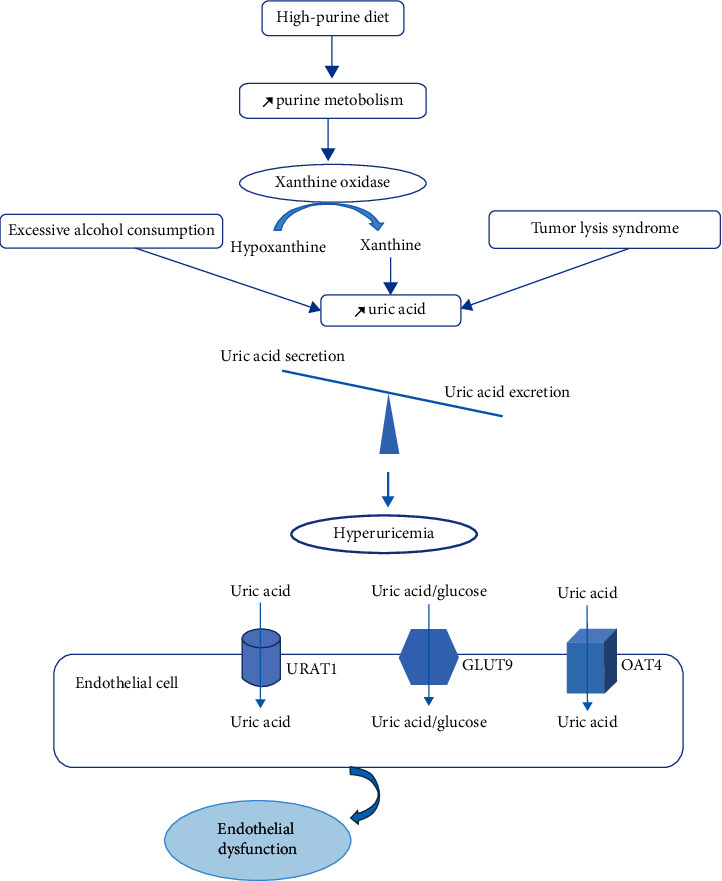
The gout is a metabolic disease that is associated with a high level of uric acid in the blood. This disease is treated with some medications that aim to reduce serum urate levels. However, the use of various medicines leads to the appearance of some side effects, hence the importance of using other treatments based on natural resources.
This study presents some medical treatments, their side effects, and some plants that are used for gout management in Morocco in the aim to valorize them.
We have been consulting various English publications in PubMed, Web of Science, and ScienceDirect published between 1991 and 2019 using the following keywords "drugs," "gout," "Morocco," "medicinal plants," "," and "" terms. Then, we have classified the medicines, according to their action mechanisms, and we have cited some species that were reported in Moroccan pharmacopeia as antigout.
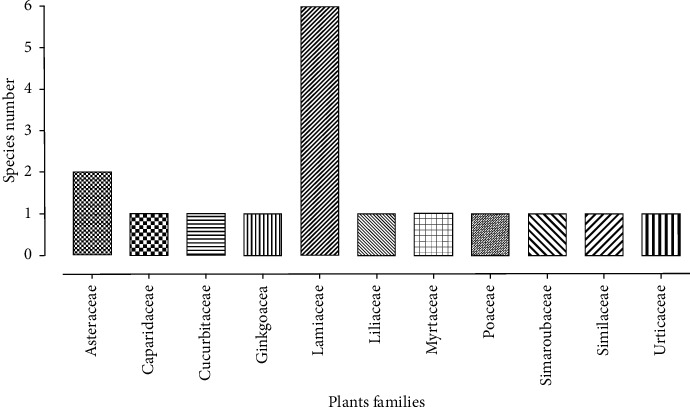
Three methods of the gout medical management were cited in this work: xanthine oxidase inhibitors, uric acid excretion enhancer, and uricase recombinant. However, it was found that these treatments had various side effects. We have described 23 species, and some of them showed experimentally an antigout effect by blocking the "xanthine oxidase" enzyme. These plants belong to 11 families. Lamiaceae represents the most dominant family with six species followed by Asteraceae with two species. Colchicine isolated from is the most known compound for its efficiency towards gout.
This work summarized different treatments particularly medicinal plants that are used in Morocco to treat gout disease by blocking uric acid secretion. However, several studies are needed to valorize these antigout natural sources.
痛风是一种与血液中尿酸水平升高相关的代谢性疾病。这种疾病通过一些旨在降低血清尿酸水平的药物进行治疗。然而,使用各种药物会导致一些副作用的出现,因此使用基于自然资源的其他治疗方法具有重要意义。
本研究介绍了一些医学治疗方法、它们的副作用以及摩洛哥用于痛风管理的一些植物,旨在对其进行评估。
我们使用以下关键词“药物”“痛风”“摩洛哥”“药用植物”等,查阅了1991年至2019年期间在PubMed、科学网和科学Direct上发表的各种英文出版物。然后,我们根据药物的作用机制对其进行了分类,并引用了摩洛哥药典中报道的一些抗痛风物种。
本研究引用了三种痛风医学管理方法:黄嘌呤氧化酶抑制剂、尿酸排泄增强剂和重组尿酸酶。然而,发现这些治疗方法有各种副作用。我们描述了23个物种,其中一些通过阻断“黄嘌呤氧化酶”显示出实验性的抗痛风作用。这些植物属于11个科。唇形科是最主要的科,有6个物种,其次是菊科,有2个物种。从秋水仙中分离出的秋水仙碱因其对痛风的疗效而最为人所知。
这项工作总结了不同的治疗方法,特别是摩洛哥用于治疗痛风疾病的药用植物,通过阻断尿酸分泌来治疗。然而,需要进行几项研究来评估这些抗痛风天然资源。