Dermatology Division, Department of Medical Clinics, Ribeirão Preto Medical School, University of São Paulo, Ribeirão Preto, São Paulo, Brazil.
Center of Penitentiary Progression of Jardinópolis, Penitentiary Administration Secretariat, Jardinópolis, São Paulo, Brazil.
PLoS Negl Trop Dis. 2020 Dec 10;14(12):e0008917. doi: 10.1371/journal.pntd.0008917. eCollection 2020 Dec.
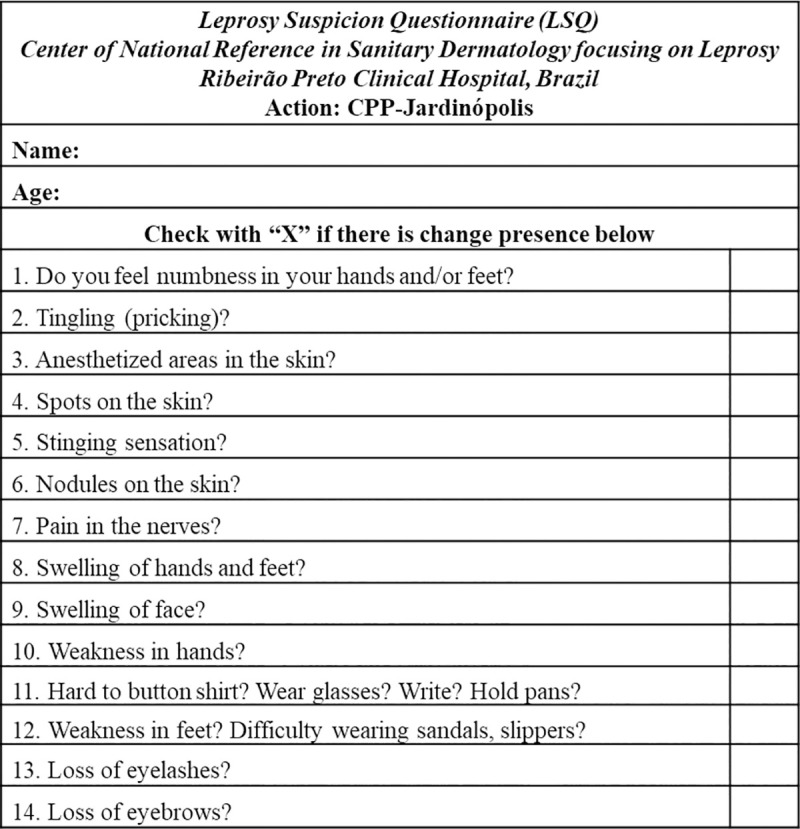
This study evaluates an active search strategy for leprosy diagnosis based on responses to a Leprosy Suspicion Questionnaire (LSQ), and analyzing the clinical, immunoepidemiological and follow-up aspects for individuals living in a prison population.
A cross-sectional study based on a questionnaire posing 14 questions about leprosy symptoms and signs that was distributed to 1,400 prisoners. This was followed by dermatoneurological examination, anti-PGL-I serology and RLEP-PCR. Those without leprosy were placed in the Non-leprosy Group (NLG, n = 1,216) and those diagnosed with clinical symptoms of leprosy were placed in the Leprosy Group (LG, n = 34).
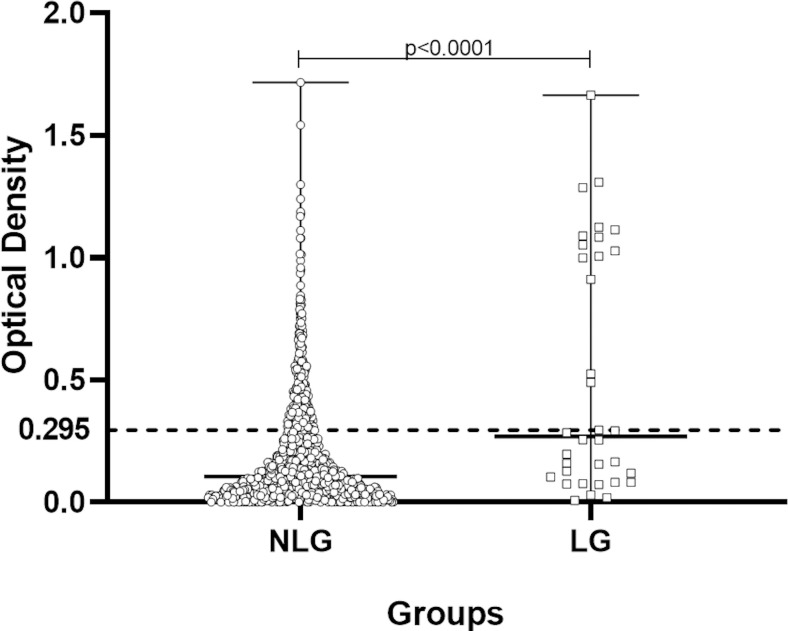
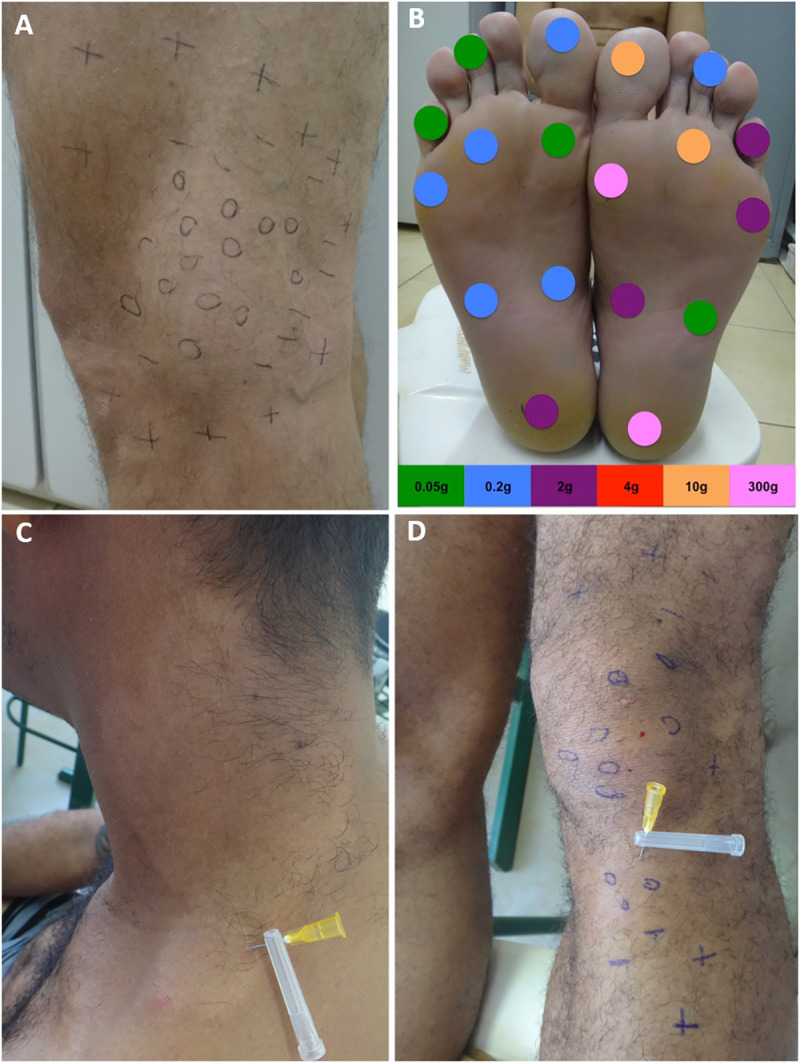
In total, 896 LSQ were returned (64%), and 187 (20.9%) of the responses were deemed as positive for signs/symptoms, answering 2.7 questions on average. Clinically, 1,250 (89.3%) of the prisoners were evaluated resulting in the diagnosis of 34 new cases (LG), based on well-accepted clinical signs and symptoms, a new case detection rate of 2.7% within this population, while the NLG were comprised of 1,216 individuals. The confinement time medians were 39 months in the LG while it was 36 months in the NLG (p>0.05). The 31 leprosy cases who responded to the questionnaire (LSQ+) had an average of 1.5 responses. The symptoms "anesthetized skin area" and "pain in nerves" were most commonly mentioned in the LG while "tingling, numbness in the hands/feet", "sensation of pricks and needles", "pain in nerves" and "spots on the skin" responses were found in more than 30% of questionnaires in the NLG. Clinically, 88.2% had dysesthetic macular skin lesions and 97.1% presented some peripheral nerve impairment, 71.9% with some degree of disability. All cases were multibacillary, confirming a late diagnosis. Anti-PGL-I results in the LG were higher than in the NLG (p<0.0001), while the RLEP-PCR was positive in 11.8% of the patients.
Our findings within the penitentiary demonstrated a hidden prevalence of leprosy, although the individuals diagnosed were likely infected while living in their former communities and not as a result of exposure in the prison. The LSQ proved to be an important screening tool to help identify leprosy cases in prisons.
本研究评估了一种基于麻风病可疑问卷(LSQ)应答的麻风病主动搜索策略,并分析了居住在监狱人群中的个体的临床、免疫流行病学和随访方面。
这是一项基于问卷调查的横断面研究,共向 1400 名囚犯发放了 14 个关于麻风病症状和体征的问题。随后进行皮肤神经学检查、抗 PGL-I 血清学和 RLEP-PCR 检测。没有麻风病的人被归入非麻风病组(NLG,n=1216),被诊断为临床症状的麻风病患者被归入麻风病组(LG,n=34)。
共收回 896 份 LSQ(64%),其中 187 份(20.9%)对体征/症状的回答为阳性,平均回答了 2.7 个问题。临床评估了 1250 名囚犯,在此人群中发现了 34 例新病例(LG),诊断基于公认的临床体征和症状,新病例检出率为 2.7%,而 NLG 由 1216 人组成。LG 组的监禁时间中位数为 39 个月,NLG 组为 36 个月(p>0.05)。在回答问卷(LSQ+)的 31 例麻风病患者中,平均有 1.5 次应答。“感觉麻木的皮肤区域”和“神经痛”是 LG 中最常见的症状,而“刺痛、手脚麻木”、“刺痛感”、“神经痛”和“皮肤斑点”的应答在 NLG 中超过 30%的问卷中出现。临床上,88.2%的患者有感觉异常性黄斑皮肤病变,97.1%的患者有外周神经损伤,71.9%的患者有一定程度的残疾。所有病例均为多菌型,证实诊断较晚。LG 组的抗 PGL-I 结果高于 NLG 组(p<0.0001),而 RLEP-PCR 阳性率为 11.8%。
我们在监狱中发现的情况表明,麻风病的隐性流行率很高,尽管确诊的患者可能是在以前的社区感染的,而不是在监狱中感染的。LSQ 被证明是一种重要的筛查工具,可以帮助识别监狱中的麻风病病例。