Abe Rei J, Savage Hannah, Imanishi Masaki, Banerjee Priyanka, Kotla Sivareddy, Paez-Mayorga Jesus, Taunton Jack, Fujiwara Keigi, Won Jong Hak, Yusuf Syed Wamique, Palaskas Nicolas L, Banchs Jose, Lin Steven H, Schadler Keri L, Abe Jun-Ichi, Le Nhat-Tu
Department of Cardiovascular Sciences, Center for Cardiovascular Regeneration, Houston Methodist Research Institute, Houston, TX, United States.
Department of Pediatric Research, The University of Texas MD Anderson Cancer Center, Houston, TX, United States.
Front Cardiovasc Med. 2020 Nov 13;7:542485. doi: 10.3389/fcvm.2020.542485. eCollection 2020.
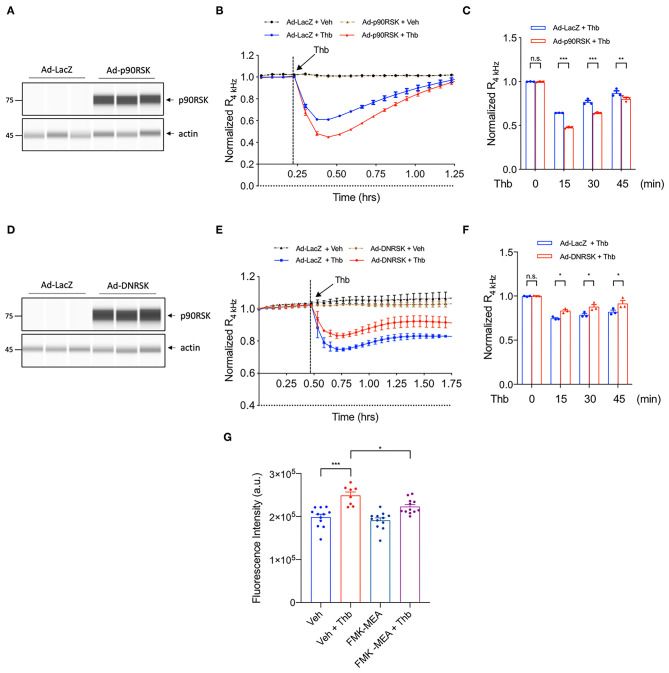
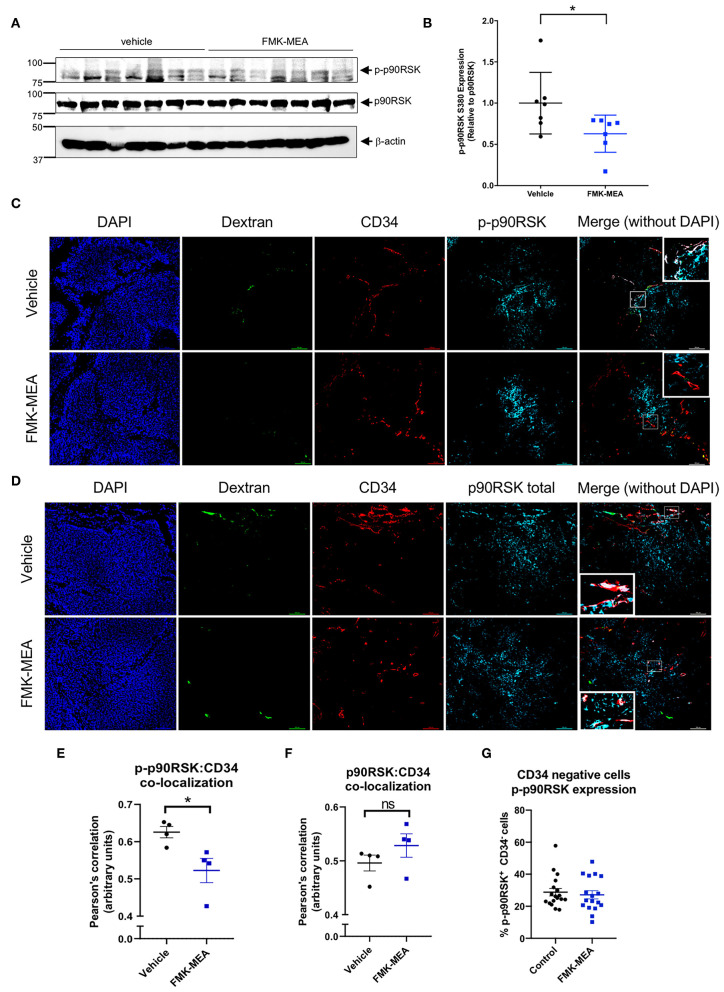
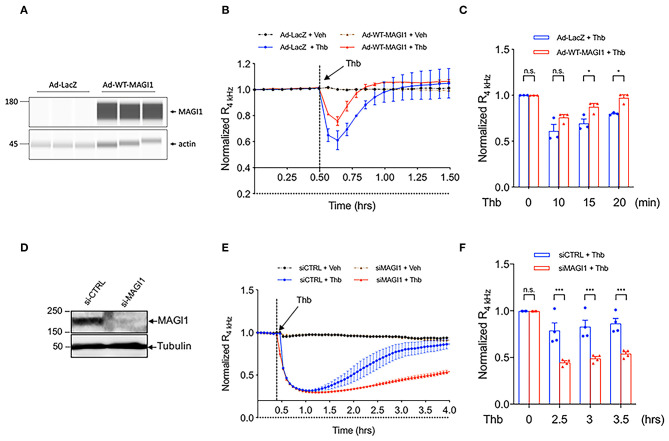
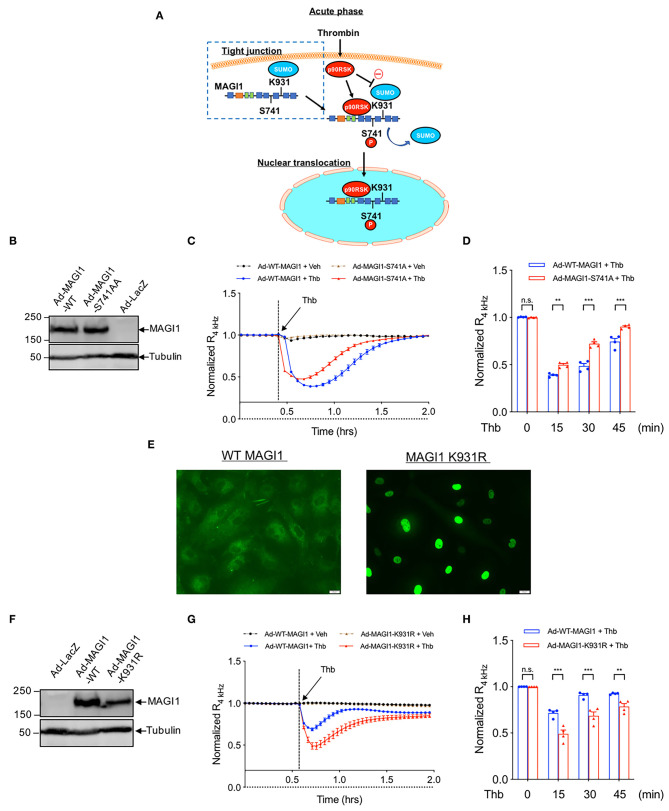
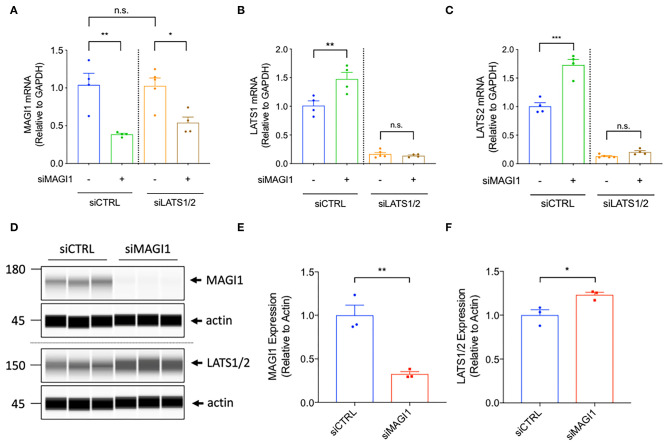
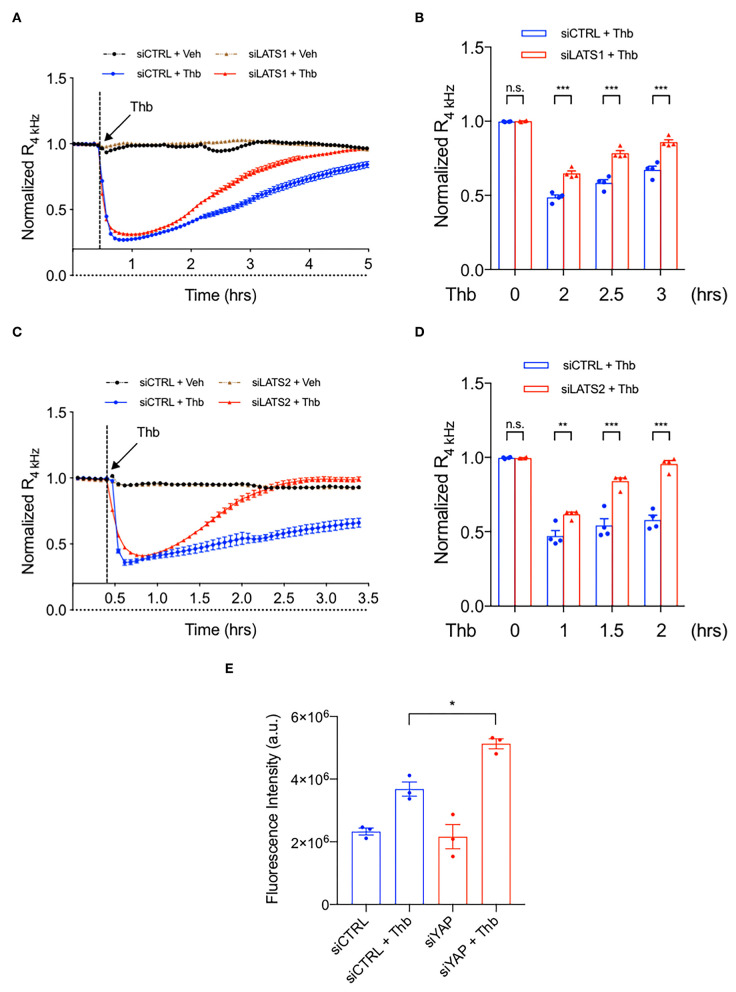
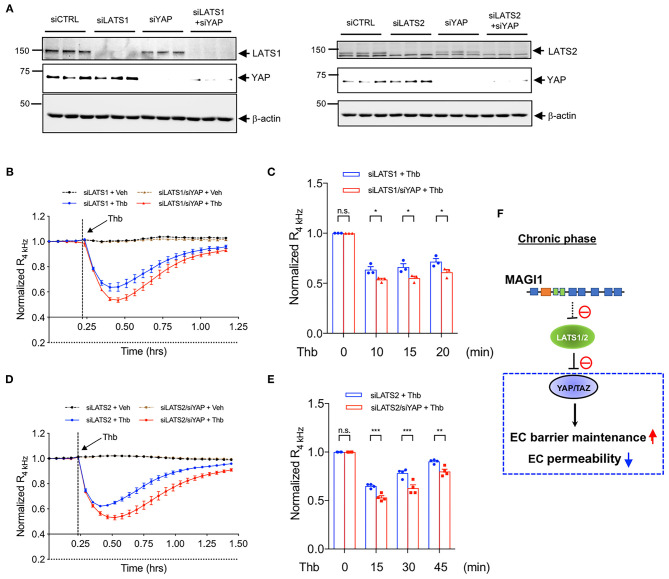
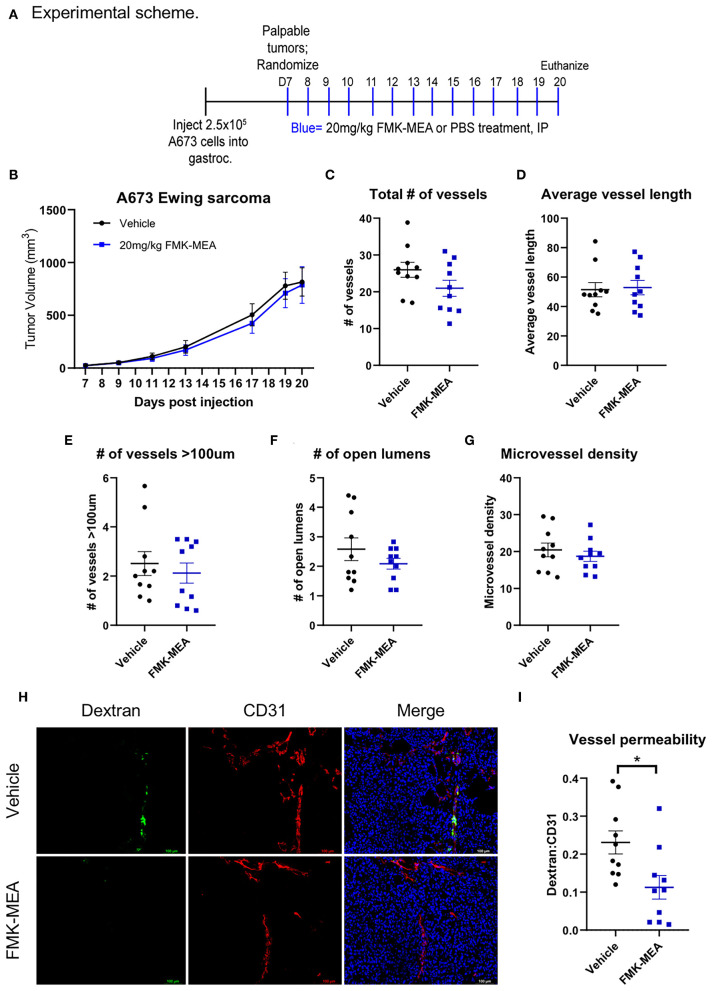
Previously, we reported that post-translational modifications (PTMs) of MAGI1, including S741 phosphorylation and K931 de-SUMOylation, both of which are regulated by p90RSK activation, lead to endothelial cell (EC) activation. However, roles for p90RSK and MAGI1-PTMs in regulating EC permeability remain unclear despite MAGI1 being a junctional molecule. Here, we show that thrombin (Thb)-induced EC permeability, detected by the electric cell-substrate impedance sensing (ECIS) based system, was decreased by overexpression of dominant negative p90RSK or a MAGI1-S741A phosphorylation mutant, but was accelerated by overexpression of p90RSK, siRNA-mediated knockdown of , or the MAGI1-K931R SUMOylation mutant. MAGI1 depletion also increased the mRNA and protein expression of the large tumor suppressor kinases 1 and 2 (LATS1/2), which inhibited YAP/TAZ activity and increased EC permeability. Because the endothelial barrier is a critical mediator of tumor hypoxia, we also evaluated the role of p90RSK activation in tumor vessel leakiness by using a relatively low dose of the p90RSK specific inhibitor, FMK-MEA. FMK-MEA significantly inhibited tumor vessel leakiness at a dose that does not affect morphology and growth of tumor vessels . These results provide novel insights into crucial roles for p90RSK-mediated MAGI1 PTMs and the Hippo pathway in EC permeability, as well as p90RSK activation in tumor vessel leakiness.
此前,我们报道过MAGI1的翻译后修饰(PTM),包括S741磷酸化和K931去SUMO化,这两者均受p90RSK激活调控,可导致内皮细胞(EC)激活。然而,尽管MAGI1是一种连接分子,但p90RSK和MAGI1-PTM在调节EC通透性方面的作用仍不清楚。在此,我们表明,基于电细胞基质阻抗传感(ECIS)系统检测到的凝血酶(Thb)诱导的EC通透性,在过表达显性负性p90RSK或MAGI1-S741A磷酸化突变体时降低,但在过表达p90RSK、siRNA介导的 敲低或MAGI1-K931R SUMO化突变体时加速。MAGI1缺失还增加了大肿瘤抑制激酶1和2(LATS1/2)的mRNA和蛋白表达,后者抑制YAP/TAZ活性并增加EC通透性。由于内皮屏障是肿瘤缺氧的关键介质,我们还通过使用相对低剂量的p90RSK特异性抑制剂FMK-MEA评估了p90RSK激活在肿瘤血管渗漏中的作用。FMK-MEA在不影响肿瘤血管形态和生长的剂量下显著抑制了肿瘤血管渗漏。这些结果为p90RSK介导的MAGI1 PTM和Hippo通路在EC通透性中的关键作用,以及p90RSK激活在肿瘤血管渗漏中的作用提供了新的见解。