The Francis Crick Institute, 1 Midland Road, London, NW1 1AT, UK; Department of Neuromuscular Diseases, UCL Queen Square Institute of Neurology, Queen Square, London, UK.
The Francis Crick Institute, 1 Midland Road, London, NW1 1AT, UK; Department of Neuromuscular Diseases, UCL Queen Square Institute of Neurology, Queen Square, London, UK.
Prog Neurobiol. 2021 May;200:101973. doi: 10.1016/j.pneurobio.2020.101973. Epub 2020 Dec 9.
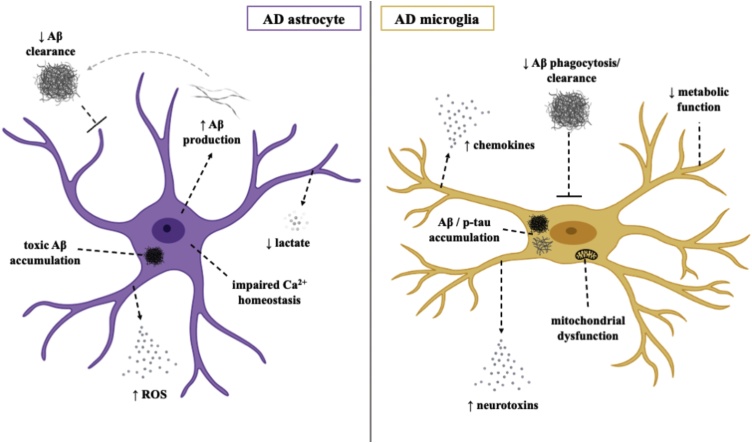
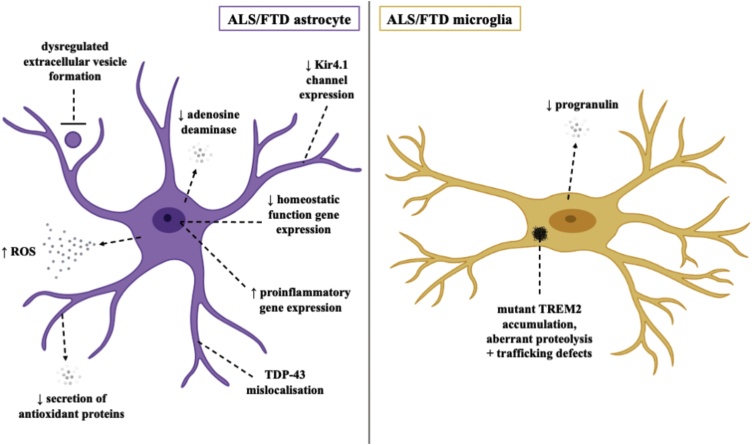
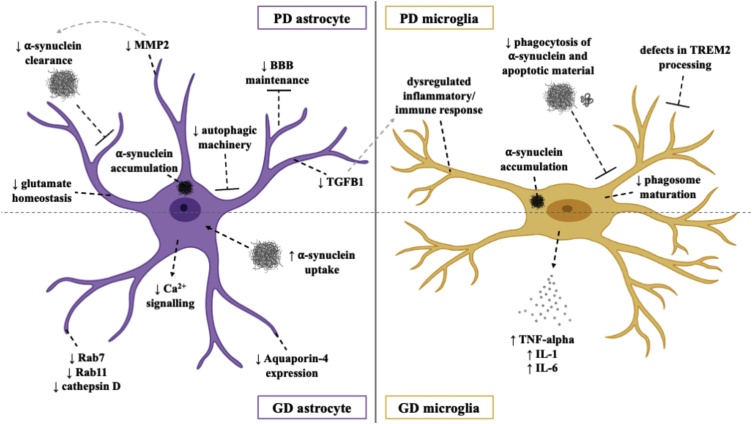
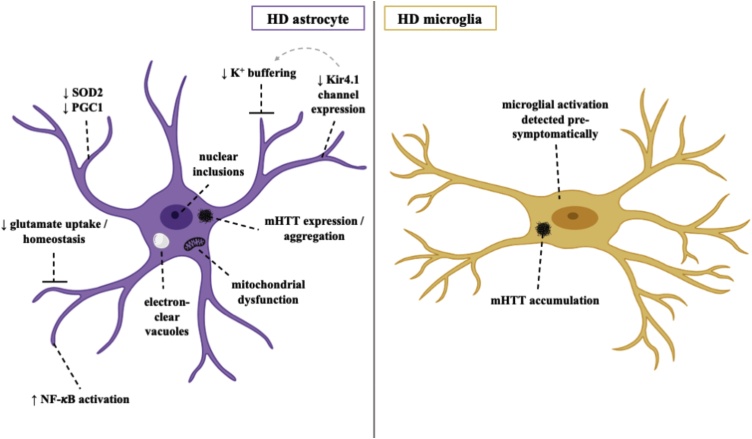
Both astrocytes and microglia fulfil homeostatic and immune functions in the healthy CNS. Dysfunction of these cell types have been implicated in the pathomechanisms of several neurodegenerative diseases. Understanding the cellular autonomy and early pathological changes in these cell types may inform drug screening and therapy development. While animal models and post-mortem tissue have been invaluable in understanding disease processes, the advent of human in vitro models provides a unique insight into disease biology as a manipulable model system obtained directly from patients. Here, we discuss the different human in vitro models of astrocytes and microglia and outline the phenotypes that have been recapitulated in these systems.
星形胶质细胞和小胶质细胞在健康的中枢神经系统中都具有维持内环境稳定和免疫功能。这些细胞类型的功能障碍与几种神经退行性疾病的发病机制有关。了解这些细胞类型的细胞自主性和早期病理变化可能有助于药物筛选和治疗开发。虽然动物模型和尸检组织在了解疾病过程方面非常有价值,但人类体外模型的出现为我们提供了一个独特的视角,可以直接从患者中获得可操纵的模型系统,从而深入了解疾病生物学。在这里,我们讨论了星形胶质细胞和小胶质细胞的不同人类体外模型,并概述了这些系统中再现的表型。