Hans-Berger Department of Neurology, University Hospital Jena, Friedrich Schiller University Jena, 07747 Jena, Germany.
Bioinformatics/High Throughput Analysis, Friedrich Schiller University Jena, 07743 Jena, Germany; FLI Leibniz Institute for Age Research, 07745 Jena, Germany.
Genomics Proteomics Bioinformatics. 2020 Aug;18(4):430-442. doi: 10.1016/j.gpb.2020.12.001. Epub 2020 Dec 11.
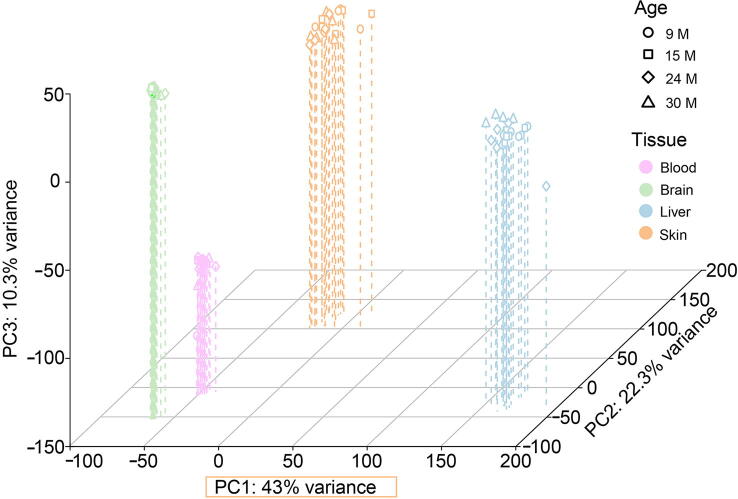
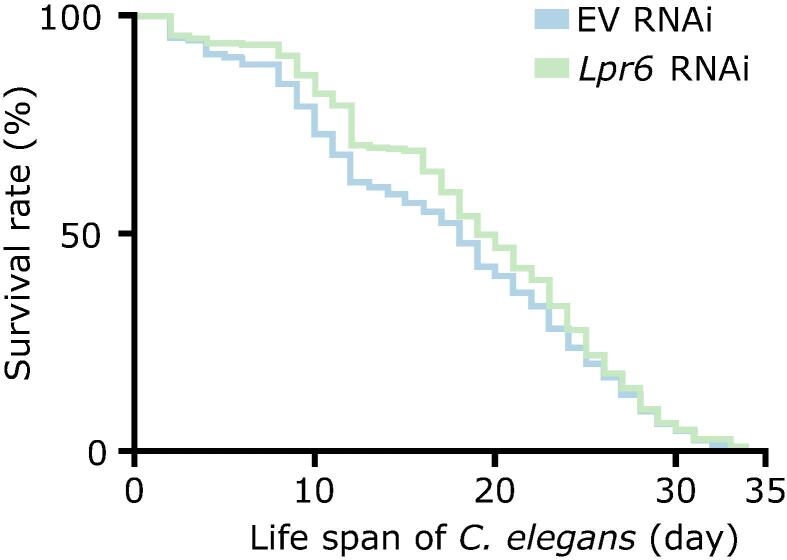
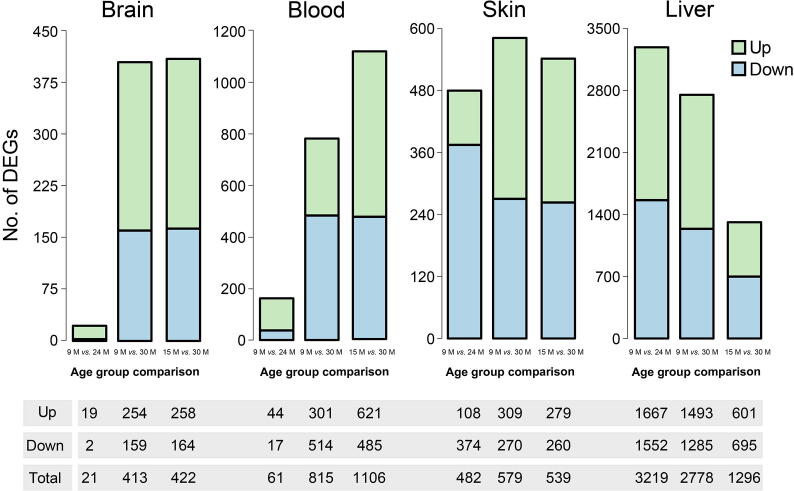
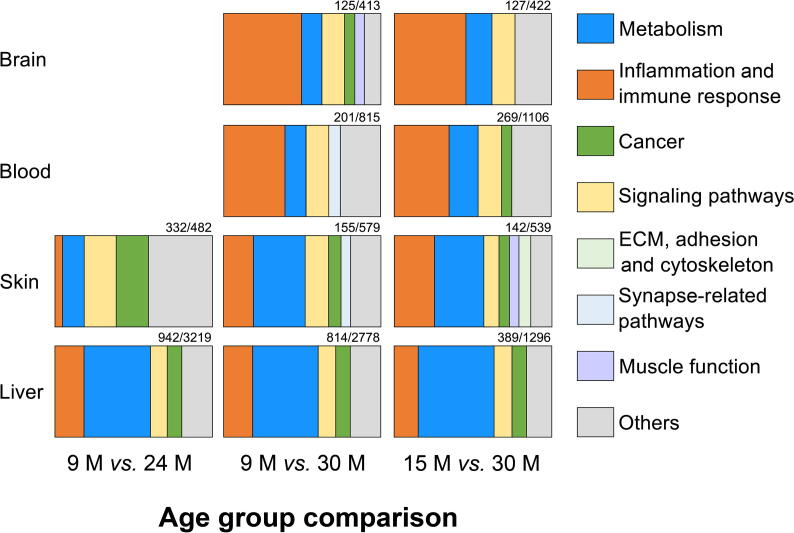
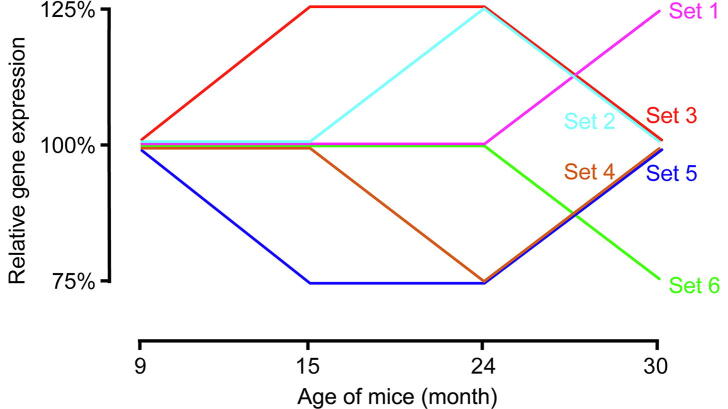
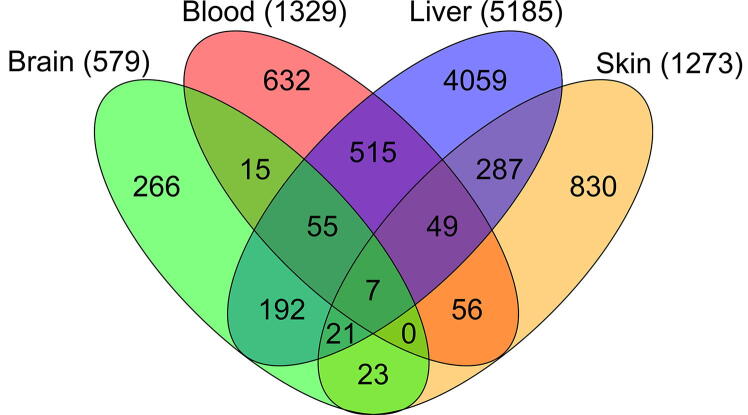
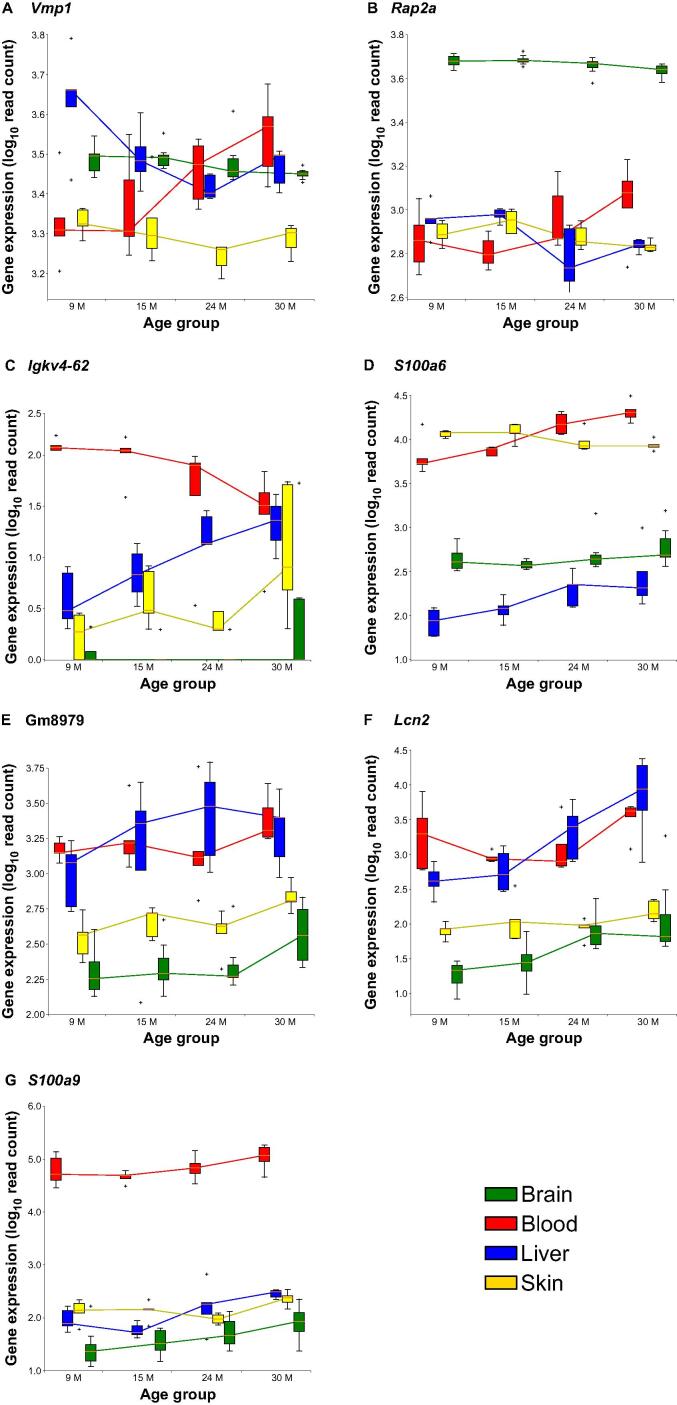
Aging is a complex process that can be characterized by functional and cognitive decline in an individual. Aging can be assessed based on the functional capacity of vital organs and their intricate interactions with one another. Thus, the nature of aging can be described by focusing on a specific organ and an individual itself. However, to fully understand the complexity of aging, one must investigate not only a single tissue or biological process but also its complex interplay and interdependencies with other biological processes. Here, using RNA-seq, we monitored changes in the transcriptome during aging in four tissues (including brain, blood, skin and liver) in mice at 9 months, 15 months, and 24 months, with a final evaluation at the very old age of 30 months. We identified several genes and processes that were differentially regulated during aging in both tissue-dependent and tissue-independent manners. Most importantly, we found that the electron transport chain (ETC) of mitochondria was similarly affected at the transcriptome level in the four tissues during the aging process. We also identified the liver as the tissue showing the largest variety of differentially expressed genes (DEGs) over time. Lcn2 (Lipocalin-2) was found to be similarly regulated among all tissues, and its effect on longevity and survival was validated using its orthologue in Caenorhabditis elegans. Our study demonstrated that the molecular processes of aging are relatively subtle in their progress, and the aging process of every tissue depends on the tissue's specialized function and environment. Hence, individual gene or process alone cannot be described as the key of aging in the whole organism.
衰老是一个复杂的过程,可以表现为个体功能和认知能力下降。衰老可以基于重要器官的功能能力及其相互之间的复杂相互作用来评估。因此,可以通过关注特定器官和个体本身来描述衰老的本质。然而,要全面了解衰老的复杂性,不仅必须研究单个组织或生物过程,还必须研究其与其他生物过程的复杂相互作用和相互依存关系。在这里,我们使用 RNA-seq 技术,在 9 个月、15 个月和 24 个月时监测了 4 种组织(包括大脑、血液、皮肤和肝脏)中衰老过程中转录组的变化,在非常老的 30 个月时进行了最终评估。我们发现了一些在组织依赖性和组织独立性方面在衰老过程中差异调节的基因和过程。最重要的是,我们发现线粒体的电子传递链(ETC)在四个组织的转录组水平上在衰老过程中受到相似的影响。我们还发现肝脏是随着时间推移差异表达基因(DEGs)变化最大的组织。发现 Lcn2(脂联素-2)在所有组织中受到相似的调控,并且使用其在秀丽隐杆线虫中的同源物验证了其对寿命和存活的影响。我们的研究表明,衰老的分子过程在其进展中相对微妙,每个组织的衰老过程取决于组织的特殊功能和环境。因此,单个基因或过程本身不能被描述为整个生物体衰老的关键。