Nüssel Martin, Hamperl Melanie, Maslarova Anna, Chaudhry Shafqat R, Köhn Julia, Stadlbauer Andreas, Buchfelder Michael, Kinfe Thomas
Department of Neurosurgery, Friedrich-Alexander University (FAU) Erlangen-Nürnberg, Erlangen, Germany.
College of Pharmaceutical Sciences, Shifa Tameer-E-Millat University, Islamabad, Pakistan.
Pain Ther. 2021 Jun;10(1):101-114. doi: 10.1007/s40122-020-00221-0. Epub 2020 Dec 16.
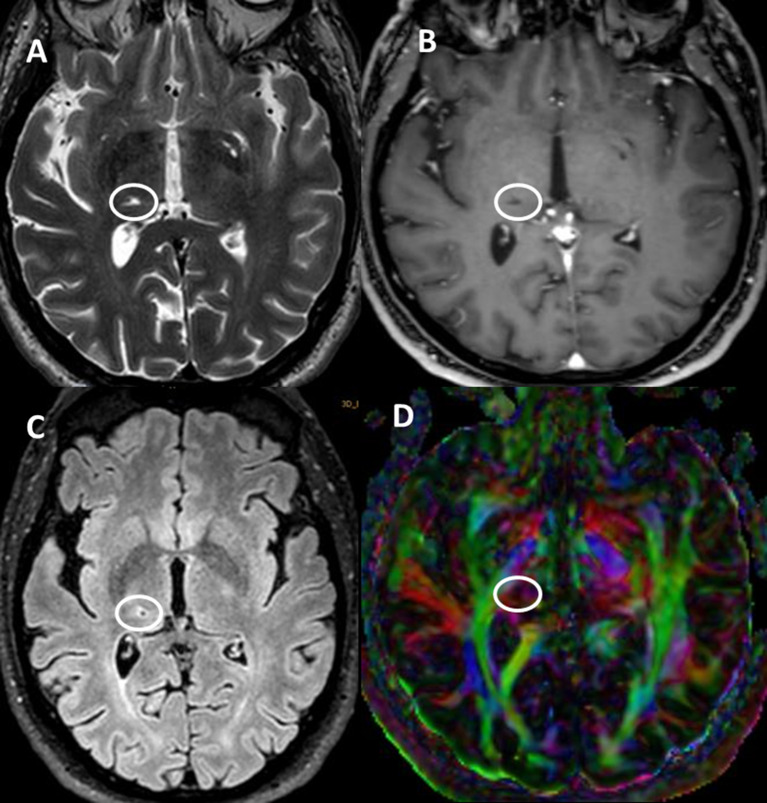
Chronic refractory central post-stroke pain (CPSP), one of the most disabling consequences of cerebral stroke, occurs in up to 10% of patients with CPSP. Because a considerable proportion of these patients with chronic pain remain resistant to pharmacological and behavioral therapies, adjunctive invasive and non-invasive brain stimulation therapies are needed. We performed a review of human studies applying burst and conventional motor cortex stimulation (burstMCS and cMCS, respectively) for chronic pain states, on the basis of data sources identified through searches of PubMed, MEDLINE/OVID, and SCOPUS, as well as manual searches of the bibliographies of known primary and review articles. Our aim was to review and discuss clinical data on the indications of burstMCS for various chronic pain states originating from central stroke (excluding trigeminal facial pain). In addition, we assessed the efficacy and safety of burst versus cMCS for central post-stroke pain with an extended follow-up of 5 years in a 60-year-old man. According to our review, uncontrolled observational human cohort studies and one RCT using cMCS waveforms have revealed a meaningful clinical response; however, these studies lacked placebo groups and extended observation periods. In our case report, we found that 3 months of adjunctive cMCS reduced pain levels [visual analog scale (VAS) pre: 9/10 versus VAS post 7/10], whereas the pain decreased further under burstMCS (VAS pre: 7/10 versus VAS post: 2/10); the study involved a follow-up of 5 years and the following parameters: burst rate 40 Hz (500 Hz), 1-1.75 mA, 1 ms, bipolar configuration. To date, only limited evidence exists for the efficacy and safety of burst motor cortex stimulation for the treatment of refractory chronic pain. BurstMCS resulted in significantly decreased post-stroke pain observed after 5 years of cMCS. The available literature suggests similar efficacy as that of conventional (tonic) motor cortex stimulation, although the results are preliminary. Mechanistically, the precise mechanism of action is not fully understood. However, burstMCS may interact with the nociceptive thalamic-cingulate and descending spinal pain networks. To determine the potential utility of this treatment, large-scale sham-controlled trials comparing cMCS and burstMCS are highly recommended.
慢性难治性中风后中枢性疼痛(CPSP)是脑卒最致残的后果之一,高达10%的CPSP患者会出现这种情况。由于相当一部分慢性疼痛患者对药物和行为疗法仍有抵抗性,因此需要辅助性的侵入性和非侵入性脑刺激疗法。我们基于通过搜索PubMed、MEDLINE/OVID和SCOPUS以及手动搜索已知的原始文章和综述文章的参考文献所确定的数据源,对应用爆发式和传统运动皮层刺激(分别为burstMCS和cMCS)治疗慢性疼痛状态的人体研究进行了综述。我们的目的是回顾和讨论burstMCS治疗各种源自中枢性中风的慢性疼痛状态(不包括三叉神经面部疼痛)的适应症的临床数据。此外,我们在一名60岁男性中进行了长达5年的随访,评估了爆发式刺激与传统运动皮层刺激治疗中风后中枢性疼痛的疗效和安全性。根据我们的综述,未设对照的观察性人体队列研究以及一项使用cMCS波形的随机对照试验显示出有意义的临床反应;然而,这些研究缺乏安慰剂组和延长的观察期。在我们的病例报告中,我们发现3个月的辅助性cMCS降低了疼痛水平[视觉模拟量表(VAS)术前:9/10,术后:7/10],而在burstMCS治疗下疼痛进一步减轻(VAS术前:7/10,术后:2/10);该研究包括5年的随访以及以下参数:爆发频率40Hz(500Hz)、1 - 1.75mA、1ms、双极配置。迄今为止,关于爆发式运动皮层刺激治疗难治性慢性疼痛的疗效和安全性的证据有限。在进行了5年的cMCS治疗后,观察到burstMCS使中风后疼痛显著减轻。现有文献表明其疗效与传统(持续性)运动皮层刺激相似,尽管结果是初步的。从机制上讲,确切的作用机制尚未完全了解。然而,burstMCS可能与伤害性丘脑 - 扣带回和下行脊髓疼痛网络相互作用。为了确定这种治疗方法的潜在效用,强烈建议进行比较cMCS和burstMCS的大规模假对照试验。