Bhagwat Geeta S, Athawale Rajani B, Gude Rajeev P, Md Shadab, Alhakamy Nabil A, Fahmy Usama A, Kesharwani Prashant
H. K. College of Pharmacy, Mumbai, India.
Prin. K. M. Kundanani College of Pharmacy, Mumbai, India.
Front Pharmacol. 2020 Nov 27;11:614290. doi: 10.3389/fphar.2020.614290. eCollection 2020.
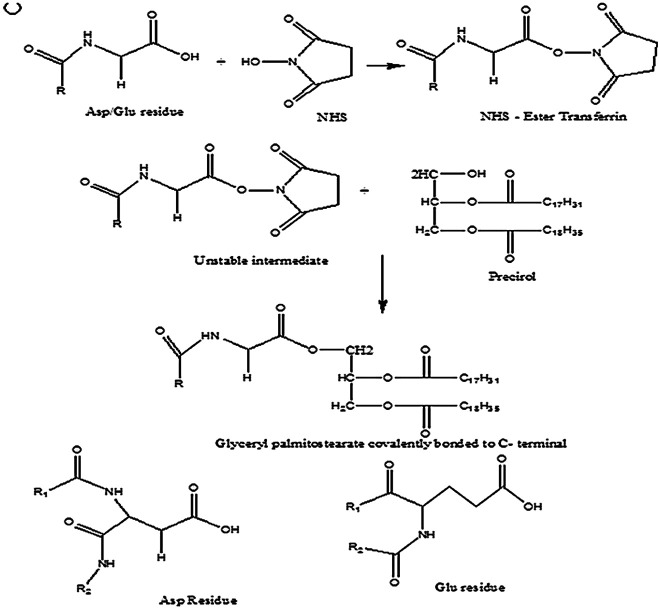
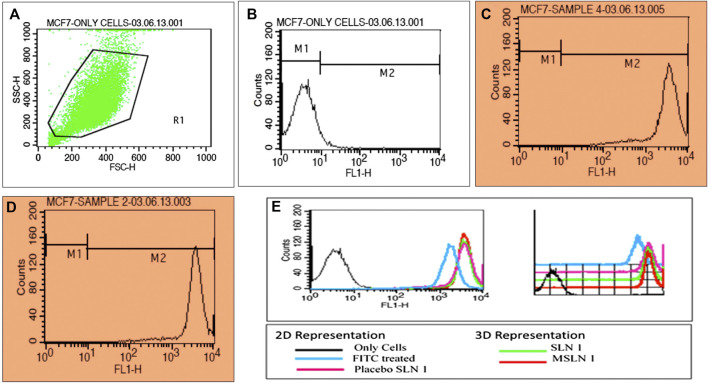
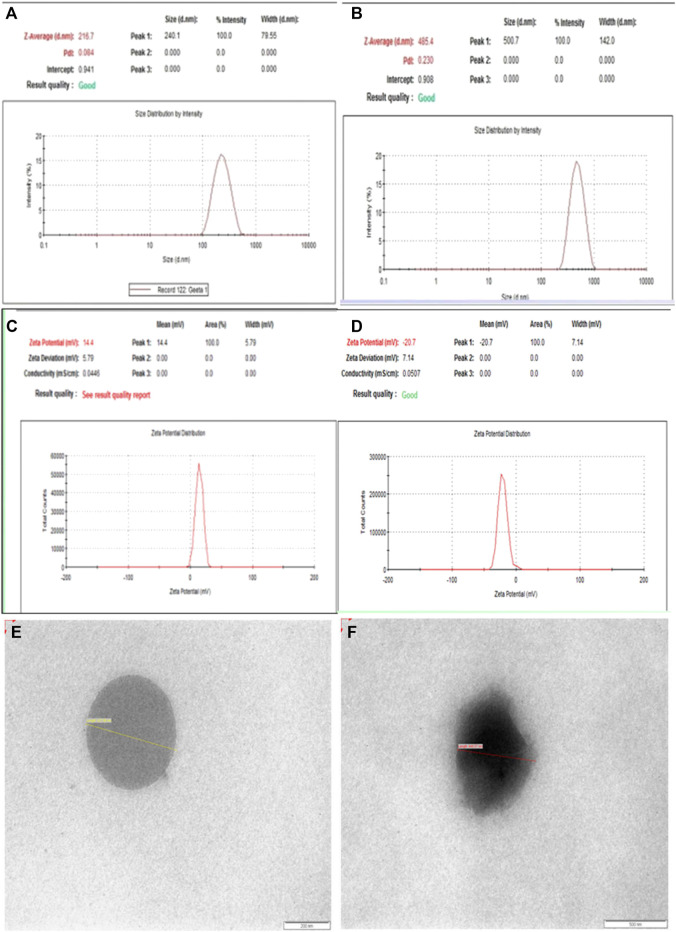
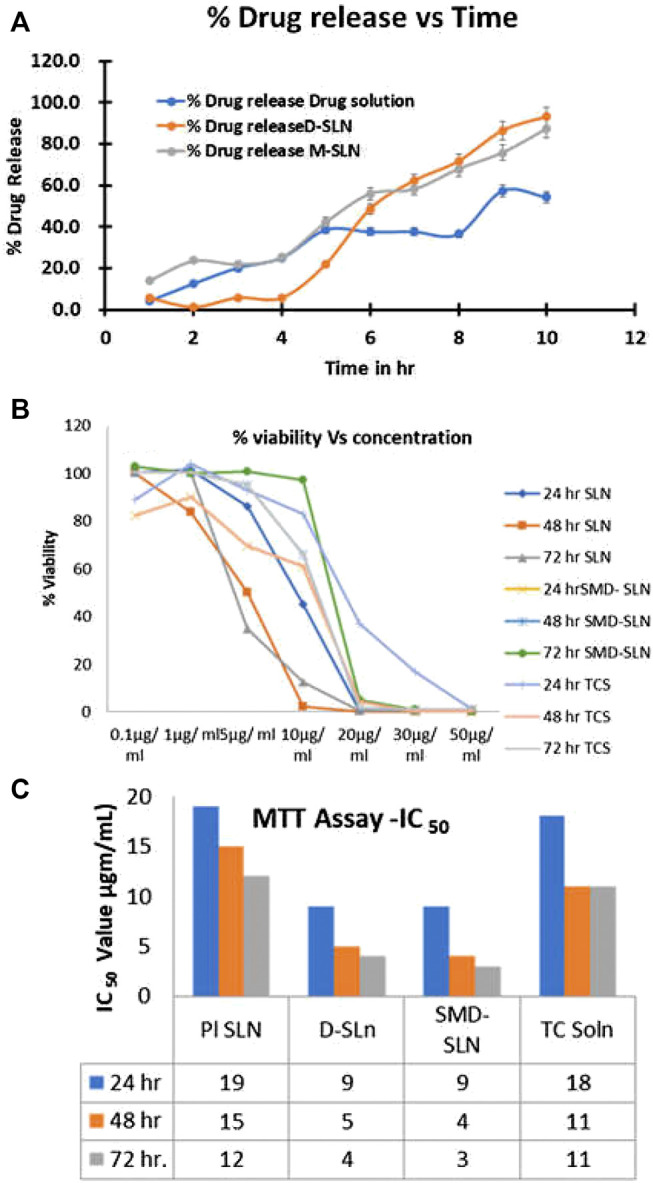
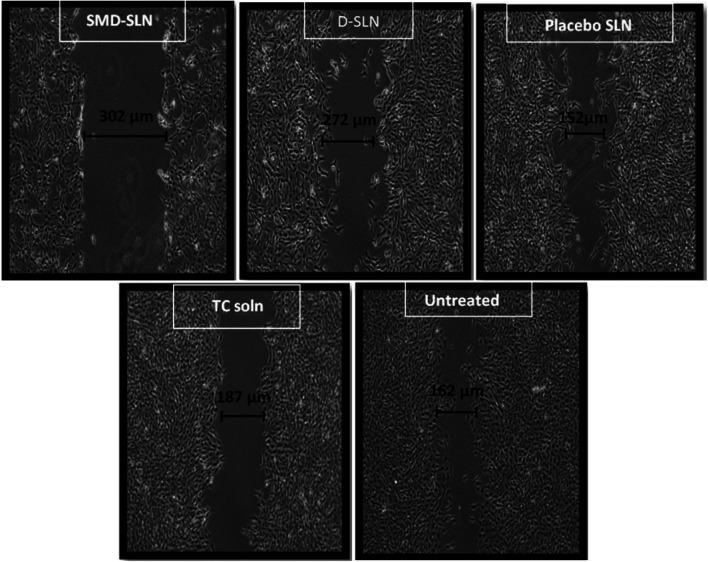
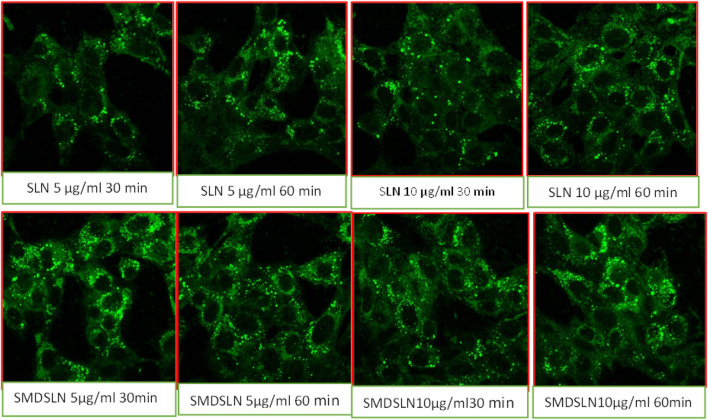
Breast cancer is conventionally treated by surgery, chemotherapy and radiation therapy followed by post operational hormonal therapy. Tamoxifen citrate is a best option to treat breast cancer because its selective estrogen receptor modulation activity. Owing to its antiestrogenic action on breast as well as uterine cells, Tamoxifen citrate shows uterine toxicity. The dose 20 mg per day of Tamoxifen citrate required to show therapeutic effect causes side effects and toxicity to vital organs such as liver, kidney and uterus. In the present study, transferrin-conjugated solid lipid nanoparticles (SLNs) were successfully prepared to enhance the active targeting of tamoxifen citrate in breast cancer. Developed formulations were evaluated for particle size, surface charge, surface morphology and dissolution studies. Developed formulations exhibited more cytotoxicity as compared to pure Tamoxifen citrate solution in time as well as concentration dependent manner on human breast cancer MCF-7 cells. Further, cell uptake and flow cytometry studies confirmed the qualitative uptake of developed D-SLN and SMD-SLN by human breast cancer MCF-7 cells. Overall, proposed study highlights that transferrin engineered nanocarriers could enhance the therapeutic response of nanomedicines for breast cancer treatment.
传统上,乳腺癌通过手术、化疗和放疗进行治疗,术后进行激素治疗。枸橼酸他莫昔芬是治疗乳腺癌的最佳选择,因为它具有选择性雌激素受体调节活性。由于其对乳腺和子宫细胞的抗雌激素作用,枸橼酸他莫昔芬表现出子宫毒性。每天20毫克的枸橼酸他莫昔芬剂量在显示治疗效果的同时会对肝脏、肾脏和子宫等重要器官产生副作用和毒性。在本研究中,成功制备了转铁蛋白偶联的固体脂质纳米粒(SLNs),以增强枸橼酸他莫昔芬在乳腺癌中的主动靶向性。对所制备的制剂进行了粒径、表面电荷、表面形态和溶出度研究。与纯枸橼酸他莫昔芬溶液相比,所制备的制剂在时间和浓度依赖性方面对人乳腺癌MCF-7细胞表现出更强的细胞毒性。此外,细胞摄取和流式细胞术研究证实了人乳腺癌MCF-7细胞对所制备的D-SLN和SMD-SLN的定性摄取。总体而言,本研究强调转铁蛋白工程纳米载体可以增强纳米药物对乳腺癌治疗的疗效。